Skip to content
Are Muffin Pans The Same As Cupcake Pans?
Many home bakers wonder if muffin pans and cupcake pans are interchangeable. At first glance, they look almost identical. Both are metal trays with rows of round cups, perfect for baking small treats. But are they really the same? Or do their subtle differences matter for your recipes?
Let’s look closely at how muffin pans and cupcake pans compare, what each is best for, and what you need to know for successful baking.
What Are Muffin Pans And Cupcake Pans?
Muffin pans and cupcake pans are both types of bakeware designed for making single-serving baked goods. Usually, they come in standard sizes: 6-cup, 12-cup, or even mini and jumbo versions. Both are made from similar materials, like aluminum, steel, or silicone. The main job of these pans is to help batter bake evenly and hold its shape.
However, there are important details that separate muffin pans from cupcake pans. Sometimes, these differences are small. Other times, they can affect your baking results.
Muffin Pan Design
A traditional muffin pan is made for baking muffins, which are often denser and less sweet than cupcakes. The cups in a muffin pan are usually:
- Slightly deeper
- Have straighter sides
- Sometimes a wider diameter
This shape lets muffins rise higher and develop a rounded, dome-like top. Muffin pans are also used for other foods like mini quiches or breakfast egg muffins.
Cupcake Pan Design
A cupcake pan is designed for cupcakes, which are lighter, sweeter, and often topped with frosting. Cupcake pan cups are:
- Shallower than muffin pan cups
- Have more curved sides
- Typically match the size of standard paper cupcake liners
This helps cupcakes bake with a flat or slightly rounded top, ideal for decorating.
Key Differences: Muffin Pans Vs Cupcake Pans
Let’s break down the differences more clearly. Here’s a side-by-side comparison of standard muffin and cupcake pans:
| Feature | Muffin Pan | Cupcake Pan |
|---|---|---|
| Depth | Deeper cups (1.25-1.5 inches) | Shallower cups (1-1.25 inches) |
| Side Shape | Straight sides | Curved sides |
| Diameter | Wider (2.75 inches) | Narrower (2.5 inches) |
| Liner Fit | May not fit standard cupcake liners perfectly | Fits standard cupcake liners |
| Typical Use | Muffins, savory items | Cupcakes, desserts |
While the measurements above are averages, there are many brands and sizes available. Always check your pan’s measurements before baking.
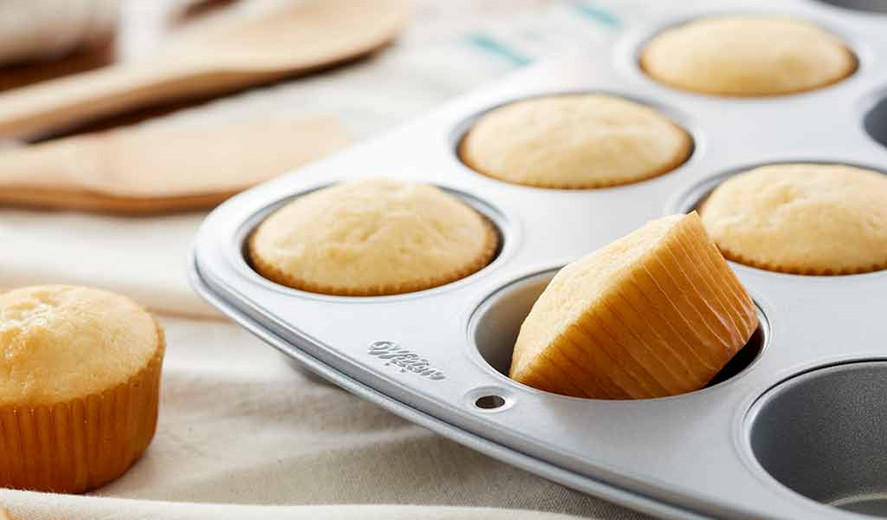
Credit: wilton.com
Can You Use One Pan For Both Muffins And Cupcakes?
Most home bakers use one pan for both muffins and cupcakes. In fact, many pans sold as “cupcake pans” or “muffin pans” are nearly identical, especially in stores outside professional bakeries. For basic recipes, you can switch between them. However, there are some important things to keep in mind:
- Cupcake liners fit best in cupcake pans, but may not fit well in muffin pans with wider or deeper cups.
- Muffin batter is often thicker and rises more, so a deeper pan is helpful.
- Cupcake batter is lighter and spreads out, so shallower pans and liners help keep the shape.
If you plan to decorate cupcakes with a lot of frosting, a shallower, more uniform shape is ideal. For tall, domed muffins, a deeper pan gives better results.
Why Pan Shape Affects Baking
The shape and size of the pan cups affect how batter cooks and rises. Here’s how:
- Heat Distribution: Deeper cups mean the center of the muffin cooks slower, while the edges cook faster. This creates the classic muffin dome.
- Liner Placement: Cupcake liners in a muffin pan may wrinkle or fold, making finished cupcakes look uneven.
- Batter Expansion: Muffin batter expands upward, while cupcake batter expands outward. Pan shape helps guide this process.
Some recipes are sensitive to these differences. For example, a cupcake recipe in a muffin pan may produce cupcakes with odd shapes, or the liners may not sit flat. Muffin recipes in a cupcake pan might overflow or not rise tall.
Pan Materials And Their Impact
Both muffin and cupcake pans come in different materials. The choice affects baking times, browning, and sticking.
| Material | Pros | Cons |
|---|---|---|
| Aluminum | Even heat, lightweight, affordable | Can warp, not always nonstick |
| Steel | Durable, good browning | Heavier, may rust if not cared for |
| Silicone | Nonstick, flexible, easy release | Does not brown as well, softer structure |
| Ceramic | Attractive, good heat retention | Heavy, fragile |
For both muffins and cupcakes, aluminum pans are most popular. Silicone pans work well for muffins, but cupcakes may not hold their shape as nicely in soft pans.
Standard Pan Sizes
Standard sizes for both muffin and cupcake pans are usually:
- Regular (Standard): 2.5-inch diameter cups, 1-inch depth
- Mini: 1.25-inch diameter, 0.75-inch depth
- Jumbo: 3.5-inch diameter, 1.75-inch depth
Most recipes online use the regular size. Always check your recipe and pan size before baking. If you use a different size, adjust baking times.
:max_bytes(150000):strip_icc()/sea-anolon-usa-pan-cupcake-muffin-tins-irvin-lin-6713.jpg-8b4e3a423c1c40c7976cf8f1b5b2e472.jpg)
Credit: www.seriouseats.com
Practical Baking Tips
To get the best results, follow these tips:
- Use correct liners: Match liner size to your pan. If using a muffin pan for cupcakes, check if the liner fits flat.
- Fill cups properly: Muffin batter usually fills cups about 2/3 full; cupcake batter fills 1/2 to 2/3, depending on desired dome.
- Grease the pan: Even with liners, lightly grease the pan to prevent sticking. For muffins without liners, grease thoroughly.
- Check baking times: Deeper muffins may take longer. Cupcakes bake faster and can dry out if overbaked.
- Let cool before removing: Allow muffins and cupcakes to cool for 5-10 minutes before removing from pan to prevent tearing.
An often-missed detail: using a dark metal pan speeds up browning. If you switch from a light to a dark pan, check for doneness a few minutes earlier.
Common Beginner Mistakes
Many beginners make small errors that affect their baking:
- Using the wrong liners: Muffin pans may not fit standard cupcake liners, causing wrinkled cupcakes.
- Filling cups too much: Overfilling leads to overflowing cupcakes or flat muffins.
- Ignoring pan material: Silicone pans bake slower, so adjust times accordingly.
- Forgetting to grease: Even nonstick pans can stick, especially with muffin batters.
A less obvious mistake: stacking pans in the oven. This blocks heat and causes uneven baking. Always bake one pan at a time for best results.
Choosing The Right Pan For Your Recipe
When picking a pan, focus on:
- Recipe type: Muffins or cupcakes? Muffins need deeper cups; cupcakes need liners and a shallower shape.
- Material: Choose aluminum or steel for even baking. Silicone is good for muffins, not ideal for cupcakes.
- Size: Standard, mini, or jumbo? Match your recipe and serving size.
Here’s a quick guide for matching recipes and pans:
| Recipe | Best Pan | Notes |
|---|---|---|
| Classic Muffin | Muffin pan (deep cups) | No liner needed, grease well |
| Decorated Cupcake | Cupcake pan (shallow cups) | Use paper liners for easy removal |
| Mini Muffin | Mini muffin pan | Adjust baking time shorter |
| Savory Egg Muffin | Muffin pan (deep cups) | Grease thoroughly |
| Filled Cupcake | Cupcake pan | Linings help hold fillings |
If you bake often, having both pans gives flexibility. For casual baking, one pan is usually enough, as long as you’re aware of the differences.
Professional Vs Home Baking
In professional bakeries, the distinction between muffin and cupcake pans is clear. Bakers use pans with precise cup shapes and sizes for consistency. At home, brands often use the terms interchangeably. Sometimes, “muffin pan” and “cupcake pan” are used in product descriptions for the same item.
Professional pans may have extra features:
- Heavy-duty materials for repeated use
- Exact cup measurements for uniform results
- Nonstick coatings for easy release
If you want bakery-quality results, invest in a pan made for your recipe type. For most home bakers, standard pans work fine.
Cleaning And Maintenance
Proper care helps pans last longer and prevents sticking:
- Wash after every use: Use warm water and mild soap. Avoid harsh scrubbers that damage nonstick coatings.
- Dry completely: Prevent rust, especially with steel pans.
- Avoid dishwasher for nonstick pans: Hand wash to preserve coating.
- Store properly: Stack carefully to avoid dents or scratches.
A hidden tip: if your pan is old and food sticks, try lining with parchment paper. This works well for muffins without liners.
Muffin Pans Vs Cupcake Pans: Which Is Better?
Neither pan is “better”—it depends on what you want to bake. Muffin pans are great for hearty, domed muffins and savory recipes. Cupcake pans are ideal for uniform, decorated cupcakes. If you’re starting out, look for a standard 12-cup pan with moderate depth.
This handles most recipes. Later, you can add specialty pans for mini or jumbo treats.
Real-life Examples
Let’s see how pan choice matters. Imagine baking blueberry muffins in a cupcake pan. The shallower cups may cause the batter to spill over and flatten. Now, bake frosted cupcakes in a muffin pan. The liners may wrinkle, and the cupcakes may rise too high, making them hard to decorate.
Another example: if you want to make mini quiches, muffin pans work better. Cupcake pans are less suited for savory fillings. If you use silicone pans for cupcakes, the sides may not hold, and the cupcakes could become misshapen.
For more details on bakeware sizes and materials, you can check Wikipedia.
Frequently Asked Questions
Are Muffin Pans And Cupcake Pans Interchangeable?
You can use most pans for both, but results may differ. Cupcake pans are ideal for decorated cupcakes, while muffin pans give tall, domed muffins. Always check the pan depth and shape for your recipe.
Can I Bake Muffins In A Cupcake Pan?
Yes, but muffins may not rise as high. If the pan is shallow, batter may spill over or flatten. For best results, use a deep muffin pan and no liners.
Do I Need Liners For Muffins?
No, liners are not required for muffins. Grease the pan well, and muffins will release easily. Liners are mainly for cupcakes, especially if you plan to decorate.
What Happens If I Use Muffin Liners In A Cupcake Pan?
Muffin liners are often larger and taller. In a cupcake pan, they can wrinkle or fold, causing uneven cupcakes. Use liners that fit the pan size.
How Do I Clean Muffin And Cupcake Pans?
Wash with warm water and mild soap. Avoid harsh scrubbers for nonstick pans. Dry completely to prevent rust. For stubborn residue, soak briefly before cleaning.

Credit: wilton.com
Final Thoughts
While muffin pans and cupcake pans look similar, their small differences can change your baking results. The depth, side shape, and fit for liners matter most. For casual baking, one standard pan is usually fine. If you want perfect muffins or decorated cupcakes, choose the right pan for each treat.
Pay attention to pan size, material, and recipe requirements. With the right tools and a little care, your muffins and cupcakes will turn out just as you want—delicious and beautiful, every time.