Have you ever wondered if your plastic coffee maker is truly safe for your health? Every morning, millions of people rely on these machines to brew their daily cup of coffee.
But what if your coffee maker is quietly releasing harmful chemicals into your drink? You might be surprised to learn how much the materials in your coffee maker can affect the taste and safety of your coffee. Keep reading to discover what you need to know to protect yourself and enjoy your coffee with confidence.
Materials Used In Plastic Coffee Makers
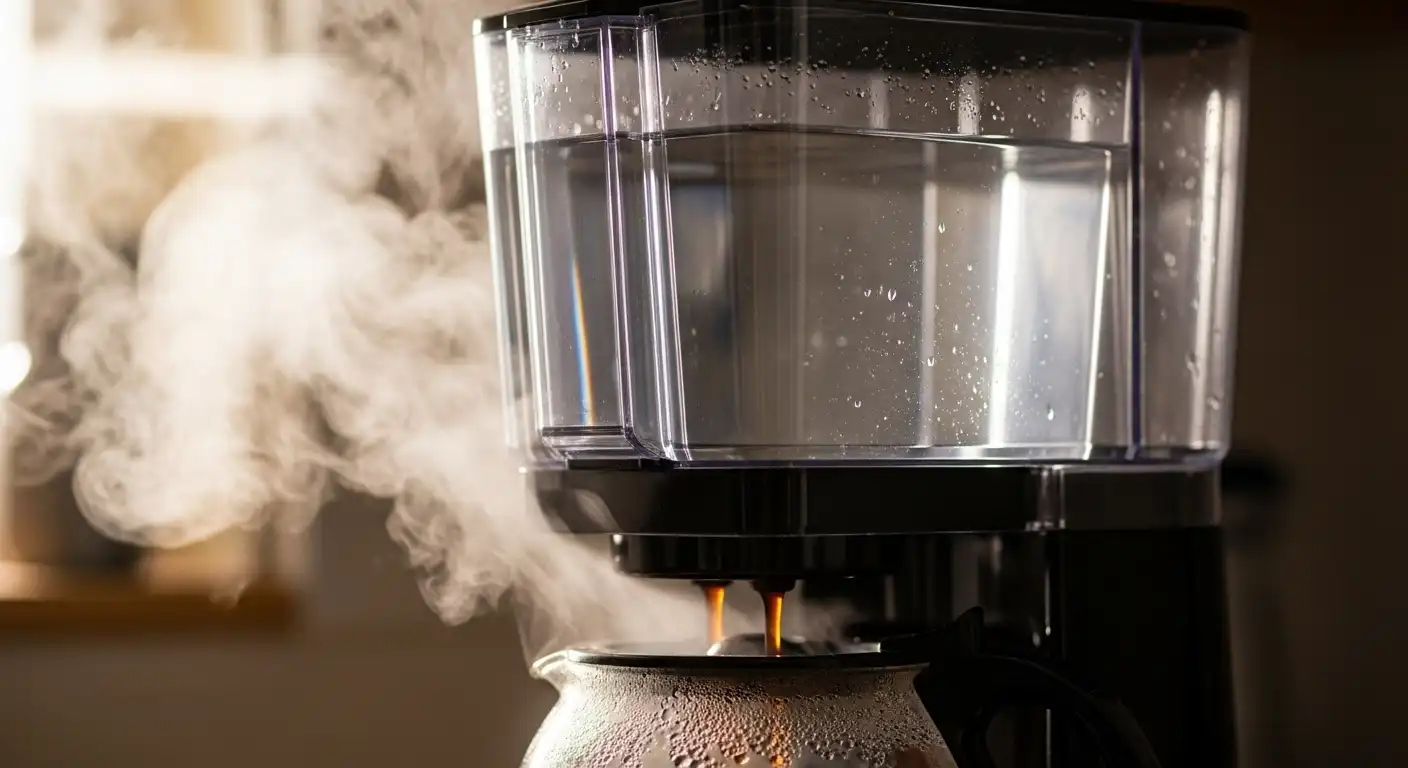
Plastic coffee makers are popular for their affordability and lightweight design. Understanding the materials used in these machines helps answer safety questions. Plastic types vary, and not all plastics are safe for hot liquids. This section explains the common plastics and safety standards involved.
Types Of Plastics Commonly Used
Many plastic coffee makers use polypropylene (PP). This plastic handles heat well and resists cracking. Another common type is polycarbonate (PC), known for its strength and clarity. Some older models may use BPA-containing plastics, which raise health concerns. Manufacturers now prefer BPA-free plastics to reduce risks.
Food-grade Plastics And Safety Standards
Food-grade plastics meet strict safety rules. These materials do not release harmful chemicals into food or drinks. The FDA sets guidelines to test plastic safety for hot liquids. Look for labels that say “BPA-free” or “food-safe.” These marks show the plastic passes safety tests for coffee makers.
Health Concerns Linked To Plastic
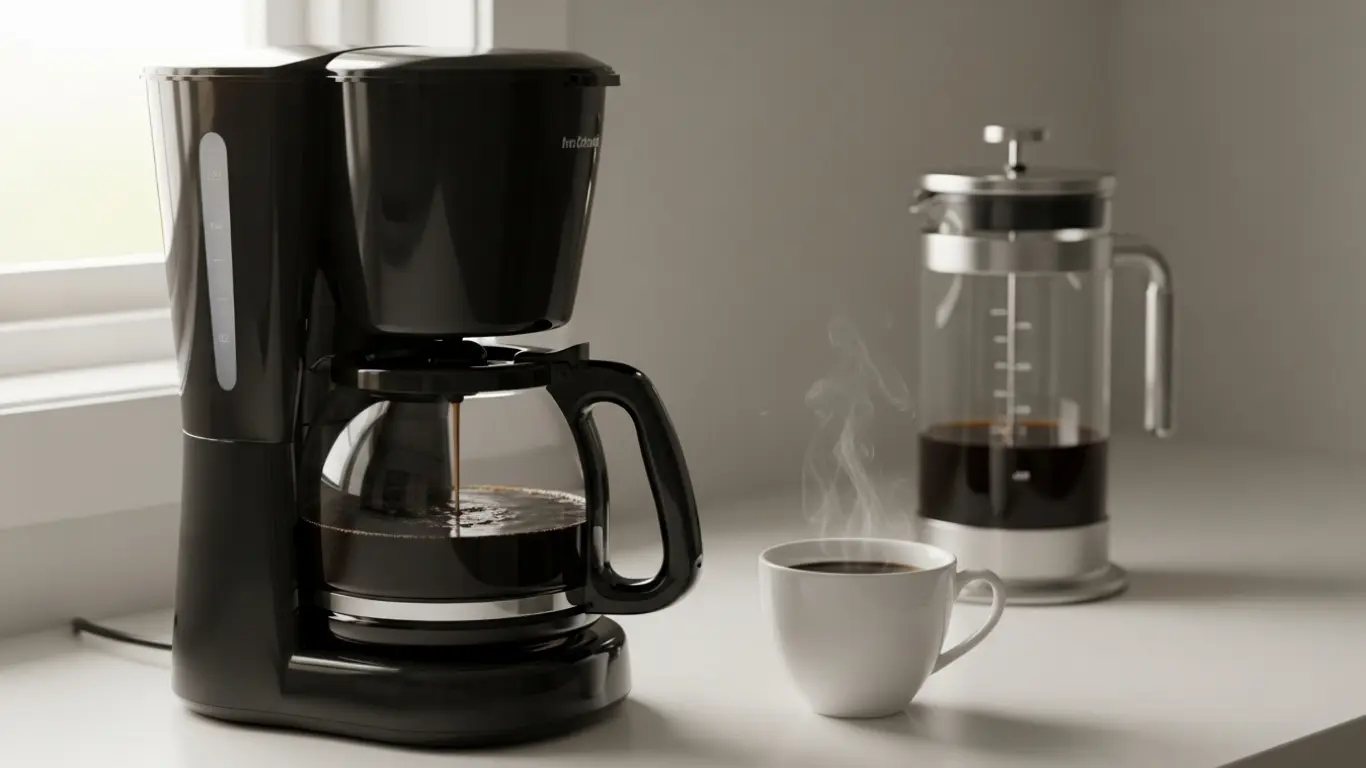
Plastic coffee makers are common in many homes. People choose them for their low cost and light weight. But plastic can raise health questions. Chemicals in plastic may move into hot coffee. This can affect your health over time.
Chemical Leaching Risks
Chemical leaching means harmful substances move from plastic to coffee. Heat and water speed up this process. Even small amounts of chemicals can build up in your body. Long-term exposure may cause health problems. It is a concern for daily coffee drinkers.
Bpa And Other Harmful Compounds
BPA is a chemical used in many plastics. It can mimic hormones in the body. This may disrupt normal body functions. Some plastic coffee makers contain BPA or similar chemicals. These compounds can increase risks of illness. Choosing BPA-free products reduces this danger.
Effects Of Heat On Plastic Components
Heat changes plastic structure. Hot water or steam can break down plastic parts. This breakdown releases more chemicals into coffee. Older coffee makers show more wear and tear. Worn plastic parts pose a higher risk for chemical leaching. Using heat-resistant, safe plastics is better for health.
Research Findings On Safety
Research on the safety of plastic coffee makers provides important insights. Many people worry about chemicals leaching into their coffee. Scientists and experts have studied this issue to find clear answers. These studies help consumers make safe choices.
Studies On Plastic Coffee Maker Safety
Several studies tested plastic coffee makers for harmful chemicals. Researchers looked for substances like BPA and phthalates. Most modern coffee makers use BPA-free plastics. Tests show very low or no chemical release at brewing temperatures. Some older models may release small amounts when heated. Overall, newer plastics are safer for daily use.
Regulatory Agency Guidelines
Agencies like the FDA and EFSA set rules for plastic safety. They approve plastics that do not release harmful chemicals. These rules include temperature limits and food contact standards. Coffee makers sold in many countries must follow these laws. This ensures products are tested and safe for consumers.
Expert Opinions And Recommendations
Health experts suggest choosing BPA-free coffee makers. They advise avoiding plastics that get very hot or damaged. Using glass or stainless steel parts can reduce risks. Experts also recommend cleaning coffee makers regularly. Proper care keeps plastics in good condition and safe.
Comparing Plastic With Other Materials
Choosing the right material for a coffee maker affects safety, taste, and durability. Plastic is common but not the only option. Comparing plastic with glass and stainless steel helps understand benefits and drawbacks. Each material has unique features that impact your coffee experience and machine lifespan.
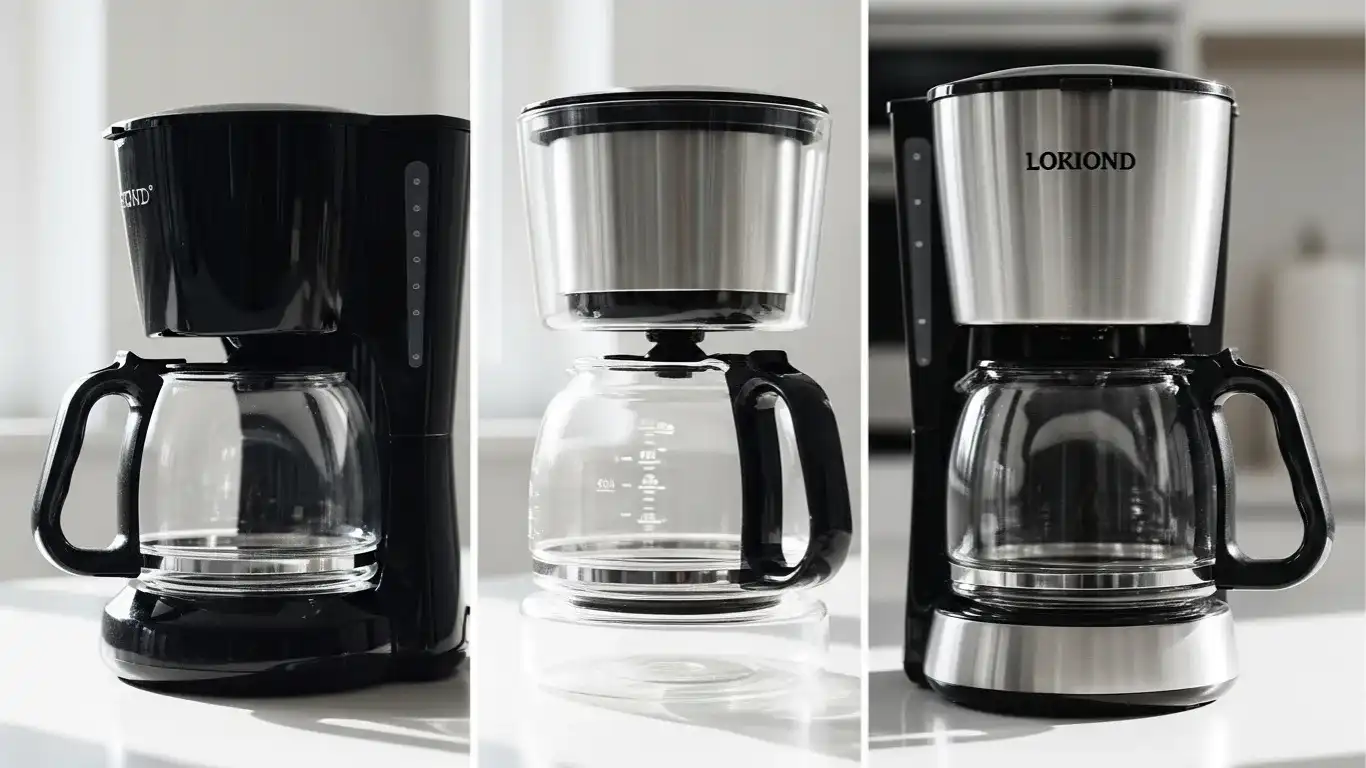
Glass And Stainless Steel Alternatives
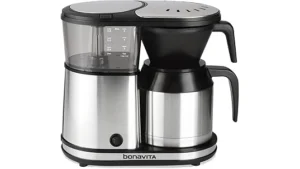
Glass coffee makers provide a clean look and do not hold odors. They are free from chemicals found in some plastics. Stainless steel machines are sturdy and resist stains and rust. Both materials avoid plastic taste or potential chemical leaching. Many users prefer these for a pure coffee flavor and safer brewing.
Durability And Maintenance
Plastic coffee makers are lightweight but can wear out faster. They may crack or discolor after long use. Glass is fragile and can break if dropped. Stainless steel is the strongest and lasts the longest. Cleaning plastic requires care to avoid scratches. Stainless steel and glass are easier to clean and keep hygienic over time.
Taste And Aroma Impact
Plastic can sometimes affect coffee’s taste with a slight chemical odor. Glass does not alter flavor or smell. Stainless steel also keeps coffee’s natural aroma intact. Many coffee lovers notice clearer, fresher taste from non-plastic machines. This makes glass and stainless steel popular among those who value pure coffee flavor.
Tips To Ensure Safe Use Of Plastic Coffee Makers
Using plastic coffee makers can be safe if done correctly. Small steps help protect health and improve coffee taste. Follow these tips to use plastic coffee makers safely and enjoy your daily brew without worry.
Choosing Certified Products
Pick coffee makers with safety certifications like BPA-free labels. Certified products meet health standards and avoid harmful chemicals. Check product details before buying to ensure safety. Trusted brands often provide clearer safety information and better quality.
Proper Cleaning And Maintenance
Clean your plastic coffee maker regularly to stop bacteria growth. Use mild soap and warm water for washing. Avoid harsh chemicals that can damage plastic. Dry parts fully before using again to keep the coffee fresh and safe.
Avoiding High Temperatures
Do not expose plastic parts to very high heat. Excess heat can release harmful substances from plastic. Use the coffee maker as instructed to avoid overheating. Keep it away from direct flames or hot surfaces for safety.
Future Trends In Coffee Maker Materials
The future of coffee makers lies in the materials used for their parts. New materials aim to improve safety and make coffee brewing better. The focus is on plastics that do not release harmful chemicals. Also, there is a growing interest in eco-friendly materials that help protect the planet. These trends will change how coffee makers are made and used.
Innovations In Safe Plastics
Scientists develop plastics that resist heat and chemicals. These plastics do not leach toxins into coffee. Some use plant-based materials instead of traditional oil-based plastics. This reduces exposure to harmful substances. New plastic types also last longer and stay strong under heat. These innovations make coffee makers safer for daily use.
Sustainability And Environmental Impact
Many companies focus on eco-friendly materials for coffee makers. Biodegradable plastics break down faster in nature. Recycled plastics reduce waste and save resources. Some makers use bamboo and other natural fibers. These materials reduce pollution and landfill waste. Sustainable choices help protect the environment while keeping coffee safe.
Frequently Asked Questions
Are Plastic Coffee Makers Safe For Daily Use?
Plastic coffee makers are generally safe if BPA-free. Choose models labeled BPA-free to avoid harmful chemicals. Avoid high heat exposure to reduce plastic degradation. Regular cleaning prevents bacteria buildup and maintains safety.
Do Plastic Coffee Makers Release Harmful Chemicals?
Some plastics may release chemicals like BPA when heated. BPA-free coffee makers reduce this risk significantly. Using cold water and avoiding overheating helps prevent chemical leaching. Always check product labels for safety certifications.
How To Ensure Plastic Coffee Maker Safety?
Buy BPA-free, food-grade plastic coffee makers. Follow manufacturer cleaning and usage instructions carefully. Avoid leaving coffee in the machine for long periods. Replace old or damaged plastic parts promptly to maintain safety.
Can Plastic Coffee Makers Affect Coffee Taste?
Plastic materials can sometimes impart a slight taste or odor. High-quality BPA-free plastics minimize flavor alteration. Regular cleaning removes residual tastes and odors. Glass or stainless steel parts improve taste neutrality.
Conclusion
Plastic coffee makers can be safe if used properly. Choose BPA-free products to reduce health risks. Clean your coffee maker regularly to avoid bacteria buildup. Avoid leaving hot coffee in plastic containers for long. Consider your budget and preferences when picking a coffee maker.
Understanding the materials helps you make smarter choices. Stay informed and enjoy your coffee without worry. Safety matters for a good coffee experience every day.

I’m Joshua Miller, a U.S.-based food enthusiast and Co-Founder of KitchenWink.com. With a Bachelor’s degree in Food Science and over five years of hands-on experience testing blenders, coffee makers, and other kitchen tools, I focus on real-world results—not lab theories.