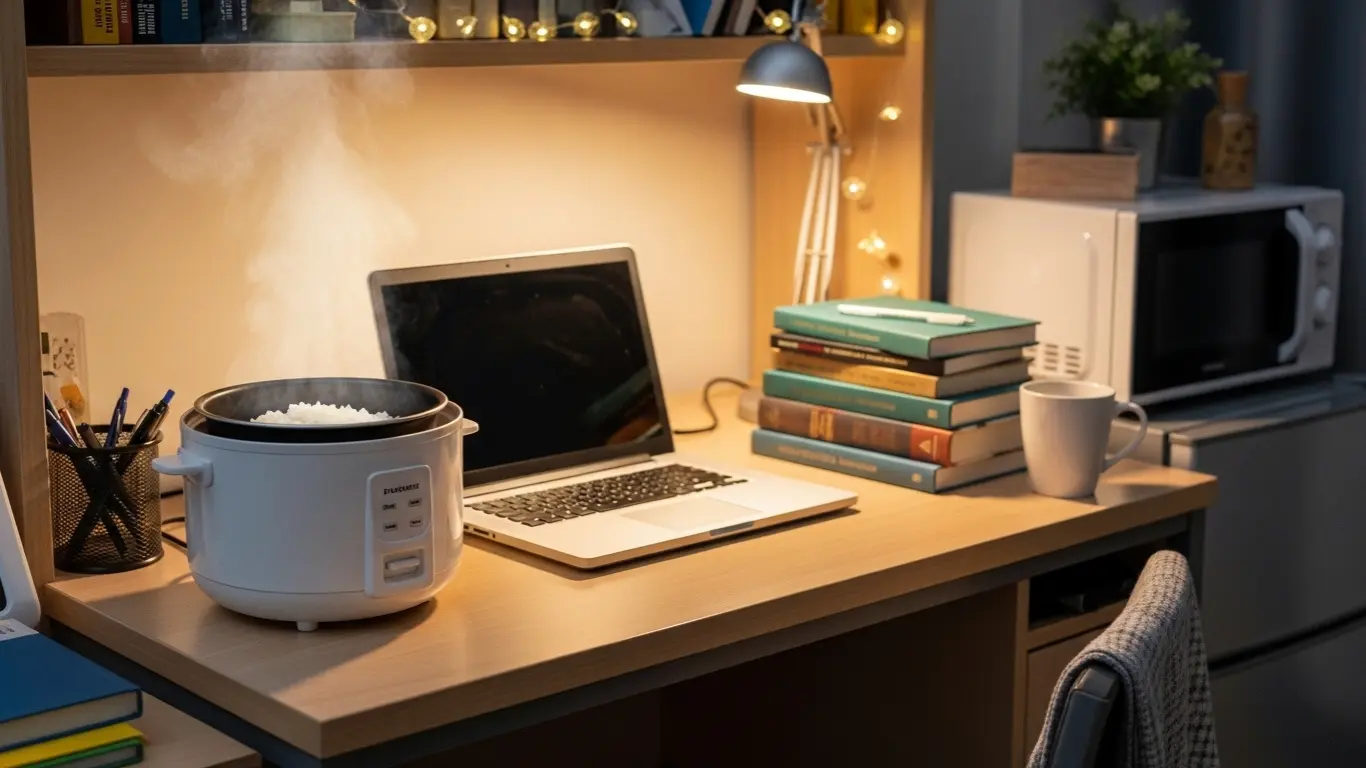
Getting ready for college dorm life can feel like a big puzzle. You want to make your space comfy and make your favorite foods. But then you wonder, are rice cookers allowed in dorms?
It’s a common question, especially for those new to campus living. Many rules can seem tricky. Don’t worry, we’ll make it super simple and clear for you.
We will walk through everything you need to know so you can enjoy a warm bowl of rice. First, let’s look at what makes this question a bit confusing.
Key Takeaways
- You will learn the general rules about bringing rice cookers to dorms.
- Discover why some dorms allow them and others do not.
- Find out what types of rice cookers might be best for dorms.
- Learn how to check your specific dorm’s policies.
- Get tips on using a rice cooker safely in a small space.
- Know what to do if rice cookers are not allowed.
Are Rice Cookers Allowed in Dorms
Understanding Dorm Appliance Rules
College dorms often have rules about appliances. These rules are mostly for safety. Things like open flames or too much power draw can be a fire risk.
Some appliances use a lot of electricity, and dorm wiring might not be set up for many high-power items in one room. This is why many dorms have a list of approved and banned appliances. Knowing these rules helps you avoid trouble and keep everyone safe.
The Common Question Are Rice Cookers Allowed in Dorms
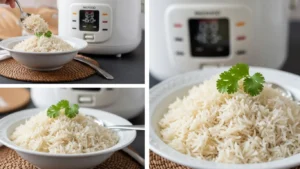
The question, “are rice cookers allowed in dorms” comes up a lot because rice is a popular, easy meal. For students, it’s a way to save money and eat something familiar. Rice cookers are convenient and cook rice perfectly.
But their size and heating element can sometimes be a concern for dorm administrators. They worry about fire hazards and electrical overloads. So, the answer isn’t always a simple yes or no.
It depends on the college and the specific dorm.
Why the Confusion About Rice Cookers
Rice cookers vary a lot. Some are small, single-serving devices. Others are larger, multi-cup models that can cook a lot of rice.
The heating element in a rice cooker can also be a point of concern. Dorms often have strict rules about portable cooking devices. They want to prevent fires and protect the electrical systems.
Because rice cookers fall into this category for some, it creates confusion. You might see conflicting information online or hear different things from different people.
READ MORE: Best Air Fryer for Dorm Room
What Makes a Rice Cooker a Potential Issue
The main issues with rice cookers in dorms are safety related. First, fire safety. Any appliance with a heating element needs careful consideration.
Dorm rooms are usually small, and fire codes are strict. Second, electrical load. If everyone in a dorm has a high-power appliance plugged in, it can strain the building’s electrical system.
This could lead to tripped breakers or even electrical fires. Third, water. Rice cookers use water, and spills can damage property or create electrical hazards.
General Dorm Appliance Policies
Most colleges have a general policy on appliances. Usually, they allow mini-fridges and microwaves, but with specific wattage limits. They often ban things like hot plates, toasters, and electric grills.
Coffee makers and kettles might be allowed, again with wattage limits. The key is to check your college’s official housing or residential life website. They will have a definitive list of what is and isn’t allowed.
Finding Your Dorm’s Specific Rules
The best way to know for sure if are rice cookers allowed in dorms at your school is to check your specific college’s housing guidelines. Look for the residential life handbook or a page dedicated to dorm policies on the college website. These documents clearly list prohibited and permitted appliances.
Sometimes, there’s even a contact person or department you can email with questions.
When Rice Cookers Are Allowed
Some colleges do allow rice cookers in dorms. Often, this is with certain conditions. These conditions usually involve the size and wattage of the rice cooker.
Many colleges permit smaller, low-wattage models. Some might require that the rice cooker has an automatic shut-off feature for safety. You might also be expected to use it only in common areas or with supervision, though this is less common for personal rice cookers.
When Rice Cookers Are Not Allowed
If your dorm does not allow rice cookers, you won’t be able to bring one. This is usually because of fire safety concerns or electrical capacity issues. The college’s housing authority makes these decisions to ensure the safety of all students.
Trying to sneak one in can lead to it being confiscated or disciplinary action.
Types of Rice Cookers to Consider
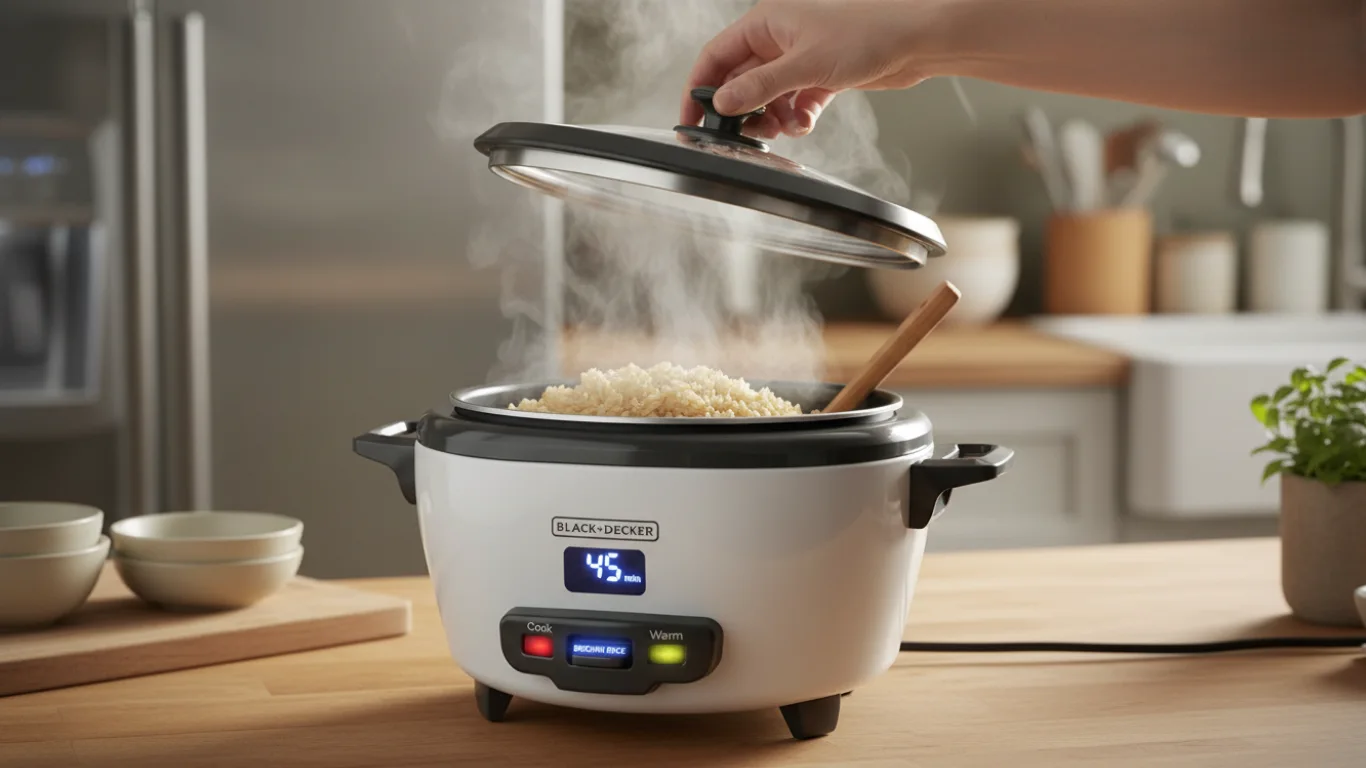
If rice cookers are allowed, consider smaller, energy-efficient models. Look for rice cookers with a low wattage, often under 500 watts. Many compact models are designed for one or two people and have a small footprint, which is ideal for dorm rooms.
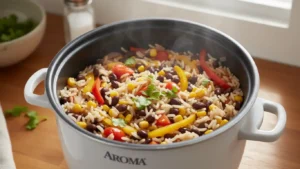
Some advanced rice cookers also have features like steam baskets for cooking vegetables, making them more versatile.
Small Portable Rice Cookers
These are often the best bet for dorms. They cook just enough rice for one or two people. Their size makes them easy to store and use without taking up too much space.
Check the wattage carefully. A 1.5-cup or 3-cup model is usually a good size for personal use.
Multi-Function Cookers
Some rice cookers can also steam food or cook other grains. These can be great for dorm life as they replace multiple appliances. However, make sure they still meet wattage and safety requirements.
The more functions, the more complex they can be, so stick to simple, reliable models.
Alternatives If Rice Cookers Are Banned
If your dorm doesn’t permit rice cookers, don’t fret! There are still ways to enjoy rice. Many dorms allow microwaves.
You can buy microwave-safe rice cooker bowls that let you cook rice right in the microwave. They work by steaming the rice. It’s a simple process and a good workaround.
You can also explore other easy dorm-friendly meals that don’t require special appliances.
Microwave Rice Cookers
These are specifically designed for microwave use. You add rice, water, and cook it for a few minutes in your microwave. They are affordable, easy to use, and fit most dorm rules.
They are a fantastic alternative for getting your rice fix safely.
Pre-Cooked Rice Options
Another easy option is to buy pre-cooked or instant rice. Many brands offer rice pouches that you can heat up in the microwave or even eat cold. While not the same as freshly cooked rice, they are a convenient solution when you can’t use a rice cooker.
Safe Usage in Dorm Rooms
If you are fortunate enough to have a rice cooker in your dorm, safety is key. Always place the rice cooker on a stable, heat-resistant surface. Never leave it unattended while it’s cooking.
Ensure the power cord is not frayed or damaged. Keep it away from curtains or other flammable materials. Clean it regularly to prevent build-up that could cause issues.
Electrical Safety
Always plug your rice cooker directly into a wall outlet. Avoid using extension cords or power strips if possible, as they can sometimes be a fire hazard or not handle the appliance’s power draw. If you must use a power strip, make sure it’s a heavy-duty one designed for appliances.
Ventilation
Rice cookers produce steam. Make sure the area around the rice cooker is well-ventilated. Avoid cooking when there’s poor airflow in the room.
This helps prevent moisture buildup and ensures the appliance functions properly.
Checking Your Roommate Agreement
Sometimes, even if the dorm allows rice cookers, your roommate might have concerns. Talk to your roommate before bringing one. Discuss where it will be stored, used, and cleaned.
A good roommate agreement can prevent conflicts and ensure a peaceful living situation for everyone.
The Role of Wattage
Wattage is a critical factor. Colleges often set a maximum wattage for appliances. A standard rice cooker might range from 300 to 800 watts.
If your dorm has a 500-watt limit for personal appliances, a larger rice cooker won’t be permitted. Always check the wattage on the appliance’s tag and compare it to your dorm’s regulations.
What to Do If It’s Prohibited
If your dorm strictly prohibits rice cookers, respect the rules. You might be able to use a rice cooker in a communal kitchen if your dorm has one. Some colleges have designated cooking areas.
If not, rely on microwaveable options or other simple cooking methods. It’s better to follow the rules than to face consequences.
The Bottom Line for Dorm Life
Ultimately, the question “are rice cookers allowed in dorms” depends on your specific college. The most important step is always to consult your residential life office or housing handbook. They have the official policies that govern dorm living.
Being informed and following these guidelines will make your dorm experience smoother and safer. You can still enjoy delicious, home-cooked meals with a little planning and knowledge.
Frequently Asked Questions
Question: Can I bring any rice cooker to my dorm
Answer: Not all rice cookers are allowed. Colleges usually have specific rules about wattage, size, and safety features. Always check your dorm’s official appliance policy first.
Question: What if my dorm does not allow rice cookers
Answer: If rice cookers are banned, look for alternatives like microwave rice cooker bowls. These work by steaming rice in a microwave and are generally permitted.
Question: How do I find out if rice cookers are allowed in my dorm
Answer: Check your college’s residential life or housing website. They will have a handbook or list of approved and prohibited appliances.
Question: Are small rice cookers okay for dorms
Answer: Small, low-wattage rice cookers are more likely to be allowed. Look for models with a wattage that meets your dorm’s electrical limits.
Question: What are the main safety concerns with rice cookers in dorms
Answer: The main concerns are fire hazards due to the heating element and potential electrical overloads from high-wattage appliances.
Final Thoughts
Deciding if are rice cookers allowed in dorms is about checking rules. Your college housing handbook has the answers. Safety is the main reason for these rules.
If allowed, pick a small, low-wattage model. If not, microwave rice cookers are a great backup. This ensures you can enjoy rice without breaking rules.

I’m Loretta Evans, and I lead the Rice Cooker and Kitchen Tools section. I test every product in real home kitchens to see how it truly performs in everyday use.
My goal is simple: to give you clear, honest advice so you can choose reliable tools that make cooking easier.