So, you’re making rice and notice your rice cooker is bubbling. You might wonder, are rice cookers supposed to bubble? It’s a common question, especially when you’re new to using one.
It can seem a little strange, but don’t worry! Most of the time, bubbling is perfectly normal. We’ll walk you through exactly why this happens and what it means for your rice.
Get ready for simple steps and perfect rice every time.
Key Takeaways
- Bubbling in a rice cooker is usually a sign it’s working correctly.
- Steam and boiling water create the bubbling sound and action.
- The amount of bubbling can depend on the type of rice and the cooker.
- Excessive bubbling might sometimes mean too much water or a dirty cooker.
- Knowing what normal bubbling looks like helps you make perfect rice.
Why Your Rice Cooker Bubbles
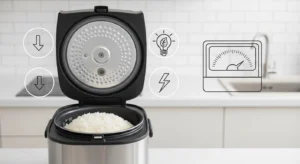
Many people hear sounds coming from their rice cooker and wonder, are rice cookers supposed to bubble? The answer is a resounding yes, most of the time. This bubbling is a normal part of the cooking process.
It’s all about the water turning into steam and cooking your rice.
The Science of Rice Cooking Bubbles
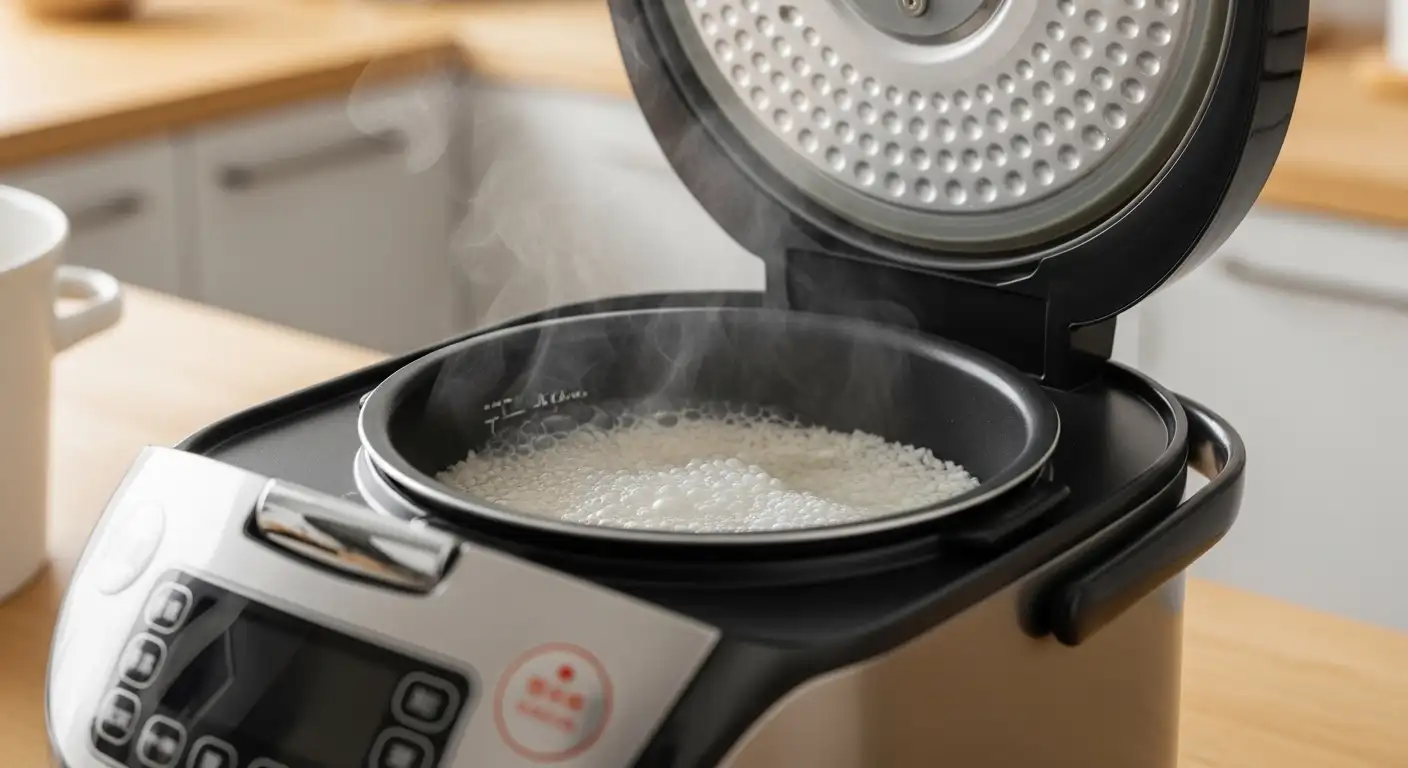
When you turn on your rice cooker, it heats up the water at the bottom. As the water gets hotter, it starts to boil. Boiling water creates tiny bubbles of steam.
These steam bubbles rise up through the rice and water mixture. This is what you hear and sometimes see as bubbling. This steam is what actually cooks the rice grains.
Different types of rice absorb water at different rates. Some rice, like white rice, cooks faster and might have a more vigorous bubble at first. Other types, like brown rice or wild rice, need more water and take longer to cook.
This can affect how much bubbling you notice and for how long.
The design of your rice cooker also plays a role. Most modern rice cookers are designed to contain this steam and bubbling effectively. They have lids and vents that manage the steam.
This helps cook the rice evenly without making a mess.
What’s Happening Inside
Inside, the cooker is basically creating a humid, hot environment. The rice grains soak up this hot water and steam. This causes them to swell and soften.
The bubbling ensures that the heat and moisture are distributed evenly throughout the pot. This leads to perfectly cooked, fluffy rice instead of dry or mushy grains.
Signs of Normal Bubbling
So, if you’re asking, are rice cookers supposed to bubble, and you hear a gentle, consistent sound, that’s good! Normal bubbling often sounds like a low simmer. You might also see small wisps of steam coming from the vent on the lid.
The intensity of the bubbling usually changes as the rice cooks. It’s often more active at the beginning when there’s more water to boil. As the rice absorbs water and the water level lowers, the bubbling might become less intense.
Eventually, as the rice finishes cooking, the bubbling will stop.
The color of the bubbles and the liquid is also important. Normal bubbles will be clear or slightly cloudy if starch from the rice has dissolved. The liquid should also be clear or slightly milky white.
When Bubbling Might Be a Concern
While bubbling is normal, sometimes it can be a sign that something isn’t quite right. If your rice cooker is bubbling a lot and water is spilling out of the lid or vent, that’s usually too much. This can happen for a few reasons.
Too Much Water
The most common reason for excessive bubbling and overflow is using too much water. Rice cookers have specific fill lines for a reason. If you add more water than recommended for the amount of rice you’re using, the water level will be too high.
This means there’s more liquid to boil, leading to more steam and overflow.
Always measure your rice and water carefully. Use the measuring cup that came with your rice cooker or a standard measuring cup. The markings inside the cooker bowl are also very helpful.
They tell you the correct water level for different types and amounts of rice.
Dirty Cooker or Lid
If your rice cooker or its lid isn’t clean, it can also cause issues. Food particles or residue can clog the steam vent. When the vent is blocked, steam can’t escape properly.
This can cause pressure to build up, leading to more forceful bubbling and potential overflow.
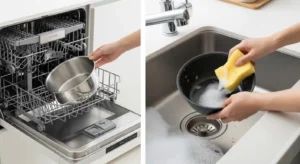
Make sure to clean your rice cooker after every use. Wash the inner pot and the lid. If your lid has removable parts, like a condensation collector, clean those too.
A clean cooker works more efficiently and safely.
Type of Rice Used
Some types of rice are more prone to foaming or bubbling than others. For example, certain types of arborio rice or rice for congee can produce more foam. If you’re cooking these, you might notice more bubbling.
Some people add a tiny bit of oil or a few drops of lemon juice to help reduce foaming with these types of rice. However, always check your rice cooker’s manual to see if this is recommended or if it could affect the cooker’s performance.
The Cooker’s Heating Element
In some cases, if the heating element in the rice cooker is uneven, it might cause localized boiling. This can sometimes lead to more noticeable bubbling in one area. However, this is less common with modern, well-maintained rice cookers.
How to Ensure Optimal Bubbling
To make sure your rice cooker bubbles just right and you get perfect rice, follow these simple tips.
Measure Accurately
This is the most important step. Always use the recommended water-to-rice ratio. If you’re unsure, start with the ratio suggested in your rice cooker’s manual or on the rice package.
A common starting point for white rice is a 1:1.5 or 1:2 ratio of rice to water, by volume. For example, one cup of rice to one and a half or two cups of water.
Rinse Your Rice
Rinsing rice before cooking removes excess starch from the surface of the grains. This can help reduce foaming and prevent the water from becoming too cloudy. It also helps produce fluffier rice.
To rinse rice, place it in a fine-mesh sieve. Run cold water over it, gently swishing the rice with your hand. Continue until the water runs mostly clear.
Drain well before adding it to the rice cooker.
Use the Right Inner Pot
Always use the inner pot that came with your rice cooker. These pots are designed to work with the cooker’s heating element and sensors. Using a different pot might not heat evenly, which could affect cooking and bubbling.
Keep the Steam Vent Clear
As mentioned earlier, a clear steam vent is crucial. Make sure there are no food particles or residue blocking it. Regularly check and clean the vent according to your cooker’s instructions.
Listen and Observe
Get to know your rice cooker. Pay attention to the sounds it makes and the amount of steam it releases. This will help you recognize normal operation versus anything that seems unusual.
If you notice significant changes in the bubbling pattern or hear new, loud noises, it might be worth checking the manual or contacting the manufacturer.
Troubleshooting Common Bubbling Issues
Here are some quick solutions for common bubbling problems.
Issue: Water is overflowing from the lid.
Solution: You’ve likely used too much water. Reduce the amount of water for your next batch. Also, ensure the steam vent is clear.
Issue: The bubbling sounds very loud or violent.
Solution: This could be too much water or the wrong rice type. Try reducing the water. If using rice prone to foaming, consider adding a tiny drop of oil (if your manual allows).
Issue: There’s no bubbling at all.
Solution: This is less common. Ensure the cooker is plugged in and turned on correctly. Check if the heating element is functioning.
If not, there might be a technical issue with the cooker.
Issue: The rice is not cooked properly, but the cooker bubbled.
Solution: This usually points to an incorrect water-to-rice ratio. Make sure you’re using the right measurements. Also, confirm the cooker is set to the correct cooking mode for your rice type.
Types of Rice and Their Bubbling Tendencies
Different grains behave differently in the rice cooker, affecting the bubbling.
White Rice
White rice is milled, meaning the bran and germ are removed. This makes it cook faster and absorb water efficiently. You’ll typically see moderate bubbling with white rice, which decreases as it cooks.
Brown Rice
Brown rice is a whole grain, containing bran, germ, and endosperm. It has more fiber and takes longer to cook. Brown rice often requires more water and can have a more sustained bubbling period than white rice.
Sushi Rice
Sushi rice is a short-grain white rice. It’s known for its sticky texture when cooked. The bubbling is usually moderate and consistent, helping to release its starches for that characteristic stickiness.
Jasmine and Basmati Rice
These are long-grain aromatic rice varieties. They cook up fluffy and separate. Their bubbling is generally similar to other white rice types, moderate and active at the start, then quieting down.
Wild Rice
Wild rice is technically a grass seed, not a true rice. It has a chewy texture and takes a long time to cook. It requires more water and can exhibit a longer, more consistent bubbling phase to ensure it softens properly.
Congee or Rice Porridge
When making congee, rice is cooked with a very high ratio of water to create a thick porridge. This process involves a lot of boiling and bubbling for an extended period to break down the rice grains.
Frequently Asked Questions
Question: Is it bad if my rice cooker bubbles a lot?
Answer: A little bubbling is normal. Too much bubbling that causes water to spill out might mean too much water was used or the steam vent is blocked.
Question: Can I open the lid while my rice cooker is bubbling?
Answer: It’s best not to open the lid while the rice is cooking, especially during active bubbling. Opening the lid releases steam and heat, which can affect the cooking time and texture of the rice.
Question: Does the sound of bubbling mean the rice is cooking well?
Answer: Generally, yes. The bubbling sound is a sign that the water is boiling and creating steam, which is essential for cooking rice. A consistent bubbling sound indicates the cooker is working as intended.
Question: Why does my rice cooker sometimes make a whistling sound instead of bubbling?
Answer: A whistling sound often means steam is escaping through the vent. This is also a normal part of the rice cooking process, indicating pressure is building and releasing.
Question: Are all rice cookers supposed to bubble?
Answer: Yes, all rice cookers that use water to cook rice will have some form of boiling and bubbling as part of the heating and steaming process. The intensity and sound can vary by model and rice type.
Final Thoughts
So, are rice cookers supposed to bubble? Absolutely. That gentle simmering sound and the steam escaping are signs your cooker is doing its job.
It means the water is boiling and turning into the steam that perfectly cooks your rice. Just remember to use the right amount of water and keep the vent clean. You’ll get delicious, fluffy rice every single time.
Enjoy your perfectly cooked rice!

Hi, I’m Raju Dey — a food lover with a degree in Culinary Arts from El Centro College. I’ve spent 4+ years testing air fryers, blenders, and other kitchen tools in real home kitchens. At KitchenWink.com, I share honest tips and reviews to help you cook smarter. My goal is to give you advice you can trust — based on hands-on experience, not hype.