Silicone baking sheets have become a staple in many kitchens, thanks to their non-stick surface and easy cleaning. But as more people use them for baking cookies, roasting vegetables, or making pizza, a big question comes up: Are silicone baking sheets safe? With social media rumors and mixed opinions, it’s easy to feel unsure.
This article will help you understand what silicone baking sheets are, how they compare with other baking surfaces, and what science says about their safety. Whether you’re a home baker or someone who just wants healthier cooking tools, you’ll find clear answers and practical advice here.
What Are Silicone Baking Sheets?
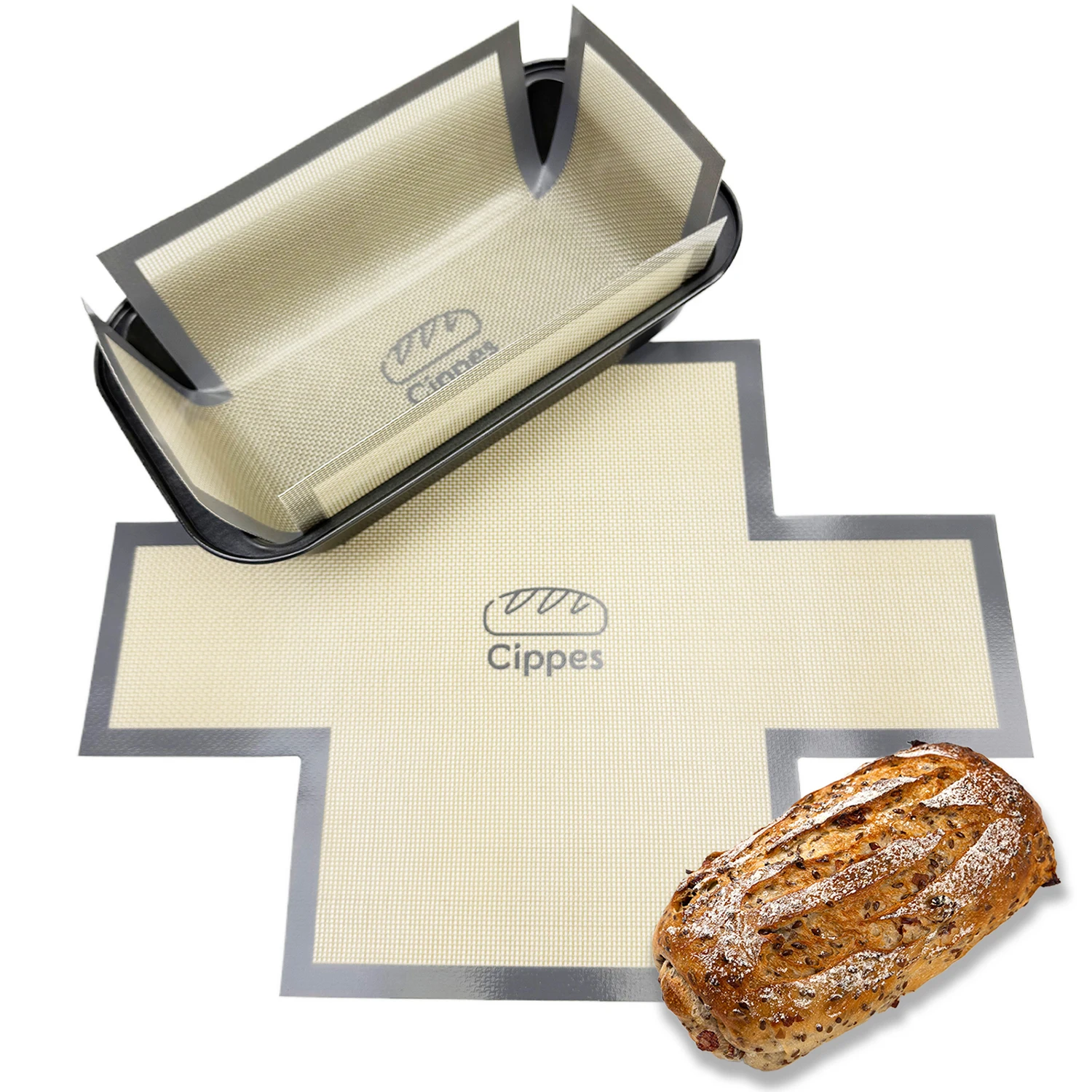
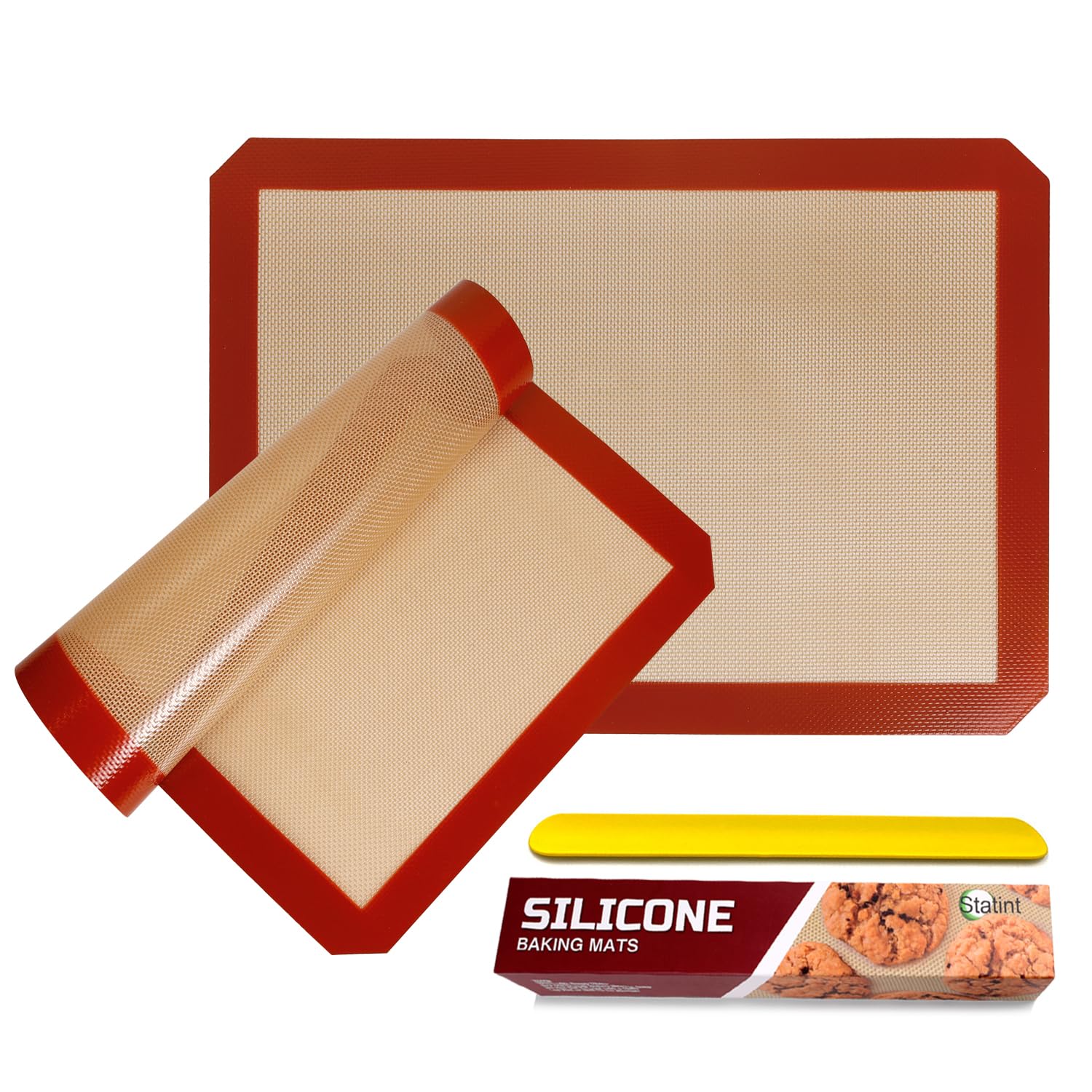
Silicone baking sheets are thin, flexible mats made from food-grade silicone. They’re designed to replace parchment paper or aluminum foil. Usually, they’re used for baking, roasting, and even freezing foods. Most silicone baking sheets are reinforced with fiberglass mesh, which makes them strong and helps heat spread evenly. The best-known brand is Silpat, but many other brands exist.
Key Features
- Non-stick surface: Food does not stick, so you don’t need extra oil or butter.
- Reusable: Unlike parchment paper, you can use them hundreds of times.
- Heat resistant: Most can handle temperatures from -40°F to 480°F.
- Easy to clean: They wash quickly, even by hand.
- Flexible: You can bend or fold them without breaking.
Common Uses
People use silicone baking sheets for:
- Baking cookies, cakes, and breads
- Roasting vegetables or meats
- Making pizza or pastry
- Freezing foods or candies
How Silicone Is Made And Why It Matters
Understanding the material helps answer the safety question. Silicone is a synthetic polymer made from silicon (a natural element), oxygen, and sometimes carbon and hydrogen. It is different from plastic because it resists heat and does not melt or burn easily. Food-grade silicone must meet standards set by the FDA (Food and Drug Administration) or similar agencies.
Food-grade Silicone Vs. Other Types
Not all silicone is equal. Food-grade silicone is specially made to be safe for use with food. It should:
- Contain no fillers or toxic additives
- Pass strict safety tests
- Stay stable at baking temperatures
Lower quality silicone may include cheap fillers. These fillers can make the sheet lose shape, become sticky, or even release unsafe chemicals when heated. To avoid this, buy sheets from trusted brands and check for certifications like FDA approval or LFGB (German food safety standard).

Credit: www.saveur.com
Safety Concerns: What Does Science Say?
Many people worry about whether silicone baking sheets release chemicals, change food taste, or pose health risks. Let’s look at what the research and experts say.
Heat Resistance And Stability
Most food-grade silicone baking sheets can withstand temperatures up to 480°F (250°C). This covers almost all home baking. Studies show that silicone stays stable at these temperatures. It does not melt, burn, or break down into harmful chemicals.
Chemical Leaching
Some fear that silicone might leach chemicals into food, especially when heated. Research shows that food-grade silicone is very inert—it doesn’t react with food or release dangerous substances under normal baking conditions. According to the FDA, properly made silicone baking tools are safe for repeated use.
However, at extremely high temperatures (above 500°F), silicone can begin to break down. This is why you should always follow the manufacturer’s recommended temperature limits.
Odor And Taste Changes
Sometimes new silicone sheets give off a slight smell when first used. This is usually from leftover manufacturing residue and disappears after the first few uses. It’s rare for silicone to change food taste, but if you notice lingering smells, wash the sheet thoroughly and bake it empty for 10–15 minutes.
Allergies And Toxicity
Silicone is hypoallergenic and does not cause allergic reactions. It is free from BPA and phthalates—chemicals often found in plastics that can disrupt hormones.
Comparing Silicone Baking Sheets With Other Baking Surfaces
Silicone isn’t the only option for lining baking trays. How does it compare to parchment paper, aluminum foil, and traditional non-stick pans? Here’s a quick look.
| Feature | Silicone Baking Sheet | Parchment Paper | Aluminum Foil | Non-stick Pan |
|---|---|---|---|---|
| Reusable | Yes | No | No | Yes |
| Non-stick | Excellent | Good | Poor | Varies |
| Maximum Temperature | 480°F | 420°F | Up to 650°F | Depends on coating |
| Potential Health Risks | Low (if food-grade) | Low | Possible aluminum leaching | Possible PTFE/PFOA exposure |
| Ease of Cleaning | Easy | Disposable | Disposable | Moderate |
| Environmental Impact | Low (reusable) | Moderate (single use) | High (single use) | Depends on material |
This comparison shows why silicone baking sheets are popular. They are non-stick, reusable, and have fewer health risks compared to some alternatives.
Practical Safety Tips For Using Silicone Baking Sheets
Even though silicone is safe, how you use and care for it matters. Here are practical tips to help you get the best results and avoid problems.
1. Buy Quality Products
Choose food-grade silicone sheets from trusted brands. Look for FDA or LFGB certification. Avoid cheap, unbranded sheets with strange smells, colors, or textures.
2. Follow Temperature Limits
Never use silicone baking sheets above the recommended temperature (usually 480°F). High heat can damage the sheet and affect safety.
3. Avoid Sharp Tools
Do not cut or slice directly on the silicone mat. Sharp objects can damage the surface and expose the fiberglass mesh inside.
4. Wash Properly
Wash silicone baking sheets with warm, soapy water. Dry them completely before storing. Avoid harsh scrubbing, which can scratch the surface.
5. Store Flat Or Rolled
Store your silicone sheet flat or gently rolled. Folding can cause cracks over time.
6. Watch For Wear And Tear
If your silicone sheet becomes sticky, stained, or starts losing shape, it may be time to replace it. Old, damaged sheets can trap bacteria or lose their non-stick abilities.
7. Avoid Direct Flame
Never use silicone sheets on a grill or under a broiler. Direct flame or extreme heat can damage the sheet and make it unsafe.
Real-world Examples And User Experiences
Many home bakers and chefs use silicone baking sheets every day. Their experiences can help you understand the practical side of safety.
Positive Experiences
- Ease of use: Bakers love that cookies slide off easily. No scraping or sticking.
- Reusable: Families report using one sheet for years without problems.
- Less oil: People notice they use less butter or oil, making recipes healthier.
Common Issues
- Lingering smell: Some users report a faint odor after baking. Usually, this fades with washing and regular use.
- Staining: Tomato sauce, oil, or chocolate can leave marks. These stains don’t affect safety but may look unattractive.
- Warping: Over time, some mats lose their flat shape. This can affect baking results but not necessarily safety.
Two Non-obvious Insights
- Fiberglass mesh inside the silicone is safe as long as the silicone layer is intact. If the mesh is exposed, stop using the sheet.
- Dishwasher cleaning can speed up wear. Hand washing with gentle soap prolongs the mat’s life and keeps it safer.
Environmental Impact: Is Silicone Better?
Many people switch to silicone baking sheets to reduce waste. Parchment paper and foil are single-use items, which adds to landfill. Silicone mats last for years, cutting down on trash.
Sustainability Data
- One silicone baking sheet can replace over 500 sheets of parchment paper.
- If cared for properly, a silicone mat can last 2–5 years.
- At end of life, silicone is not biodegradable, but it can be recycled in special facilities.
Comparison With Other Materials
| Material | Reusable? | Biodegradable? | Recyclable? | Waste Reduction |
|---|---|---|---|---|
| Silicone | Yes | No | Yes (special) | High |
| Parchment Paper | No | Yes | No | Low |
| Aluminum Foil | No | No | Yes | Moderate |
Practical Advice
If you want to cut down on kitchen waste, silicone baking sheets are a smart choice. Just remember: recycling silicone takes special facilities. Check your local recycling options before throwing old mats away.
Health And Nutrition Benefits
Using silicone baking sheets can help you cook healthier. Here’s how:
- Less oil needed: The non-stick surface means you can bake without adding extra fat.
- No chemical sprays: You don’t need non-stick sprays, which sometimes have artificial ingredients.
- Even cooking: Silicone mats help heat spread evenly, reducing burnt spots and uneven cooking.
Some nutrition experts say that switching to silicone mats is a simple way to lower calories and avoid unwanted chemicals.
Credit: theschaefergroup.com
Common Myths And Misconceptions
There are several myths about silicone baking sheets. Let’s clear up the facts.
Myth 1: Silicone Is Just Plastic
Silicone is not plastic. It’s a unique material made from silicon, not petroleum. It resists heat and does not break down like plastic.
Myth 2: Silicone Always Leaches Chemicals
Food-grade silicone is very stable and does not leach chemicals at baking temperatures. Cheap, low-quality silicone may have fillers, so buy certified products.
Myth 3: Silicone Mats Change Food Taste
Most users find no difference in taste. If you smell anything, wash the mat and bake it empty once.
Myth 4: Silicone Baking Sheets Can Be Used Anywhere
Silicone mats are safe in ovens and freezers, but not on grills, under broilers, or with direct heat.
Myth 5: All Silicone Is Food Safe
Only food-grade silicone is safe for cooking. Industrial silicone is not for food use.
What To Look For When Buying A Silicone Baking Sheet
Choosing the right silicone baking sheet helps ensure safety and performance. Here’s what matters most:
- Certification: Look for FDA or LFGB approval. This means the sheet meets strict safety standards.
- Brand reputation: Trusted brands like Silpat, Amazon Basics, and KitchenAid often have better quality control.
- Thickness and size: Thicker mats last longer and resist warping. Choose the size that fits your baking tray.
- Color and smell: Avoid mats with strong colors or smells; these may have unwanted additives.
- Price: Cheap mats can be tempting, but they may use fillers or low-quality silicone.
Credit: www.amazon.com
Cleaning And Maintenance Tips
Proper care keeps your silicone baking sheet safe and working well.
- Hand wash with mild soap and warm water. Avoid abrasive cleaners.
- Dry completely before storing to prevent mold.
- Avoid folding; store flat or rolled.
- Remove stains by baking the mat empty at 350°F for 10 minutes, then washing again.
- Inspect regularly for cracks, stickiness, or exposed mesh.
Scientific Studies And Regulatory Approvals
Several studies and official agencies have tested silicone for safety.
- The FDA has approved food-grade silicone for baking, cooking, and storage.
- The LFGB certification (Germany) is even stricter than the FDA, checking for chemical migration and toxic residues.
- Studies published in journals like Food Additives & Contaminants confirm that silicone mats do not leach chemicals at baking temperatures.
For more details, see the official FDA safety guidelines at FDA Food Contact Substances.
Frequently Asked Questions
Is It Safe To Use Silicone Baking Sheets At High Temperatures?
Yes, silicone baking sheets are safe up to about 480°F. Always check the manufacturer’s limit. Avoid using them under broilers or on grills.
Can Silicone Baking Sheets Cause Allergic Reactions?
No. Silicone is hypoallergenic and does not cause allergies. It contains no BPA, phthalates, or latex.
How Can I Tell If My Silicone Sheet Is Food-grade?
Look for FDA or LFGB certification. Trusted brands clearly mark their products. Avoid mats with strange smells, colors, or textures.
Do Silicone Baking Sheets Wear Out Over Time?
Yes. After years of use, mats may become sticky, stained, or lose shape. Replace them if the fiberglass mesh is exposed or the surface is damaged.
Are Silicone Baking Sheets Environmentally Friendly?
They are reusable, which cuts down on waste compared to parchment paper or foil. Silicone is not biodegradable but can be recycled at special facilities.
Final Thoughts
Silicone baking sheets are a safe, practical, and sustainable choice for most kitchens. Food-grade silicone is stable at baking temperatures, does not leach chemicals, and makes cooking easier and healthier. As with any kitchen tool, quality matters—choose certified products and care for them properly.
If you follow manufacturer guidelines and basic safety tips, silicone baking sheets offer years of reliable, safe use. For anyone wanting to bake with less waste and fewer chemicals, they are a smart investment.