A modern kitchen is not just about style; it’s about making life easier, cleaner, and more enjoyable. One simple choice can make a big difference: the kitchen sink. While there are many materials available, stainless steel kitchen sinks stand out for their mix of style, practicality, and long-term value. Whether you are remodeling your kitchen or building a new home, understanding the real benefits of stainless steel sinks can help you make a confident decision.
Durability And Longevity
The main reason many people choose stainless steel sinks is their impressive durability. Stainless steel is tough. It can handle heavy pots, sharp utensils, and daily use without cracking or chipping. Unlike ceramic or stone sinks, stainless steel is resistant to impact. Even if you drop a pan, the sink usually stays fine. Over time, this means fewer repairs or replacements.
Stainless steel also resists corrosion. This is important because sinks are always exposed to water, soap, and cleaning chemicals. Good quality stainless steel (like 18/8 or 304 grade) contains chromium and nickel, which form a protective layer. This keeps rust and stains away, even in humid kitchens.
A study by the International Stainless Steel Forum shows that stainless steel products can last over 30 years with regular care. This long lifespan makes them a smart investment.
Easy To Clean And Hygienic
Cleanliness is critical in the kitchen. Stainless steel sinks are non-porous. That means they do not absorb water or germs. Bacteria, mold, and odors cannot hide in cracks or pores because there are none.
Cleaning a stainless steel sink is simple. Most of the time, you just need mild soap, water, and a soft cloth. For tough stains, a little baking soda does the job. Unlike some materials, you do not need special cleaners or sealants.
This easy maintenance supports good kitchen hygiene. According to the National Sanitation Foundation, stainless steel is one of the safest surfaces for food preparation. It is used in hospitals and restaurants for this reason.
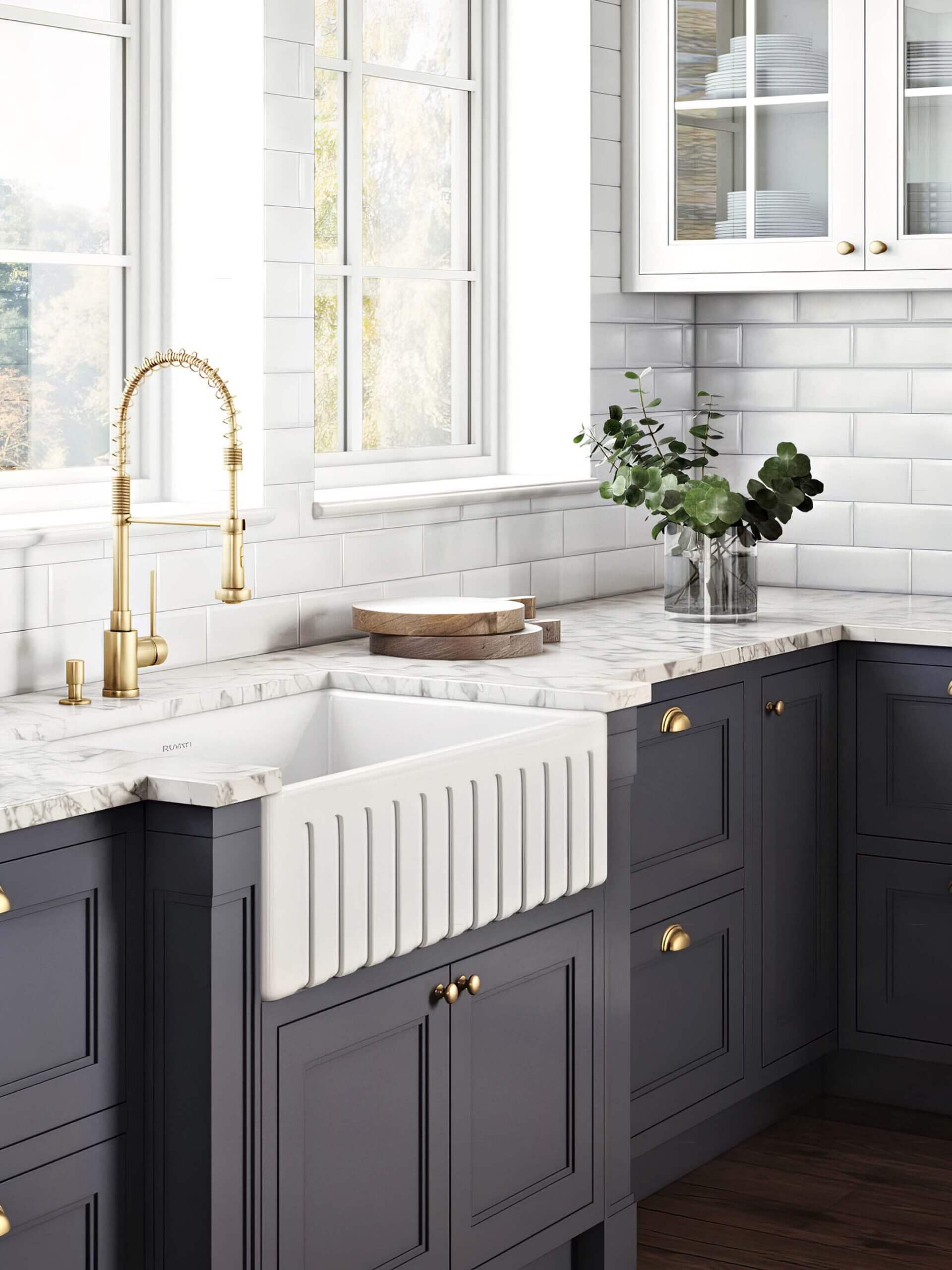
Credit: www.ruvati.com
Affordable And Cost-effective
Many homeowners are surprised to learn that stainless steel sinks are not only durable but also affordable. They usually cost less than granite, quartz, or fireclay sinks. The price can range from $60 for basic models to $500+ for premium designs.
But price is only part of the story. Stainless steel’s long life means you will not need to replace it often. It also requires less expensive maintenance. No need for resealing, repainting, or special repairs. Over ten or twenty years, the savings add up.
Here is a quick comparison of average sink prices:
| Sink Material | Average Cost (USD) | Maintenance Needs |
|---|---|---|
| Stainless Steel | $100 – $500 | Low |
| Granite Composite | $300 – $700 | Medium |
| Porcelain/Ceramic | $150 – $600 | Medium-High |
| Cast Iron | $200 – $800 | High |
Versatile Design Options
Stainless steel sinks come in many shapes, sizes, and finishes. Whether you want a single bowl, double bowl, or extra-deep basin, there is an option for every kitchen.
You can choose between top-mount, under-mount, and even farmhouse styles. Brushed, matte, or polished finishes are available to match your countertop and appliances. Some models even have built-in accessories like cutting boards or drying racks.
This variety makes stainless steel a flexible choice, whether you have a small apartment kitchen or a large family space. It fits both classic and modern designs.
Lightweight And Easy To Install
Compared to stone or cast iron sinks, stainless steel is much lighter. This makes it easier and safer to install. You do not need to reinforce your cabinets or countertops, which is sometimes required for heavy sinks.
A lighter sink also means lower shipping costs and simpler DIY installation if you want to save money. Most plumbers are familiar with stainless steel, so you will not have trouble finding someone to do the job.
Resistance To Heat And Stains
One of the most practical benefits is heat resistance. Stainless steel sinks can handle hot pots, boiling water, and even splashes of oil without damage. While some materials can crack or discolor, stainless steel holds up well in busy kitchens.
Stains are also less of a worry. Foods like coffee, wine, or tomato sauce may discolor other sinks, but stainless steel is easy to wipe clean. Even if you leave a mess overnight, a quick wash usually removes any marks.
Environmentally Friendly Choice
If you care about the environment, stainless steel is a smart pick. Most stainless steel sinks are made with 60-70% recycled material. When you replace your sink, the old one can be recycled again. This reduces waste and supports a circular economy.
Unlike plastic or composite sinks, stainless steel does not release harmful chemicals into your water or food. It is a safe, non-toxic material that meets strict health standards.
Sound Dampening And Quiet Use
Some people worry that stainless steel sinks are noisy. In the past, this was true. Today, most good sinks come with sound-deadening pads or undercoating. These features reduce noise from running water, dishes, or garbage disposals.
If you want a quiet kitchen, look for sinks with extra insulation. Thicker steel (like 16-gauge) also helps block sound. This is an important detail that many buyers miss.
Scratch And Dent Resistance
While no sink is completely scratch-proof, stainless steel is better than most. Brushed finishes hide minor scratches, and regular cleaning keeps the surface looking new. Small dents are rare, especially with thicker models.
If your sink does get scratched, these marks often blend in over time. Some owners use a stainless steel polish to restore the shine. This is easier than fixing chips or cracks in other materials.
Increased Home Value
A quality kitchen sink can actually boost your home’s value. Real estate agents notice that buyers look for modern, practical kitchens. Stainless steel sinks are a sign of good taste and smart planning.
Because they are so popular, stainless steel sinks make your home more attractive to future buyers. They also match most appliances, which is a plus for resale.

Credit: www.houzersink.com
Good For All Water Types
Some sink materials react badly to hard water or acidic water. Not stainless steel. It stays strong and clean, even if your water has minerals or a high pH.
If you live in an area with tough water, stainless steel is a worry-free choice. You do not need to buy special cleaners or filters to protect your sink.
Easy To Repair And Maintain
Accidents happen, but repairs are simple with stainless steel sinks. Small scratches can be buffed out. Dents are rare, but professionals can fix them if needed. You do not have to replace the entire sink for minor problems.
For maintenance, just avoid steel wool or harsh chemicals. Stick to soft sponges and gentle cleaners. This simple routine keeps your sink shining for years.
Resists Fading And Discoloration
Some sinks lose their color or develop stains over time. Stainless steel keeps its original look. Sunlight, cleaning agents, or food spills do not fade the surface. Even after years of use, it stays bright and attractive.
Safety And Health
Stainless steel is used in hospitals for a reason: it is safe and hygienic. It does not react with acidic foods or cleaning products. You will not see chips, flakes, or chemical leaching into your water. This makes it a safe option for families, especially with kids.
Multiple Bowl And Custom Options
If you need more space or special features, stainless steel sinks can be customized. You can choose double or triple bowls, integrated drainboards, or extra-deep basins. This flexibility is hard to find in other materials.
Here’s a look at common sink configurations:
| Sink Type | Description | Best For |
|---|---|---|
| Single Bowl | One large basin | Small kitchens, big pots |
| Double Bowl | Two equal or split bowls | Washing + rinsing, multitasking |
| Triple Bowl | Three sections, often with a small center bowl | Large families, heavy use |
Resistant To Chemicals
Cleaning products, lemon juice, and vinegar are common in kitchens. Stainless steel does not react or get damaged by most chemicals. This is important for people who clean often or cook with acidic foods.
Credit: www.work-tops.com
Sleek, Modern Look
Finally, there’s style. Stainless steel sinks fit both old and new kitchens. Their shiny, neutral look matches any countertop or cabinet color. If you want a timeless kitchen, stainless steel is a safe bet.
Two Non-obvious Insights
Many buyers overlook two key details:
- Gauge matters: Thicker steel (lower gauge number, like 16-gauge) is quieter, resists dents, and feels more solid. Thin, cheap sinks (like 22-gauge) are louder and more likely to bend.
- Corners and edges: Sinks with rounded corners are much easier to clean. Sharp corners look modern but collect dirt and are harder to wipe down. Always check the design before buying.
Practical Tips For Buying
- Choose at least 18-gauge steel for a balance of strength and price.
- Look for sinks with undercoating or sound pads for a quieter kitchen.
- Consider your needs: A single bowl is best for large pots, while double bowls help with multitasking.
- Pay attention to the finish. Brushed or matte finishes hide scratches better than polished ones.
Frequently Asked Questions
What Is The Best Gauge For A Stainless Steel Kitchen Sink?
For most homes, 16 or 18-gauge stainless steel is best. It is thick enough to resist dents and feels solid, but not so heavy that installation is difficult.
Do Stainless Steel Sinks Rust Or Stain?
High-quality stainless steel does not rust or stain under normal use. If you see rust, it’s usually from iron particles or cheap steel. Clean with baking soda and water to remove marks.
How Do I Keep My Stainless Steel Sink Shiny?
Wash with mild soap and water, rinse well, and dry with a soft cloth. For extra shine, use a small amount of olive oil or a stainless steel cleaner. Avoid steel wool, which can scratch the surface.
Are Stainless Steel Sinks Noisy?
Older models could be loud, but modern sinks usually have sound-deadening pads or coatings. Thicker steel also helps reduce noise.
Are Stainless Steel Sinks Environmentally Friendly?
Yes. Most are made from recycled materials and can be recycled again. They do not release harmful chemicals into the water, making them a safe, green choice. Learn more at the World Stainless Association.
A stainless steel kitchen sink is more than just a basic choice. It brings together durability, style, hygiene, and value. With so many design options and practical benefits, it is no surprise that stainless steel sinks remain a top pick for both new kitchens and renovations.
By understanding what makes them special, you can invest in a sink that will serve you well for years to come.