Blending frozen vegetables can sometimes feel tricky. You might end up with chunks or a watery mess. Many people wonder about the best way to blend frozen vegetables in a blender to get smooth results for smoothies, sauces, or dips.
It doesn’t have to be hard! This guide will show you simple steps to achieve perfect blends every time, making healthy eating easier and tastier.
Key Takeaways
- Adding liquid first helps the blender blades move frozen ingredients more easily.
- Cutting larger frozen vegetables into smaller pieces prevents blender strain.
- Using the pulse function helps break down frozen items before continuous blending.
- Don’t overfill your blender to allow for proper circulation of ingredients.
- Scraping down the sides ensures all ingredients are blended evenly.
- Allowing vegetables to thaw slightly can make blending smoother for some recipes.
How To Blend Frozen Vegetables Smoothly
Choosing The Right Blender
The blender you use plays a big role in how well you can blend frozen vegetables. High-powered blenders, often called “power blenders” or “professional blenders,” are designed to handle tough ingredients like ice and frozen produce. They have strong motors and sharp blades that can pulverize frozen items quickly.
These blenders are excellent for the best way to blend frozen vegetables in a blender for super smooth results.
However, you don’t necessarily need a super expensive blender to get good results. Many standard blenders can work well if you use them correctly. The key is to understand their limitations and adjust your technique.
Less powerful blenders might require more liquid, smaller pieces of vegetables, and a bit more patience.
Preparing Your Frozen Vegetables
Before you even turn on your blender, preparing your frozen vegetables is crucial for achieving the best results. This step is often overlooked but makes a significant difference.
Pre-Chopping Is Key
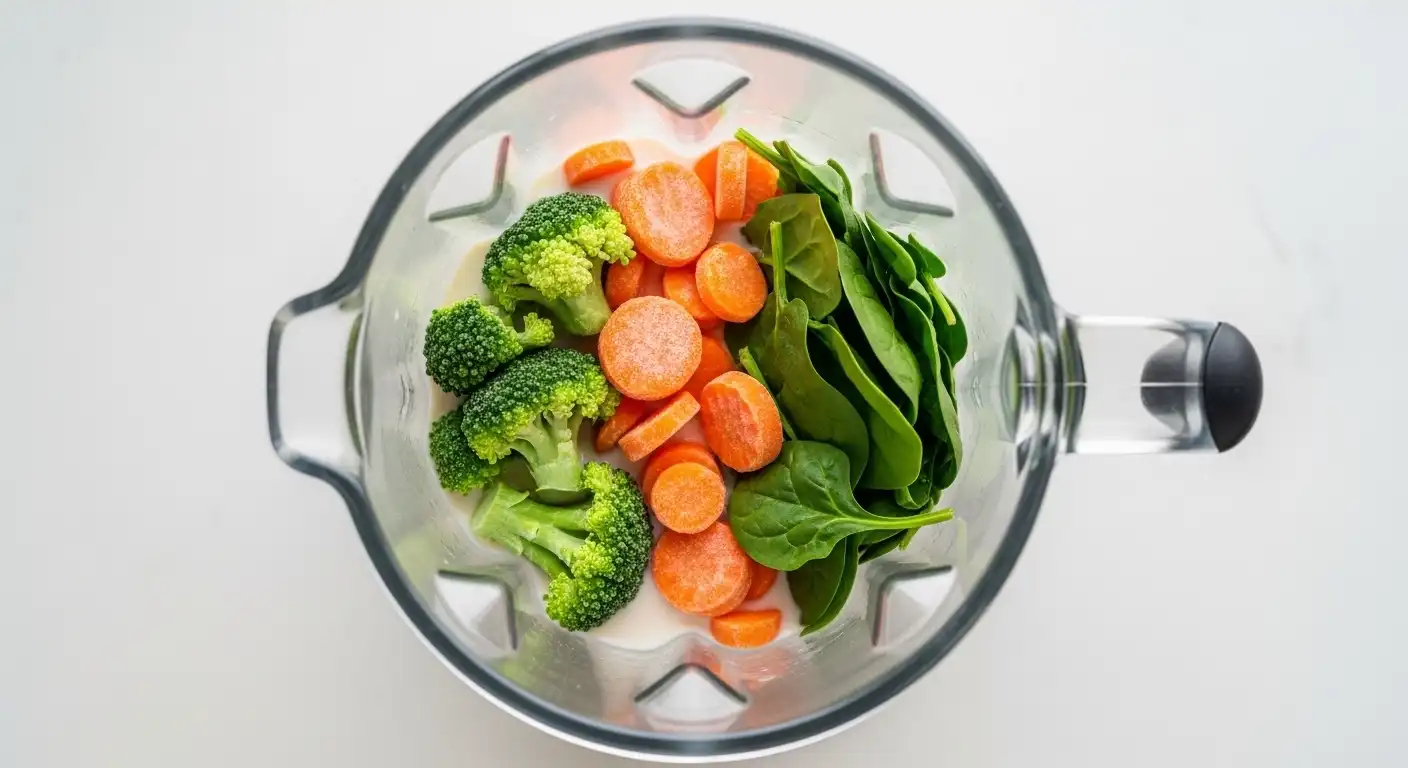
If you’re using large frozen vegetables like broccoli florets, cauliflower florets, or corn on the cob pieces, it’s a good idea to break them down a bit. You can do this by:
- Using a knife to cut larger pieces into smaller, more manageable chunks, about 1-inch in size.
- If they are in a bag, give the bag a gentle shake to break apart large clumps.
- Avoid trying to blend giant frozen blocks.
Smaller pieces mean your blender’s blades can catch and chop them more effectively. This reduces the strain on your blender’s motor and prevents it from getting stuck.
Consider Partial Thawing
For some recipes, especially if you have a less powerful blender, letting your frozen vegetables thaw for about 5-10 minutes can help. This slight thawing softens them just enough to make blending easier without them becoming mushy. For most smoothies or when using a high-powered blender, this step might not be necessary.
The Order Of Ingredients Matters
The sequence in which you add ingredients to your blender is surprisingly important. It directly impacts the efficiency of the blending process and the smoothness of your final product.
Liquid First Always
This is perhaps the most vital tip for the best way to blend frozen vegetables in a blender. Always add your liquid ingredients first. This includes water, juice, milk (dairy or non-dairy), yogurt, or any other liquid you plan to use.
Why is this so important?
- The liquid creates a vortex at the bottom of the blender jar.
- This vortex pulls the solid ingredients down towards the spinning blades.
- Without enough liquid at the bottom, the blades can spin freely in the air, especially with hard, frozen items, leading to a less effective blend and potential overheating of the motor.
Adding Other Ingredients
Once your liquid is in, you can add softer ingredients like fresh fruits, leafy greens, or powders. Then, add your frozen vegetables on top. This layering ensures the frozen items are pushed down into the liquid and are more easily incorporated.
Mastering The Blending Technique
Once your ingredients are in the blender, it’s time to blend. The technique you use can make all the difference between a smooth puree and a chunky mixture.
Start With Pulse
When dealing with frozen vegetables, the pulse function is your best friend. Start by pulsing a few times. This:
- Helps to break up the large frozen pieces initially.
- Gives the ingredients a chance to move around and engage with the blades.
- Reduces the risk of immediately jamming the blender.
Gradually Increase Speed
After pulsing, start blending on a low speed. Let the blender run for about 30 seconds to a minute, or until the mixture starts to look more uniform. Then, gradually increase the speed to high.
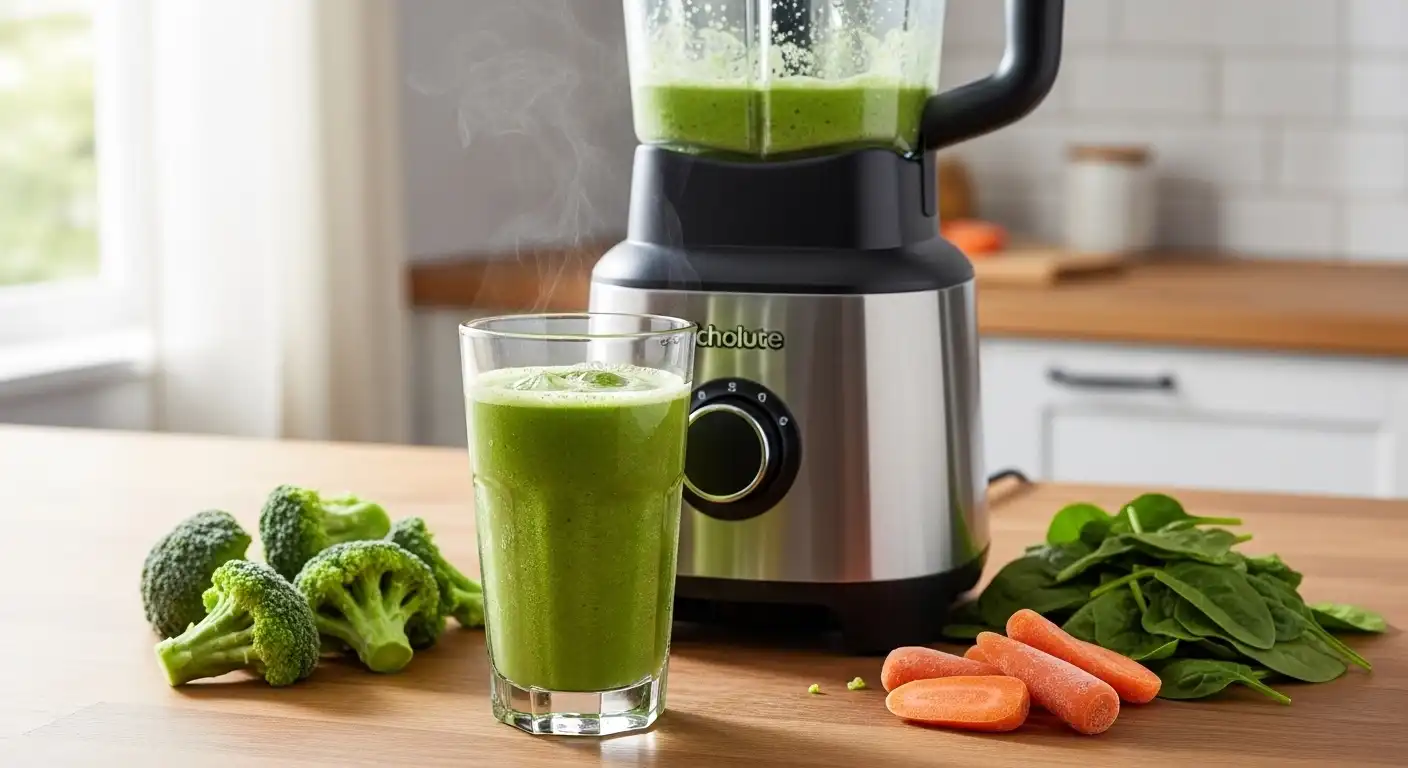
Blending on high speed is what creates that ultra-smooth texture. Let it run on high until all the frozen vegetables are completely broken down and the mixture is consistently smooth. This might take anywhere from 30 seconds to 2 minutes, depending on your blender’s power and the quantity of ingredients.
Know When To Stop
The goal is a smooth consistency. If you’re making a smoothie, you want it creamy. For purees or sauces, you want it lump-free.
Listen to your blender; if it starts to sound like it’s struggling or making a high-pitched noise, it might be overloaded or the blades are stuck. Stop the blender and give it a little help.
Troubleshooting Common Blending Issues
Even with the best techniques, you might encounter a few common problems. Here’s how to fix them.
The Blender Is Stuck Or Not Blending
This usually happens when there isn’t enough liquid or the pieces are too large. The first step is to stop the blender. Then:
- Add More Liquid: Slowly add a little more liquid (water, juice, etc.) and try blending again.
- Use A Tamper: If your blender came with a tamper tool, use it to push ingredients down towards the blades while the blender is running on a low speed. Be careful not to touch the blades.
- Stir It Up: Turn off the blender. Remove the lid and use a spatula to stir the contents, breaking up any large clumps and ensuring everything is mixed.
- Check For Blockages: Make sure no large chunks are wedged directly against the blades.
The Texture Is Too Chunky
If your final blend still has bits and pieces, it means the vegetables weren’t fully processed. You can:
- Blend Longer: Put the lid back on and blend for another 30-60 seconds on high speed.
- Scrape Down The Sides: Turn off the blender, open the lid, and use a spatula to scrape down any unblended bits from the sides of the jar. Then blend again.
The Mixture Is Too Watery
This is usually a result of adding too much liquid initially. You can try to thicken it by:
- Adding More Frozen Ingredients: Add more frozen fruit, a few more frozen vegetables, or some ice.
- Adding Thickeners: For smoothies, add half a banana, a spoonful of oats, or a bit of chia seed or flaxseed.
Recipes And Ideas For Blended Frozen Vegetables
The best way to blend frozen vegetables in a blender opens up a world of healthy and delicious possibilities.
Smoothies
Frozen vegetables like spinach, kale, cauliflower, and zucchini are fantastic in smoothies. They add nutrients without significantly altering the taste, especially when combined with fruits. Try a handful of frozen spinach with berries, banana, and almond milk for a nutrient-packed breakfast.
Soups And Sauces
Pureed frozen vegetables can form the base of creamy soups and sauces. Frozen cauliflower or butternut squash can be blended into a smooth soup base. Frozen tomatoes can be blended into a quick pasta sauce.
Just blend with a little broth, herbs, and spices.
Dips And Spreads
For healthier dips, blend steamed and then frozen vegetables like peas, edamame, or bell peppers. Blend with a little olive oil, lemon juice, garlic, and herbs for a vibrant and healthy dip.
Baby Food
Pureed frozen vegetables are perfect for making homemade baby food. Ensure the vegetables are cooked or steamed before freezing, then blend them into a smooth puree. You can even mix different vegetables for variety.
Cleaning Your Blender After Use
Cleaning your blender immediately after use is key to making it last longer and preventing dried-on food particles. The easiest way to clean:
- Rinse the blender jar with water.
- Add a few drops of dish soap and fill the jar halfway with warm water.
- Put the lid on securely and blend on low for 30 seconds.
- Rinse thoroughly with clean water.
- For tougher stains, you might need to use a sponge or bottle brush.
Frequently Asked Questions
Question: What is the best type of blender for frozen vegetables
Answer: High-powered blenders are ideal for frozen vegetables because they have strong motors and sharp blades that can easily crush ice and frozen ingredients. However, many standard blenders can also work if you prepare the vegetables properly and use enough liquid.
Question: Do I need to thaw frozen vegetables before blending
Answer: Not always. For high-powered blenders, you can often blend them directly from frozen. For less powerful blenders, a slight thaw of 5-10 minutes can make blending easier without them becoming mushy.
Question: Why is liquid important when blending frozen vegetables
Answer: Liquid helps create a vortex that pulls frozen ingredients down into the blades. It prevents the blades from spinning freely in the air and ensures a smoother, more efficient blend without straining the motor.
Question: Can I blend frozen vegetables for smoothies
Answer: Yes, absolutely! Frozen vegetables like spinach, kale, cauliflower, and zucchini are excellent additions to smoothies. They add nutrients and can create a creamy texture without overpowering other flavors.
Question: How do I avoid chunks when blending frozen vegetables
Answer: Start by pulsing the frozen vegetables to break them up, then blend on low before increasing to high speed. Ensure you have enough liquid, cut large pieces smaller, and don’t overfill the blender. Scraping down the sides and blending longer also helps.
Final Thoughts
Mastering the best way to blend frozen vegetables in a blender is simple with the right approach. Always add liquid first to help the blades move ingredients. Cut large frozen pieces into smaller ones to prevent blender strain.
Use the pulse function to start breaking things down, then blend on high for smoothness. Don’t overfill your blender, and remember to scrape down the sides if needed. Following these easy tips ensures you get delicious, smooth results for all your favorite recipes, making healthy eating easier.

I’m Joshua Miller, a U.S.-based food enthusiast and Co-Founder of KitchenWink.com. With a Bachelor’s degree in Food Science and over five years of hands-on experience testing blenders, coffee makers, and other kitchen tools, I focus on real-world results—not lab theories.