Picking the right blender can feel tricky, especially when you look at all the different blades. Many people get a little confused about which blade does what. It’s like having a toolbox with a dozen screwdrivers but not knowing which one fits the screw.
Don’t worry, though! We’ll make learning about blender blade types and uses simple and clear. We’ll break it down step-by-step so you know exactly what you need for your favorite recipes.
Let’s get started on making smoothie magic!
Key Takeaways
- Different blender blades are designed for specific tasks like chopping, pureeing, or crushing ice.
- The number and shape of blade edges affect how well they process ingredients.
- Some blenders come with interchangeable blades for more versatility.
- Understanding blade types helps you choose the right blender for your needs.
- Proper blade use ensures smooth results and extends your blender’s life.
Blender Blade Types and Uses Explained
The Heart of Your Blender The Blade Assembly
The blade assembly is the most important part of any blender. It’s what does all the hard work of turning whole foods into smooth drinks or purees. The design of these blades isn’t random; it’s carefully crafted to handle different kinds of tasks.
You might have noticed that some blenders have just a few blades, while others seem to have a whole bundle. The number, shape, and sharpness of these blades all play a big role in how well your blender performs. This is why knowing about blender blade types and uses is so helpful.
It means you can get the best results every time you blend.
Common Blender Blade Designs
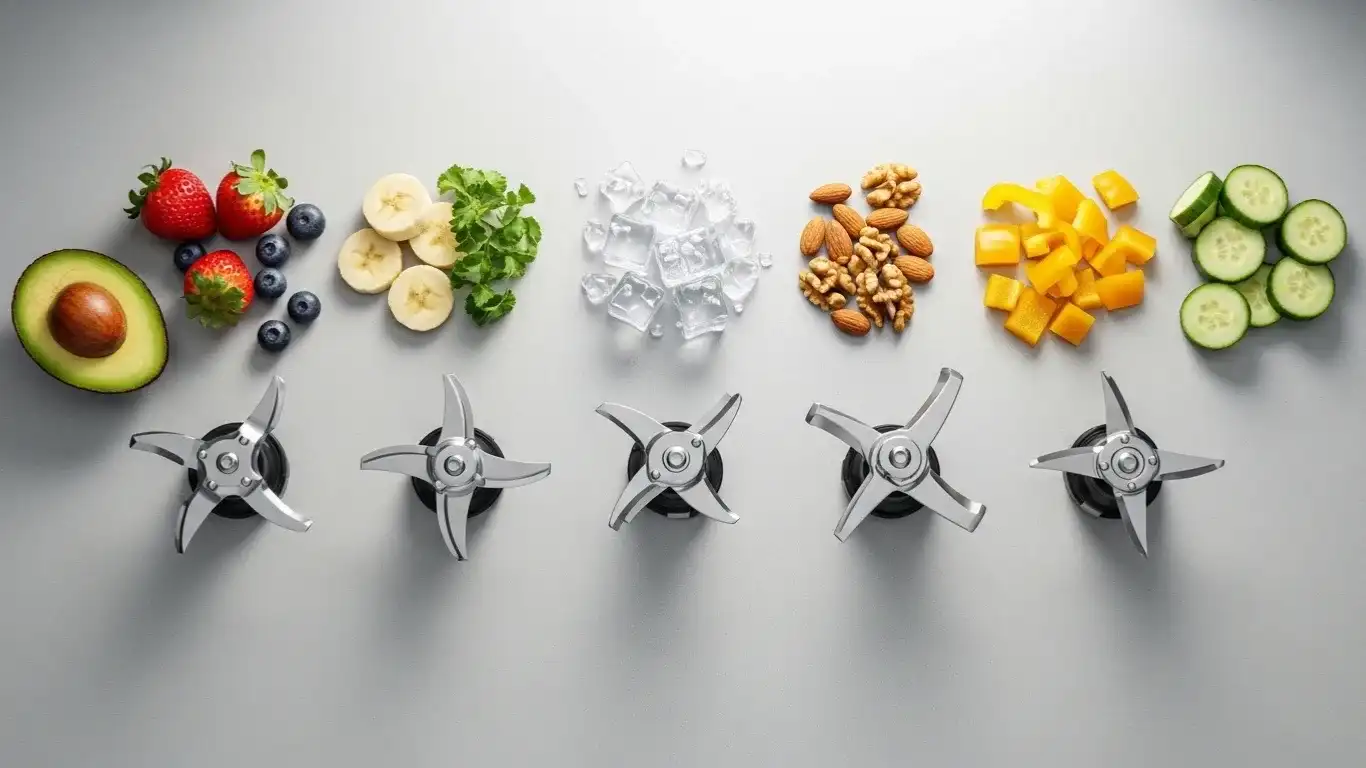
Most blenders use a few core blade designs. These designs are pretty standard, but the exact angles and sharpness can vary. Let’s look at some of the most common ones and what they’re best at.
The Multi-Purpose Blade
This is the blade you’ll find in most standard blenders. It usually has four or six sharp edges that curve upwards and downwards. These blades are designed to be versatile.
They can handle a good range of tasks, like making smoothies, pureeing soups, or mixing batters. The multiple edges help to create a vortex inside the blender jar, pulling ingredients down towards the blades for efficient processing. This is your go-to blade for everyday blending needs.
The Ice-Crushing Blade
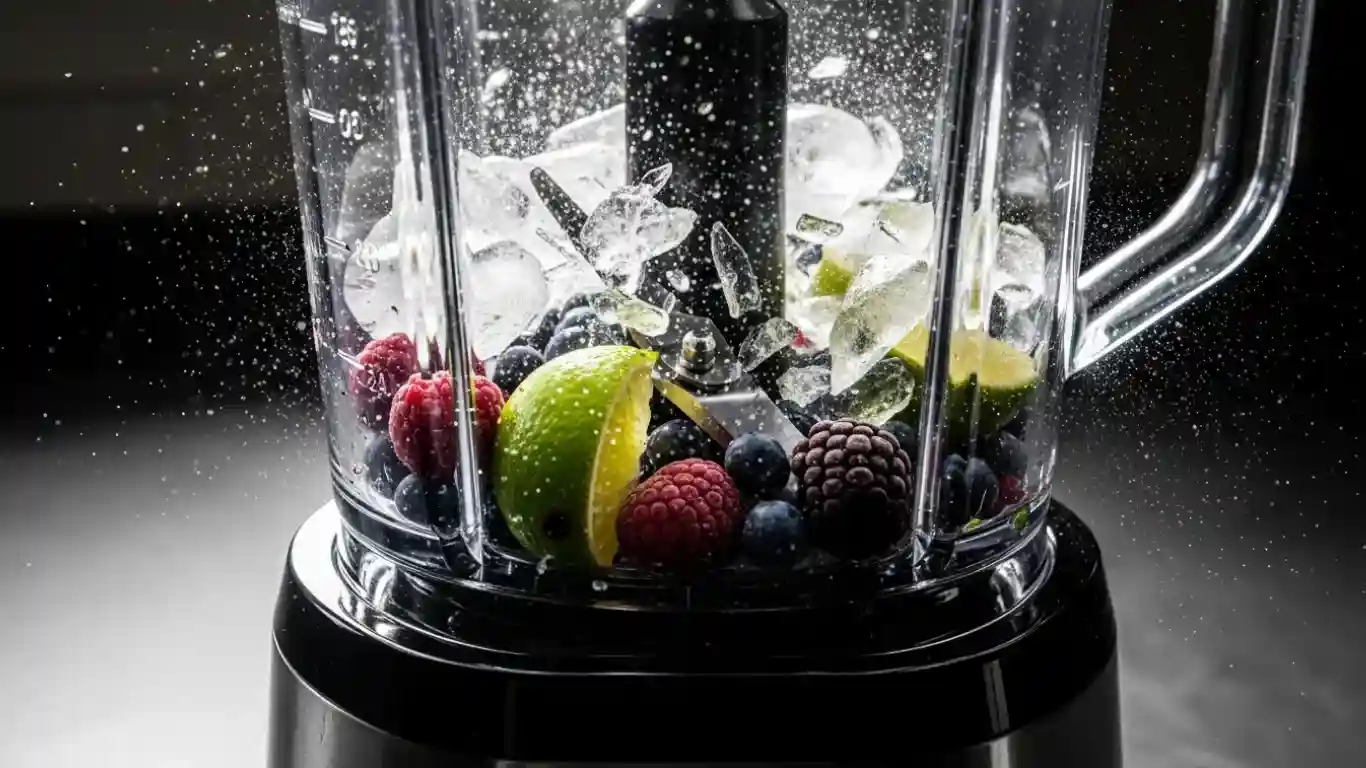
Some blenders, especially those marketed for making frozen drinks, come with a specific ice-crushing blade. These blades often have thicker, more robust edges. They might have fewer blades but are designed for durability and the power needed to break down hard ice into fine snow.
If you love margaritas or icy smoothies, a blender with a dedicated ice-crushing blade will serve you well. You’ll get smoother results without chunks of ice left behind.
The Chopping Blade
While less common as a separate blade type in standard blenders, some high-powered models or specialty blenders might feature blades optimized for chopping. These blades are typically shorter and might have a flatter edge. They are designed to cut through tougher ingredients like nuts or vegetables into smaller pieces rather than liquefying them.
For tasks like making pesto or grinding spices, a chopping blade can be very effective.
The Pureeing Blade
Often, the multi-purpose blade does a great job of pureeing. However, some blenders might have blades with a gentler curve or fewer sharp edges specifically for creating very smooth purees. These are ideal for baby food, silky sauces, or creamy soups where you want an ultra-smooth consistency without any fibrous bits.
The goal is to liquefy ingredients without overworking them.
How Blade Design Affects Performance
The shape and number of blades have a big impact on what your blender can do.
- Number of Blades More blades often mean more contact with ingredients, leading to faster blending and smoother results. Fewer, thicker blades might be better for crushing hard items.
- Blade Angle The angle at which the blades are set helps create the blending vortex. A good angle ensures ingredients are constantly circulating and reaching the blades.
- Blade Sharpness Sharp blades cut through ingredients more easily, requiring less power and time. However, extremely sharp blades can sometimes lead to over-processing if you’re not careful.
- Blade Curve The upward or downward curve of the blades helps direct the flow of ingredients. This directs food towards the blades and away from the motor, preventing strain.
Understanding Your Blender’s Assembly
Most blenders have a blade assembly that screws into the bottom of the blender jar. This part is often detachable for cleaning. It’s important to make sure it’s screwed on tightly before use to prevent leaks.
When you look at your blender’s blade assembly, notice the curves and edges. Some blades point slightly upward, while others might curve downward. This design works together to create a powerful blending action.
The upward-curving blades help lift ingredients from the bottom, while the downward-curving ones pull them back down. This constant movement ensures everything gets blended evenly.
Specialty Blenders and Their Blades
Some blenders are made for very specific tasks, and their blades reflect this.
Immersion Blenders
Immersion blenders, also known as stick blenders, have a different blade design. The blade is usually a small, compact unit at the end of a shaft. It’s often protected by a metal casing.
These are great for blending directly in pots or bowls. They’re perfect for soups, sauces, or quickly pureeing small amounts. The blades are usually designed to prevent splashing while effectively pureeing.
Food Processors vs. Blenders
It’s worth noting that food processors have different blade systems. They often use larger, S-shaped blades that sit low in the bowl. These are designed for chopping, slicing, and shredding rather than liquefying.
While some overlap exists, understanding the difference helps you choose the right appliance for the job. A blender is for liquids and smooth textures; a food processor is for prepping solids.
Caring for Your Blender Blades
Keeping your blender blades in good shape is simple. Always clean them soon after use. Most blade assemblies can be detached and washed with warm, soapy water.
Be careful, as the blades are sharp! Some are dishwasher safe, but hand washing often helps them last longer. Avoid using abrasive cleaners or scrubbers that could dull the blades.
If your blender seems to be struggling, check if the blades are still sharp and clean.
Table: Common Blade Types and Their Best Uses
| Blade Type | Best Uses |
|---|---|
| Multi-Purpose Blade | Smoothies, soups, sauces, batters, general blending |
| Ice-Crushing Blade | Frozen drinks, smoothies with ice, cocktails |
| Chopping Blade (Specialty) | Nuts, herbs, small vegetable pieces, grinding spices |
| Pureeing Blade (Specialty) | Baby food, smooth soups, silky sauces, dips |
When to Consider a New Blender Blade
Over time, even the best blender blades can become dull or damaged. If you notice your blender is no longer blending smoothly, or if you hear unusual noises, it might be time to check the blades. Sometimes, you can buy replacement blade assemblies for your specific blender model.
If the blades are significantly bent or chipped, replacement is usually necessary for both performance and safety.
Making the Most of Your Blender’s Capabilities
Knowing the different blender blade types and uses allows you to be a more confident cook. You can choose a blender that fits your lifestyle, whether you’re a smoothie enthusiast, a soup maker, or someone who loves making homemade sauces. Don’t be afraid to experiment, but always start with the basics.
A good multi-purpose blade can handle a surprising variety of tasks. For more advanced needs, consider blenders that offer interchangeable blades. This gives you the most flexibility.
Frequently Asked Questions
Question: What is the most common type of blender blade
Answer: The most common type of blender blade is the multi-purpose blade, often with four or six sharp edges designed for general blending tasks like making smoothies and pureeing.
Question: Can one blender blade do everything
Answer: While a multi-purpose blade can handle many tasks, specialized blades are better for specific jobs like crushing ice or finely chopping nuts. Some blenders offer interchangeable blades for more versatility.
Question: How do I know if my blender blades are dull
Answer: If your blender struggles to blend ingredients smoothly, takes longer than usual to process, or leaves chunky bits, your blades might be dull. You might also hear a straining sound from the motor.
Question: Are food processor blades the same as blender blades
Answer: No, food processor blades are different. They are typically larger, S-shaped, and designed for chopping, slicing, and shredding, whereas blender blades are optimized for liquefying and pureeing.
Question: How should I clean my blender blades
Answer: Most blender blades can be detached and washed with warm, soapy water. Be very careful as they are sharp. Some are dishwasher safe, but hand washing can help blades last longer.
Final Thoughts
You’ve learned that different blender blades are made for specific jobs. From crushing ice to making silky smooth purees, the blade design truly matters. Understanding these differences helps you get the best results from your blender.
Now you can pick the right blender or use your current one more effectively for all your blending adventures. Happy blending!

I’m Joshua Miller, a U.S.-based food enthusiast and Co-Founder of KitchenWink.com. With a Bachelor’s degree in Food Science and over five years of hands-on experience testing blenders, coffee makers, and other kitchen tools, I focus on real-world results—not lab theories.
As a home cook, I personally test every product in real kitchens to give you honest, practical advice that makes everyday cooking easier.