Baking a cake is one of the most rewarding kitchen projects. But choosing the right pan is often confusing, especially for beginners. Many home bakers wonder: Can a springform pan be used for cake? The answer isn’t as simple as “yes” or “no.” It depends on the cake type, recipe, and your goals. Let’s explore how springform pans work, when they shine, and where they may not be the best choice. You’ll also find practical advice, common mistakes, and expert comparison tables to help you decide confidently.
What Is A Springform Pan?
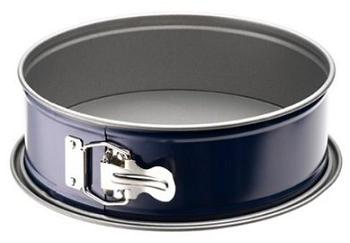
A springform pan is a round baking pan with removable sides. The base is flat, and a latch on the side lets you release the cake easily without flipping it upside down. Most springform pans are made from aluminum or nonstick steel, and come in sizes like 8, 9, or 10 inches.
Why do people love them? Because removing delicate desserts like cheesecakes or tortes is simple. You don’t risk breaking the crust or ruining the shape. For cakes, though, the story is more nuanced.
How Does A Springform Pan Work?
The secret is the spring latch. When you open it, the ring separates from the base. This lets you lift the cake out gently, keeping the sides perfect. Springform pans are especially handy for:
- Cheesecakes
- Mousses
- Ice cream cakes
- Layered desserts
- Tarts
But are they good for regular cakes like sponges, pound cakes, or chocolate cake? Let’s compare.
| Pan Type | Best For | Release Method | Leak Risk |
|---|---|---|---|
| Springform | Delicate, layered | Side latch | Moderate |
| Standard Round | Sponges, pound cakes | Invert | Low |
| Bundt | Decorative cakes | Invert | Low |
Can You Bake Cake In A Springform Pan?
Yes, you can bake cake in a springform pan. However, there are key factors to consider:
1. Cake Batter Consistency
If your cake batter is thin (like chiffon or angel food), it may leak through the gap between the base and the ring. Thick batters, such as pound cake or brownies, work better because they don’t seep.
2. Cake Type
Springform pans are ideal for cakes that are:
- Delicate or layered
- Difficult to invert
- Require a clean edge
For classic sponge cakes, a regular round pan is usually better. For cakes with fruit or soft fillings, springform pans can help.
3. Lining And Preparation
To prevent leaks and sticking, always line the base with parchment paper. Some bakers wrap the outside in foil for extra protection, especially for batters with lots of liquid.
4. Baking Time And Heat Distribution
Springform pans are slightly slower to heat up compared to standard pans. You may need to add 5-10% more baking time. Check with a toothpick in the center to make sure the cake is done.
Advantages Of Using A Springform Pan For Cake
There are several benefits to using a springform pan:
- Easy removal – No need to flip the cake, reducing risk of breakage.
- Perfect sides – The cake keeps its shape, important for presentation.
- Great for layered cakes – You can assemble and chill layers in the pan.
- Versatile – Works for both baked and chilled desserts.
Here’s a simple comparison:
| Springform Pan | Standard Cake Pan |
|---|---|
| Easy side release | Invert to remove |
| Good for delicate cakes | Best for firm cakes |
| Higher leak risk | Lower leak risk |
Common Problems When Using Springform Pans For Cake
Not every cake comes out perfectly in a springform pan. Here are some issues bakers face:
1. Leaking Batter
This is the most common issue. If the batter is runny, it can leak through the gap. To avoid this:
- Use thicker batters
- Line the pan with parchment
- Wrap the pan with foil
2. Warped Base
Springform pans can warp if used at high heat or if the latch is forced. Always handle gently and avoid temperatures above 450°F.
3. Uneven Baking
The metal ring can cause uneven heat distribution. Rotate the pan halfway through baking for even browning.
4. Sticking
If you don’t grease or line the pan, the cake may stick to the sides. Always grease the ring and base.
5. Overbrowning Edges
Springform pans may cause the cake edges to brown faster. You can use a cake strip or lower the oven temperature by 10°F.
Cakes That Work Well In A Springform Pan
Some cakes are naturally suited to springform pans. Here are a few examples:
- Cheesecake – The classic use. The creamy filling and crumb crust need gentle release.
- Coffee cake – Often includes streusel or fruit; springform pans help keep it neat.
- Carrot cake – Layered carrot cake with cream cheese frosting works well.
- Ice cream cake – You can layer ice cream and freeze in a springform pan.
- No-bake cakes – Mousse, tiramisu, and layered desserts are easy to unmold.
Credit: bakingbites.com
Cakes That Are Challenging In A Springform Pan
Some cakes are not ideal for springform pans:
- Angel food cake – The batter is very runny and needs a tube pan.
- Very thin batters – These may leak.
- Cakes needing a crisp edge – The springform pan’s ring can block crisping.
How To Prepare A Springform Pan For Cake
Proper preparation is key to success. Follow these steps:
- Check the latch – Make sure the ring is tight and the base fits well.
- Grease the pan – Use butter or nonstick spray on the base and ring.
- Line with parchment – Cut a circle for the base and a strip for the sides.
- Wrap with foil – If the batter is liquid, wrap the outside in heavy-duty foil.
- Pour batter carefully – Pour slowly to check for leaks.
- Bake on a sheet – Place the pan on a baking sheet to catch spills.
Tips For Perfect Cakes In Springform Pans
Here are some expert tips:
- Don’t overfill the pan. Leave 1 inch from the top.
- Let the cake cool for 10 minutes before unlatching.
- Run a thin knife around the edge before opening the pan.
- For layered cakes, chill before releasing for sharper edges.
- Clean the pan immediately after use to avoid residue.
Springform Pan Size Guide For Cakes
Choosing the right size is important. Here’s a guide:
- 8-inch pan – Good for small cakes, about 6-8 servings.
- 9-inch pan – Standard size, serves 8-10 people.
- 10-inch pan – Large cakes, up to 12 servings.
You can convert recipes for different pan sizes. For example, if you use a 10-inch instead of an 8-inch pan, the cake will be thinner and bake faster.
| Pan Size | Volume (cups) | Approx. Servings |
|---|---|---|
| 8-inch | 8 | 6-8 |
| 9-inch | 10 | 8-10 |
| 10-inch | 12 | 10-12 |

Credit: wilton.com
Cleaning And Maintaining Your Springform Pan
To keep your pan working well:
- Hand wash with mild soap and soft sponge
- Avoid metal tools that scratch the surface
- Dry fully before storing to prevent rust
- Check the latch for tightness
Springform pans last longer with careful use. If the ring or base is loose, replace it.
Non-obvious Insights For Beginners
Many beginners overlook these points:
- Springform pans can be used for savory dishes like quiches and casseroles, not just cakes. This increases their value in the kitchen.
- If your springform pan leaks, you can use a silicone baking mat under the pan on the oven rack. This prevents drips from burning, which is a trick many professionals use.
Also, don’t forget that springform pans come in square and rectangular shapes, not just round. This can help with specialty cakes or layered desserts.
When To Avoid Using A Springform Pan
It’s best to skip the springform pan when:
- The recipe needs a tight seal (like soufflé)
- The batter is very liquid and not thickened
- You want a crisp crust all around
Regular cake pans are more reliable for classic sponges and pound cakes.
Summary: Should You Use A Springform Pan For Cake?
A springform pan is a useful tool for cakes that are fragile, layered, or difficult to invert. It makes unmolding easy and keeps the sides neat. However, for thin batters, classic sponge cakes, or recipes needing a crisp edge, a regular cake pan is often better.
If you’re starting out, try a springform pan for cheesecake, coffee cake, or layered cakes. Always line and grease the pan, check for leaks, and bake on a sheet. With practice, you’ll know which cakes suit a springform pan best.
For more details on pan types and baking science, check out Wikipedia.
:max_bytes(150000):strip_icc()/101538143-springform-pan-photo-by-dotdash-meredith-3x2-crop-651659c75a69416086df9339050c52cf.jpg)
Credit: www.allrecipes.com
Frequently Asked Questions
What Is The Main Difference Between A Springform Pan And A Regular Cake Pan?
The main difference is the removable sides of the springform pan. You can release the cake without flipping it, which is helpful for delicate desserts. Regular cake pans have fixed sides and require the cake to be inverted for removal.
Will My Cake Batter Leak In A Springform Pan?
If the batter is thin, there is a risk of leaking. To reduce leaks, use thick batters, line the base with parchment, and wrap the outside with foil. Always place the pan on a baking sheet to catch any drips.
Can I Use A Springform Pan For Every Cake Recipe?
You can use a springform pan for many cakes, but not all. It works best for cheesecakes, layered cakes, and cakes with fruit or soft fillings. For classic sponge cakes or cakes with runny batter, a standard cake pan is better.
How Do I Prevent Cake From Sticking To A Springform Pan?
To prevent sticking, grease the base and sides with butter or oil. Line the base and sides with parchment paper. Let the cake cool for a few minutes before unlatching, and run a knife around the edge before release.
Are Springform Pans Dishwasher Safe?
Most springform pans are not fully dishwasher safe. The latch and base can rust or warp. It’s best to hand wash with mild soap and dry thoroughly. Always check the manufacturer’s instructions.
Using a springform pan for cake baking opens new possibilities for presentation and ease, but success depends on choosing the right cake type and careful preparation. With these tips, you’ll bake confidently and enjoy beautiful results every time.