Can Breast Milk Be Put Back In Fridge?
For new parents, handling breast milk safely is a daily concern. You want your baby to get the best nutrition, but you also worry about wasting precious milk or making mistakes. One common question is: Can breast milk be put back in the fridge after being warmed or left out? The answer is not as simple as yes or no. It depends on how long the milk has been out, how it was handled, and whether your baby drank from it. Understanding the right steps can help you keep your baby safe and make the most of your milk supply.
In this article, you’ll find detailed answers, practical advice, and real-life examples to guide you.
Breast Milk Storage Basics
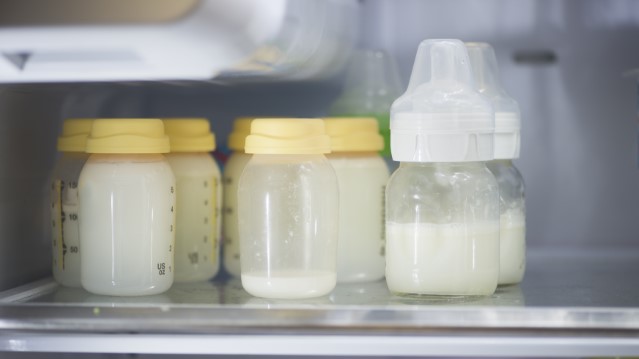
Storing breast milk properly helps keep it safe and nutritious for your baby. Fresh milk can be kept at room temperature, in the fridge, or in the freezer, but each method has its own rules.
| Storage Location | Safe Duration | Temperature |
|---|---|---|
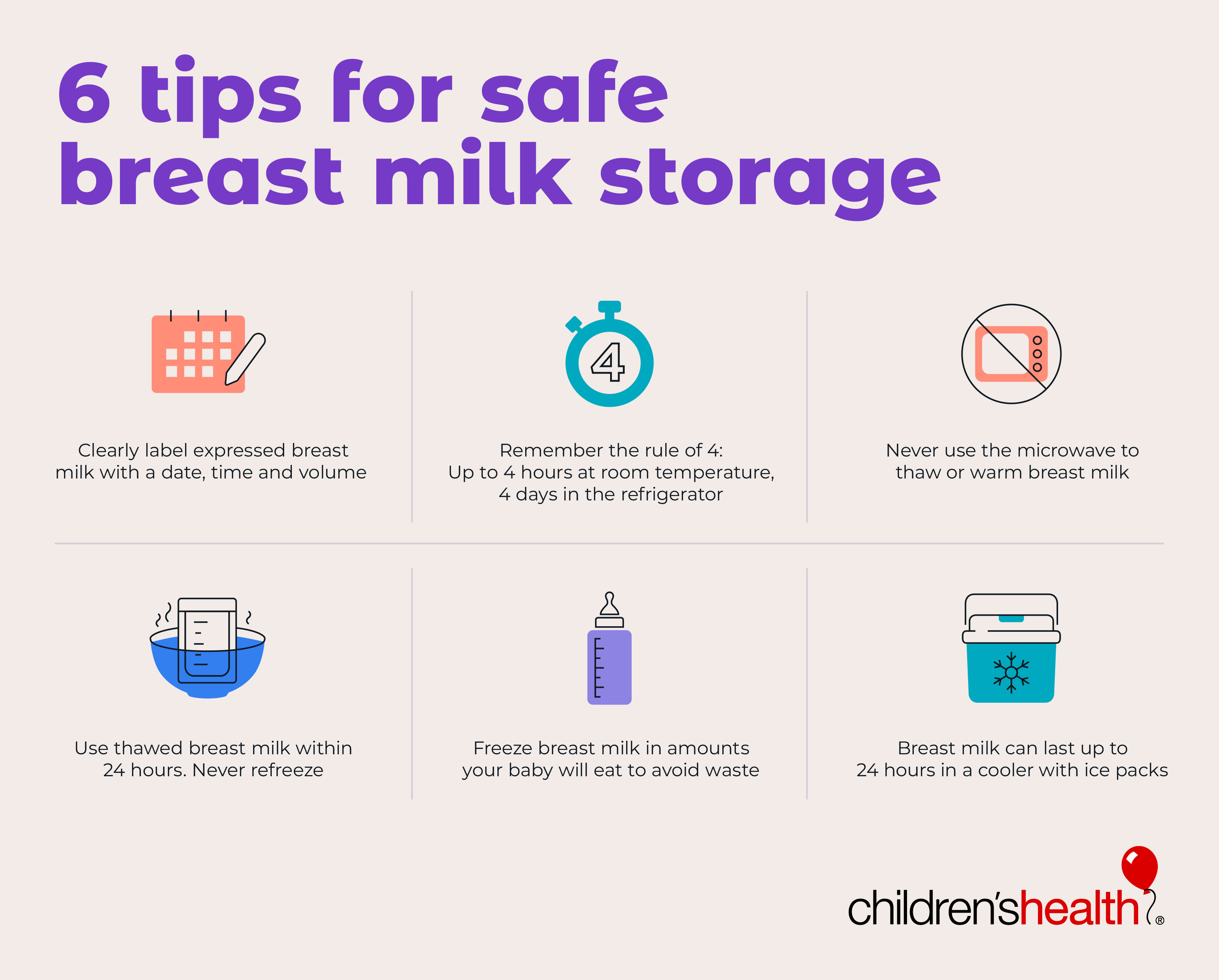
| Room Temperature | Up to 4 hours | 60-77°F (16-25°C) |
| Refrigerator | Up to 4 days | 35-40°F (1.6-4.4°C) |
| Freezer | Up to 6 months (best), 12 months (acceptable) | 0°F (-18°C) or lower |
These guidelines are from the Centers for Disease Control and Prevention (CDC). Always use clean containers and label each bottle with the date it was expressed.
Can You Put Breast Milk Back In The Fridge?
This is a tricky question. If you warmed breast milk but your baby didn’t finish it, or if you left milk out for some time, can you put it back in the fridge? Here’s what experts say:
Milk That Has Not Been Fed To Baby
If you warmed breast milk but did NOT give it to your baby yet, you can put it back in the fridge. The key is to return it within two hours of warming. After this, bacteria can grow quickly.
- Milk warmed but untouched can be refrigerated for up to 24 hours.
- Do not re-warm more than once.
Milk That Has Been Fed To Baby
If your baby has started drinking from the bottle, bacteria from their mouth can enter the milk. Experts recommend discarding any milk left in the bottle after a feeding.
- Do NOT put milk back in the fridge after your baby has drunk from it.
- This rule prevents bacterial growth and protects your baby from illness.
Milk Left At Room Temperature
If breast milk has been out at room temperature for less than 4 hours, you can put it back in the fridge. However, the sooner you refrigerate it, the better.
- If milk has been out for more than 4 hours, do not refrigerate. Discard it.
Practical Example
Imagine you pumped milk at 8 AM, left it out for 2 hours, and your baby did not drink from it. You can still refrigerate it for later use. But if the milk was out for 5 hours, it’s safer to throw it away.
Credit: www.cdc.gov
Why These Rules Matter
Breast milk contains live cells and nutrients. When milk is warmed or left out, bacteria can grow. Babies, especially newborns, have weak immune systems. Storing milk correctly prevents illness and ensures nutrition.
A study published in the Journal of Pediatric Gastroenterology and Nutrition found that warmed breast milk left at room temperature for more than two hours showed increased bacterial growth. This is why guidelines are strict.
| Scenario | Safe to Refrigerate? | Reason |
|---|---|---|
| Warmed, not fed | Yes, within 2 hours | Low risk of contamination |
| Fed to baby | No | Bacteria from baby’s mouth |
| Out at room temp <4 hours | Yes | Safe window |
| Out at room temp >4 hours | No | High risk of bacteria |
Steps To Safely Store And Reuse Breast Milk
Handling breast milk with care helps you avoid waste and keep your baby safe. Here are practical steps:
- Label containers: Always mark the date and time when milk was expressed.
- Use clean bottles: Wash hands and sterilize containers before use.
- Cool milk quickly: If not using soon, refrigerate or freeze right away.
- Combine milk carefully: Only mix milk pumped at different times if both are cooled.
- Warm milk safely: Use a warm water bath or bottle warmer, never a microwave.
- Check for changes: If milk smells sour or looks separated, discard it.
- Limit re-warming: Only warm milk once. If not used, refrigerate within two hours.
Common Mistakes To Avoid
- Leaving milk out too long before refrigerating.
- Putting back milk that baby drank from.
- Using unwashed bottles.
- Re-warming milk multiple times.
Many parents worry about wasting milk, but safety should always come first.
Real-life Tips For Busy Parents
Managing breast milk can feel overwhelming, especially with a newborn. Here are some tips from experienced parents and lactation consultants:
- Keep a small notebook or use phone reminders to track milk storage.
- Store milk in small amounts (2-4 ounces) to avoid waste.
- Freeze extra milk in flat bags for easy stacking.
- If your baby doesn’t finish a bottle, try to use smaller bottles next time.
Some parents mistakenly believe that milk can be returned to the fridge even after feeding. This is risky. Always follow the guidelines to protect your child’s health.
How Breast Milk Changes With Storage
Fresh breast milk is best, but refrigeration and freezing affect its quality. Research shows that refrigeration preserves most nutrients, but freezing can reduce some vitamins and immune factors.
- Refrigerated milk keeps most antibodies and nutrients for up to 4 days.
- Frozen milk loses some vitamin C but remains safe for up to 6 months.
- Milk stored longer than recommended can taste different and be less nutritious.
These changes are minor compared to the risks of improper storage. If you must freeze, use milk within six months for best quality.
| Storage Method | Impact on Nutrients | Notes |
|---|---|---|
| Refrigeration | Small loss of vitamin C | Most immune factors intact |
| Freezing | Reduced antibodies, vitamin C | Safe, but best before 6 months |
| Room Temp | Quick nutrient loss | Use within 4 hours |
Credit: www.childrens.com
When To Discard Breast Milk
Sometimes, you must throw away milk to keep your baby safe. Here’s when to discard:
- If milk smells sour or has a strange color.
- If left out for more than 4 hours.
- If baby drank from the bottle and there’s leftover milk.
- If milk was warmed and not used within 2 hours.
- If milk is older than storage guidelines allow.
Trust your senses. If you’re unsure, it’s better to discard than risk illness.
Scientific Evidence And Official Recommendations
Most guidelines come from health organizations like the CDC and the American Academy of Pediatrics. These groups rely on research showing that bacteria grow quickly in milk left out or reused after feeding.
In one study, breast milk stored at room temperature for 6 hours had nearly double the bacteria compared to milk stored for 2 hours. Another research found that milk reused after feeding contained higher levels of harmful bacteria.
For more details, you can visit the CDC’s breastfeeding guidelines at CDC Breast Milk Storage.
Frequently Asked Questions
Can I Put Breast Milk Back In The Fridge After Warming?
You can refrigerate warmed breast milk if your baby hasn’t drunk from it and if it’s within two hours of warming. After this, bacteria may grow, so it’s best to discard.
Is It Safe To Reuse Breast Milk From A Bottle My Baby Drank From?
No. Bacteria from your baby’s mouth enter the milk. Always discard leftover milk after a feeding.
How Long Can I Leave Breast Milk Out Before Refrigerating?
Breast milk can stay at room temperature for up to 4 hours. After this, refrigerate or discard to prevent bacteria growth.
Can I Freeze Breast Milk After It’s Been In The Fridge?
Yes. If milk was refrigerated and not warmed, you can freeze it within 4 days. Freezing after warming is not recommended.
What Are Signs That Breast Milk Has Spoiled?
Spoiled milk may smell sour, taste bad, or have a strange color. If in doubt, throw it away.
Final Thoughts
Safe handling of breast milk is vital for your baby’s health. You can put milk back in the fridge if it hasn’t been fed and is within safe time limits. But once your baby drinks from the bottle, never return the milk to the fridge. Always follow recommended guidelines, trust your senses, and remember that safety is more important than saving milk. These steps help you protect your baby and feel confident in your feeding routine.

Credit: www.breastfeedingnetwork.org.uk