Can I Grind Coffee Beans In A Food Processor?
The smell of fresh coffee brewing in the morning is hard to beat. But what if you have whole coffee beans and no grinder at home? Many people wonder if they can use a food processor instead. It’s a common kitchen tool, but is it really up to the job?
If you’re a coffee lover or just want to know if you can save money and space by using your food processor for coffee beans, this guide will answer your questions. You’ll learn about the results you can expect, tips for getting the best grind, and what to watch out for if you decide to give it a try.
How Food Processors Work With Coffee Beans
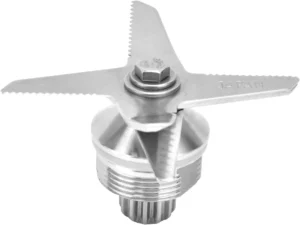
A food processor is designed to chop, slice, and mix foods. It uses sharp blades that spin at high speed. In theory, this can break down coffee beans. However, there are some key differences between a food processor and a dedicated coffee grinder.
Coffee grinders, especially burr grinders, are made to crush beans to a uniform size. They use either spinning blades (blade grinders) or two abrasive surfaces (burr grinders). A food processor’s blades are not as close together, so the grind will be less even.
You will likely get a mix of coarse and fine pieces.
Most food processors have a minimum capacity. If you try to grind just a few tablespoons, the beans may bounce around without getting chopped. For best results, use at least half a cup of beans.
Steps To Grind Coffee Beans In A Food Processor
If you want to try grinding coffee beans in your food processor, follow these steps for the best outcome:
- Clean your food processor thoroughly to remove any old food smells or oils.
- Add at least half a cup of coffee beans. This helps the blades catch and break the beans.
- Pulse the processor in short bursts, about 3-5 seconds each. Do not run it continuously.
- After each pulse, shake the processor or use a spoon to move beans around. This creates a more even grind.
- Continue pulsing and checking until you reach the desired coarseness.
Grinding time depends on your goal:
- For French press, stop when you see mostly coarse chunks (about 8-10 pulses).
- For drip coffee, aim for a medium grind (about 12-15 pulses).
- For espresso, the grind will be uneven and not ideal, but pulse longer and sift out larger pieces.
Comparing Grind Quality: Food Processor Vs. Coffee Grinder
The main concern with using a food processor is grind consistency. A uniform grind is important for even extraction and good taste. Here’s how the results compare:
| Grind Method | Grind Consistency | Suitable Brew Types |
|---|---|---|
| Food Processor | Uneven (mix of coarse and fine) | French press, cold brew |
| Blade Grinder | Slightly uneven | Drip, French press |
| Burr Grinder | Very even | Espresso, pour-over, all types |
As you can see, a food processor cannot create the same uniform grind as a burr grinder. This matters more for methods like espresso or pour-over, where grind size affects flavor and extraction time.
Pros And Cons Of Using A Food Processor
It’s helpful to look at the main advantages and disadvantages before you decide:
Advantages
- Availability: Most kitchens already have a food processor.
- Saves money: No need to buy a special grinder.
- Can grind larger batches: Food processors hold more beans than small grinders.
Disadvantages
- Inconsistent grind: You’ll get a mix of sizes, which can lead to bitter or sour coffee.
- Messy and loud: Beans can jump around, and processors are not quiet.
- Potential for overheating: Long grinding creates heat, which can change the taste.

Credit: www.youtube.com
Tips For Better Results
You can improve your coffee grinding experience with a few simple tricks:
- Use the pulse setting. Short bursts keep beans from overheating and let you check progress.
- Grind in small batches. This gives better control and more even results.
- Sift the grounds. Use a mesh strainer to remove fine powder and large chunks.
- Clean the processor well. Coffee oils can stick to the bowl and blades, affecting future flavors.
- Let beans cool before grinding. Warm beans can produce more static and stick to the processor.
Coffee Brewing Methods: Which Ones Work Best?
Some coffee methods are more forgiving of uneven grounds than others. Here’s a comparison of how food-processor ground beans work with different brewing styles:
| Brewing Method | Grind Size Needed | Food Processor Suitability |
|---|---|---|
| French Press | Coarse | Good |
| Cold Brew | Coarse | Good |
| Drip Coffee Maker | Medium | Fair |
| Pour-Over | Medium-Fine | Poor |
| Espresso | Fine | Poor |
French press and cold brew are the most forgiving since they use coarse grounds. The uneven size from a food processor will not ruin the taste as much as it would with espresso or pour-over.
Common Mistakes To Avoid
Grinding coffee beans in a food processor is not foolproof. Here are some mistakes that many beginners make:
- Overfilling the bowl: Too many beans prevent proper movement and create an uneven grind.
- Running the processor too long: This heats the beans and can cause bitter flavors.
- Ignoring leftover grounds: Coffee particles can hide under the blade and affect the next use.
- Not sifting the grounds: Large chunks and dust can ruin your coffee’s taste and texture.
A non-obvious tip: Always smell the bowl after grinding. Old coffee oils can make your next food prep taste odd, so a deep clean is important.
Alternatives To Food Processors For Grinding Coffee
If you don’t have a grinder or want a better option than your food processor, consider these alternatives:
- Blender: Works similarly to a food processor. Pulse in short bursts but watch for heat.
- Mortar and pestle: For small amounts, this creates a more even grind than you might expect.
- Rolling pin: Place beans in a zip bag and crush with the rolling pin. It’s slow, but you have good control.
- Manual grinder: These are cheap, small, and give a much more consistent grind.
- Buy pre-ground coffee: Not as fresh, but easier and more consistent.
Cleaning Your Food Processor After Grinding Coffee
Coffee oils can stick to plastic and metal parts. This not only affects flavor but can also make cleaning harder. Here’s how to clean your food processor thoroughly:
- Remove all parts and wash with warm, soapy water.
- Scrub the blades carefully to remove oil residue.
- Rinse and dry each part completely.
- For deep cleaning, use a small amount of baking soda and water paste on stubborn spots.
- Let all parts air dry before storing.
Pro tip: If your next recipe is delicate (like whipped cream or cake batter), run a slice of bread through the processor to soak up any leftover coffee oils before washing.
When To Avoid Using A Food Processor
There are times when it’s best not to use your food processor for grinding coffee beans:
- If you want a very fine or even grind for espresso or Turkish coffee.
- If your food processor is old or has a dull blade.
- If you need to grind only a tablespoon or two (the blades won’t reach).
- If you’re sensitive to noise—food processors can be loud and startling early in the morning.
For the best coffee flavor, a burr grinder is still the top choice. But in a pinch, a food processor can get the job done for most brewed coffee.

Credit: procoffeegear.com
Real-world Example: Making Cold Brew With A Food Processor
Let’s say you want to make cold brew coffee and only have a food processor. Here’s how you can do it:
- Add 1 cup of beans to your clean processor.
- Pulse in 3-second bursts, shaking the bowl between pulses.
- After 10 pulses, check the grind. You want coarse, chunky pieces.
- Sift the grounds to remove fine dust. This helps avoid a muddy taste.
- Mix the grounds with 4 cups of cold water in a jar. Let sit for 12-24 hours.
- Strain through a cheesecloth or coffee filter.
- Enjoy your homemade cold brew!
This method gives you a smooth, less acidic coffee that works well even with an uneven grind.
Data: Cost And Efficiency Comparison
Let’s compare the cost and efficiency of using a food processor versus buying a coffee grinder:
| Method | Upfront Cost | Time per Batch | Grind Quality |
|---|---|---|---|
| Food Processor | $0 (if you already own one) | 2-3 minutes | Uneven |
| Blade Grinder | $20-30 | 1-2 minutes | Fair |
| Burr Grinder | $50-150 | 2-3 minutes | Excellent |
The food processor is the most cost-effective if you’re only making coffee occasionally and already have one. However, for daily use, a dedicated grinder is a smart investment.

Credit: www.youtube.com
Expert Insight: Why Consistent Grind Matters
Many people new to coffee don’t realize how much grind consistency affects flavor. If you have a mix of fine and coarse particles, the fine grounds will over-extract (taste bitter) while the large pieces under-extract (taste weak or sour). This is why baristas and coffee shops use burr grinders.
At home, using a food processor is a compromise. You’ll get coffee, but not the most balanced or flavorful cup possible.
Another insight: It’s easy to think that grinding longer makes the grind finer and better. In reality, after a certain point, you’re just making dust and heating the beans, which can hurt the taste.
Our Final Verdict
Yes, you can grind coffee beans in a food processor. It works well when you need a quick fix. But the grind will not be as even as one from a burr grinder.
From my experience, a food processor is best for French press or cold brew. These methods can handle uneven grounds better. For espresso or pour-over, I would use a real coffee grinder.
So, if you already have a food processor, give it a try. Use short pulses, check the grind often, and sift the grounds if needed. It may not make a perfect cup, but it can still save your morning coffee when you have no grinder nearby.