You’ve got a frozen steak in the freezer and dinner’s in 40 minutes. Can you really drop it straight into a sous vide bath and get something that rivals a steakhouse? The short answer is yes, and it’s actually one of the most forgiving ways to cook a frozen cut.
“Can I Sous Vide a Frozen Steak” is one of those questions where the simple answer is “absolutely,” but the detailed answer involves a few timing tweaks and one important safety consideration.
In our research, the USDA confirms that cooking frozen meat without thawing is acceptable, provided you reach the proper internal temperature. The sous vide method handles this beautifully because the water bath holds a precise, consistent temperature for as long as you need it. The catch is that your cook time increases by roughly 50% compared to a thawed steak.
A 1-inch ribeye that normally takes 1 hour from thawed will need about 90 minutes from frozen. That’s the whole game, right there. Let’s break down exactly how to nail it.
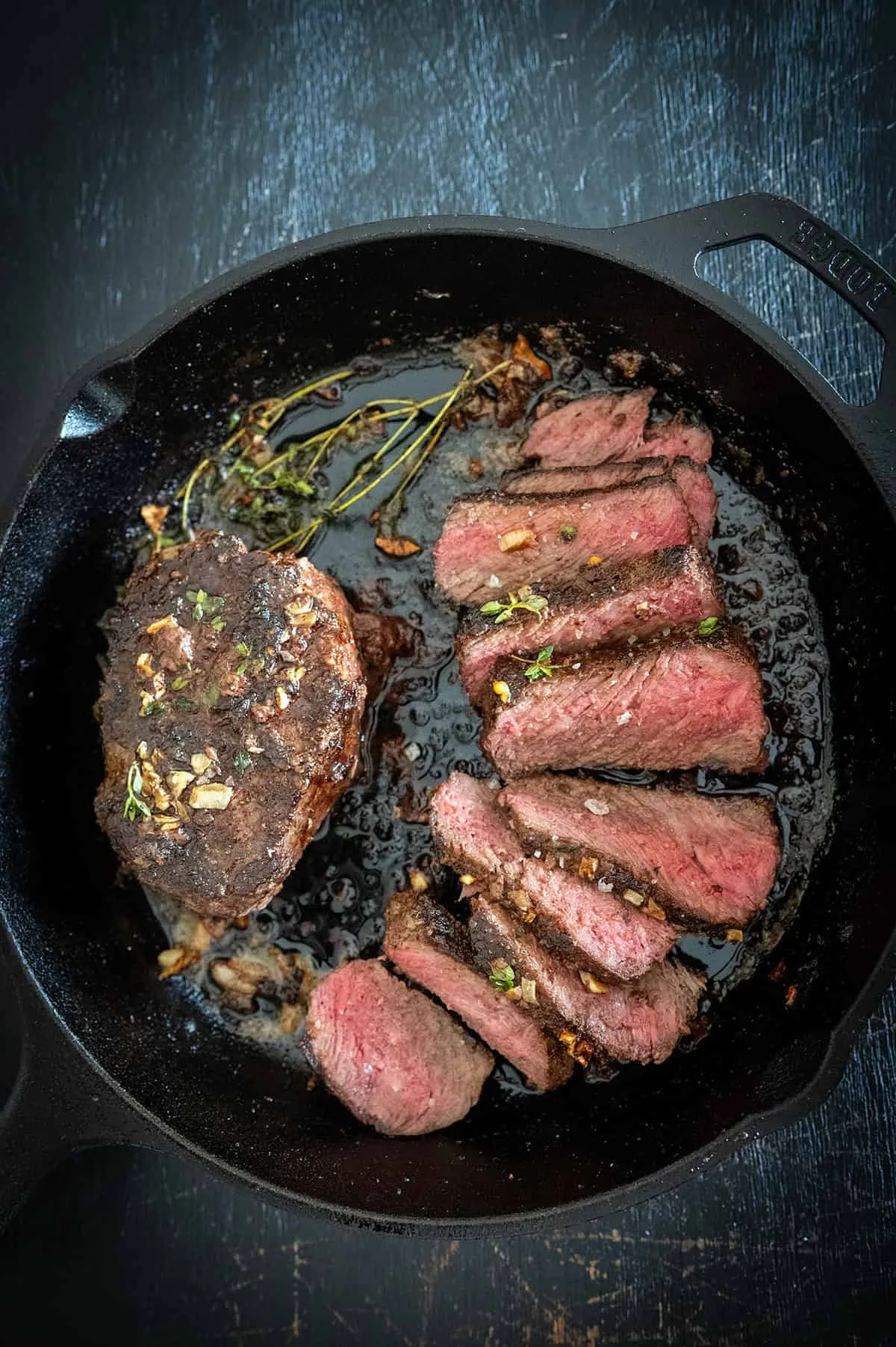
Image source: Web (Bing) / girlscangrill.com (Web image (fair-use with source credit))
Straight Answer: Yes, But the Time Rule Changes
Yes, you can sous vide a frozen steak. It’s completely safe and produces excellent results. The only real adjustment is time.
Add 50% to your normal cook time to account for the frozen core.
- Thawed 1-inch ribeye: 60 minutes
- Frozen 1-inch ribeye: 90 minutes
- Thawed 1.5-inch sirloin: 90 minutes
- Frozen 1.5-inch sirloin: 135 minutes (2 hours 15 minutes)
The safety math is straightforward. Your water bath sits at your target temperature, usually between 130°F and 140°F. The steak spends extra time warming through, but it never dips below safe holding temperatures.
The danger zone for bacterial growth sits between 40°F and 140°F. Because your bath is already above 130°F, the steak passes through that risk band quickly and stays safely hot for the entire cook.
Manufacturer specifications for popular circulators like Anova and Joule explicitly support cooking from frozen. They even include a frozen setting in their companion apps. So you’re not working against the equipment.
You’re working with it.
How Sous Vide Handles Frozen Meat (The Science in Plain English)
Water conducts heat about 20 times more efficiently than air. That’s the core reason sous vide handles frozen meat so well. If you threw a frozen steak into a hot oven, the exterior would burn while the center stayed rock solid.
The water bath surrounds the steak evenly, transferring heat from every angle simultaneously.
The circulator keeps the water moving, which prevents cold spots from forming near the frozen meat. As the steak’s surface warms, the water continuously swirls fresh hot water against it. This constant circulation is what makes the math work.
The temperature drops slightly when the frozen steak hits the bath, but the circulator recovers quickly.
For thicker cuts, the frozen core acts as a thermal reserve. It slowly warms as the exterior cooks. By the time the center reaches your target temperature, the entire steak sits at the same doneness.
No grey bands, no raw middle, no overcooked edges. That uniform result is the real magic of this method.
The 3 Variables That Decide Your Cook
Not every frozen steak cooks the same. Three variables control your results, and understanding them turns a good steak into a great one.
Steak Thickness
This is the biggest factor. Thin steaks under 1 inch freeze all the way through quickly, so your extra time stays modest. Thick steaks over 2 inches take significantly longer for the heat to penetrate the frozen core.
Here’s the practical breakdown:
- Under 1 inch: add 30-45 minutes to your normal time
- 1 to 1.5 inches: add 50% to your normal time
- Over 2 inches: consider thawing first, or extend your cook significantly
We’ll circle back to the thick steak question in a dedicated section later. For now, just know that thickness changes everything.
Target Doneness
Your desired internal temperature sets the water bath temp. That determines how long the frozen steak needs to sit. Lower temps like 130°F for medium-rare mean the steak must climb from frozen to 130°F.
That’s a bigger temperature gap than climbing to 145°F for medium-well.
- Medium-rare (130°F): adds roughly 10-15 minutes of extra time
- Medium (140°F): adds less extra time because the target is closer to the starting point
The 50% rule works for most cuts. Adjust upward for thicker steaks.
Fat Content and Marbling
Fat takes longer to warm than lean meat. A heavily marbled ribeye with a thick fat cap needs more time for the fat to render properly from frozen. Lean cuts like sirloin or filet mignon thaw and cook faster.
Step-by-Step: Cooking a Frozen Steak Sous Vide
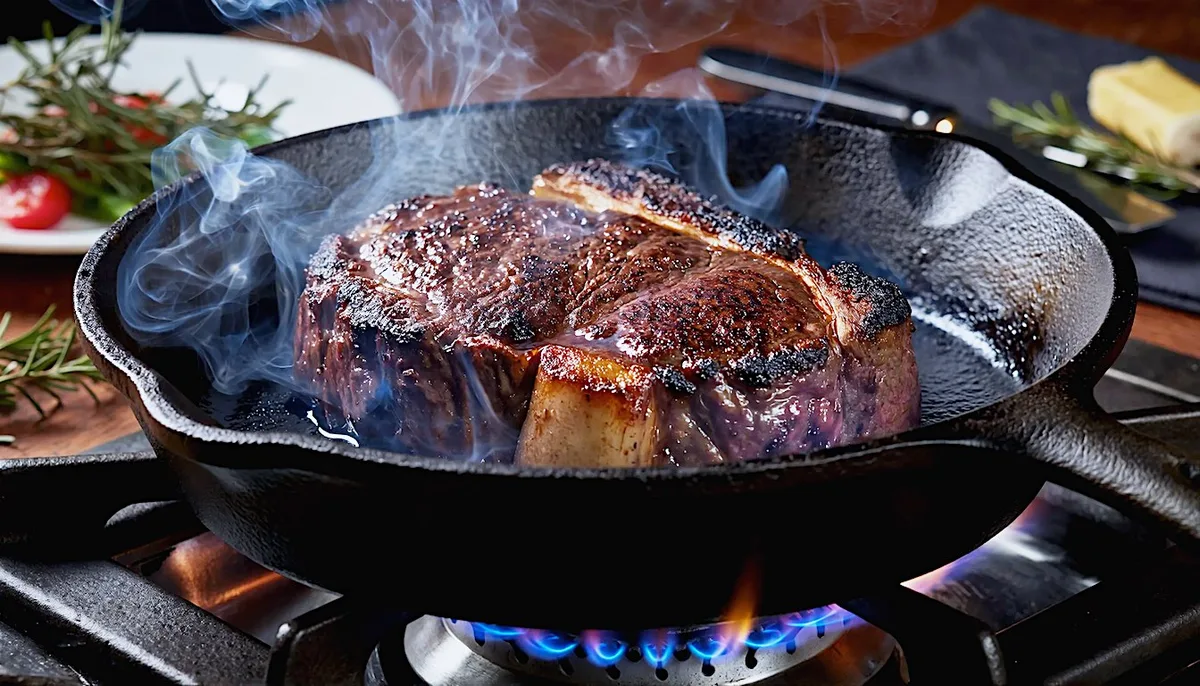
Image source: Bing (Web (fair-use with source credit))
This process works for any cut. Follow it exactly, and you’ll get consistent results every time.
Step 1: Preheat the Water Bath
Set your circulator to your target temperature. For medium-rare, that’s 130°F. For medium, 140°F.
Let the water come to temp completely before adding the steak. This takes 5-10 minutes depending on your circulator’s wattage.
Step 2: Season (Or Don’t)
Here’s a decision point. You can season before freezing, which gives the salt time to penetrate the meat. Or you can season after cooking, which keeps the salt from drawing moisture out during the bath.
Both work. For frozen steaks, we recommend seasoning after cooking. It’s simpler and gives you more control.
Step 3: Bag the Frozen Steak
A vacuum sealer is ideal. The tight seal maximizes heat transfer. No vacuum sealer?
No problem. Use the water displacement method. Place the steak in a zip-top bag, seal it mostly closed, then lower it into the water.
The water pressure pushes air out. Seal it fully once the air is gone.
Step 4: Start the Timer
Here’s the critical adjustment. Use the 50% rule. If you’d normally cook this exact steak for 60 minutes thawed, set your timer for 90 minutes.
Write it down. It’s easy to forget.
| Cook Time (Thawed) | Cook Time (Frozen) |
|---|---|
| 45 minutes | 68 minutes |
| 60 minutes | 90 minutes |
| 90 minutes | 135 minutes |
| 120 minutes | 180 minutes |
Step 5: Sear and Serve
Remove the steak from the bag. Pat it completely dry with paper towels. A wet surface steams instead of searing.
Heat a cast iron skillet on high with a high-smoke-point oil. Sear 45-60 seconds per side for a proper crust. Let it rest for 2-3 minutes before slicing.
Pro Tips for Better Results
Every technique has little tricks that separate good results from great ones. These are the things seasoned cooks learn through repetition.
Dry Means Brown
Moisture is the enemy of a good sear. After the water bath, the steak’s surface holds significant moisture. Take the extra 30 seconds to pat it thoroughly dry.
Use multiple paper towels if needed. The drier the surface, the faster the crust forms. A faster sear means less heat penetrates the interior, keeping your perfect medium-rare intact.
Use a Wire Rack
After searing, rest the steak on a wire rack over a baking sheet. This allows air to circulate underneath, preventing the bottom from steaming. A plate traps heat and moisture, which softens the crust you just worked to create.
The rack keeps all sides crisp.
Skip the Butter Baste
Butter adds flavor, but it also has milk solids that burn at high temperatures. If you want the brown butter depth, add it in the final 30 seconds of the sear. Give it a quick baste and pull the steak immediately.
The longer the butter stays on the heat, the more likely it burns and turns bitter.
Consider an Ice Bath for Thick Cuts
For steaks over 1.5 inches, drop the bagged steak into an ice water bath for 5 minutes before searing. This cools the exterior slightly, giving you a larger safety window during the sear. You get a thicker crust without accidentally cooking the center past your target.
This trick works especially well for ribeyes and tomahawks.
Let It Rest
Yes, even with sous vide, rest your steak. The water bath already distributes heat evenly, but the sear adds surface heat. A brief 2-3 minute rest lets that surface heat equalize throughout the steak.
The result is juicier, more consistent meat in every bite.
We’ll cover the thick steak question next, because that’s where most people run into trouble.