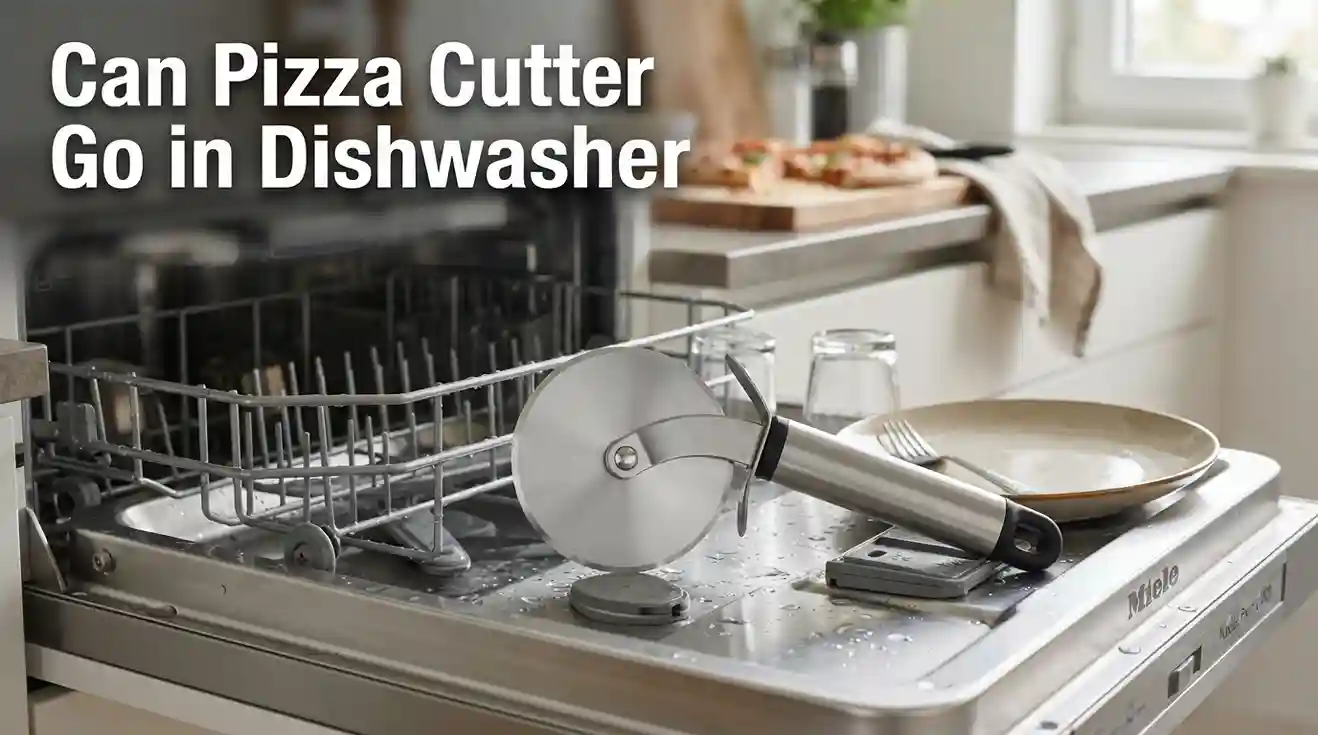
If you love pizza night, you probably use a pizza cutter often. But after slicing hot, cheesy pizza, you’re left with a greasy, sticky tool. Many people wonder: can a pizza cutter go in the dishwasher? The answer isn’t always simple. It depends on the cutter’s material, construction, and even the dishwasher itself.
In this guide, we’ll break down everything you need to know to keep your pizza cutter clean and in good shape.
What Happens When You Put A Pizza Cutter In The Dishwasher
Washing kitchen tools in the dishwasher is convenient, but not every utensil is made for it. Pizza cutters come in different designs—some with wheels, others with blades on a handle. Most have parts made of stainless steel, plastic, or wood. Some are even fully metal.
The dishwasher uses hot water, strong detergents, and fast-moving water jets. These clean well but are tough on kitchen tools. Pizza cutters can be affected in several ways:
- Rusting: Metal parts, especially lower-quality steel, can rust.
- Dulling: Dishwasher cycles may dull sharp edges over time.
- Loosening: Screws and rivets can become loose.
- Cracking: Plastic or wooden handles may crack or warp.
- Food residue: If pieces are stuck between the wheel and handle, they might not come out in the dishwasher.
Understanding these risks helps you decide if your pizza cutter is dishwasher-safe.
Types Of Pizza Cutters And Dishwasher Safety
Not all pizza cutters are the same. Let’s look at how different types respond to dishwashers.
| Type | Main Materials | Dishwasher Safe? | Common Issues |
|---|---|---|---|
| Wheel Cutter | Stainless steel, plastic, wood | Sometimes | Rust, loose wheel, handle damage |
| Mezzaluna (Rocking Blade) | Stainless steel, wood, plastic | Rarely | Rust, handle splitting |
| All-metal Cutter | Stainless steel or aluminum | Usually | Dulling, rust if poor steel |
| Detachable Cutter | Mixed | Varies by part | Gaps trap food |
Key insight: Even if a cutter is labeled “dishwasher safe,” repeated machine washing may shorten its lifespan.
How To Check If Your Pizza Cutter Is Dishwasher Safe
Manufacturers often label products as dishwasher safe or hand wash only. Here’s how to check:
- Read the packaging: Look for cleaning instructions.
- Check the handle: Wooden handles usually mean “hand wash only.”
- Look for symbols: Some pizza cutters have a dishwasher symbol on the blade or handle.
- Brand websites: Check the brand’s website for care guides.
- Look for detachable parts: If the blade detaches, it’s often safer to hand wash.
If you’re not sure, it’s safest to wash by hand. Some pizza cutters may survive a few dishwasher cycles but develop problems over time.
What Materials Make A Pizza Cutter Dishwasher Safe?
Materials matter most when deciding if your pizza cutter can go in the dishwasher.
Stainless Steel
High-grade stainless steel is usually dishwasher safe. It’s tough and resists rust. However, low-quality steel can pit or rust in harsh dishwasher conditions. After many cycles, even good steel can dull or develop spots.
Plastic Handles
Plastic handles are usually safe if they’re thick and heat-resistant. Thin plastic may crack or warp. Check for “BPA-free” or “dishwasher-safe” labels for best results.
Wood Handles
Wooden handles are almost never dishwasher safe. The heat and water can split, warp, or dry out the wood. This makes the handle rough or even causes it to break.
Mixed Materials
If your pizza cutter has both metal and plastic, the weakest material decides if it’s dishwasher safe. For example, a steel blade with a wooden handle should be hand washed.
Real-world Examples: Dishwasher Test Results
To see what really happens, let’s look at some real-life tests:
- Stainless steel wheel cutter: After 20 dishwasher cycles, the blade dulled slightly, and the screw loosened.
- Plastic handle cutter: Handle cracked after 10 cycles, but the blade stayed sharp.
- Wooden handle cutter: Handle split after just 3 cycles.
- All-metal mezzaluna: Edge dulled after 15 cycles but no rust.
These examples show that dishwasher cleaning shortens the life of most pizza cutters, especially those with plastic or wood.
How Dishwashers Affect Pizza Cutter Blades
The blade is the most important part. Sharpness is key for clean pizza slices.
| Blade Material | Effect of Dishwasher | Long-term Issues |
|---|---|---|
| High-carbon stainless steel | Minor dulling, rare rust | Dull edge |
| Low-grade steel | Rust spots, dulling | Rust, hard to clean |
| Ceramic | No rust, but may chip | Chipped edge |
| Aluminum | May corrode, dulls fast | Discoloration, dullness |
Non-obvious tip: The dishwasher’s heat cycle can warp thin blades, even if the material itself is technically dishwasher safe.
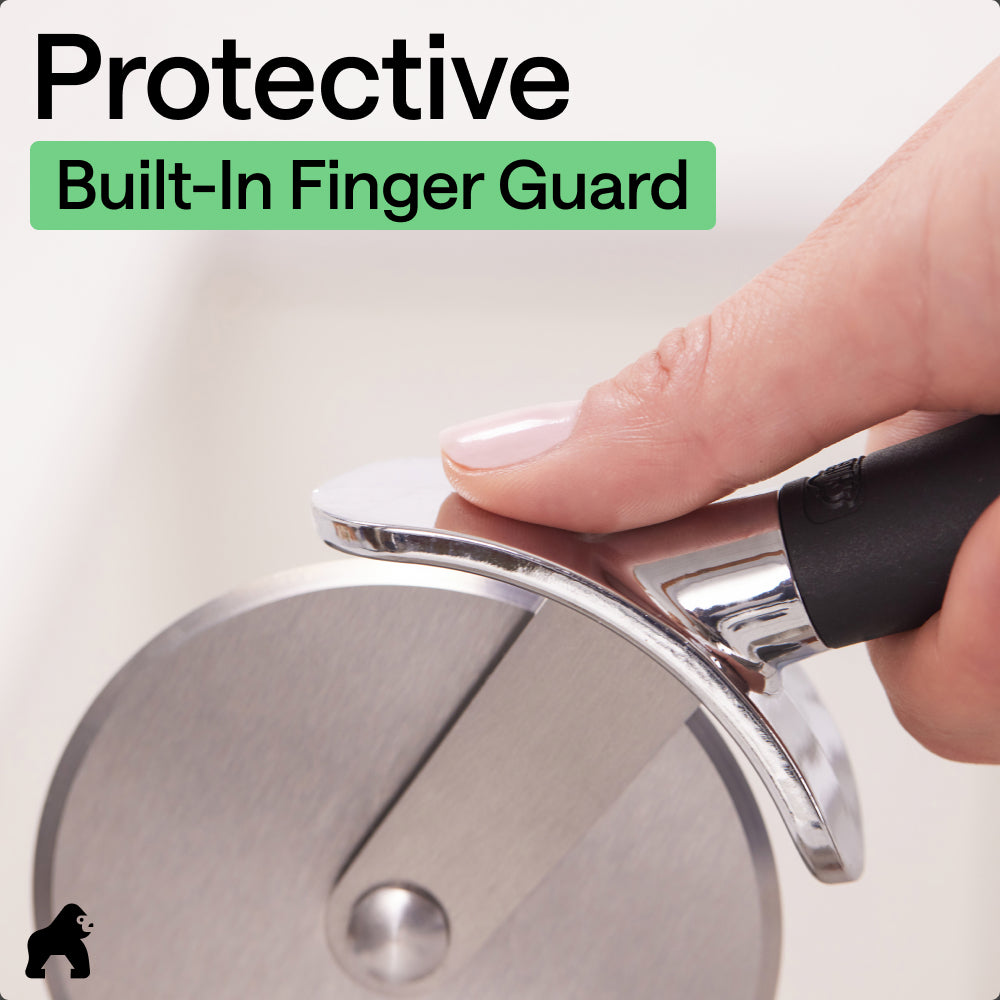
Credit: gorillagrip.com
Cleaning Pizza Cutters By Hand: Why It’s Often Better
For most pizza cutters, hand washing is the safest way. Here’s why:
- You control the pressure and water temperature.
- You can remove food stuck between the blade and handle.
- Handles (especially wood or cheap plastic) last longer.
- Blades stay sharp.
To hand wash, use warm soapy water and a sponge or brush. Be careful with your fingers—pizza cutter blades are sharp, even when dirty. Dry the cutter right away to prevent rust.
Pro tip: If cheese or sauce is stuck, soak the cutter for a few minutes before scrubbing.
You may also like: How to Sharpen a Pizza Cutter
When Dishwasher Cleaning Is Okay
Some pizza cutters can handle the dishwasher, especially if they’re labeled “dishwasher safe.” Here’s when it’s usually fine:
- All-metal design: No wood or thin plastic.
- High-quality stainless steel: Resists rust and corrosion.
- Simple construction: No tight gaps for food to get stuck.
- Detachable parts: Blades that come off for cleaning.
Even then, put the pizza cutter on the top rack, away from heating elements.

Credit: www.amazon.com
Risks Of Putting Pizza Cutters In The Dishwasher
Let’s look at the most common problems people face:
- Rust: Even “stainless” steel can rust if scratched or of poor quality.
- Dulling: Blades hit other items, dulling the edge.
- Loose parts: Screws and rivets loosen over time.
- Handle damage: Wood warps, plastic cracks.
- Food residue: Hard-to-reach spots may not get clean.
Non-obvious insight: If your dishwasher uses hard water, mineral buildup can make metal blades look cloudy or spotted.
How To Make Your Pizza Cutter Last Longer
Taking care of your pizza cutter means more pizza nights and less money spent on replacements. Here’s how:
- Wash soon after use: Dried cheese is hard to remove.
- Hand wash unless labeled dishwasher safe: When in doubt, use a sponge.
- Dry right away: Air drying leads to rust.
- Sharpen regularly: Use a knife sharpener for wheel cutters.
- Tighten screws: Check the wheel and handle every month.
- Store safely: Avoid tossing it in a drawer with other utensils.
If your cutter is expensive or a favorite, hand washing is almost always best.
Comparing Popular Pizza Cutter Brands
Let’s compare cleaning instructions for some popular brands:
| Brand | Material | Dishwasher Safe? | Warranty |
|---|---|---|---|
| OXO Good Grips | Stainless steel, plastic | Top rack only | Lifetime |
| Kitchy Pizza Cutter | Stainless steel, BPA-free plastic | Yes | Lifetime |
| KitchenAid Classic | Stainless steel, plastic | Yes | 1 year |
| Winco Mezzaluna | Stainless steel, wood | No | None |
Even with dishwasher-safe models, most brands recommend hand washing for longer life.
What The Experts Say
Professional chefs and kitchenware experts often recommend hand washing pizza cutters. Even if a cutter is labeled dishwasher safe, repeated machine washing can wear out blades and handles.
The National Sanitation Foundation recommends hand washing all sharp kitchen tools for safety and better hygiene. Also, some pizza cutter designs have small spaces where food can hide, making dishwashers less effective at cleaning them.
For more on kitchen tool care, the Wikipedia page on dishwashers explains the science behind dishwasher cleaning and its effects on utensils.
Frequently Asked Questions
Can All Pizza Cutters Go In The Dishwasher?
No, not all pizza cutters are safe for the dishwasher. Stainless steel and all-metal cutters usually survive, but cutters with wooden or plastic handles may get damaged. Always check the label or manufacturer’s advice.
How Do I Know If My Pizza Cutter Is Dishwasher Safe?
Look for a dishwasher-safe symbol on the handle or packaging, or check the brand’s website. If you’re unsure, it’s safest to hand wash to avoid damage.
What Happens If I Put A Wooden-handled Pizza Cutter In The Dishwasher?
Wooden handles can crack, warp, or split after dishwasher cycles. This makes the cutter uncomfortable or even unsafe to use. Always hand wash cutters with wood.
Does The Dishwasher Make Pizza Cutter Blades Dull?
Yes, dishwasher cleaning can dull blades over time. The heat, water jets, and contact with other utensils can wear down the sharp edge. Sharpen your cutter regularly if you use the dishwasher.
How Should I Clean A Pizza Cutter For Best Results?
Hand wash your pizza cutter in warm, soapy water right after use. Use a brush to get into small spaces. Dry it immediately to prevent rust and keep the blade sharp.
A little extra care keeps your pizza cutter sharp and safe, making every pizza night easy and enjoyable. Remember, when in doubt, hand washing is your best bet for a long-lasting kitchen tool.