Many people wonder, can you blend cauliflower in a blender? It’s a common question, especially if you’re new to using cauliflower in recipes. Some might think it’s too tough for a blender.
But the good news is, it’s totally doable! We’ll walk through how to do it easily. Get ready to see how simple it is to transform this veggie.
Key Takeaways
- Cauliflower can be easily blended in most blenders.
- Raw or lightly steamed cauliflower blends well.
- The consistency of blended cauliflower depends on the blender and time.
- Blended cauliflower is versatile for many dishes.
- Proper preparation makes blending cauliflower a breeze.
- Using the right blender settings yields the best results.
Blending Cauliflower In A Blender
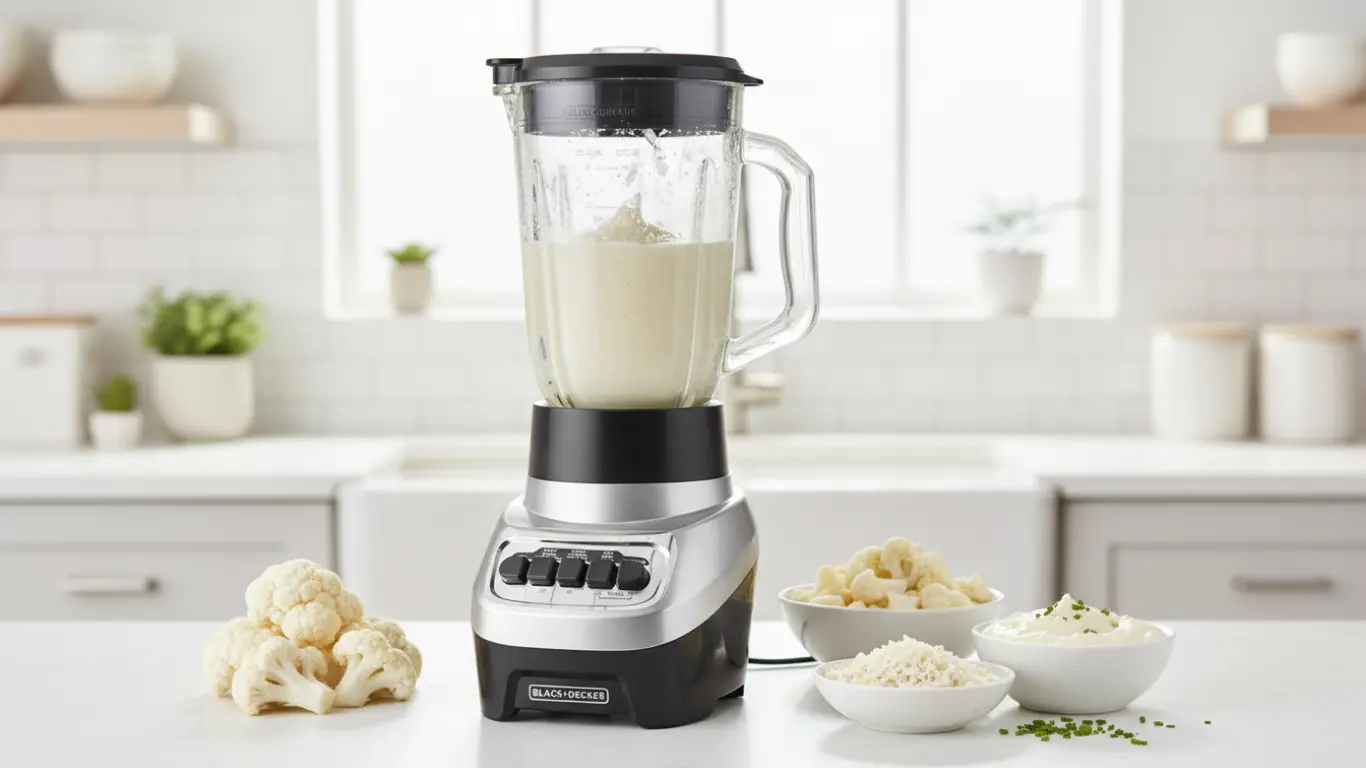
So, you’re curious, can you blend cauliflower in a blender? The short answer is yes, absolutely! It’s a fantastic way to use cauliflower in so many different dishes.
Whether you want to make cauliflower rice, a creamy soup base, or even a dairy-free mash, your blender can handle it. Many people start out thinking it might be too hard for their appliance, but most modern blenders are up to the task.
The trick is in the preparation. When you get your cauliflower ready, it makes a huge difference. We’ll cover the best ways to chop it and whether you should use it raw or cooked.
This will help you get the smoothest results and avoid any frustration. It’s really not complicated at all, and you’ll be blending cauliflower like a pro in no time.
How To Prepare Cauliflower For Blending
Before you even think about turning on the blender, getting your cauliflower ready is the most important step. This means washing it and breaking it down into smaller pieces. You don’t want to just toss a whole head of cauliflower into your blender.
That’s a recipe for a struggling motor and chunky, uneven results.
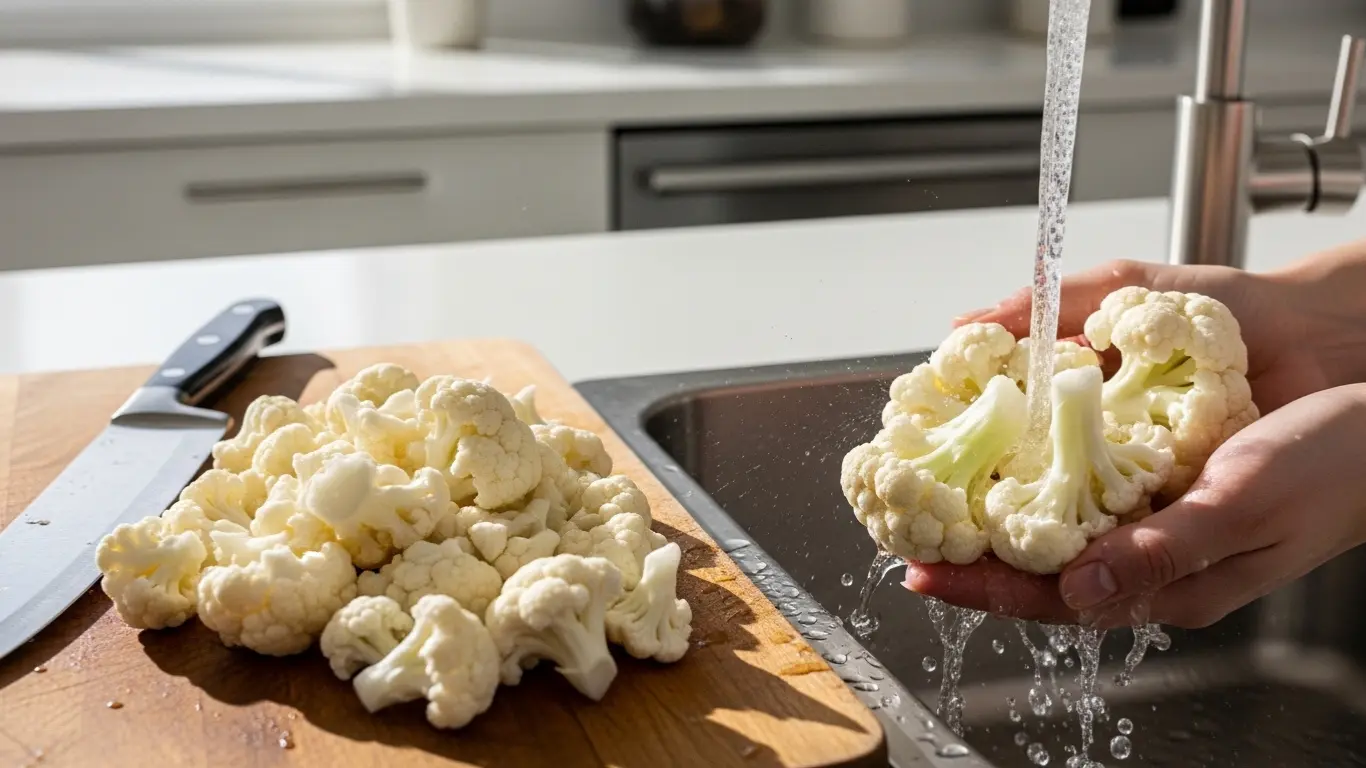
Washing Your Cauliflower
Start by giving your cauliflower a good wash under cool, running water. Gently separate the florets from the main stalk. Sometimes, dirt can hide in the nooks and crannies of the florets.
Make sure to rinse them well. You can also soak them in a bowl of water for a few minutes if you want to be extra sure they’re clean.
Cutting Cauliflower Into Manageable Pieces
Once your cauliflower is clean, it’s time to cut it. The goal is to create pieces that your blender can easily grab and process. Smaller pieces are always better.
Aim for florets that are about 1-2 inches in size. This size is ideal for most blenders, from personal blenders to larger, more powerful models. You can use a knife to cut the larger florets into smaller ones.
Don’t worry about perfect shapes. The blender will do the work of breaking them down. Just make sure they are roughly the same size so they blend evenly.
This uniformity helps prevent some pieces from becoming powder while others remain whole.
Raw vs. Cooked Cauliflower For Blending
When asking, can you blend cauliflower in a blender, you also need to consider if it should be raw or cooked. Both methods work, but they give different results and are suitable for different recipes. The choice often depends on what you’re trying to achieve.
Blending Raw Cauliflower
Blending raw cauliflower is a great option for many recipes. It’s quick because there’s no cooking time involved. Raw cauliflower blends down very well, especially into a fine “rice” texture.
This is perfect for making cauliflower rice, which can be used as a substitute for grains in dishes like stir-fries or bowls.
However, raw cauliflower can be a bit tougher on your blender’s motor. If you have a less powerful blender, it might struggle a bit. Blending raw cauliflower also results in a slightly more fibrous texture compared to cooked cauliflower.
For smoothies or creamy sauces where a super smooth texture is key, you might need to blend for a longer time or use a high-powered blender.
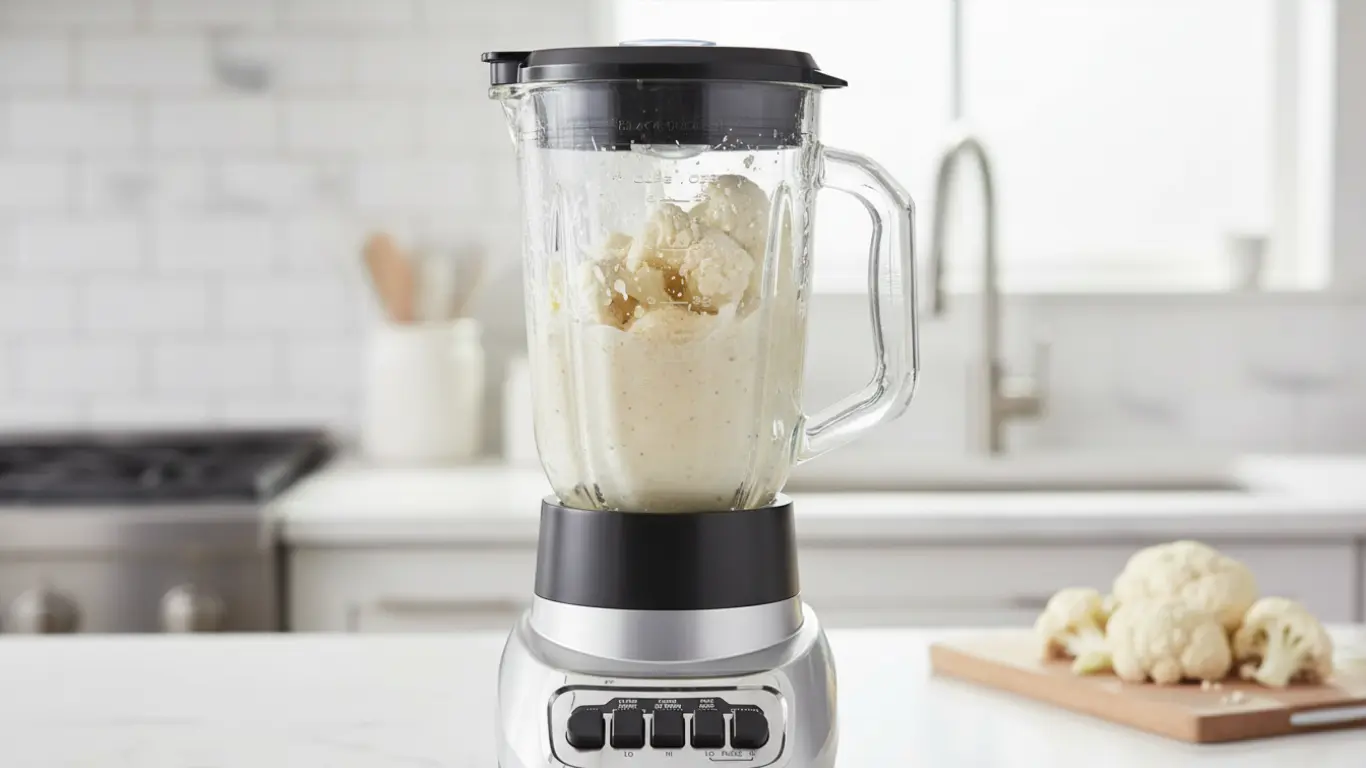
Blending Cooked Cauliflower
Cooking cauliflower before blending makes it much softer and easier to process. Steaming or boiling cauliflower until it’s tender is a popular method. Once cooked, it breaks down incredibly easily in the blender.
Cooked cauliflower yields a much smoother, creamier texture. This makes it ideal for making smooth soups, purees, or creamy dips. The cooking process breaks down the fibers, making it more digestible and giving it a milder flavor.
If you’re aiming for a very smooth, almost liquid consistency, cooking it first is often the better choice.
To steam cauliflower, place the florets in a steamer basket over boiling water and cook until fork-tender, usually 5-10 minutes. For boiling, submerge the florets in water and cook until tender. Drain them well before blending to avoid a watery result.
Choosing The Right Blender
The type of blender you have can also play a role in how well you can blend cauliflower. While most blenders can handle it to some extent, a more powerful one will make the job much easier and give you smoother results.
High-Powered Blenders
If you have a high-powered blender, like a Vitamix or Blendtec, blending cauliflower is a piece of cake. These blenders have strong motors and sharp blades that can easily pulverize raw or cooked cauliflower into a super fine powder or a silky smooth puree. You can often blend raw cauliflower into a texture that closely resembles rice with these machines.
Standard Blenders
For standard blenders, you might find it helpful to cook the cauliflower first, especially if you want a very smooth texture. Blending raw cauliflower in a standard blender might require you to blend in batches and scrape down the sides of the blender jar a few times. Be patient; it will get there, but it might take a little longer.
Personal Blenders
Personal blenders are great for smaller portions and single servings. They can certainly blend cauliflower, especially if it’s cooked. If you’re using raw cauliflower, you might need to cut it into very small pieces and blend in short bursts, allowing the motor to rest.
Tips For Perfect Blended Cauliflower
To ensure your blending experience goes smoothly, here are some helpful tips. These will help you get the best results whether you’re making cauliflower rice or a creamy sauce.
- Don’t overfill the blender: Leave enough space for the cauliflower to move around freely. Overfilling can strain the motor and lead to uneven blending.
- Add a little liquid: If you’re blending raw cauliflower or struggling to get a smooth consistency, add a tablespoon or two of water, broth, or milk. This helps the blades catch the cauliflower and creates a smoother flow. For cooked cauliflower, the residual moisture might be enough.
- Pulse and Scrape: If your blender is having trouble, use the pulse function to break up larger chunks. Stop the blender occasionally and scrape down the sides of the jar with a spatula to ensure all the cauliflower gets blended.
- Start slow, then increase speed: Begin blending on a low speed to chop the cauliflower, then gradually increase the speed to achieve your desired consistency.
- Blend in batches: If you’re working with a large amount of cauliflower, it’s better to blend it in smaller batches. This prevents your blender from overheating and ensures each batch is blended evenly.
Common Uses For Blended Cauliflower
Now that you know can you blend cauliflower in a blender, let’s talk about what you can do with it! Blended cauliflower is incredibly versatile and can be a healthy addition to many meals.
Cauliflower Rice
This is probably the most popular use for blended cauliflower. Raw cauliflower, when pulsed in a food processor or a powerful blender, breaks down into small, rice-like grains. You can then cook this cauliflower rice just like regular rice or use it as a base for many dishes.
Smooth Soups and Purees
Cooked cauliflower blends into a wonderfully creamy base for soups. You can add other vegetables, herbs, and spices for a flavorful and healthy soup. It also works well for purees used as side dishes or as a base for sauces.
Dairy-Free Sauces and Dips
When blended until very smooth with a little liquid and seasonings, cauliflower can create creamy, dairy-free sauces and dips. Think of it as a healthy alternative to traditional cream-based sauces.
Smoothies
Adding a handful of raw or lightly steamed cauliflower to your smoothie is a secret health hack! It adds thickness and nutrients without significantly altering the taste, especially when paired with fruits like berries or bananas. You usually can’t taste it at all.
Cauliflower Mash
Similar to mashed potatoes, steamed and blended cauliflower can create a light and healthy mash. It’s a fantastic low-carb alternative.
Troubleshooting Common Blending Issues
Even with the best tips, you might run into a small issue here and there. Let’s quickly address them so you can keep blending with confidence.
Chunky Cauliflower
If your blended cauliflower is still chunky, it usually means one of a few things: your blender isn’t powerful enough for raw cauliflower, the pieces were too large, or you didn’t blend it for long enough. Try cutting the pieces smaller, adding a touch more liquid, or blending for an extra 30 seconds. If you’re using raw cauliflower, consider steaming it first for a smoother result.
Watery Texture
A watery texture often comes from over-steaming or over-boiling the cauliflower, leaving too much excess water. Make sure to drain your cooked cauliflower very well. If you add too much liquid to your blender, it can also make the final product watery.
Start with a small amount of liquid and add more only if needed.
Blender Motor Struggling
If your blender’s motor seems to be straining, stop the blender. You might have too much cauliflower in the jar, or the pieces are too large. Try removing some cauliflower, cutting it into smaller bits, or adding a little liquid to help it move.
For raw cauliflower, this is more common with less powerful blenders. Pre-cooking it will make it much easier for your blender.
Frequently Asked Questions
Question: Can I blend frozen cauliflower in a blender?
Answer: Yes, you can blend frozen cauliflower. It’s often easier to blend when frozen as it’s already broken down. Ensure your blender can handle frozen ingredients, and you may need to add a little liquid.
Question: How long should I blend cauliflower?
Answer: This depends on your desired texture and blender power. For cauliflower rice, pulse until grainy. For a puree, blend until smooth, which might take 1-2 minutes in a high-powered blender.
Question: Will blending cauliflower make my smoothie taste like cauliflower?
Answer: Typically, no. When blended raw and in moderation with other ingredients like fruits, the flavor of cauliflower is very mild and usually masked by other flavors. It mainly adds thickness and nutrients.
Question: Is it better to use a blender or a food processor for cauliflower?
Answer: Both can work. Food processors are excellent for making cauliflower rice due to their wider bowl, which can process more at once and give a better “rice” texture. Blenders are great for smooth purees and soups.
Question: Can I blend cauliflower stems too?
Answer: Yes, the stems are edible and can be blended. Make sure to remove any tough outer skin and chop them into smaller pieces, as they can be a bit tougher than the florets.
Final Thoughts
Yes, you absolutely can blend cauliflower in a blender. It is a straightforward process with minimal effort. Whether you choose to blend it raw for a grainy texture like rice or cooked for a smooth puree, your blender is a valuable tool.
Preparing the cauliflower by washing and cutting it into small florets is key. With a few simple tips, you can achieve great results for many healthy and delicious recipes.

I’m Joshua Miller, a U.S.-based food enthusiast and Co-Founder of KitchenWink.com. With a Bachelor’s degree in Food Science and over five years of hands-on experience testing blenders, coffee makers, and other kitchen tools, I focus on real-world results—not lab theories.
As a home cook, I personally test every product in real kitchens to give you honest, practical advice that makes everyday cooking easier.