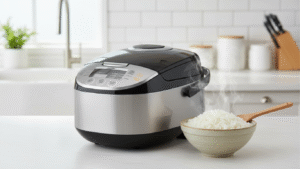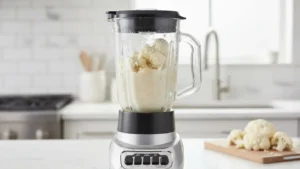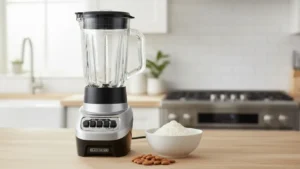
Sometimes you want to make fluffy rice for a recipe, but you might wonder if you can blend rice in a blender. Many beginners feel unsure about this because rice is a grain, and blenders are usually for softer things like fruits or smoothies. It can seem a bit tricky!
But don’t worry, it’s actually quite simple once you know how. We’ll walk through it step-by-step so you can easily blend rice for all your cooking needs.
Key Takeaways
- You can successfully blend rice in a blender.
- Blending rice can create fine flour or a coarser texture.
- The type of blender and rice matters for the best results.
- Soaking rice can help achieve a smoother blend.
- Proper technique ensures you can blend rice effectively.
- Blending rice opens up new cooking possibilities.
Can You Blend Rice In A Blender
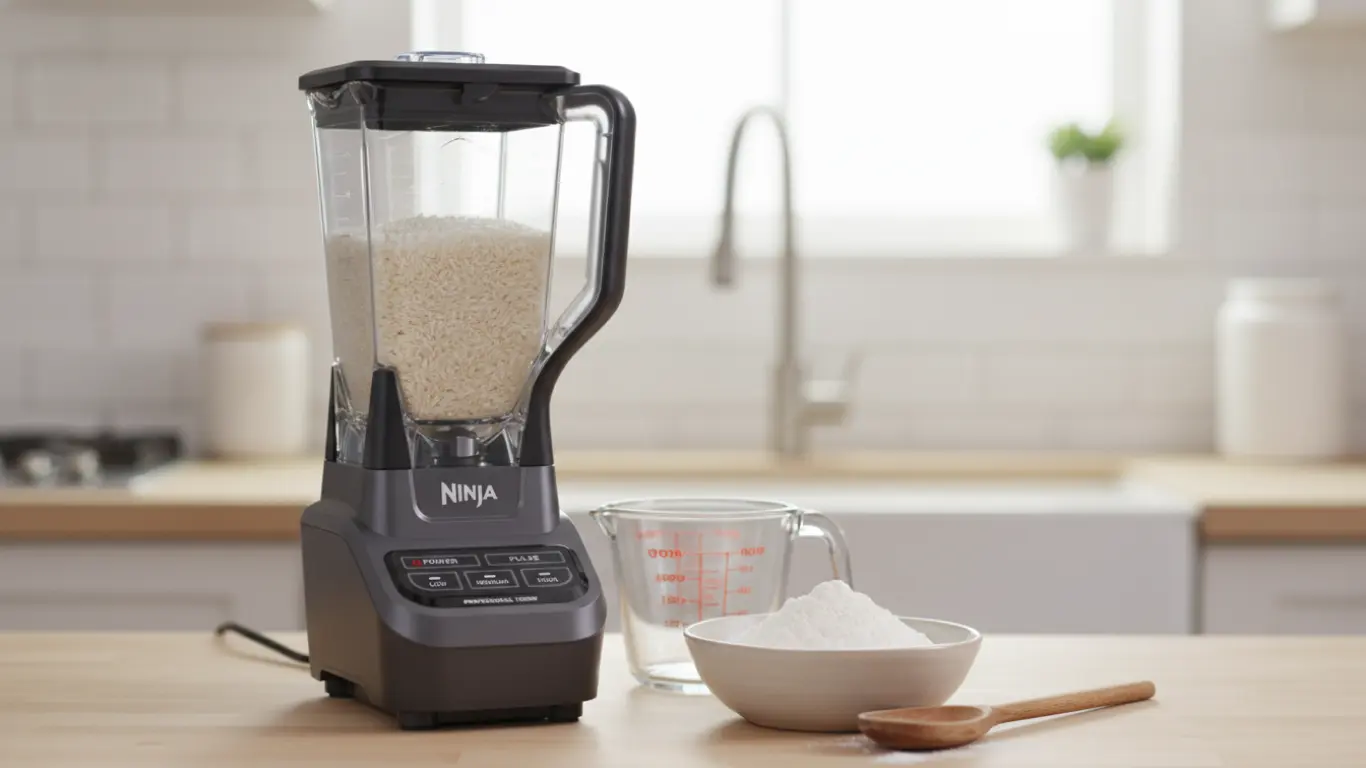
It’s a common question for home cooks: can you blend rice in a blender? The answer is a definite yes! Blending rice isn’t just possible; it’s a fantastic way to create homemade rice flour, make creamy rice puddings, or even prepare baby food.
Many people think blenders are only for liquids or soft foods, making them hesitate to try blending grains. However, with the right approach, your blender can handle rice with ease, opening up a world of culinary creativity.
Using a blender for rice can transform how you cook. Instead of buying pre-made rice flour, you can make your own fresh batch right at home. This gives you more control over the texture and ensures you’re using the exact type of rice you want.
Whether you’re aiming for superfine flour for delicate pastries or a slightly coarser grind for certain dishes, blending rice offers flexibility.
Understanding the Process
When you consider blending rice, the main things to keep in mind are the type of rice you are using and the power of your blender. Different types of rice, like white rice, brown rice, or even sticky rice, will yield slightly different results. White rice tends to blend into a finer flour more easily than brown rice, which has a husk that can make the process a little tougher.
The power of your blender also plays a significant role. A high-powered blender, like a Vitamix or Blendtec, will pulverize rice much more effectively and quickly than a standard home blender. However, even with a less powerful machine, you can still achieve good results with a bit of patience and the right technique.
Preparing Your Rice
Before you start blending, there are a couple of ways to prepare your rice, depending on the desired outcome. If you want to make rice flour, it’s usually best to start with dry, uncooked rice. Ensure the rice is completely dry.
Even a little moisture can cause the grains to clump together, making it hard for the blender to do its job efficiently.
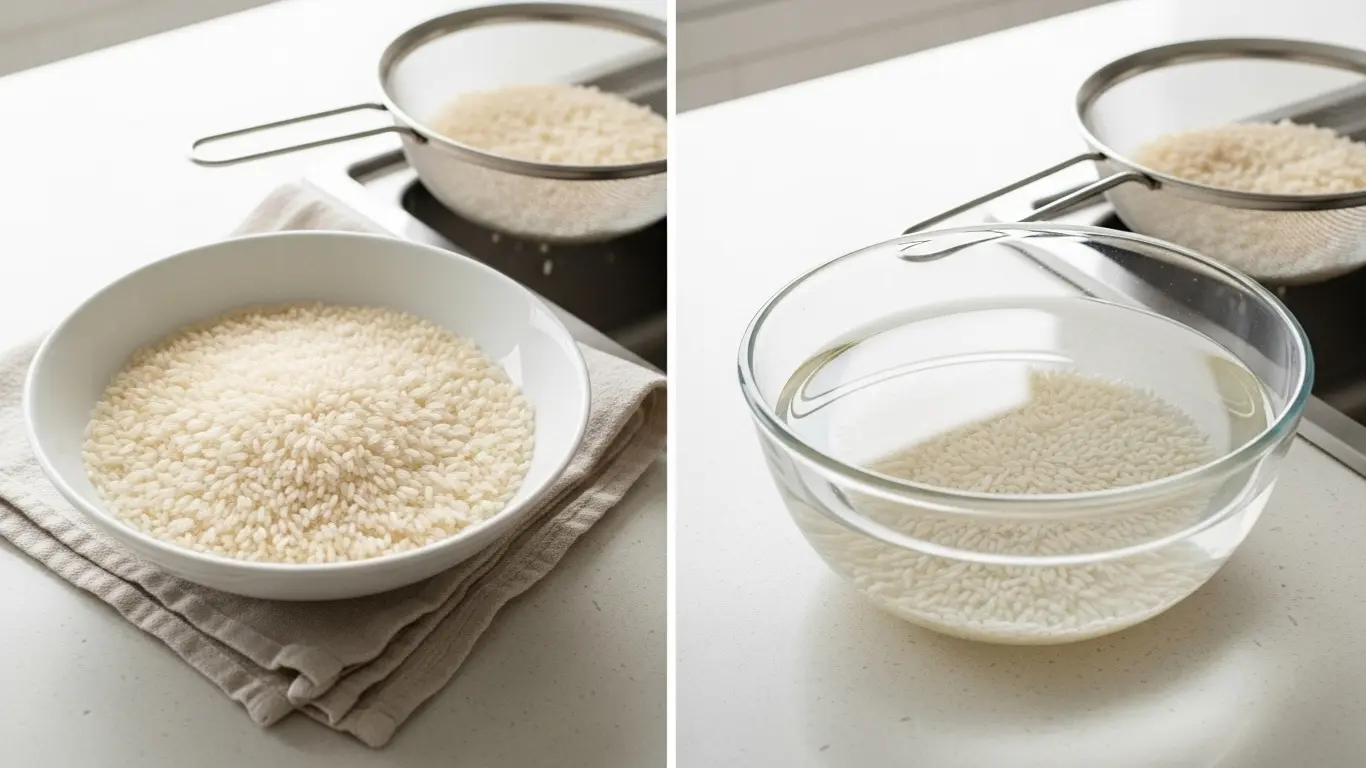
For some recipes, especially those where you want a very smooth consistency or are using a less powerful blender, soaking the rice can be beneficial. Soaking the rice softens the grains, making them easier to break down. You can soak uncooked rice in water for a few hours or even overnight.
After soaking, it’s crucial to drain the rice thoroughly and pat it dry with a clean towel before blending.
Choosing the Right Blender
The type of blender you use will greatly affect the ease and quality of your blended rice. High-speed blenders are ideal for this task. They have powerful motors and sharp blades that can pulverize dry grains into a fine powder very quickly.
If you have a high-speed blender, you can likely blend uncooked rice into flour in a matter of seconds.
If you have a more basic blender, you might need to work in smaller batches. Also, you may need to blend for longer periods and pulse the blender to avoid overheating the motor. It’s also wise to let the blender cool down between batches if you’re processing a large amount of rice.
Steps to Blend Rice
Here’s a simple, step-by-step guide for when you want to blend rice:
- Measure your rice.
- Ensure the rice is completely dry if making flour. If soaking, drain and dry it well.
- Add the rice to your blender. Don’t overfill the blender. Work in batches if needed.
- Secure the lid tightly.
- Start blending on a low speed and gradually increase to high.
- Blend until you achieve the desired consistency. For flour, this might take 30 seconds to 2 minutes in a high-speed blender. For coarser textures, blend for less time.
- Stop the blender and check the consistency. You may need to shake the blender jar or use a spatula to scrape down the sides and blend again.
- Pour the blended rice into a bowl or container.
Blending Cooked Rice
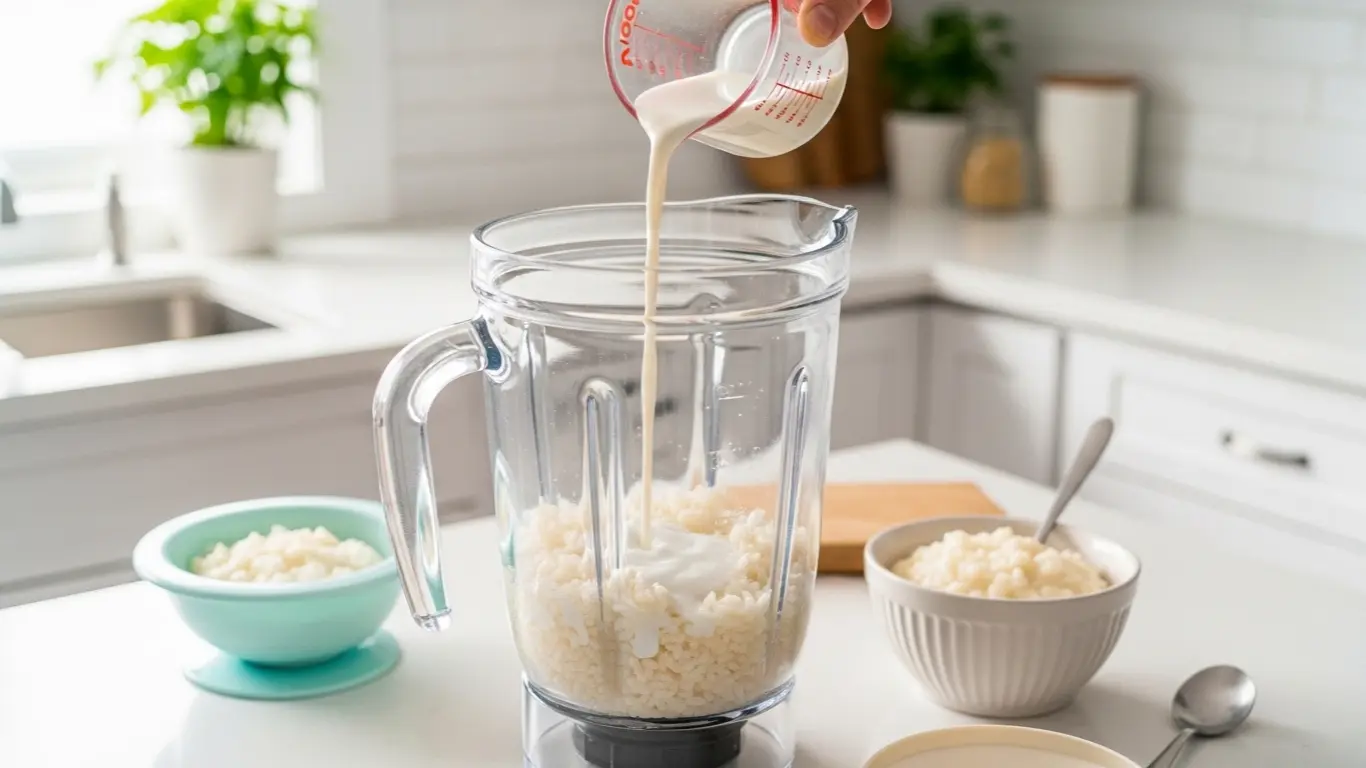
While blending uncooked rice is common for making flour, you can also blend cooked rice. This is often done for recipes like rice pudding, congee, or for making baby food. Blending cooked rice is generally much easier because the grains are already soft.
You’ll need to add some liquid, such as water, milk, or broth, to help the blender process the rice smoothly.
When blending cooked rice, start with a small amount of liquid and add more as needed. Too much liquid can result in a watery mixture, while too little can make it difficult for the blender to create a creamy texture. The goal is usually a smooth, thick consistency.
Tips for Success
To get the best results when you blend rice, consider these tips:
- Dryness is Key for Flour: For rice flour, ensure your rice is bone dry. Any moisture will create clumps.
- Batch Work: Don’t overload your blender, especially if it’s not a high-powered model. Smaller batches blend better and reduce the risk of overheating.
- Pulse and Shake: If the rice isn’t blending evenly, stop the blender, shake the jar, or use a tamper (if your blender has one) to move the rice around. Then, blend again.
- Clean Blender Jar: A clean blender jar with no residue from previous uses will ensure pure rice flour or texture.
- Cool Down: If you’re blending a lot of rice, give your blender a break between batches to prevent the motor from getting too hot.
- Sift for Fine Flour: If you’re aiming for a very fine rice flour, you can sift it after blending. This removes any larger pieces that didn’t get fully pulverized.
Why Blend Rice
There are several compelling reasons why you might want to blend rice. One of the most popular is making your own rice flour. Rice flour is a gluten-free alternative that’s perfect for baking.
It’s used in many Asian cuisines for noodles, coatings, and desserts. Making it yourself is cost-effective and allows you to choose organic or specific rice varieties.
Another great application is for creating smooth, creamy textures in dishes. Blended cooked rice can thicken sauces, soups, and stews. It’s also excellent for making homemade baby food, providing a nutritious and easily digestible meal for infants.
For those with digestive issues, blended rice can be easier to digest than whole grains.
Think about making homemade rice milk. While there are many store-bought options, making your own is simple and avoids preservatives. Blended rice, often soaked, forms the base for a dairy-free milk alternative.
It’s also a base for some fermented products.
Potential Challenges
While blending rice is straightforward, a few potential challenges might arise. One is achieving a truly fine flour with a standard blender. You might end up with a slightly coarser texture, which is still useful for many recipes but might not be ideal for delicate baking requiring superfine flour.
This is where a high-powered blender truly shines.
Another challenge can be the blender’s motor overheating, especially if you’re blending for extended periods or processing a large quantity. This is more common with less powerful blenders. Always pay attention to the sounds your blender makes and give it breaks if it seems to be struggling.
Finally, if you don’t dry the rice thoroughly before blending for flour, you can end up with a paste or clumpy mess rather than powder. This is a common mistake for beginners. Taking that extra step to ensure complete dryness is vital.
Rice Varieties for Blending
The type of rice you choose can influence your blending experience and the end product. Here’s a quick look:
| Rice Type | Best For | Blending Notes |
|---|---|---|
| White Rice (e.g., Jasmine, Basmati) | Fine flour, general use | Blends easily into a fine powder. Great for all-purpose rice flour. |
| Brown Rice | Nutritious flour, coarser texture | Has more fiber and nutrients. May require longer blending or a stronger blender. Produces a slightly coarser flour. |
| Sticky Rice (Glutinous Rice) | Thickening, specific Asian desserts | When blended dry, can create a very starchy flour. When cooked and blended, creates a very thick, creamy texture. |
| Arborio Rice | Risotto base, thickening | Blends well when cooked to thicken dishes like risotto or porridges. |
Experimenting with different rice varieties can lead to unique textures and flavors in your cooking. For example, brown rice flour offers a nuttier taste and more fiber than white rice flour.
Frequently Asked Questions
Question: Can I use any blender to blend rice
Answer: While high-powered blenders work best, you can use most blenders. For standard blenders, work in smaller batches and blend for shorter periods to avoid overheating.
Question: How long does it take to blend rice
Answer: In a high-speed blender, it takes about 30 seconds to 2 minutes to turn uncooked rice into flour. A standard blender might take longer, and you may need to pulse it.
Question: Should I blend rice wet or dry
Answer: For rice flour, always blend dry, uncooked rice. For dishes like rice pudding or baby food, you will blend cooked rice with added liquid.
Question: What if my blender is struggling to blend the rice
Answer: If your blender is struggling, stop and let it cool down. You can also try adding a small amount of liquid if blending cooked rice or reducing the amount of rice if blending dry.
Question: Can I make rice flour for gluten-free baking
Answer: Yes, blending uncooked rice is a great way to make your own gluten-free rice flour. Ensure you achieve a fine enough consistency for your baking needs.
Final Thoughts
So, can you blend rice in a blender? Absolutely! It’s a straightforward process that unlocks many kitchen possibilities.
Whether you want to make fine rice flour for baking or a smooth base for a creamy dish, your blender can handle it. Just remember to ensure dryness for flour and use enough liquid for cooked rice. Enjoy experimenting with your newly blended rice creations!

I’m Joshua Miller, a U.S.-based food enthusiast and Co-Founder of KitchenWink.com. With a Bachelor’s degree in Food Science and over five years of hands-on experience testing blenders, coffee makers, and other kitchen tools, I focus on real-world results—not lab theories.
As a home cook, I personally test every product in real kitchens to give you honest, practical advice that makes everyday cooking easier.