Many people wonder, can you keep rice in the rice cooker on warm? It is a common question for anyone using a rice cooker for the first time. You just cooked a big batch of rice, but not everyone is ready to eat yet.
You don’t want it to get cold and hard, but you also don’t want it to turn mushy or dry out. It can feel a little tricky to get right. But don’t worry!
Keeping your rice perfectly warm and ready to serve is simple once you know how. Let’s walk through the easy steps to make sure your rice stays delicious.
Keeping Rice Warm In Your Rice Cooker
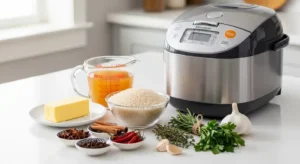
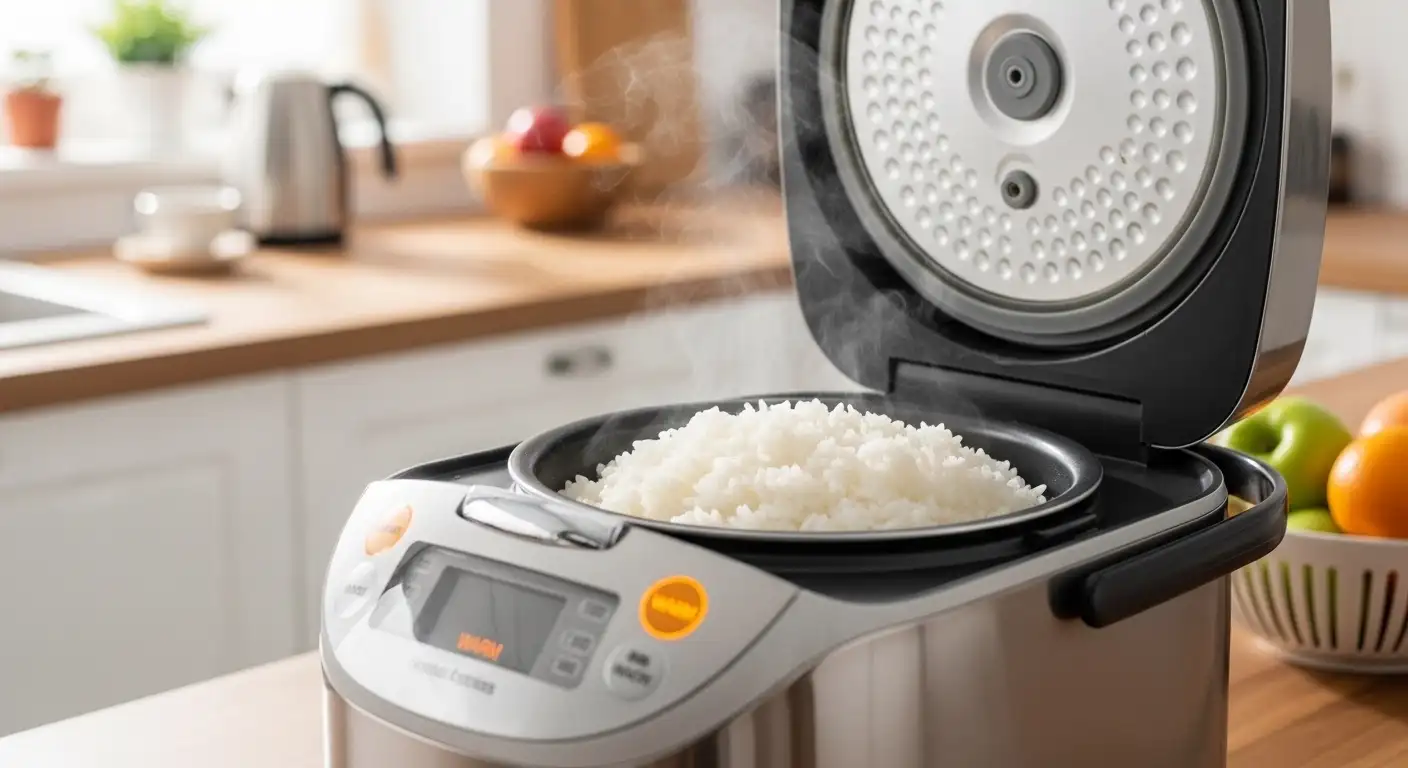
Rice cookers are fantastic kitchen appliances. They make cooking rice so easy. One of their best features is the “keep warm” function.
This is designed to hold your cooked rice at a safe and pleasant temperature for a few hours. You do not have to eat rice right away when it is done cooking. The warm setting lets you serve your rice when everyone is ready.
The idea behind the warm setting is simple. After the rice is cooked, the cooker switches automatically to a lower heat. This gentle heat prevents the rice from sticking to the bottom of the pot.
It also stops it from drying out. Think of it as a gentle hug for your rice, keeping it soft and fluffy. This is why the question, can you keep rice in the rice cooker on warm, has a positive answer.
It’s what the appliance is built to do.
How The Keep Warm Function Works
Most modern rice cookers have a special button or setting for “warm.” When your rice finishes cooking, the cooker senses it. It then automatically moves from the “cook” mode to the “warm” mode. This transition is usually very smooth.
You might see a light change on your cooker to show it is now in warm mode.
The temperature on the warm setting is typically between 140°F and 160°F (60°C to 71°C). This range is hot enough to prevent bacteria growth but not so hot that it burns the rice. It is just the right temperature to keep the rice at a good eating consistency.
Some older or very basic models might not have a separate “warm” button. In these cases, the cooking cycle might just end and turn off. For these, you would need to manually switch the cooker to a low heat setting if it has one, or transfer the rice to another container.
However, for the vast majority of rice cookers, especially those with digital displays or multiple buttons, the “keep warm” function is standard. It is a key feature that makes life easier in the kitchen.
Tips for Keeping Rice Perfectly Warm
While the “keep warm” function is automatic, there are a few things you can do to get the best results. Following these simple tips will help your rice stay at its best for longer.
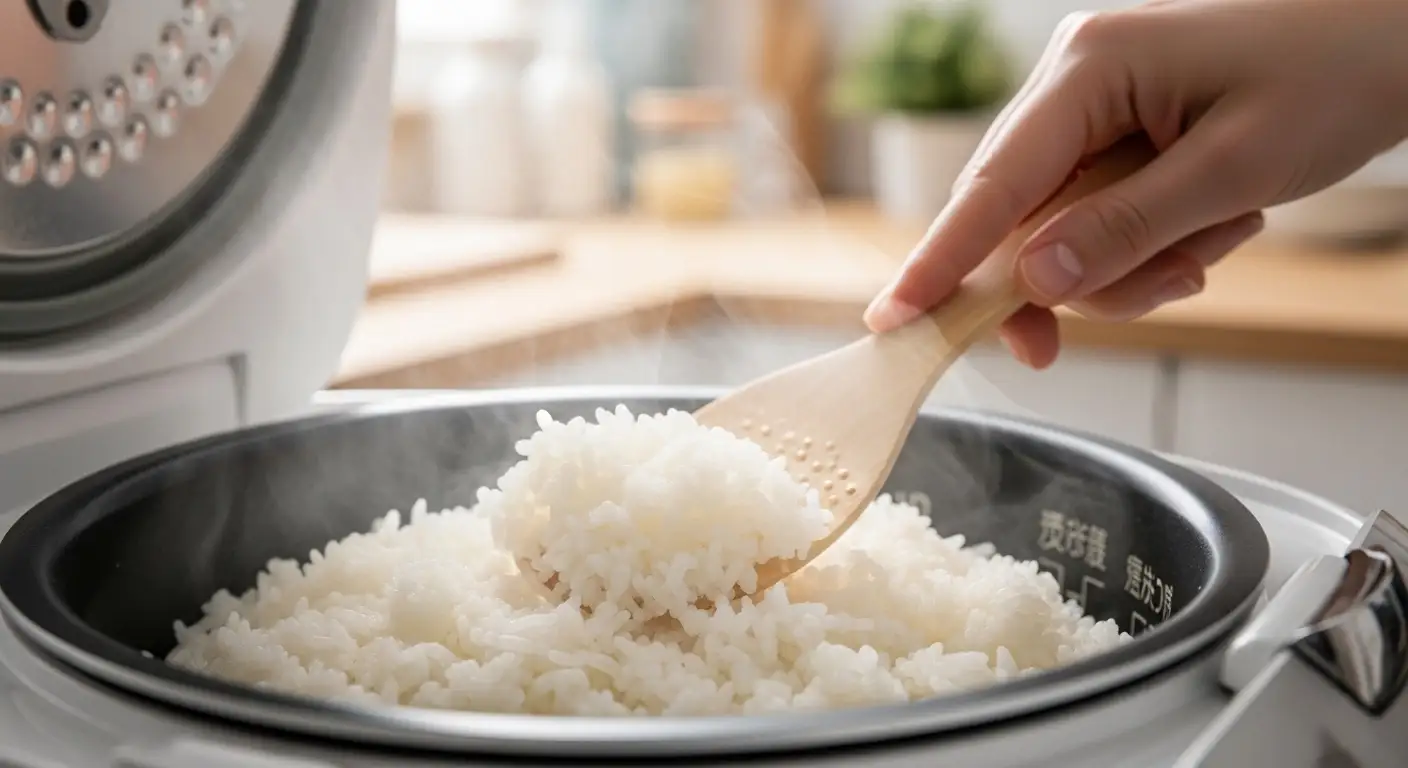
- Fluff Your Rice First: Before you switch to the warm setting, use the paddle that came with your rice cooker to gently fluff the rice. This releases steam and helps prevent the rice from becoming too sticky or mushy. It also helps to separate the grains.
- Don’t Leave It Too Long: The “keep warm” function is great, but it is not meant for indefinite storage. Most manufacturers recommend using the rice within 24 hours. For the best taste and texture, aim to eat it within a few hours.
- Check The Water Level: Sometimes, if you leave rice on warm for a very long time, it can start to dry out a bit. If you notice this happening, you can add a tablespoon or two of water and fluff again. This is more common if your cooker’s seal is not perfect.
- Clean Your Rice Cooker Regularly: A clean rice cooker works best. Make sure to wash the inner pot and the lid after each use. This helps maintain the cooker’s performance and prevents any leftover flavors from affecting your rice.
Different Types Of Rice And Warm Settings
You might wonder if different types of rice behave differently on the warm setting. Generally, the “keep warm” function works well for most common rice types.
White Rice
White rice is the most common type of rice cooked. It tends to stay soft and fluffy on the warm setting for a good amount of time. The starch in white rice holds moisture well, which is why it holds up nicely.
Brown Rice
Brown rice has more fiber and a tougher bran layer. It can sometimes dry out a little faster on the warm setting compared to white rice. If you are keeping brown rice warm for a longer period, you might need to add a little extra water.
Gently fluffing it can also help distribute any moisture.
Jasmine And Basmati Rice
These aromatic long-grain rices also do well on the warm setting. They tend to remain separate and fragrant. Again, fluffing them after cooking is a good practice.
Sushi Rice
Sushi rice is cooked to be sticky. The warm setting helps maintain this stickiness without making it hard. However, for the very best sushi, freshly cooked rice is usually preferred.
If you must keep it warm, ensure you fluff it gently.
The key for all rice types is to ensure it was cooked correctly in the first place. If the water ratio is off, even the warm setting might not save it.
How Long Can You Safely Keep Rice Warm
This is a very important aspect of the question, can you keep rice in the rice cooker on warm. Food safety is paramount. While the warm setting keeps rice at a temperature that slows down bacterial growth, it does not stop it completely.
Bacteria can still grow if rice is left on warm for too long.
Most food safety guidelines suggest that cooked rice should not be left at room temperature for more than two hours. The “keep warm” setting in a rice cooker helps extend this. Manufacturers typically recommend keeping rice on the warm setting for no more than 24 hours.
However, it is important to note that the quality of the rice will decrease over time. After many hours, the texture can become dry, hard, or mushy. The taste may also be affected.
For the best eating experience, it is advisable to consume rice within 3 to 6 hours of it being cooked and kept warm. If you plan to store rice for longer than 24 hours, it is best to cool it completely, refrigerate it, and then reheat it properly.
Always use your senses. If the rice looks dry, smells off, or has an unusual texture, it is best to discard it. When in doubt, throw it out.
Troubleshooting Common Rice Cooker Warm Issues
Sometimes, even with the best intentions, things can go a little wrong. Here are a few common problems and how to fix them.
Rice Is Dry And Hard
This can happen if the rice cooker’s seal is not tight or if it has been on the warm setting for too long without any moisture. To fix this, add a couple of tablespoons of water to the rice. Gently fluff the rice with a paddle or fork to distribute the water.
Then, close the lid and let it sit for 10-15 minutes. The steam should help soften the rice.
Rice Is Mushy Or Gummy
This usually means too much water was used during the cooking process, or the rice was left on the warm setting for an extended period and absorbed too much condensation. Fluffing the rice thoroughly can help to air it out a bit. You can also try spreading the rice on a baking sheet for a short time to let some moisture evaporate, but be mindful of food safety if it’s been cooked for many hours.
Ensure you are using the correct water-to-rice ratio for your specific rice type next time.
Rice Sticks To The Bottom
A well-functioning warm setting should prevent this. If your rice is sticking, it might mean the warm setting is not hot enough, or the non-stick coating in the inner pot is damaged. Gently scraping the rice from the bottom might help.
For future cooking, make sure to fluff the rice right after it finishes cooking and before engaging the warm function for longer periods.
“Warm” Light Is On But Cooker Isn’t Heating
This could indicate a malfunction with the rice cooker. If the “warm” light is on but the pot is cold, the heating element might be broken or there’s an electrical issue. In this case, it’s best to consult your rice cooker’s manual or contact the manufacturer.
For immediate needs, you would have to transfer the rice to another warming method or serve it as is.
Can You Keep Other Foods On Warm In A Rice Cooker
While rice cookers are designed for rice, some people try to keep other foods warm. This is generally not recommended. The “keep warm” setting is calibrated for rice and its moisture content.
Other foods might not heat evenly, could dry out too quickly, or even become a food safety risk if not kept at a consistent, safe temperature.
For instance, trying to keep pasta warm could result in it becoming a sticky, starchy mass. Steamed vegetables might overcook and become mushy. Meats and other protein-rich foods could enter the “danger zone” for bacterial growth if the warm setting isn’t sufficient to keep them consistently above 140°F (60°C).
If you need to keep other foods warm, it’s better to use methods specifically designed for them, like a warming tray, a slow cooker on its warm setting, or a low oven temperature. Always prioritize food safety.
Frequently Asked Questions
Question: Can you leave rice in the rice cooker on warm overnight
Answer: It is generally not recommended to leave rice in the rice cooker on the warm setting overnight. While the warm function slows bacterial growth, it does not stop it. For optimal food safety and quality, it’s best to consume rice within a few hours, or at most, within 24 hours.
After that, consider refrigerating and reheating.
Question: Does the warm setting make rice mushy
Answer: The warm setting itself should not make rice mushy. Mushiness is usually caused by too much water during cooking or by the rice sitting for a very long time and accumulating too much condensation. Fluffing the rice after cooking and periodically during the warm cycle can help prevent this.
Question: How much does the warm setting use electricity
Answer: The warm setting uses significantly less electricity than the cooking cycle. It’s a low-power heat to maintain temperature. The exact amount of energy used will vary depending on the wattage of your rice cooker and how long it’s in warm mode.
Question: Can I reheat rice using the warm setting
Answer: No, the warm setting is not designed for reheating. It is meant to keep already cooked rice at a safe temperature. To reheat rice, you should use the regular cook cycle or reheat it on the stovetop or in a microwave until it is steaming hot throughout.
Question: What if my rice cooker does not have a warm setting
Answer: If your rice cooker does not have an automatic warm setting, you should ideally remove the rice once it is cooked and serve it immediately. If you need to keep it warm for a short period, you could transfer it to a pre-heated insulated container or a pot on very low heat on the stove, but be very careful to monitor it for safety.
Final Thoughts
Yes, you absolutely can keep rice in the rice cooker on warm. This feature is a lifesaver for busy households, allowing you to serve freshly cooked rice whenever everyone is ready. Just remember to fluff your rice after cooking for the best texture.
While the warm setting is convenient, aim to eat the rice within a few hours for peak flavor and texture. For longer storage, proper cooling and refrigeration are key.