Many people wonder, can you leave a slow cooker on overnight? It’s a common question, especially for busy folks who want dinner ready when they get home. Some might feel a little worried about leaving an appliance on all night.
But don’t worry! It’s usually quite safe and simple. This guide will walk you through exactly what you need to know, step by step, so you can enjoy delicious, slow-cooked meals without any stress.
Let’s get cooking!
Is It Safe To Leave A Slow Cooker On Overnight
The short answer is yes, in most cases, it is safe to leave a slow cooker on overnight. Slow cookers are designed for long, unattended cooking. They use low temperatures to cook food slowly and evenly.
This makes them perfect for busy schedules. Think of it like a safe oven that’s set to a very low heat for a long time.
The main reason people ask, can you leave a slow cooker on overnight, is concern about food safety. They worry about food sitting at a temperature that might allow bacteria to grow. However, slow cookers work by bringing food up to a safe temperature and keeping it there.
This process is called “time and temperature control” in food safety terms. As long as your slow cooker is in good working order and you follow simple guidelines, you can cook safely overnight.
How Slow Cookers Work
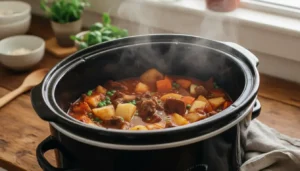
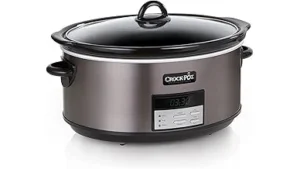
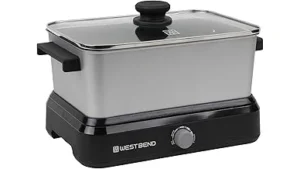
A slow cooker, also known as a Crock-Pot, is an electric pot used for cooking food at a relatively low temperature. It has three main parts: the outer housing with the heating element, the insert pot (usually ceramic or porcelain), and a lid. The heating element wraps around the insert pot, providing gentle, consistent heat.
The cooker typically has different heat settings, most commonly “Low” and “High.” The “Low” setting cooks food at a lower temperature over a longer period, usually 6 to 10 hours. The “High” setting cooks food faster, typically in 3 to 4 hours. Both settings are designed to reach and maintain temperatures that are safe for cooking food.
Food Safety and Overnight Cooking
Food safety is a key concern when considering, can you leave a slow cooker on overnight. The “danger zone” for food is between 40°F (4°C) and 140°F (60°C). Bacteria can multiply rapidly in this temperature range.
The goal of safe cooking is to keep food out of this danger zone.
When you start a slow cooker, it first heats the food from room temperature up to a safe cooking temperature. On the “Low” setting, this usually takes about 1 to 2 hours. Once it reaches this safe temperature (which is above 140°F/60°C), it stays there for the rest of the cooking time.
This constant heat prevents bacteria from growing.
The USDA (United States Department of Agriculture) states that slow cookers are safe for overnight cooking if the food is kept at 140°F (60°C) or higher. Modern slow cookers are designed to do just that.
When Is It Okay To Leave Your Slow Cooker On
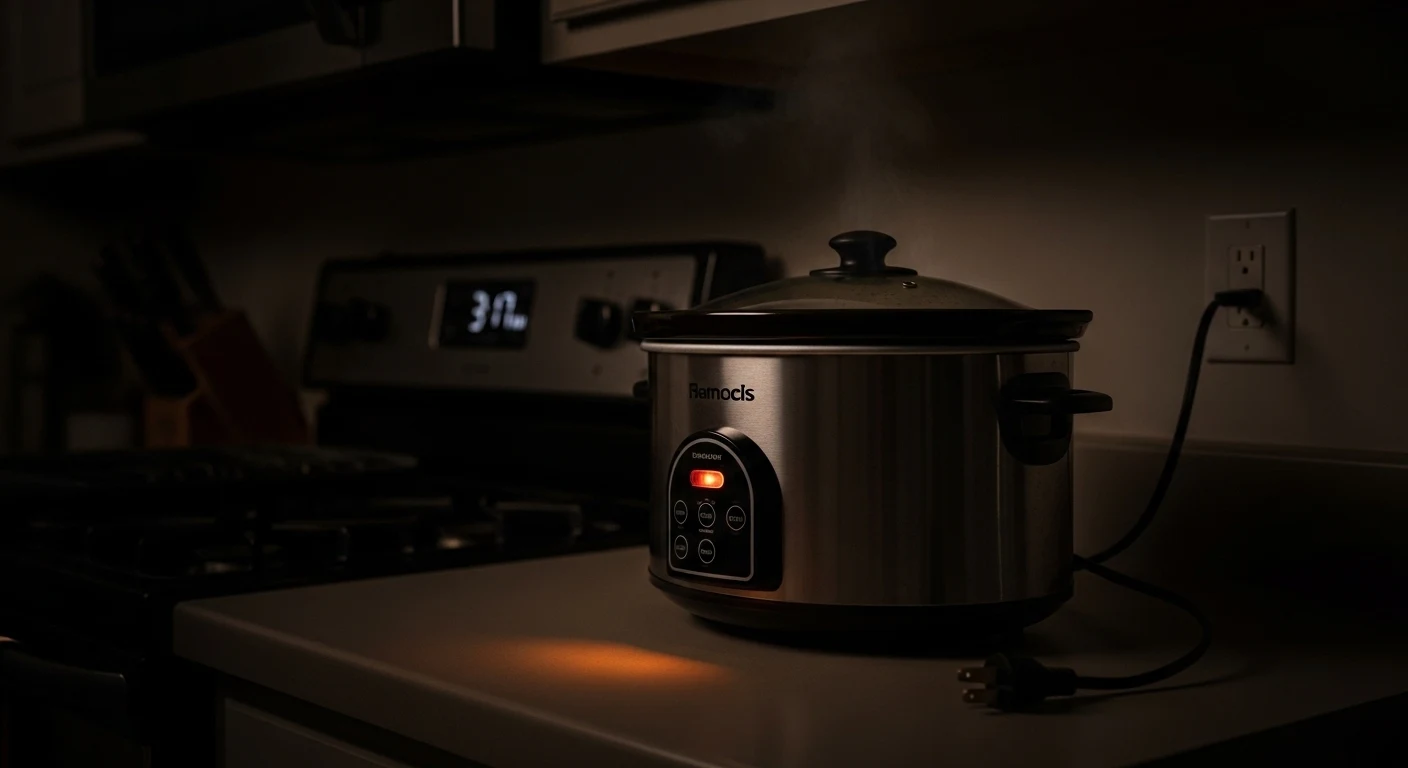
You can safely leave your slow cooker on overnight for most recipes, but there are a few things to keep in mind. The most important rule is to ensure your slow cooker is plugged in and functioning correctly. Check that it’s heating up before you leave it unattended.
Fill your slow cooker properly. It should be at least half full and no more than two-thirds full. This ensures even cooking and that the food reaches a safe temperature quickly.
Overfilling can prevent the food from heating up sufficiently, while underfilling can cause food to cook too quickly or dry out.
Choose recipes that are suitable for long cooking times. Stews, roasts, chilis, and soups are ideal. Avoid recipes that require delicate ingredients or precise cooking times, as these might overcook or become mushy during an overnight cook.
What To Do Before Leaving The Slow Cooker On
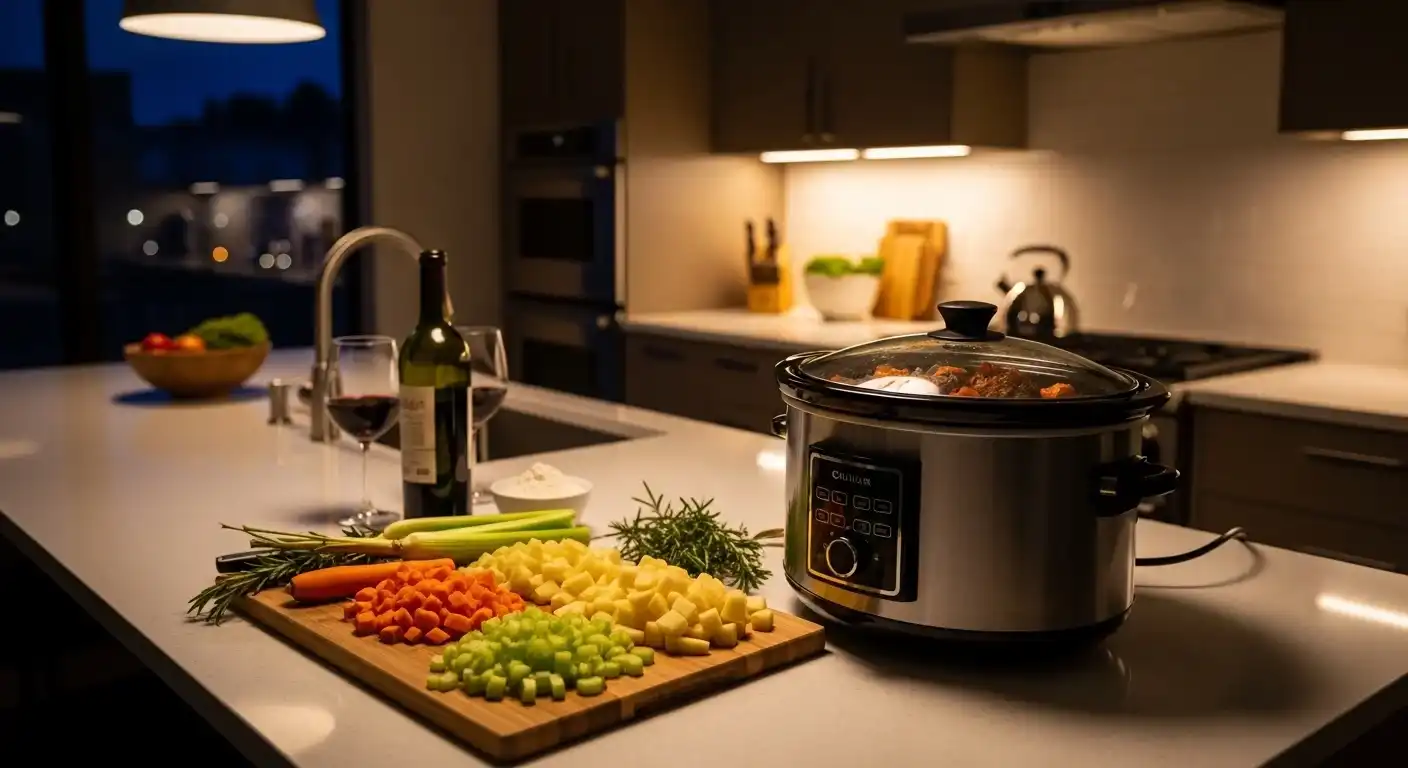
Before you head to bed, take a few simple steps to ensure your overnight slow cooking is a success. First, make sure all your ingredients are prepped and in the slow cooker. This includes washing vegetables, cutting meat, and adding liquids.
Pour in enough liquid. Most recipes call for some liquid, like broth, water, or sauce. This helps keep the food moist and ensures consistent cooking.
If you don’t add enough liquid, the food on the edges might dry out.
Stir everything together. Give the contents a good stir to ensure all ingredients are evenly distributed and covered in liquid. This helps the slow cooker heat everything uniformly.
Set the timer or heat setting. Most modern slow cookers have timers, which can be very useful. You can set them to turn off automatically after a certain number of hours.
If yours doesn’t have a timer, simply set it to the “Low” setting, which is best for overnight cooking.
Place the lid on securely. A tight-fitting lid is crucial. It traps heat and moisture, allowing the food to cook evenly and at the correct temperature.
If the lid is loose, heat can escape, leading to uneven cooking and potentially unsafe food temperatures.
What Not To Leave In A Slow Cooker Overnight
While many foods are perfect for overnight slow cooking, some are best avoided. Delicate vegetables like spinach or herbs can become overcooked and lose their flavor or texture. It’s better to add these towards the end of the cooking time.
Dairy products, such as milk, cream, or cheese, can sometimes curdle or separate when cooked for very long periods, especially on high heat. If your recipe includes dairy, it’s often best to add it in the last hour of cooking or stir it in just before serving.
Lean cuts of meat can become dry if cooked for too long. While slow cookers are great for tenderizing tougher cuts, very lean meats might benefit from shorter cooking times. If you’re cooking a lean meat, consider using the “High” setting for a shorter period or ensuring there is plenty of liquid.
Some specific ingredients might not be suitable for an 8-10 hour cook. Always check your recipe for any special instructions. For example, pasta or rice can sometimes turn to mush if cooked too long, though many recipes are designed to handle this.
Checking Your Slow Cooker
Before you leave your slow cooker on overnight, and ideally before you go to bed, check that it’s working as it should. You should be able to feel warmth radiating from the cooker, and the contents should be simmering gently. This confirms that the heating element is active and the food is beginning to cook safely.
If you’re unsure about the temperature, you can use a food thermometer. After a couple of hours on the “Low” setting, carefully insert a thermometer into the thickest part of the food. It should read at least 140°F (60°C).
If it’s lower, your slow cooker might not be heating properly, and it’s not safe to leave it on unattended.
Make sure the lid is on tight and the power cord is securely plugged into the outlet. Double-check that the outlet itself is functioning and not controlled by a faulty switch.
Choosing The Right Recipes
When you’re planning to cook overnight, selecting the right recipe is key. Recipes that are forgiving and designed for long, slow cooking are your best bet. Here are some popular categories:
- Soups and Stews: These are classics for a reason. The long cooking time melds flavors beautifully and tenderizes meats and vegetables perfectly.
- Roasts: Pot roasts, pork shoulders, and beef briskets become incredibly tender and flavorful when slow-cooked for many hours.
- Chili: Similar to stews, chili ingredients benefit from long simmering to develop deep, rich flavors.
- Pulled Meats: Pork shoulder or chicken breasts for pulled pork or chicken are ideal for overnight cooking. They become so tender they can be shredded with a fork.
- Beans and Grains: Dried beans, steel-cut oats, and some whole grains can be cooked overnight, saving you time in the morning.
Always refer to your specific recipe. Some recipes might have notes about cooking times or ingredient additions. If a recipe says to cook on “Low” for 8 hours, that’s usually a good indicator it’s suitable for overnight.
If it specifies a shorter time on “High” or involves quick-cooking ingredients, it might not be the best choice for an overnight cook.
Benefits Of Overnight Slow Cooking
The primary benefit of leaving your slow cooker on overnight is convenience. You can wake up to a delicious, fully cooked meal ready to be served or finished with minimal effort. This is a lifesaver for busy weekdays or when you have early mornings.
It also allows flavors to develop more deeply. The extended cooking time allows ingredients to meld together, creating richer, more complex tastes that are often hard to achieve with shorter cooking methods.
Another advantage is energy efficiency. Slow cookers typically use less electricity than conventional ovens or stovetop cooking for long durations. This can lead to small savings on your energy bills.
Finally, it helps reduce stress around meal preparation. Knowing that dinner is already cooking while you sleep can provide peace of mind and make the morning routine much smoother.
Potential Risks and How To Avoid Them
While generally safe, there are a few potential risks to be aware of when you consider, can you leave a slow cooker on overnight. One is appliance malfunction. If the heating element fails, the food could remain in the temperature danger zone for too long, allowing bacteria to grow.
To avoid this, ensure your slow cooker is in good working condition. Avoid using old, damaged, or recalled appliances. If you notice any strange smells or sounds, unplug it immediately.
Another risk is power outages. If the power goes out for an extended period, the food could be compromised. While most brief outages won’t cause harm, a long interruption could leave food in the danger zone.
To mitigate this, it’s best to use a slow cooker with a timer that can be set to turn off automatically. This way, if the power goes out, it will resume cooking when the power returns, or simply turn off safely. For recipes that are especially time-sensitive, you might want to avoid leaving them on overnight during storms or when power stability is a concern.
Lastly, overcooking can happen. Even on low, some foods can become dry or mushy if cooked for too long. Choosing appropriate recipes and filling the cooker correctly helps prevent this.
If a recipe calls for 4-6 hours on low, it might not be ideal for an 8-10 hour overnight cook.
Frequently Asked Questions
Question: Can I leave frozen meat in a slow cooker overnight
Answer: No, it is not safe to leave frozen meat in a slow cooker overnight. Frozen food takes too long to thaw and heat up to a safe temperature, which can allow bacteria to grow. Always thaw meat completely in the refrigerator before placing it in a slow cooker.
Question: What is the safest setting for overnight slow cooking
Answer: The safest setting for overnight slow cooking is the “Low” setting. This setting cooks food at a lower temperature for a longer duration, ensuring it reaches and maintains a safe internal temperature without overcooking or drying out.
Question: How do I know if my slow cooker is working properly
Answer: You can tell your slow cooker is working properly if it feels warm to the touch after an hour or two of cooking and the contents are gently simmering. For more certainty, use a food thermometer to check that the internal temperature reaches at least 140°F (60°C).
Question: Can I leave vegetables in a slow cooker overnight
Answer: Most vegetables can be left in a slow cooker overnight, especially root vegetables and heartier types. However, delicate greens like spinach or herbs are best added in the last 30-60 minutes of cooking to prevent them from becoming overcooked and losing their texture and flavor.
Question: Do I need to stir food when cooking overnight
Answer: No, you do not need to stir food when cooking overnight in a slow cooker. The design of the slow cooker is to cook food evenly without the need for stirring. Stirring is generally only recommended if you are adding ingredients partway through the cooking process or if the recipe specifically instructs it.
Final Thoughts
So, can you leave a slow cooker on overnight? Yes, you absolutely can, with a few simple precautions. Ensure your cooker is in good shape and properly filled.
Choose recipes suitable for long, slow cooking, and always start it on the “Low” setting. This method offers incredible convenience, allowing you to enjoy a delicious, home-cooked meal with minimal morning effort. Enjoy the ease and flavor!