Have you ever looked at your rice cooker and wondered if you could do more with it than just plain rice? You might be curious if you can put broth in a rice cooker. It’s a question many home cooks have when they want to add more flavor to their meals.
Don’t worry, it’s not as complicated as it might seem. We’ll walk you through exactly how to do it, step-by-step, so you can make delicious, flavorful rice every time.
Can You Put Broth in a Rice Cooker
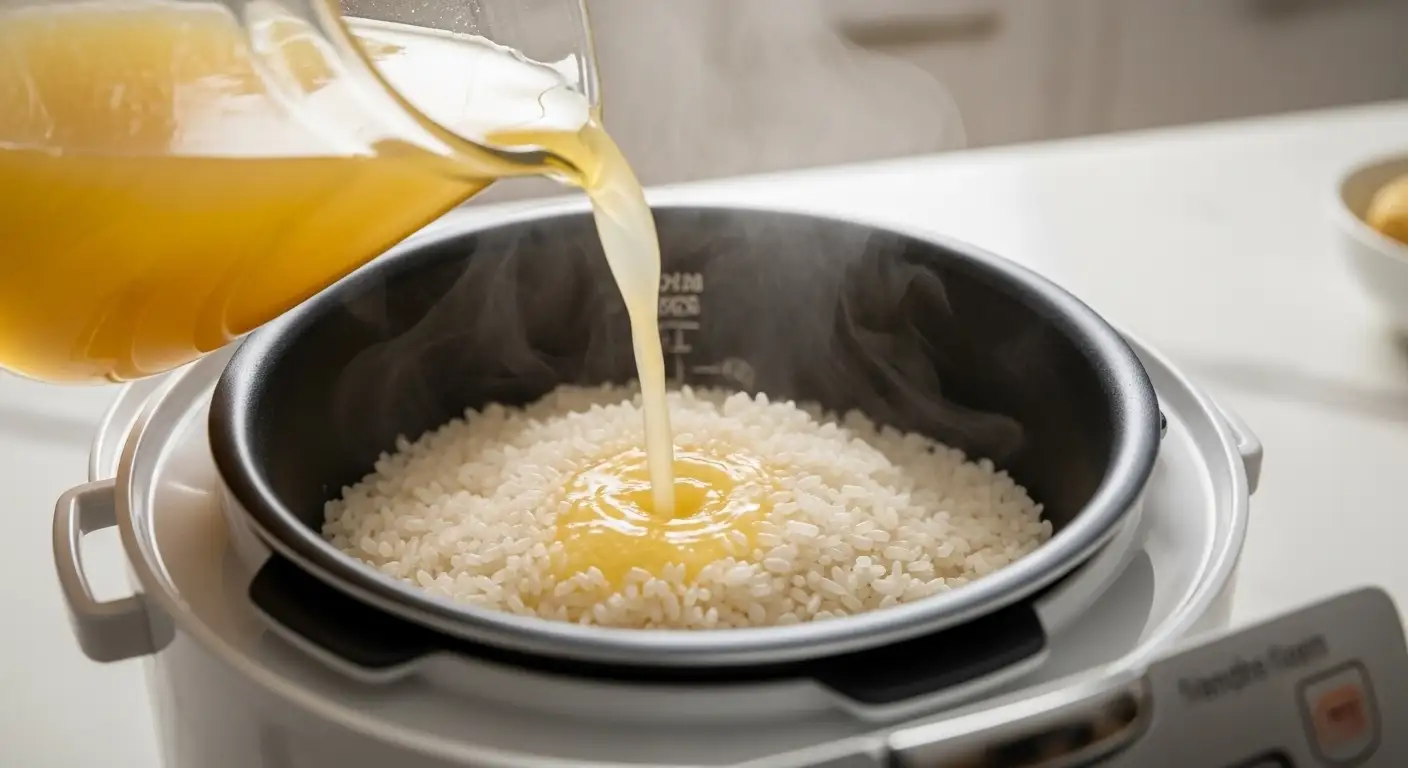
The simple answer is yes you can put broth in a rice cooker. Many people think rice cookers are only for water and rice. But they are very versatile.
Using broth instead of water is a fantastic way to make your rice taste much better. It’s an easy trick that can make a big difference in your meals. Think of it as a flavor boost for your grains.
Why Use Broth in Your Rice Cooker
Plain white rice can be a bit bland on its own. Adding broth infuses the rice with extra flavor as it cooks. This means your rice becomes a tasty side dish, not just a carrier for other foods.
You can use chicken broth, vegetable broth, beef broth, or even fish broth, depending on what you’re serving with it. This simple swap can elevate everyday meals. It’s a simple step for a gourmet touch.
Choosing the Right Broth
There are many types of broth you can use. Chicken broth is a popular choice for many dishes. It’s mild and complements most flavors.
Vegetable broth is great for vegetarian meals or when you want a lighter taste. Beef broth adds a richer, deeper flavor, perfect for heartier dishes. If you’re making seafood rice, a fish or clam broth can be amazing.
It’s also important to consider the salt content. Many broths are pre-salted. If you’re using a salty broth, you might want to reduce or skip adding extra salt to your rice.
You can always taste and adjust later. Low-sodium options are available if you prefer more control over the salt.
How Much Broth to Use
The ratio of liquid to rice is key for perfect rice. Typically, you use a 1:1 or 1:1.5 ratio of rice to liquid. When using broth, you’ll follow the same rules as water.
Always check the instructions for your specific type of rice. Some rice needs more or less liquid. For example, brown rice usually needs more liquid than white rice.
If your rice cooker has a specific line for water, you can fill it up to that line with broth. If not, measure your rice, then measure the same amount of broth. For example, if you are cooking 1 cup of rice, use 1 cup of broth.
Some people like to use a little more broth for extra moisture. Start with the standard ratio and adjust in future cooking sessions.
Preparing Your Rice Cooker
Before you add your ingredients, make sure your rice cooker is clean. Rinse your rice under cold water until the water runs clear. This removes excess starch and prevents mushy rice.
Then, add the rinsed rice to the rice cooker pot. Pour in your chosen broth. You can also add a little bit of oil or butter if you like.
Some people add a pinch of salt or other seasonings at this stage too.
Close the lid and select the correct setting on your rice cooker. Most have a “white rice” or “cook” setting. The cooker will do the rest.
It will cook the rice and then switch to a “keep warm” mode. This makes it very simple. You don’t need to watch it closely.
Benefits of Using Broth
There are several advantages to using broth instead of water:
- Enhanced Flavor: This is the biggest benefit. Your rice will taste richer and more complex.
- More Nutrients: Broth can add some vitamins and minerals to your meal.
- Versatile Base: Flavored rice can serve as a base for many different cuisines.
- Easy to Use: It’s a simple change that requires no extra cooking skills.
Types of Rice Cookers and Broth Compatibility
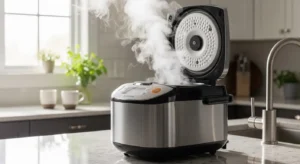
Most modern rice cookers are designed to handle liquids like broth. This includes basic models and more advanced fuzzy logic or induction heating ones. The inner pot of the rice cooker is usually non-stick, making it easy to clean.
Some older or very basic rice cookers might have specific warnings. Always check your rice cooker’s manual if you are unsure. However, for the vast majority of rice cookers, using broth is perfectly safe and recommended.
The heating element is designed to heat liquids evenly.
Tips for Flavorful Rice
Beyond just using broth, here are some extra tips to make your rice even better:
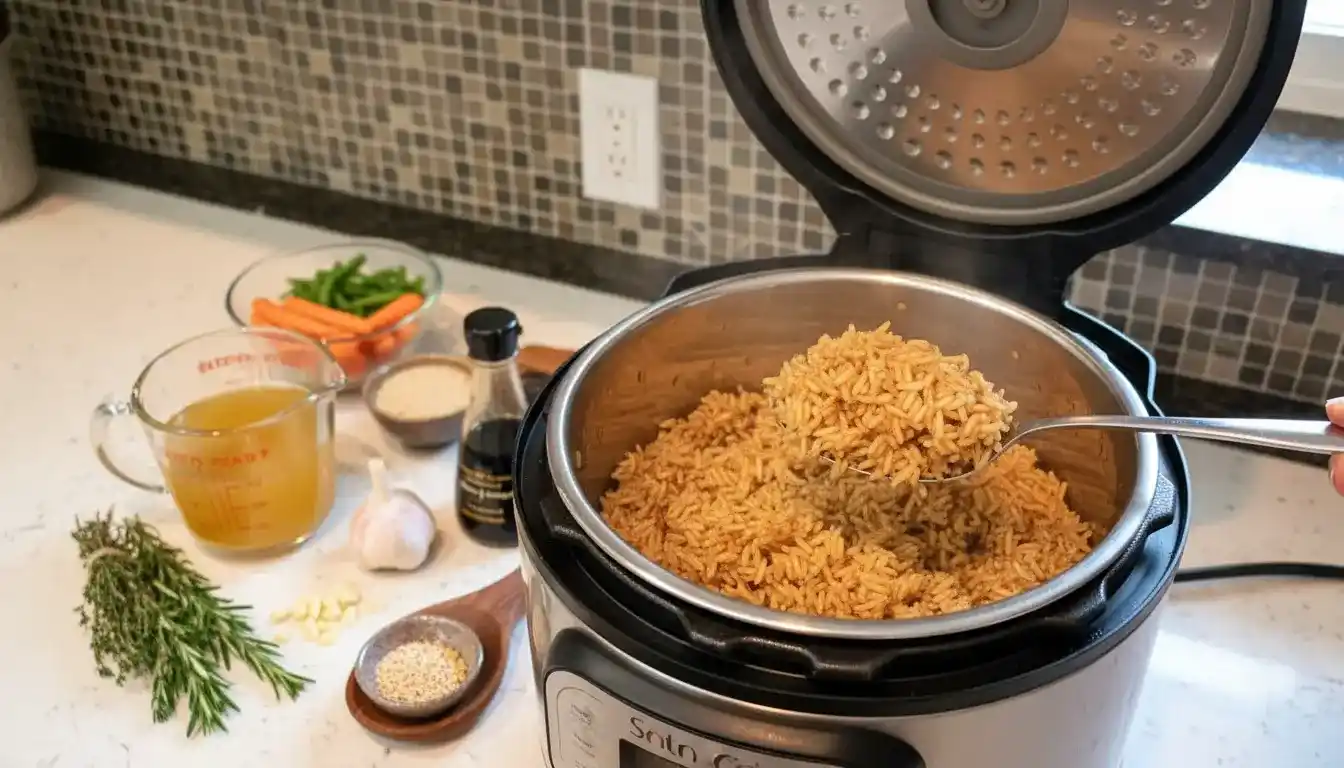
- Add aromatics: Throw in a crushed garlic clove, a slice of ginger, or a bay leaf while the rice cooks. Remove them before serving.
- Herbs: Fresh herbs like cilantro or parsley can be stirred in after cooking.
- Spices: A pinch of cumin, turmeric, or even a dash of curry powder can transform your rice.
- Butter or Oil: A small amount of butter or olive oil can add richness and prevent sticking.
Broth vs. Water for Different Rice Types
When you put broth in a rice cooker, it works for most types of rice. This includes white rice, basmati, jasmine, and even arborio rice for a quick risotto base.
For brown rice, which takes longer to cook, broth can still be used. You might need to use a slightly higher liquid ratio as brown rice absorbs more moisture. Check the specific instructions for your brown rice.
Wild rice and other grains often have their own cooking instructions. While broth can work, it’s best to follow the grain’s specific guidelines for the best results. The principle remains the same: replacing water with broth adds flavor.
Can You Cook Other Things with Broth in a Rice Cooker?
Yes, you can cook more than just rice! Many rice cooker recipes involve adding vegetables, proteins, or even making soups. When you add other ingredients, the broth becomes even more important for flavor.
For example, you can add chopped vegetables like carrots, peas, or broccoli to the rice cooker pot along with the rice and broth. Some recipes even call for adding chicken pieces. The rice cooker will steam everything together.
Just be mindful of cooking times for different ingredients.
Potential Pitfalls to Avoid
While using broth is easy, there are a couple of things to watch out for:
- Over-salting: As mentioned, many broths are salty. Be careful with added salt.
- Burning: If you use too little broth, the rice could scorch at the bottom. Always follow the recommended liquid ratios.
- Foaming: Some broths can foam up more than water. This usually isn’t a problem in most rice cookers, but if you see excessive foaming, your cooker might have a vent that can release it.
These are minor issues that are easily managed with a little attention. The overall experience of cooking rice with broth is very positive and straightforward.
Rice Cooker Settings and Broth
Most rice cookers have a standard “cook” or “white rice” setting. This setting uses a timer and temperature control to cook the rice perfectly. Broth works the same way as water on these settings.
The cooker detects when the liquid has been absorbed and switches to warm.
Some advanced rice cookers have specific settings for different types of rice or even “porridge” or “soup” settings. These settings might use different heating patterns. Broth is suitable for all these settings.
The key is still the correct liquid-to-rice ratio for the specific setting.
Making a Complete Meal
Imagine cooking a flavorful pilaf or a simple chicken and rice dish all in one pot. This is totally achievable with your rice cooker and broth. You can add chicken thighs, chopped vegetables, and your flavored broth with the rice.
The rice cooker will steam it all together, infusing the rice with the flavors of the other ingredients.
This makes meal prep incredibly easy. You can set it and forget it. It’s perfect for busy weeknights.
The result is a delicious, healthy, and complete meal with minimal effort.
Frequently Asked Questions
Question: Can I use bouillon cubes or powder mixed with water instead of liquid broth?
Answer: Yes, you can absolutely use bouillon cubes or powder mixed with water. Just dissolve them in the correct amount of water according to the package instructions. This is a great and cost-effective way to get flavorful rice.
Question: Will broth make my rice sticky?
Answer: Broth itself does not inherently make rice stickier than water. The stickiness of rice is usually due to the type of rice and how much starch is released. Rinsing your rice well before cooking helps prevent excess stickiness.
Question: Is it safe to put any type of broth in my rice cooker?
Answer: Yes, it is generally safe to put any commercially available broth, stock, or bouillon dissolved in water into your rice cooker. Always ensure your rice cooker is clean before use.
Question: How do I adjust the seasoning when using broth?
Answer: Since broths often contain salt, it’s a good idea to taste your broth before adding extra salt to the rice. Start with less salt than you normally would, and you can always add more to the cooked rice if needed.
Question: Can I mix different kinds of broth in my rice cooker?
Answer: You can mix different kinds of broth. For example, you could use half chicken broth and half vegetable broth to create a unique flavor profile for your rice. Just ensure the total liquid amount is correct for the amount of rice.
Final Thoughts
Using broth in your rice cooker is a simple yet effective way to boost flavor. It works with most rice cookers and many types of broth. Remember to maintain the correct liquid-to-rice ratio and adjust salt to taste.
This easy technique transforms plain rice into a delicious component of any meal, making cooking more enjoyable and your food more satisfying.