Putting a Dutch oven in your oven might sound simple, but many home cooks wonder about safety, materials, and best practices. Dutch ovens are famous for their ability to turn tough cuts of meat into tender meals, bake crusty bread, and simmer stews.
But can you really put your Dutch oven in the oven? Let’s explore the facts, common mistakes, and tips you need to know.
What Is A Dutch Oven?
A Dutch oven is a heavy pot, usually made from cast iron. Some are coated with enamel for easier cleaning and rust protection. Dutch ovens come with a tight-fitting lid, which helps keep moisture inside. These pots are used for slow cooking, roasting, baking, and even frying.
The most common types are:
- Cast iron Dutch ovens (bare or enameled)
- Aluminum Dutch ovens
- Ceramic Dutch ovens
Most Dutch ovens are designed for both stovetop and oven use. Their thick walls distribute heat evenly, making them ideal for recipes that need steady temperatures.
Can You Put A Dutch Oven In The Oven?
The short answer is yes, but there are important details to consider. Not all Dutch ovens are the same, and some parts may not withstand high oven temperatures.
Oven-safe Materials
Cast iron is naturally oven safe, even at very high temperatures (up to 500°F or more). Enameled cast iron is also safe, but the enamel can crack if heated too quickly or if the oven temperature is extreme.
Aluminum Dutch ovens can usually go in the oven, but they handle heat differently and may warp if exposed to very high temperatures.
Ceramic Dutch ovens are often oven safe, but check the manufacturer’s instructions. Some ceramics crack or break under sudden temperature changes.
What About The Lid And Handles?
The main concern is the lid and handles. Many Dutch ovens have metal handles and lids, which are safe for oven use. However, some models have plastic knobs or handles. These can melt or deform at temperatures above 350°F.
Always check your Dutch oven for:
- Plastic parts: Remove or replace if possible.
- Rubber gaskets: Not oven safe.
- Glass lids: Safe for moderate heat, but avoid broiling.
If you’re unsure, check the instructions or look for a “oven safe” symbol on the pot.
How High Can You Set The Oven?
Most Dutch ovens can handle up to 450°F. Enameled cast iron is usually safe up to 400–450°F. Bare cast iron can go even higher, but recipes rarely call for more than 500°F.
Here’s a quick comparison of common Dutch oven materials and their temperature limits:
| Material | Maximum Oven Temperature | Notes |
|---|---|---|
| Cast Iron | 500°F+ | Handles extreme heat, best for browning and baking. |
| Enameled Cast Iron | 400–450°F | Gentler heat to protect enamel coating. |
| Aluminum | 400°F | Watch for warping at high heat. |
| Ceramic | 350–400°F | Risk of cracking, check manufacturer’s limits. |
Benefits Of Using A Dutch Oven In The Oven
Dutch ovens are perfect for many oven-based recipes. Here’s why:
- Even heat distribution: The thick walls ensure food cooks evenly.
- Moisture retention: The tight lid keeps juices and flavors inside.
- Versatility: Bake bread, roast meat, or make casseroles.
- Durability: Quality Dutch ovens last decades.
Many professional chefs use Dutch ovens for slow roasting and artisan bread. The steam inside the pot creates a crisp crust and soft interior.
Common Mistakes To Avoid
Even experienced cooks sometimes make mistakes with Dutch ovens. Here are some to watch out for:
- Putting a cold Dutch oven into a hot oven: This can cause the pot to crack or warp.
- Using plastic knobs: They melt easily. Replace with metal if possible.
- Sudden temperature changes: Don’t move a hot Dutch oven onto a cold surface or vice versa.
- Ignoring manufacturer instructions: Always check the manual for oven safety details.
Real Example: Bread Baking
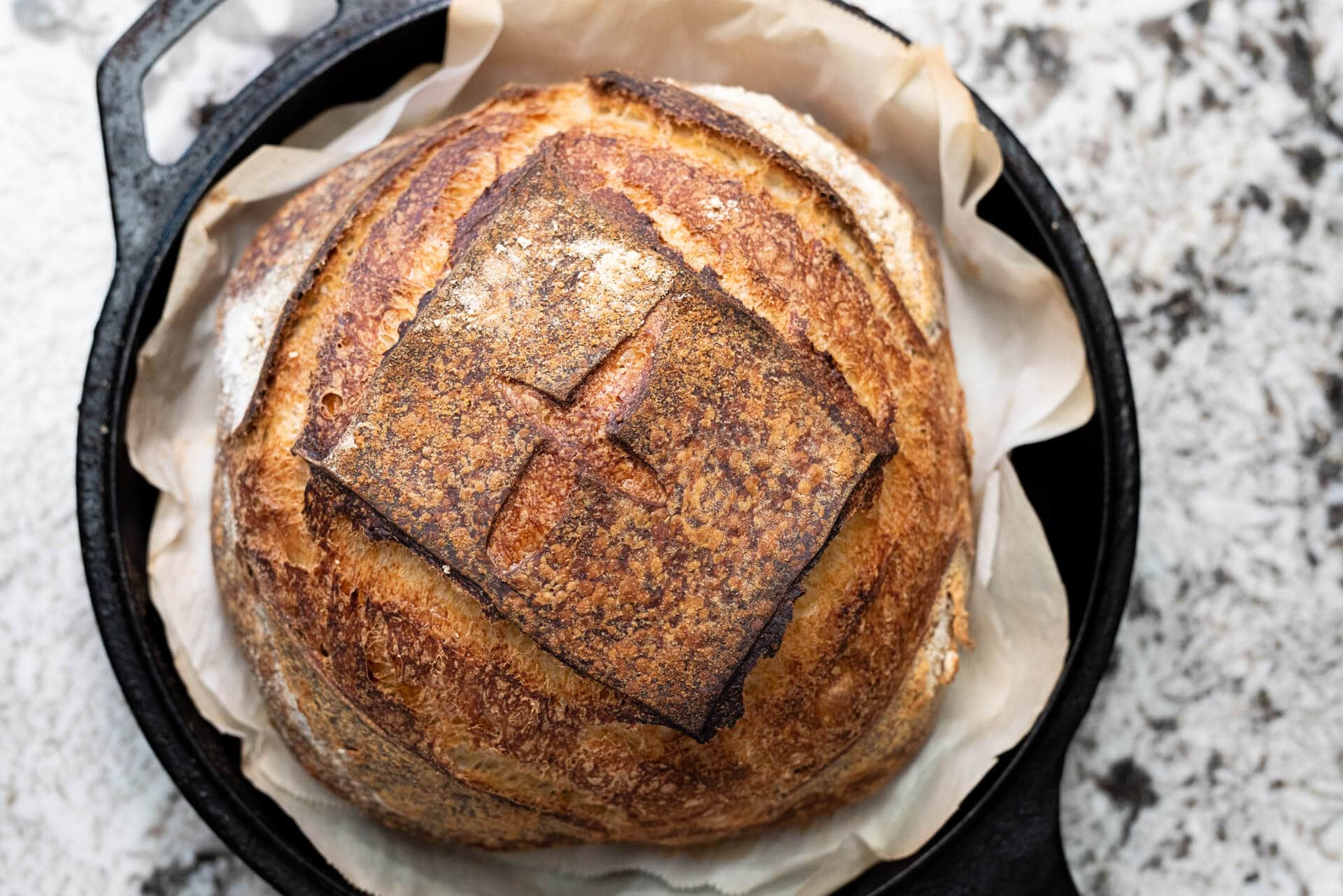
Many bread recipes call for preheating the Dutch oven before adding the dough. If your Dutch oven has a plastic knob, this will likely melt. Replace the knob or remove the lid during preheating.
How To Safely Use A Dutch Oven In The Oven
Follow these steps for safe and effective oven use:
- Check for oven-safe labeling: Look under the pot or in the manual.
- Inspect handles and knobs: If they are plastic or rubber, replace or remove.
- Preheat gradually: Avoid sudden changes in temperature.
- Use oven mitts: Dutch ovens get extremely hot.
- Clean carefully: Let the pot cool before washing to prevent cracking.
Practical Tips
- Line the bottom with parchment paper for baking bread.
- Don’t fill the pot more than two-thirds full to avoid overflow.
- For recipes needing high heat, use bare cast iron or metal knobs.
Dutch Oven Vs Other Ovenware
How Does A Dutch Oven Compare With Other Oven-safe Cookware?
| Cookware | Heat Distribution | Moisture Retention | Maximum Temperature |
|---|---|---|---|
| Dutch Oven | Excellent | Excellent | 450–500°F |
| Ceramic Dish | Good | Moderate | 350–400°F |
| Glass Bakeware | Fair | Poor | 350–400°F |
| Aluminum Pan | Good | Poor | 400°F |
Dutch ovens stand out for their ability to keep food moist and cook evenly. They are often preferred for slow-cooked dishes and bread.
Choosing The Right Dutch Oven For Oven Use
If you plan to use your Dutch oven in the oven often, consider these factors:
Size
- 5–7 quarts is ideal for most families.
- Smaller pots work for side dishes or bread.
Weight
- Heavier pots hold heat better but can be hard to lift.
- Make sure you can handle the pot safely when hot.
Lid Design
- Tight-fitting lids are best for roasting and baking.
- Avoid lids with plastic knobs.
Brand Reputation
Choose a trusted brand like Le Creuset, Lodge, or Staub. These brands make Dutch ovens specifically for oven use.
Price
Dutch ovens range from $50 to $400. High-end brands last longer and are often more oven safe.
Credit: www.theperfectloaf.com
Cleaning And Maintenance After Oven Use
Proper care keeps your Dutch oven working for years.
- Let the pot cool completely before washing.
- Avoid cold water on a hot pot.
- Use mild soap and a soft sponge for enameled surfaces.
- Dry thoroughly to prevent rust.
- For bare cast iron, rub a thin layer of oil after drying.
These simple steps help prevent cracks, rust, and stains.
Non-obvious Insights Most Beginners Miss
- Steam retention: Baking bread in a Dutch oven produces steam, which is key for a crispy crust. Many don’t realize the lid is essential for this effect.
- Preheating: Some recipes require you to preheat the Dutch oven empty. Beginners often skip this, but it’s crucial for certain breads and roasts.
- Enamel care: Scratching the enamel with metal utensils can damage your pot. Use wood or silicone tools.
- Lid safety: If your Dutch oven lid has a vent hole, cover it with foil for better moisture retention.
You might find this helpful: Best Dutch Ovens for Sourdough Bread

Credit: www.americastestkitchen.com
Real-life Data: Dutch Oven Popularity
In the US, sales of Dutch ovens have grown over 25% in the last decade. More than 70% of home bakers use a Dutch oven for bread. The average lifespan of a quality Dutch oven is 20–50 years, making it a smart investment.
According to Consumer Reports, Dutch ovens are among the safest cookware for oven use when following manufacturer instructions.
Summary: Key Takeaways
- Most Dutch ovens are oven safe, especially cast iron and enameled types.
- Avoid plastic or rubber knobs and handles.
- Gradual heating and cooling prevent damage.
- Dutch ovens excel at moisture retention and even cooking.
- Check your pot’s manual for maximum temperature limits.

Credit: www.lecreuset.com
Frequently Asked Questions
Can All Dutch Ovens Go In The Oven?
Not all Dutch ovens are oven safe. Always check the manual or manufacturer’s instructions. Cast iron and enameled cast iron are usually safe, but plastic parts can melt.
What Is The Best Temperature For Using A Dutch Oven In The Oven?
Most recipes use 350–450°F. Avoid temperatures above 450°F unless your Dutch oven is bare cast iron with metal handles and knobs.
Can You Bake Bread In A Dutch Oven?
Yes, Dutch ovens are excellent for baking bread. The steam inside the pot creates a crispy crust. Preheat the pot for best results.
Is It Safe To Use A Dutch Oven With A Glass Lid In The Oven?
Glass lids are safe at moderate temperatures (up to 350°F). Do not use them under a broiler or at high heat.
How Do You Know If Your Dutch Oven Is Oven Safe?
Look for a “oven safe” symbol on the pot or check the manual. If unsure, contact the manufacturer or check their website.
Putting a Dutch oven in your oven is usually safe and rewarding. With the right knowledge, you can bake, roast, and create delicious meals. Always check materials and handles, follow gradual heating practices, and enjoy the unique benefits of this classic cookware.