Skip to content
Can You Throw Batteries In The Trash?
Every day, millions of people face a simple question: can you throw batteries in the trash? It seems harmless to toss old AA or dead phone batteries into the garbage. After all, they’re small and don’t look dangerous. But this choice affects more than just your household—it impacts your health, the environment, and even local laws. Many people don’t realize that throwing batteries in the trash can cause pollution, fires, and legal trouble. This article explains why batteries need special handling, the risks involved, and how to dispose of them safely. Whether you’re a student, a parent, or a business owner, you’ll find answers and practical advice here.
Why Batteries Are Different From Regular Trash
Batteries are not like paper or plastic. They contain chemicals and metals that can harm people and nature if not handled properly. Most batteries include materials such as lead, mercury, lithium, and cadmium. These substances are toxic and can leak into soil and water if batteries are thrown into landfills. Unlike food scraps or cardboard, batteries do not break down safely.
Types Of Batteries
Not all batteries are the same. Understanding the main types helps you know which ones need special care.
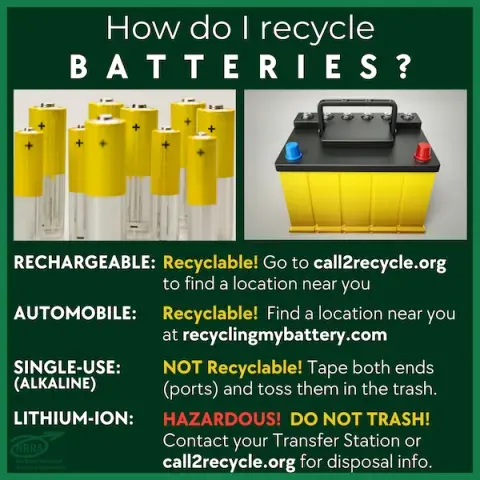
- Single-use batteries (alkaline, zinc-carbon): Used in remote controls and toys. Some states allow these in trash, but others don’t.
- Rechargeable batteries (lithium-ion, nickel-cadmium, nickel-metal hydride): Found in phones, laptops, cameras. Usually banned from trash.
- Button cell batteries: Used in watches, hearing aids. Often contain mercury.
- Lead-acid batteries: Used in cars. Never allowed in trash.
| Battery Type | Main Use | Toxic Materials | Trash Allowed? |
|---|---|---|---|
| Alkaline | Remotes, toys | Small amounts of mercury | Some states allow |
| Lithium-ion | Phones, laptops | Lithium, cobalt | No |
| Button cell | Watches, hearing aids | Mercury | No |
| Lead-acid | Vehicles | Lead, acid | No |
Environmental Risks Of Throwing Batteries In The Trash
Throwing batteries into the trash can cause pollution. When batteries break open in landfills, chemicals escape and mix with soil or water. These chemicals do not disappear; they build up and harm plants, animals, and humans. For example, mercury can cause nerve damage, and lead affects children’s brain development.
Real-world Data
- According to the Environmental Protection Agency (EPA), Americans throw away over 3 billion batteries each year. This equals about 180,000 tons of batteries.
- Rechargeable batteries often contain lithium, which can start fires if exposed to air or water. In 2021, over 2,000 landfill fires in the US were linked to batteries.
- Mercury and cadmium from batteries can poison rivers and lakes, making fish unsafe to eat.
Long-term Effects
The damage from battery chemicals lasts for decades. Soil contaminated with cadmium or lead can cause cancer and birth defects. Even small amounts can harm wildlife and make farmland unusable. Some chemicals move through the food chain, affecting people who eat contaminated plants or animals.
Legal Rules About Battery Disposal
Many people don’t know that battery disposal is regulated by law. Rules change depending on where you live. In the US, federal and state laws make it illegal to throw certain batteries in the trash.
Us Federal Laws
- Resource Conservation and Recovery Act (RCRA): Bans disposal of hazardous batteries (lead, mercury, cadmium) in regular trash.
- Battery Act (1996): Requires recycling of rechargeable batteries, especially nickel-cadmium and lead-acid.
State Laws
- California: All batteries are considered hazardous waste; none can go in the trash.
- New York: Rechargeable batteries must be recycled; fines for improper disposal.
- Other states: Rules vary—some allow alkaline batteries in trash, others require recycling.
| State | Alkaline Battery Disposal | Rechargeable Battery Disposal | Penalties for Violation |
|---|---|---|---|
| California | Prohibited | Prohibited | Fines up to $25,000 |
| New York | Allowed | Must recycle | Fines up to $500 |
| Texas | Allowed | Must recycle | Warnings, then fines |
| Washington | Prohibited | Prohibited | Fines and cleanup costs |
Why Laws Matter
Ignoring disposal rules can lead to fines, lawsuits, and even jail time. Businesses face higher penalties than individuals. Many stores and recycling centers offer free battery recycling to help people follow the law.
Safe Ways To Dispose Of Batteries
If you have old batteries, follow these steps to keep yourself and your community safe.
Find A Recycling Center
Many cities offer battery recycling programs. You can search online or ask at your local electronics store. Stores like Best Buy, Home Depot, and Staples collect batteries for recycling.
Prepare Batteries For Disposal
Before recycling, cover the terminals of lithium or lead-acid batteries with tape. This prevents sparks and fires during transport. Keep batteries in a cool, dry place until you drop them off.
Use Mail-in Recycling
Some companies offer mail-in services. You order a special box, fill it with batteries, and send it back. This is useful if you live far from a recycling center.
Drop-off Locations
- Electronics stores (Best Buy, Staples)
- Municipal recycling centers
- Special collection events
- Mail-in programs
What Happens After Recycling?
Recycling centers break down batteries and recover metals like cobalt, lithium, and lead. These materials are reused to make new batteries or products. Proper recycling reduces pollution and saves resources.
| Battery Type | Recycling Method | Recovered Materials |
|---|---|---|
| Lithium-ion | Shredding and chemical treatment | Lithium, cobalt, copper |
| Lead-acid | Smelting | Lead, plastic |
| Nickel-cadmium | Chemical separation | Nickel, cadmium |
| Alkaline | Sorting and crushing | Zinc, manganese |
Common Mistakes When Disposing Of Batteries
Many people make mistakes that can cause problems. Here are some errors to avoid:
- Throwing all batteries in the trash: Not all batteries are safe for landfill.
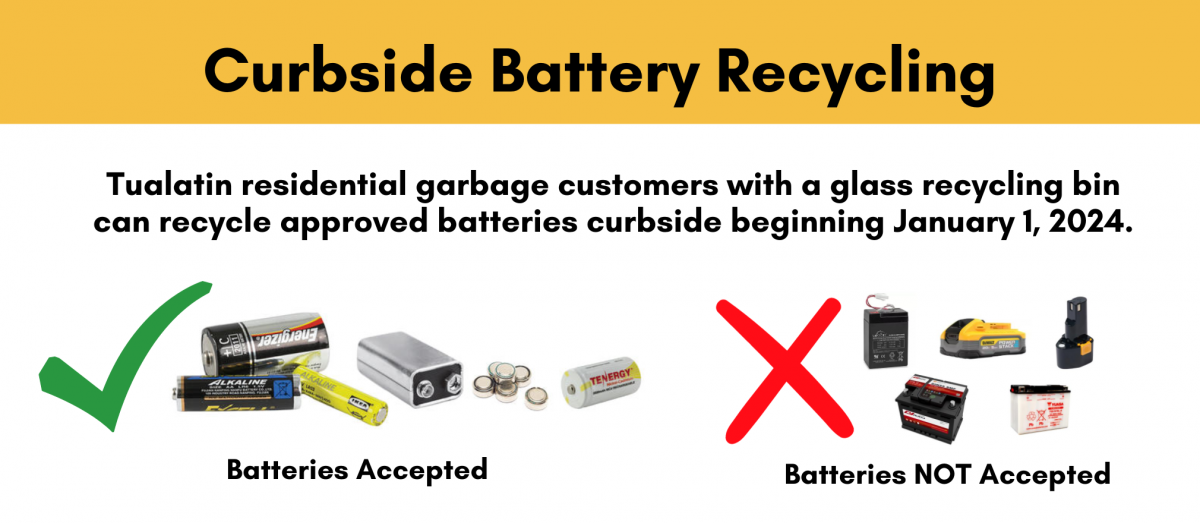
- Mixing batteries with household recycling: Most curbside recycling does not accept batteries.
- Storing batteries together: Loose batteries can touch and cause fires.
- Ignoring local rules: Laws change from place to place—always check before disposal.
- Not covering terminals: Bare terminals can spark and start fires during transport.
Non-obvious Insights Most People Miss
- Alkaline batteries are not always safe for trash: Some states allow it, but others ban it. Always check your local rules.
- Even “dead” batteries can cause fires: If a battery still has a tiny charge and touches metal, it can spark. This is why covering terminals matters.
- Recycling batteries saves money: Recovered metals are valuable, and recycling reduces the need for mining. This helps lower costs for manufacturers and consumers.
- Battery recycling is often free: Many stores accept batteries at no charge. People avoid recycling because they think it costs money, but it usually doesn’t.
Credit: www.plasticplace.com
Practical Tips For Safe Battery Disposal
- Check local rules before disposal: Laws are different everywhere.
- Store used batteries in a safe container: Use a plastic box or bag.
- Cover terminals with tape: Especially for lithium and lead-acid batteries.
- Don’t mix batteries with other recyclables: Keep them separate.
- Take advantage of store recycling programs: Many stores have drop-off bins.
- Educate family members: Teach children and others about battery safety.
How Battery Pollution Affects Communities
Battery pollution is not just a distant problem—it affects real people. Communities near landfills with battery waste often face higher rates of illness. Children are most at risk from lead and mercury poisoning. In some places, polluted water makes fish unsafe to eat and harms farming.
Case Example
In 2018, a landfill fire in Illinois was traced to lithium batteries thrown in the trash. The fire lasted three days, forcing nearby schools to close. Cleanup cost over $1 million, paid by local taxpayers. Incidents like this show why safe battery disposal matters.
Credit: www.nhrecycles.org
Global Efforts To Improve Battery Disposal
Countries around the world are making laws and launching programs to manage battery waste. Europe requires all batteries to be collected and recycled. China has strict rules for handling lithium batteries. The US is improving recycling options, but local rules still vary.
Where To Learn More
To get more information about battery disposal, visit the EPA’s official site: EPA Batteries Recycling. You’ll find recycling locations and safety tips.
Frequently Asked Questions
What Happens If I Throw Batteries In The Trash?
If you throw batteries in the trash, they can leak chemicals, cause fires, and break the law. The environment may suffer, and you risk fines or health problems.
Are Aa And Aaa Batteries Safe To Throw Away?
Alkaline AA and AAA batteries may be allowed in trash in some states, but others require recycling. Always check your local rules before disposal.
Can Old Phone Batteries Go In The Garbage?
No. Lithium-ion batteries from phones and laptops must be recycled. Throwing them in the trash can cause fires and is illegal in most places.
How Can I Find Battery Recycling Near Me?
Many stores and local recycling centers accept batteries. Search online or ask at electronics shops. The EPA’s site offers a locator tool for battery recycling.
Why Is Covering Battery Terminals Important?
Covering terminals with tape prevents sparks and fires. This is critical for lithium and lead-acid batteries, which can ignite if they touch metal or each other.
Safe battery disposal protects your health, your community, and the planet. By following local rules and using recycling programs, you make a big difference. Next time you see a dead battery, remember: the trash is not the right place for it.
Credit: www.tualatinoregon.gov