Many people dream of shiny, clean hardwood floors. But when it comes to cleaning, confusion often arises: Can you use a steam mop on hardwood floors? The answer isn’t simple. Steam cleaning sounds easy and powerful, but hardwood is a delicate surface. If you want to avoid warping, discoloration, or voiding your floor’s warranty, it’s important to know when and how steam mops are safe—or when they’re a bad idea.
This guide will give you practical advice, real-world examples, and the facts you need to protect your floors and make smart cleaning choices.
Understanding Hardwood Floors
Hardwood floors bring warmth and value to homes. But their beauty comes with some risk. To see why steam mops are controversial, let’s break down what makes hardwood unique.
How Hardwood Is Made
Most hardwood planks are made from solid wood or engineered wood. Solid hardwood is one piece of wood, while engineered wood has a hardwood top layer and layers of plywood beneath. Both types usually have a protective finish, like polyurethane or wax.
Why Moisture Is Dangerous
Wood is naturally porous. This means it absorbs water. When exposed to moisture, hardwood can:
- Warp (bend or twist)
- Cup (edges rise up)
- Swell or shrink (change size as it dries)
Even a tough finish can wear down over time, especially in high-traffic areas. If water or steam seeps into cracks, the damage can be costly and hard to fix.
How Steam Mops Work
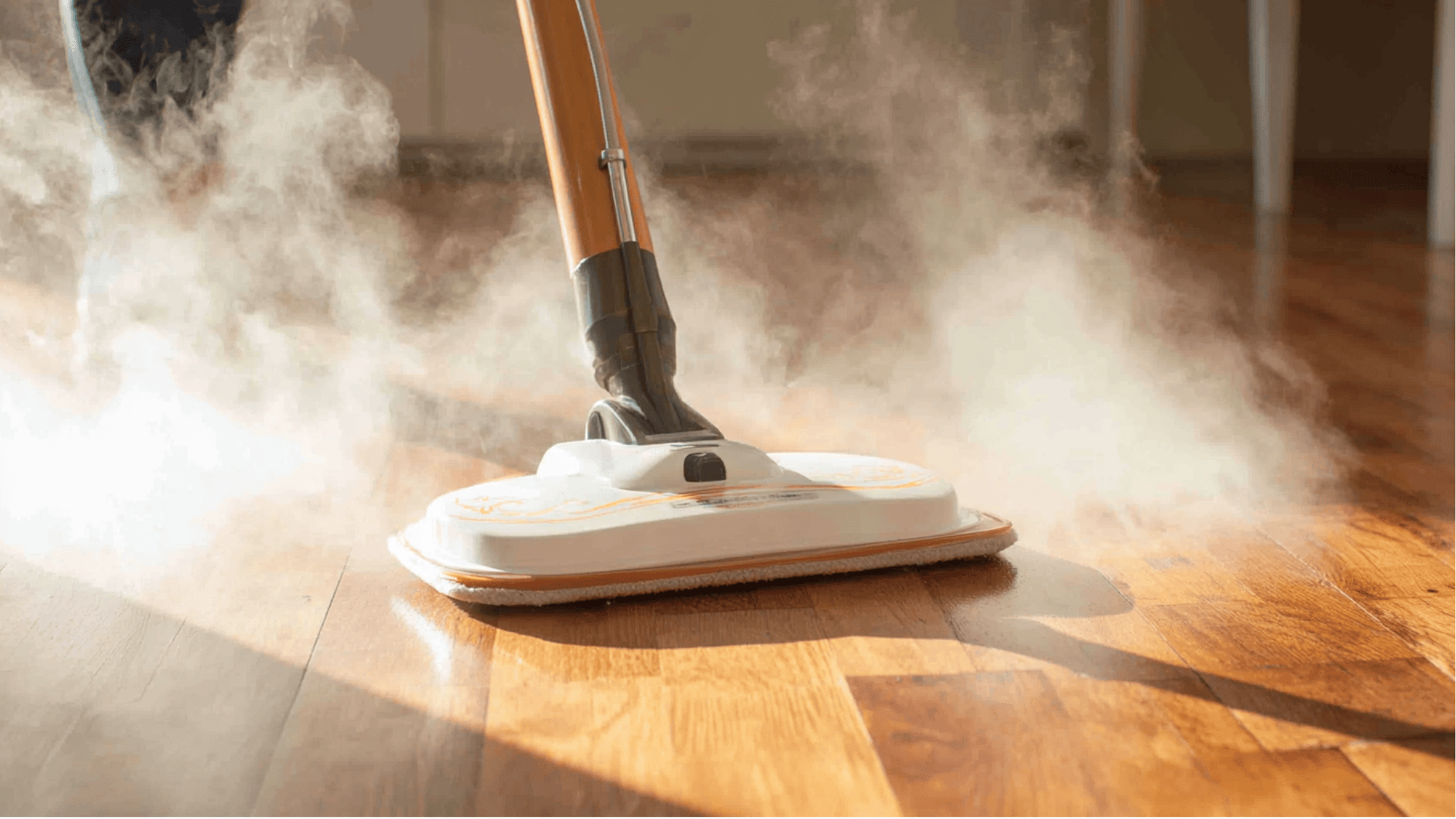
A steam mop uses hot water to create steam. This steam is forced through a pad and onto the floor. The heat helps loosen dirt and kill some bacteria, so you need less scrubbing and fewer chemicals. Many people love steam mops for tile and vinyl.
But steam mops don’t just clean the surface—they push hot vapor into tiny gaps and seams. That’s where problems can start for hardwood.
What Manufacturers And Experts Say
Before using any cleaning tool, it’s wise to check your floor’s warranty and the advice from manufacturers. Most hardwood floor companies are clear:
- Solid hardwood: Most brands do not recommend steam mops. Using one may void your warranty.
- Engineered hardwood: Some brands allow light steam if the floor is sealed well, but most still warn against it.
Major flooring associations like the National Wood Flooring Association also say steam cleaning is risky. They advise using a damp (not wet) mop or microfiber pad instead.
Here’s a comparison of typical cleaning recommendations:
| Floor Type | Manufacturer Advice | Steam Mop Safe? |
|---|---|---|
| Solid Hardwood | Damp mop, avoid standing water | No |
| Engineered Hardwood | Damp mop, check with brand | Sometimes (with caution) |
| Laminated Wood | Damp mop, avoid moisture | No |
| Tile/Vinyl | Wet mop or steam mop | Yes |
Risks Of Using A Steam Mop On Hardwood
Steam mops have clear benefits for some surfaces, but hardwood floors are another story. Here’s what can go wrong:
- Moisture Penetration: Steam forces water into cracks, seams, and scratches. Over time, this can make boards swell or warp.
- Finish Damage: High heat can break down the protective finish, making the floor less shiny and more vulnerable.
- Discoloration: Some types of wood or finish can change color after repeated steam cleaning.
- Shortened Lifespan: Even if problems don’t show right away, repeated steam exposure can weaken the structure of the floor.
Real-world Example
A homeowner with oak floors used a steam mop weekly. After six months, she noticed the boards near the kitchen sink were cupping. Her floor warranty was void because the manufacturer listed steam mops as “not allowed. ” She had to pay for repairs herself.
Credit: www.cuindependent.com
When Steam Mops May Be Safe
Is there ever a safe way to use a steam mop on hardwood? In rare cases, yes—but only if strict conditions are met.
Required Conditions
- Sealed Floors Only: The hardwood must be completely sealed—no cracks, chips, or worn spots.
- Low Steam Setting: Use the lowest steam setting possible.
- Quick Drying: Go over each area quickly, so no moisture sits for long.
- Regular Checks: Inspect the floor often for any signs of damage.
- Manufacturer Approval: Always check the floor’s care guide and warranty.
Example: Engineered Hardwood
Some engineered wood floors have very tough, waterproof finishes. If the manufacturer says light steam is okay, use it rarely—maybe once a month—and always test in a small area first.
Here’s a quick look at how steam cleaning compares to other methods:
| Cleaning Method | Effectiveness | Risk to Hardwood | Frequency |
|---|---|---|---|
| Steam Mop (on sealed floor) | High for surface dirt | Medium-High | Rarely |
| Microfiber Damp Mop | Good for dust/grime | Low | Weekly |
| Vacuum (hard floor setting) | Good for dust | None | Daily |
How To Clean Hardwood Floors Safely
Most experts agree: gentle methods are best for hardwood. Here’s how to keep your floors spotless without risk.
Best Practices
- Sweep or Vacuum Often: Remove dust, dirt, and grit to avoid scratches.
- Use a Damp Mop: Dampen a microfiber mop with water or a hardwood-safe cleaner. Wring it out well—never use a wet mop.
- Dry Immediately: Go over the floor with a dry cloth or mop to soak up any remaining moisture.
- Spot Clean Spills: Wipe up spills right away to prevent stains and water damage.
Products To Avoid
- Steam mops (unless approved by the manufacturer)
- Wax-based or harsh chemical cleaners
- Abrasive scrub brushes
Alternatives To Steam Mops
If you love the idea of a deep clean but want to avoid risk, try these safer alternatives:
- Spray mops with hardwood-safe cleaner
- Microfiber mop pads (these trap dust and germs)
- Enzyme-based cleaners for tough spots (read label for compatibility)
Some brands even offer hardwood cleaning kits with all tools included. These are designed to be gentle and effective.
Common Mistakes To Avoid
Many people make small errors that add up over time. Here are two non-obvious tips:
- Don’t ignore humidity: High indoor humidity can add to floor moisture. Use a dehumidifier if you live in a damp climate.
- Beware of old finish: If your hardwood looks dull or has scratches, it may not protect against steam or water. Refinish the floor before trying any new cleaning method.

Credit: oakabode.com
What To Do If You’ve Already Used A Steam Mop
If you’ve already used a steam mop and notice no damage, don’t panic. Act quickly to minimize risk:
- Stop steam cleaning immediately.
- Inspect for signs of warping, cupping, or peeling finish.
- Allow the floor to dry fully (ventilate the room).
- Consider resealing areas that look worn.
If you spot early damage, contact a flooring professional for advice. Acting fast can prevent more costly repairs.
Comparing Cleaning Methods
To help you choose the safest approach, here’s a quick overview:
| Method | Pros | Cons | Best For |
|---|---|---|---|
| Steam Mop | Sanitizes, deep cleans | Risk of water damage | Tile, sealed stone |
| Damp Microfiber Mop | Gentle, safe | May not sanitize | All hardwood |
| Spray Mop | Easy, controlled moisture | Cleaner must be floor-safe | Finished hardwood |
| Vacuum | Removes dust, easy | Won’t remove sticky grime | Daily cleaning |

Credit: www.signaturecustomflooring.com
Expert Tips For Long-lasting Hardwood Floors
Want your floors to look new for decades? Follow these expert habits:
- Use area rugs in high-traffic spots like entryways
- Attach felt pads to furniture legs to prevent scratches
- Control indoor humidity (ideally 35-55%)
- Recoat or refinish every few years, especially in busy homes
- Trim pet nails regularly to avoid gouges
When To Call A Professional
If your hardwood floors are already damaged or you’re unsure about cleaning products, bring in a professional. Floor care specialists can:
- Deep clean using safe methods
- Refinish worn or scratched areas
- Advise on long-term maintenance
Sometimes, investing in expert help saves money by avoiding bigger repairs.
Frequently Asked Questions
Can I Use A Steam Mop On Old Hardwood Floors?
Old hardwood floors are often less sealed and more vulnerable. Using a steam mop can easily cause warping or finish damage. It’s best to avoid steam and use a gentle, damp mop instead.
How Do I Know If My Hardwood Floor Is Sealed?
Sprinkle a few drops of water on the floor. If the water beads up, the finish is likely intact. If it soaks in or leaves a dark spot, your floor may be unsealed or worn. In that case, avoid steam or wet mopping.
Is There Any Hardwood Floor That’s Safe For Steam Mops?
A few types of engineered hardwood with waterproof finishes may allow light steam cleaning. Always check the manufacturer’s care instructions first. When in doubt, skip the steam and choose a safer method.
What’s The Best Way To Disinfect Hardwood Floors?
Use a hardwood-safe disinfectant spray or wipes. Never soak the floor. Regular sweeping and damp mopping are usually enough to keep germs away in a home environment. For more on safe disinfecting, see the National Wood Flooring Association.
Can Steam Mops Void My Floor’s Warranty?
Yes, many manufacturers specifically say that using a steam mop will void your warranty. Always read your floor’s warranty and care guide before trying new cleaning tools.
Protecting your hardwood floors means choosing the safest cleaning methods. While steam mops are powerful and convenient, they carry real risks for most hardwood surfaces. By following expert advice, checking your floor’s finish, and using gentle cleaning techniques, you’ll keep your floors beautiful for years—and avoid expensive repairs.