If you cook at home, you probably own a countertop oven. These small ovens are popular because they save space, cook food quickly, and are easy to use. But one question comes up often: Can you use aluminum foil in a countertop oven? The answer isn’t simple. Many people use foil for baking, lining trays, or wrapping food, but it’s important to know the risks and benefits.
This article explains when you can use aluminum foil safely, when you should avoid it, and tips for getting the best results. By the end, you’ll understand the science, safety, and practical uses of foil in your countertop oven.
How Countertop Ovens Work
To understand aluminum foil’s role, you need to know how countertop ovens cook food. These ovens use:
- Heating elements: Usually electric coils at the top and bottom.
- Fans (in convection models): Move hot air for even cooking.
- Small, enclosed space: Helps food cook faster than regular ovens.
Because the space is tight, heat travels differently. Using aluminum foil can change how heat moves, which affects cooking and safety.
Benefits Of Using Aluminum Foil
Aluminum foil is popular for a reason. Here are some key benefits:
- Easy cleanup: Lining trays means less scrubbing.
- Food protection: Prevents burning or drying out.
- Even baking: Wraps food for gentle cooking.
- Keeps flavors inside: Helps retain moisture.
Many people also use foil to bake cookies, roast vegetables, or cover dishes to avoid over-browning. It’s a flexible tool in the kitchen, but not always safe.

Credit: antillespr.edu
Risks And Safety Concerns
Using aluminum foil in a countertop oven isn’t always safe. Here’s what can go wrong:
- Fire risk: Foil touching heating elements can cause sparks.
- Blocked airflow: Foil can block vents or fans, making food cook unevenly.
- Damage to the oven: Foil stuck to surfaces can ruin the finish or cause overheating.
- Poor cooking results: Food might not brown or cook as expected.
Most oven manufacturers warn against certain uses of foil. Let’s compare different warnings from popular brands.
| Brand | Foil Policy | Special Notes |
|---|---|---|
| Breville | Allowed with caution | Avoid touching heating elements |
| Cuisinart | Allowed on trays | Do not cover oven floor |
| Black+Decker | Not recommended | May block airflow |
| Oster | Allowed for lining trays | Do not cover racks or bottom |
You can see that warnings vary. Always check your oven’s manual before using foil.
When You Can Use Aluminum Foil
There are safe ways to use aluminum foil in a countertop oven:
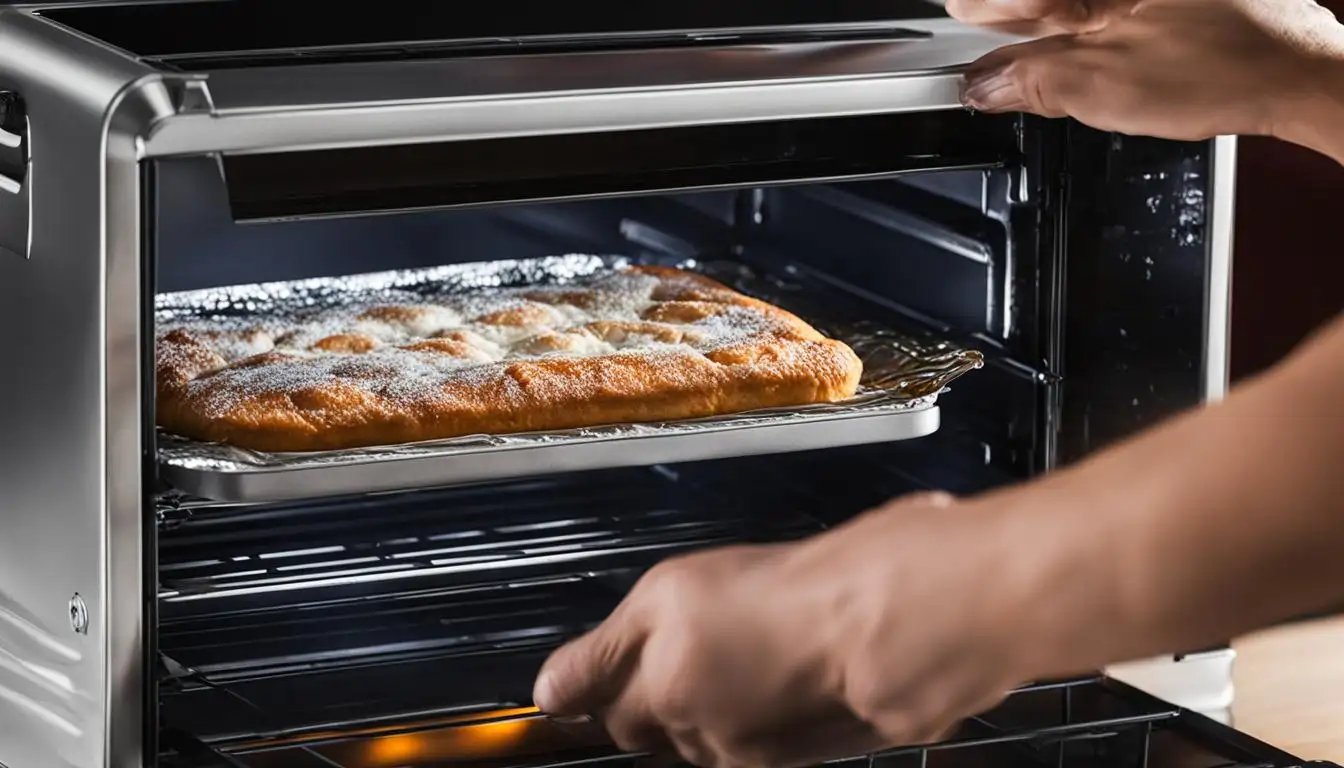
- Lining baking trays: Place foil only on trays, not directly on oven surfaces.
- Wrapping food: Cover items like fish, vegetables, or potatoes for steaming.
- Covering dishes: Use foil to prevent over-browning, but leave space for air.
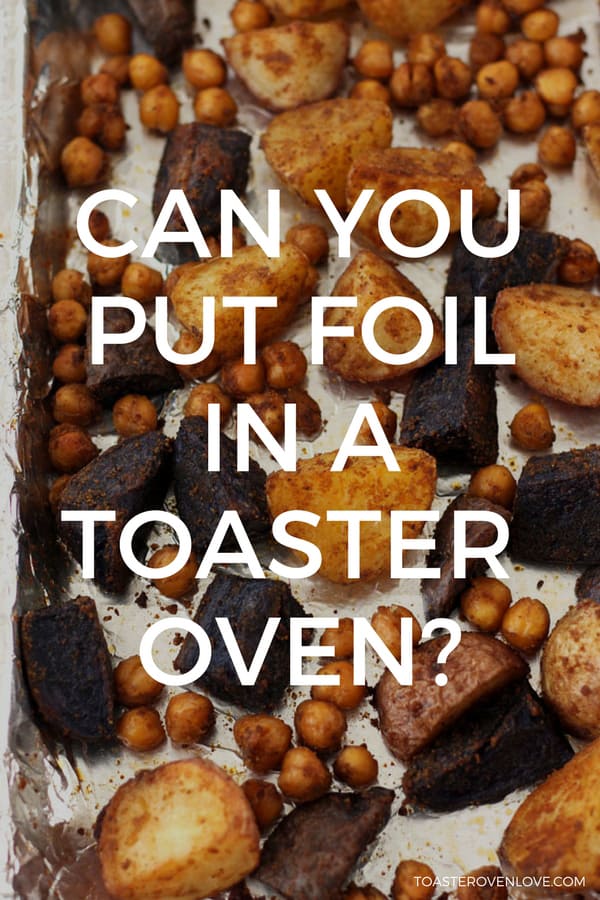
Here’s an example: If you roast vegetables, you can line the tray with foil to catch drips. This helps with cleanup and doesn’t block airflow.
But never let foil touch the heating elements or cover the oven’s floor. This can cause overheating or fire.
| Use Case | Safe? | Tips |
|---|---|---|
| Lining baking tray | Yes | Keep foil flat, avoid edges touching elements |
| Covering oven floor | No | Can cause fire or damage |
| Wrapping food | Yes | Leave small openings for steam |
| Covering racks | No | Blocks air, uneven cooking |
When You Should Avoid Aluminum Foil
There are situations where foil should not be used in countertop ovens:
- Directly on heating elements: Sparks or fire can occur.
- Covering the oven floor or walls: Blocks heat and air, damages oven.
- Blocking vents or fans: Stops hot air, food cooks unevenly.
- Cooking acidic foods on foil: Tomato sauce, vinegar, or citrus can react with foil, changing taste and possibly releasing aluminum.
Some people think using foil everywhere is safe, but that’s not true. For example, covering the bottom with foil can cause the oven to overheat and shut off. Acidic foods can also cause foil to break down, making the food taste metallic.
Aluminum Foil Types And Thickness
Not all aluminum foil is the same. There are different types:
- Standard foil: Thin, for basic wrapping and lining.
- Heavy-duty foil: Thicker, withstands higher temperatures and more handling.
- Non-stick foil: Has a coating to prevent sticking.
Choosing the right foil matters. Heavy-duty foil is better for roasting and baking, as it doesn’t tear easily. Non-stick foil is useful for sticky foods like cheese or caramel.
A common mistake is using thin foil for heavy roasting. It can tear, letting juices leak and making cleanup harder.
Credit: antillespr.edu
Effects On Cooking Performance
Using foil can change how your food cooks. Here’s what to expect:
- Faster browning: Foil reflects heat, so food may brown quicker.
- Steaming effect: Wrapped food cooks gently and stays moist.
- Uneven cooking: If foil blocks air, some areas may stay raw.
If you use foil to cover a tray, the heat reflects off the foil, which can speed up cooking. But if you cover the rack, air can’t move, so some parts cook slower.
Let’s look at how foil affects cooking times for common foods.
| Food Type | Foil Used | Cooking Time Change |
|---|---|---|
| Roast chicken | Covered | 10% less time |
| Vegetables | Lined tray | No major change |
| Fish | Wrapped | Moister, softer texture |
| Cookies | Directly on foil | Can brown unevenly |
So, foil can help or harm, depending on how you use it.
Manufacturer Guidelines And What They Mean
Oven makers usually give clear rules about foil use. Here’s what to look for:
- Manual instructions: Always read the manual for your specific oven.
- Warnings: Look for stickers or notes inside the oven.
- Online FAQs: Brands often post details on their websites.
If the manual says “Do not cover oven floor,” it means even a thin layer of foil can cause problems. Brands sometimes change their advice, so check the latest info.
An insight most beginners miss: Different brands use different heating element layouts. What’s safe in one oven might be dangerous in another. For example, Breville ovens have elements very close to the tray, so foil must stay flat and away from edges.
Practical Tips For Safe Foil Use
Follow these steps for safe, effective foil use in your countertop oven:
- Check the manual: Never assume. Find the official advice.
- Use heavy-duty foil: It’s stronger, safer, and less likely to tear.
- Keep foil away from heating elements: Leave gaps on the sides.
- Don’t block air vents: Leave room for air to circulate.
- Avoid acidic foods: Use foil only for non-acidic items.
- Dispose of used foil: Don’t reuse foil that’s torn or greasy.
Here’s a practical example: When baking fish, wrap it loosely in foil and place it on a tray. Leave a small opening for steam to escape. This gives you moist, flavorful fish and keeps the oven safe.
Another tip: Crumple foil slightly before lining a tray. This stops food from sticking and helps juices drain away.
Alternatives To Aluminum Foil
Sometimes, it’s better to use other materials. Here are alternatives:
- Parchment paper: Safe for lining trays, won’t block heat or stick.
- Silicone baking mats: Reusable and easy to clean.
- Oven-safe glass dishes: Good for roasting and baking.
Parchment paper is a favorite for cookies and pastries. Silicone mats are popular for roasting vegetables. Both offer safe, non-stick surfaces without the risks of foil.
Environmental And Health Considerations
Aluminum foil isn’t reusable, and making foil uses lots of energy. If you want to reduce waste, use silicone mats or glass trays.
There’s also a health debate. Some studies suggest tiny amounts of aluminum can enter food when you cook with foil, especially with acidic foods. While the risk is small for most people, those with kidney problems should be careful.
For more on aluminum’s effects, visit ATSDR’s official factsheet.
Common Mistakes Beginners Make
Many new cooks use foil incorrectly. Here are two non-obvious mistakes:
- Covering the oven’s bottom with foil: This can block heat and damage the oven. Some people think it helps with cleanup, but it’s dangerous.
- Letting foil touch heating elements: Even a small piece can cause sparks and fire.
A third mistake is reusing old foil. Used foil can tear easily and may cause food to stick or burn.
Credit: toasterovenlove.com
Frequently Asked Questions
Can Aluminum Foil Cause A Fire In A Countertop Oven?
Yes, if foil touches the heating elements or covers vents, it can cause sparks or fire. Always keep foil away from these parts and check your oven’s manual for guidance.
Is Aluminum Foil Safe For All Foods In The Oven?
No. Acidic foods like tomatoes, citrus, or vinegar can react with foil. This can change the taste and add aluminum to your meal. Use foil only for non-acidic foods.
Can I Use Aluminum Foil Instead Of Parchment Paper?
Sometimes. Foil works for roasting and wrapping, but parchment paper is better for baking cookies and pastries. Parchment doesn’t block heat and is less likely to stick.
How Do I Clean My Countertop Oven After Using Foil?
If you used foil correctly (only on trays), cleanup is easy. Just remove the foil and wipe the tray. If foil touched the oven’s surfaces, gently wipe with a damp cloth, but avoid scrubbing the heating elements.
Are There Safer Alternatives To Aluminum Foil?
Yes. Silicone baking mats and parchment paper are safer for lining trays. Oven-safe glass dishes are good for baking and roasting. These options reduce risks and waste.
Using aluminum foil in a countertop oven is possible, but it’s not always safe. The key is to follow your oven’s manual, use foil only where allowed, and never let it touch heating elements or block vents. If you need easy cleanup or gentle cooking, foil can help.
But for baking, roasting, or cooking acidic foods, try parchment paper or silicone mats. With the right knowledge and care, you can cook safely and enjoy better results every time.