Can You Use Parchment Paper In The Oven
Baking and roasting are activities many people enjoy. But sometimes, small details can change the results. One question that comes up often is: can you use parchment paper in the oven? This guide breaks down everything you need to know about parchment paper, how it works, when it’s safe, and smart ways to use it. If you want delicious results and a clean baking experience, understanding parchment paper is a great start.
What Is Parchment Paper?
Parchment paper is a type of kitchen paper treated with silicone. The silicone makes it non-stick and able to handle heat. People use it for baking cookies, roasting vegetables, and even steaming fish. It is usually sold in rolls or pre-cut sheets. You can find it in most grocery stores, often near aluminum foil and plastic wrap.
There are two types:
- Bleached parchment paper (white, treated with chemicals)
- Unbleached parchment paper (brown, more natural)
Both types work the same, but unbleached is more eco-friendly.
How Does Parchment Paper Work?
The secret is the silicone coating. This coating gives parchment paper several helpful qualities:
- Non-stick surface – Food does not cling to the paper.
- Heat resistance – Can handle oven temperatures.
- Moisture barrier – Stops grease or moisture from leaking onto pans.
Because of these qualities, parchment paper is a favorite for bakers and cooks.
Is Parchment Paper Oven Safe?
Yes, you can use parchment paper in the oven. But you must understand a few important facts:
- Temperature Limit – Most parchment paper is safe up to 420°F (215°C). Some brands may say 450°F (232°C) on the package. Always check the box to be sure.
- Direct Flame Is Dangerous – Parchment paper can catch fire if it touches an open flame or the oven’s heat coils.
- Not for Broiling – Do not use parchment paper under a broiler or in a toaster oven with exposed elements.
So, parchment paper is safe for almost all baking and roasting, but not for high-heat or direct-flame cooking.
Comparison: Parchment Paper Vs. Other Baking Liners
Here’s how parchment paper compares to other common liners:
| Type | Oven Safe? | Max Temp | Reusable? | Non-Stick? |
|---|---|---|---|---|
| Parchment Paper | Yes | 420°F–450°F | No | Yes |
| Wax Paper | No | Not oven safe | No | Yes |
| Aluminum Foil | Yes | 1200°F | Yes | No |
| Silicone Baking Mat | Yes | 480°F | Yes | Yes |
Insight: Many beginners confuse parchment and wax paper. Wax paper melts and can burn in the oven—never use it for baking.
When Should You Use Parchment Paper In The Oven?
Parchment paper is useful for many recipes. Here are popular ways to use it:
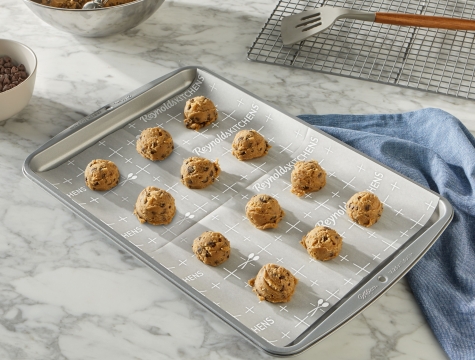
- Baking Cookies – Prevents sticking and gives even browning.
- Roasting Vegetables – Keeps pans clean and helps veggies cook evenly.
- Lining Cake Pans – Makes cake removal easy.
- Making Candy – Useful for pouring out hot sugar mixtures.
- Rolling Dough – Stops dough from sticking to your work surface.
- Cooking Fish en Papillote – Wraps food for gentle steaming.
For most baked goods, parchment paper makes cleanup easier and helps food cook evenly.
Credit: www.reddit.com
How To Use Parchment Paper Correctly
To get the best results, follow these steps:
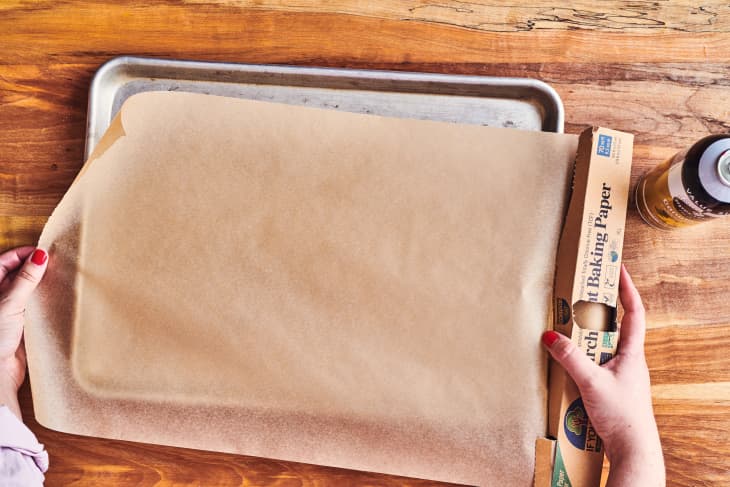
- Cut to Fit – Trim the paper to cover the bottom of your baking tray or pan. If it is too large, it can touch oven walls and may burn.
- Keep Flat – Press the paper flat so it doesn’t curl up and touch the oven’s heating elements.
- Weigh It Down – Place food on the paper before putting the tray in the oven. This stops the paper from blowing around.
- Check the Temperature – Always stay under the temperature limit written on your parchment paper package.
Advanced Tip: For round cake pans, trace the bottom on the parchment and cut a perfect circle. This prevents cake edges from sticking.
What Happens If You Go Above The Temperature Limit?
Parchment paper is heat-resistant, not fireproof. If you bake above its temperature rating, the paper can:
- Turn brown or black
- Become brittle or curl
- Smoke or, in rare cases, catch fire
Most home ovens do not go above 500°F, but it’s important to check. If you need higher heat, use aluminum foil or a silicone mat instead.
Non-obvious insight: Even if your recipe says 425°F, your oven might run hotter than the display shows. Using an oven thermometer can help avoid accidents.
Parchment Paper For Steaming And Wrapping
Besides baking, you can use parchment paper for cooking techniques like “en papillote. ” This French method means wrapping fish, chicken, or vegetables in a parchment pouch. The food steams in its own juices and stays moist.
Example: Place a piece of salmon, lemon slices, herbs, and a little oil on a parchment sheet. Fold it into a packet and bake at 400°F for 12–15 minutes. The result is tender, flavorful fish with no mess.
Using Parchment Paper For Reheating
Parchment paper also works for reheating leftovers in the oven. It stops food from drying out and keeps sauces from burning onto pans. It’s a better choice than plastic wrap or wax paper, which are not oven safe.
Can You Reuse Parchment Paper?
In most cases, parchment paper is meant for one-time use. However, if it’s not heavily stained or burnt, you can sometimes use it again, especially for cookies or simple baking.
Here’s a quick guide to when you can reuse:
| Condition | Safe to Reuse? | Best For |
|---|---|---|
| Lightly Used, No Stains | Yes | Cookies, Bread |
| Greasy or Burnt | No | Dispose |
| Used with Sticky Candy | No | Dispose |
Practical tip: If you bake several cookie batches, you can reuse the same sheet, but always check for tears or discoloration.
Common Mistakes People Make With Parchment Paper
Even experienced bakers sometimes use parchment paper incorrectly. Watch out for these mistakes:
- Letting It Hang Over the Edges – If parchment sticks out of your pan, it can touch the oven wall and catch fire.
- Using It Under a Broiler – Broilers use direct heat, which can burn parchment instantly.
- Not Reading the Package – Some cheaper brands are thinner or have lower heat limits.
- Using Instead of Wax Paper – Wax paper is for cold use only; it will melt in the oven.
Beginner insight: If your oven has a fan (convection), loose paper can blow around. Always weigh it down with food.
Environmental Impact: Is Parchment Paper Eco-friendly?
Unbleached parchment paper is better for the environment because it skips the chlorine bleaching process. Some brands make compostable parchment paper. Check packaging for “compostable” or “biodegradable” labels. However, if the paper is greasy or covered in food, it may not break down well in home compost.
Where Not To Use Parchment Paper
There are some situations where parchment paper is not suitable:
- Microwave Cooking – It’s safe, but sometimes the heat is uneven.
- Open Flame or Grill – The paper will burn.
- High-Heat Pizza Stones – Parchment can char above 450°F.
- Oven Toasting – Toaster ovens often have exposed heating coils.
In these cases, use aluminum foil or a silicone mat instead.
Credit: www.reynoldsbrands.com
Parchment Paper Vs. Silicone Baking Mats
Some bakers switch to silicone mats for environmental reasons. Here’s a quick comparison:
| Feature | Parchment Paper | Silicone Mat |
|---|---|---|
| Reusable | No | Yes |
| Max Temp | 420°F–450°F | 480°F |
| Non-Stick | Yes | Yes |
| Storage | Easy (throw away) | Needs space |
| Cost | Low | High (one-time) |
Both work well for baking, but parchment paper is better for recipes where you need to lift or wrap food.
Alternatives To Parchment Paper
If you run out of parchment paper, here are some choices:
- Aluminum Foil – Works for lining pans but is not non-stick unless you grease it.
- Silicone Baking Mats – Great for cookies and roasting, but not for wrapping food.
- Greasing the Pan – Use butter or oil directly on the pan.
- Baking Spray – Quick, but can sometimes leave residue.
Remember, wax paper is not a safe substitute for baking.
Where To Buy And How To Store Parchment Paper
You can find parchment paper in most supermarkets, online stores, or kitchen supply shops. Store it in a dry place, away from heat or flames. Keep it in its box or a sealed bag to avoid dust and moisture.
Expert tip: If you bake often, buy a large roll or pre-cut sheets to save money and time.
Extra Safety Tips
- Never leave parchment paper unattended in the oven.
- If baking at the highest safe temperature, check the paper halfway through.
- Don’t reuse parchment for savory and sweet foods—flavors can transfer.
For more on kitchen safety, check out USDA Food Safety.
Credit: www.thekitchn.com
Frequently Asked Questions
Is Parchment Paper The Same As Baking Paper?
Yes, in most countries, parchment paper and baking paper are the same thing. Both are coated with silicone for heat resistance and non-stick properties.
Can Parchment Paper Touch The Sides Of The Oven?
No, avoid letting parchment paper touch oven walls or heating elements. It can burn or catch fire. Trim the paper to fit the pan.
Is Parchment Paper Safe For Air Fryers?
Some air fryers allow parchment paper, but only if it cannot blow around. Weigh it down with food and make sure it’s not touching the heating coil.
Can You Use Parchment Paper For Pizza?
Yes, but only for baking pizza at temperatures below the paper’s heat limit (usually 420°F–450°F). For higher-heat pizzas, use a baking stone or foil.
Is Parchment Paper Compostable?
Unbleached parchment paper can be composted if it is not greasy or covered in food. Bleached or greasy parchment paper usually is not suitable for composting.
Baking is more enjoyable and less stressful when you know how to use parchment paper correctly. With the right methods, you’ll have fewer messes, better results, and safer kitchens. Whether you’re a beginner or experienced home chef, parchment paper is a tool worth mastering.