Skip to content
Many people wonder, can you wash a toaster in the sink? It’s a common question for folks who want to keep their kitchen appliances sparkling. Sometimes, the crumbs build up, or a spill happens, and you’re unsure how to clean it.
Cleaning electronics can feel tricky, and toasters are no exception. But don’t worry! It’s not as complicated as you might think.
We’ll walk through it step-by-step so you can get your toaster clean safely.
Can You Wash a Toaster in the Sink Safely
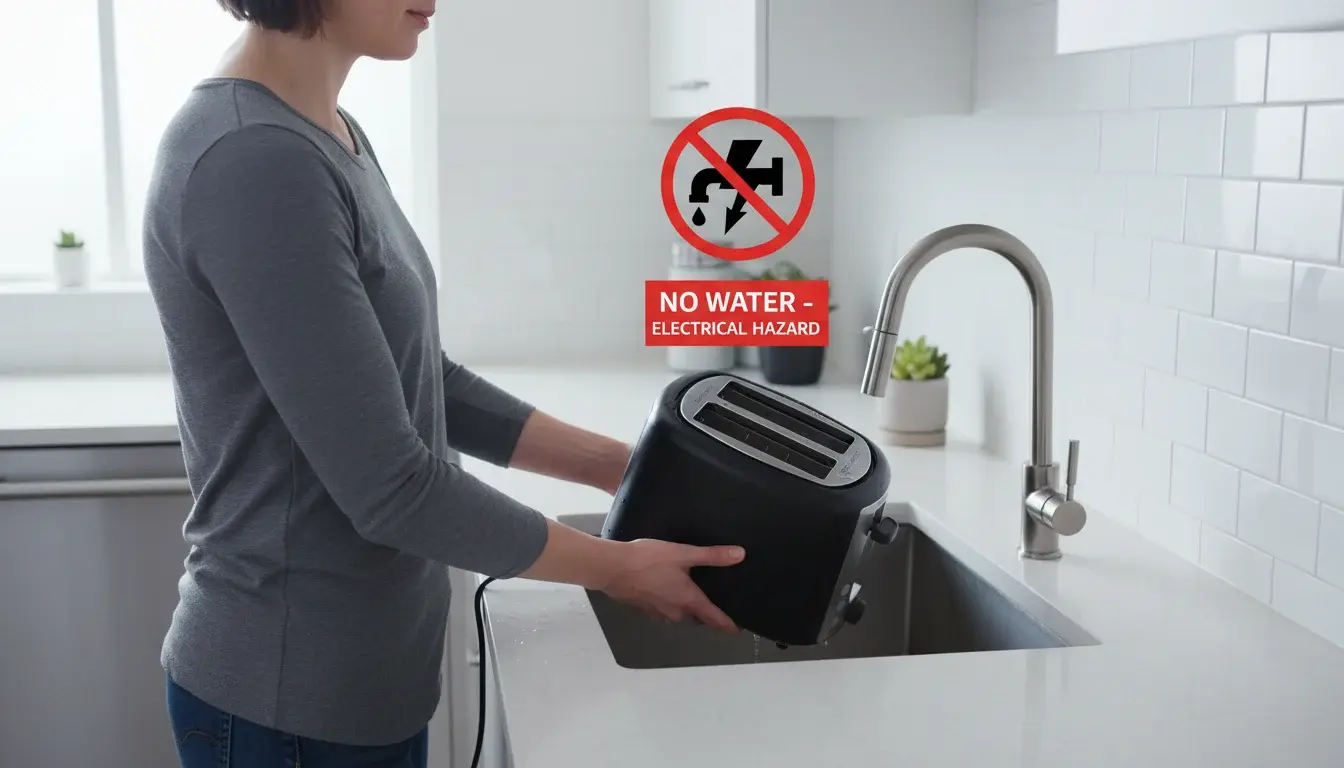
When thinking about cleaning your toaster, the big question is always: can you wash a toaster in the sink? The short answer is no, not in the way you’d wash a plate or a mug. Submerging a toaster in water is a big no-no.
This is because toasters have electrical components inside that can be damaged by water. Water and electricity are a dangerous mix, and you could break your toaster or even cause a safety hazard.
However, this doesn’t mean you can’t clean your toaster thoroughly. The goal is to clean the parts that can get dirty, like the outside and the crumb tray, without ever letting water get into the internal workings. Most toasters are designed with removable crumb trays, which are meant to be cleaned.
The exterior can also be wiped down. We’ll cover how to do this effectively and safely.
Understanding Your Toaster’s Design
Toasters are pretty simple machines on the outside, but inside they hold heating elements and wiring. These parts are sensitive. Think of it like a computer or a TV; you wouldn’t dunk those in water, and the same logic applies to your toaster.
The exterior of your toaster is usually made of metal or plastic. These surfaces can handle a gentle cleaning. The areas that get the most use and can become dirty are the slots where the bread goes, the exterior casing, and the crumb tray at the bottom.
The crumb tray is a vital part for cleanliness. It catches all the little bits of bread that fall during toasting. If you don’t empty and clean this regularly, crumbs can burn and create smoke, or even a small fire.
This tray is usually designed to slide out easily.
Why You Should Not Submerge a Toaster
Let’s be very clear: can you wash a toaster in the sink by putting it directly into the water? Absolutely not. Here’s why:
- Electrical Shock Hazard: Water conducts electricity. If water gets into the electrical parts, it can create a path for electricity to flow where it shouldn’t, which could lead to a shock when you plug it in or try to use it.
- Damage to Heating Elements: The glowing wires inside your toaster are its heating elements. These can rust or corrode if exposed to water, making them less effective or breaking them completely.
- Short Circuits: Water can cause short circuits, damaging the internal wiring and components. This often leads to the toaster becoming unusable.
- Rust and Corrosion: Metal parts inside the toaster can rust if they get wet and don’t dry properly. This can affect performance and lifespan.
So, while a full sink wash is out, a safe and effective cleaning method is definitely possible. The focus is on external cleaning and managing the crumb tray.
Safe Methods for Cleaning Your Toaster
Since you can’t just toss your toaster in the sink, you need different strategies. These methods are all about being careful and targeting specific areas.
Cleaning the Exterior
The outside of your toaster can usually be cleaned with a damp cloth. Make sure the toaster is unplugged and completely cool before you start.
- Get a soft cloth slightly damp with water. Wring it out well so it’s not dripping wet.
- Gently wipe down the exterior surfaces of the toaster.
- For stubborn spots or greasy fingerprints, you can use a tiny amount of mild dish soap on the damp cloth.
- After wiping with soap, use another clean, damp cloth to remove any soap residue.
- Always dry the exterior thoroughly with a soft, dry cloth.
Avoid using abrasive cleaners, scouring pads, or harsh chemicals, as these can scratch or damage the finish of your toaster.
Cleaning the Toaster Slots
Cleaning the actual slots where the bread goes is a bit trickier. You need to get rid of crumbs without getting water inside.
- First, turn the toaster upside down over a sink or trash can and gently shake it to dislodge loose crumbs.
- You can use a small, soft brush (like a pastry brush or an old toothbrush) to carefully sweep crumbs from the inside of the slots. Brush downwards towards the crumb tray opening.
- For really stuck-on bits, you can try using a dry, clean paintbrush.
- Never stick anything sharp or metal down into the slots, as you could damage the heating elements or wiring.
Some people use a can of compressed air, holding it at an angle to blow out crumbs from the slots. Be sure to do this in a well-ventilated area.
The Importance of the Crumb Tray
The crumb tray is your best friend for keeping your toaster clean and safe. It’s designed to catch crumbs, and cleaning it is usually the most involved part of toaster maintenance.
- Locate the crumb tray. It’s usually at the bottom of the toaster and slides out.
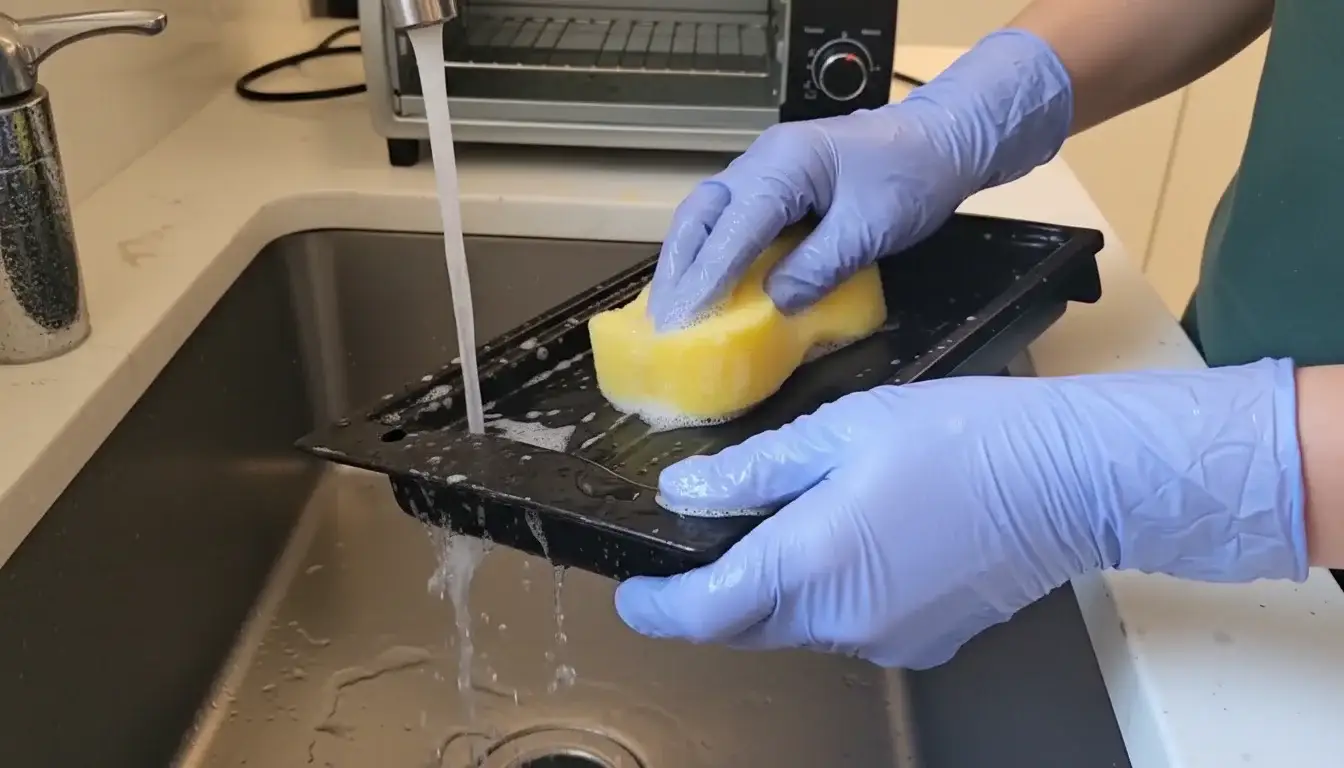
- Once removed, take it to the sink.
- Wash the crumb tray with warm, soapy water. You can use a sponge or cloth to scrub it clean.
- Rinse it thoroughly and let it air dry completely before sliding it back into the toaster.
Make sure the crumb tray is bone dry before reinserting it. Even a little moisture could cause issues. Cleaning the crumb tray at least once a week, or more often if you use your toaster a lot, is a good habit.
Dealing with Burnt-On Crumbs
Sometimes, crumbs can get burnt onto the heating elements or the bottom of the toaster slots. This can cause smoke or unpleasant smells. If this happens, and you’ve already emptied the crumb tray:
- Ensure the toaster is unplugged and cool.
- Turn the toaster upside down and shake out as many loose crumbs as possible.
- For burnt spots inside the slots, you might need to be patient. Sometimes, repeated toasting (on a low setting, with nothing inside) can help burn off tiny residue bits. However, this can also create smoke, so ventilation is key.
- A safer method is to use a slightly damp (not wet) cloth wrapped around a thin object, like a chopstick. Carefully wipe the inside surfaces where you see residue. Be very gentle and avoid touching the heating elements directly if possible.
Never use water directly inside the toaster slots to try and clean burnt bits.
When to Consider Professional Cleaning or Replacement
While most toasters can be kept clean with simple methods, there are times when you might need to think about something more.
Signs Your Toaster Needs More Than Just Cleaning
If you notice any of the following, your toaster might be having deeper issues:
- Persistent Smells: Even after cleaning the crumb tray and exterior, if your toaster continues to smell like burning, there might be something wrong internally.
- Smoke During Operation: If the toaster starts smoking excessively without any visible crumbs, it’s a sign of a potential electrical problem.
- Uneven Toasting: If one side of your toast is always burnt while the other is pale, even on the same setting, the heating elements might be failing.
- Toaster Not Working: If the toaster simply won’t turn on or doesn’t heat up, it might be an electrical fault.
- Visible Damage: If you see any charring on the cord or the body of the toaster, or if it feels unusually hot during normal use, stop using it immediately.
Repair vs. Replacement
For many modern toasters, especially less expensive models, the cost of repairing internal electrical issues can be close to the cost of buying a new one. If your toaster is old or showing significant signs of wear and tear, replacement is often the most practical option.
If you have a high-end or vintage toaster, it might be worth exploring professional repair services. However, always weigh the cost and availability of parts before deciding.
Tips for Maintaining a Clean Toaster
Keeping your toaster clean doesn’t have to be a big chore. A little bit of regular maintenance goes a long way.
- Empty the Crumb Tray Regularly: Aim for at least once a week, or every few uses. This is the single most important step.
- Shake Out Crumbs Daily: After you’re done using the toaster for the day, unplug it, turn it upside down, and give it a gentle shake over a bin. This removes most loose crumbs.
- Wipe Down the Exterior: A quick wipe with a damp cloth after cooking or when you see smudges keeps the outside looking good and prevents grime buildup.
- Use Proper Bread: Avoid putting very soft or crumbly bread directly into the toaster without shaking it first. Sometimes, toasting bread cut into thicker slices can produce fewer small crumbs.
- Be Mindful of What You Toast: If you like to toast bagels or thick slices of bread, be extra vigilant about crumb buildup, as these items can leave more debris.
These simple habits will help keep your toaster functioning well and looking its best, and they significantly reduce the chances of encountering a situation where you’re desperately wondering if you can wash it in the sink.
Frequently Asked Questions
Question: Can I use a vacuum cleaner to clean my toaster?
Answer: You can use a vacuum cleaner with a brush attachment to carefully suck up crumbs from the toaster slots and around the exterior. Make sure the toaster is unplugged and cool. Be gentle to avoid damaging any parts.
Question: How often should I clean my toaster’s crumb tray?
Answer: It’s best to clean the crumb tray at least once a week. If you use your toaster frequently, or toast items that produce a lot of crumbs, clean it every few uses.
Question: My toaster smells burnt. What should I do?
Answer: First, unplug the toaster and let it cool completely. Then, turn it upside down and shake out any loose crumbs. Clean the crumb tray thoroughly.
If the smell persists, there might be burnt residue inside the slots or an internal issue, and you should use caution.
Question: Can I use cleaning sprays on my toaster?
Answer: No, you should avoid using cleaning sprays, especially near the toaster slots or electrical components. Stick to a damp cloth and mild dish soap for the exterior only, and always dry thoroughly.
Question: Is it safe to leave crumbs in the toaster?
Answer: No, it is not safe to leave crumbs in the toaster. Accumulated crumbs can burn, creating smoke, a fire hazard, and an unpleasant smell. Regularly emptying the crumb tray is essential.
Final Thoughts
So, can you wash a toaster in the sink? The direct answer is no, you cannot submerge it. However, you can absolutely clean it safely and effectively.
By focusing on external wiping and diligent crumb tray management, you keep your toaster hygienic and working well without risking damage. Remember to always unplug it first and let it cool down. Simple steps will ensure your toaster stays in great shape for many delicious toastings to come.