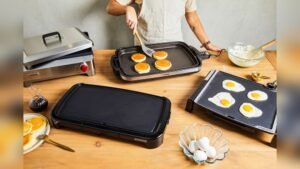
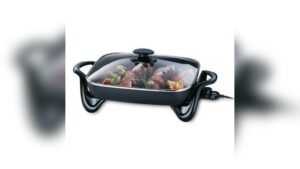
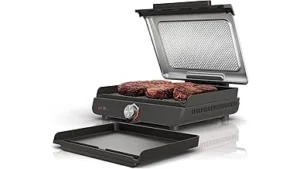
Cooking on an electric griddle seems simple, but many people make mistakes without realizing it. These small errors can ruin your food, damage your griddle, or even make cooking unsafe. If you want to enjoy perfect pancakes, crispy bacon, or juicy burgers, it’s important to understand what most people do wrong—and how to fix it.
An electric griddle is a powerful tool in the kitchen. It cooks food fast and evenly, but only if you use it correctly. Many beginners focus just on the recipe and forget about the cooking process itself. Some mistakes are easy to spot, while others are hidden and slowly cause problems over time.
Learning to avoid these common electric griddle mistakes will help you get better results and make your griddle last longer.
Let’s look at the most frequent errors people make with electric griddles, why they happen, and practical ways to avoid them.
Using The Wrong Temperature
One of the most frequent mistakes is setting the wrong temperature. Many people set the griddle to high heat, thinking food will cook faster. This usually leads to burnt outsides and raw insides, especially with thick foods like pancakes or chicken breasts. Low temperatures can also be a problem, causing food to dry out or stick.
Electric griddles heat up quickly and keep a stable temperature, but each food needs a different setting. For example, pancakes need about 350°F (175°C), while bacon does better at 375°F (190°C). Always check your recipe, and use a thermometer if your griddle does not show the temperature.
Many beginners forget to preheat. If you put food on a cold griddle, it will stick and cook unevenly. Wait until the griddle is fully heated before starting. This small step makes a big difference.
Not Using Enough Oil Or Butter
Some people think electric griddles are non-stick and skip the oil or butter. While many griddles do have non-stick coatings, a little fat helps with both flavor and texture. It also prevents sticking, especially with eggs, pancakes, or fish.
If you use too much oil, your food can become greasy. Too little, and it will stick or burn. The best way is to use a small amount and spread it evenly with a brush or paper towel. Some foods, like bacon, release their own fat, so you can use less oil.
But for most foods, a light coating is best.
Overcrowding The Cooking Surface
Electric griddles have a large flat surface, but it’s easy to overcrowd. When you put too much food on at once, the temperature drops, and food steams instead of browning. This is why pancakes turn pale, or burgers don’t get that nice crust.
Always leave some space between items. This allows hot air to move around each piece and cooks food more evenly. If you need to cook for a group, do it in batches. Warming finished items in the oven at low heat can keep them fresh until serving.
Not Cleaning The Griddle Properly
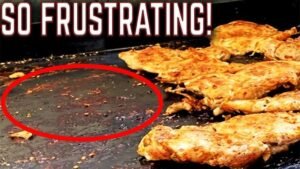
Cleaning mistakes are very common. Some people leave the griddle dirty after cooking, which makes future meals stick and taste bad. Others use harsh tools or cleaners that scratch the non-stick surface.
Here are smart cleaning steps:
- Unplug and let the griddle cool slightly (but not completely cold).
- Wipe off extra grease with a paper towel.
- Use a soft sponge with warm, soapy water to clean the surface.
- For tough spots, use a little baking soda and water paste.
- Avoid metal scrapers or steel wool.
If your griddle has a removable plate, wash it in the sink. If not, don’t let water touch the electric parts. Dry it well before storing.
Credit: bbqgenerals.com
Ignoring The Drip Tray
Most electric griddles have a drip tray for collecting fat and crumbs. Many users forget to empty or clean this tray. A full tray can overflow, creating a mess or even a fire risk.
Always check the tray before and after cooking. Wash it with hot, soapy water. Don’t wait for the grease to harden, as it’s harder to clean and can smell bad. An ignored drip tray is a hidden mistake that can ruin your cooking experience.
Cooking Wet Or Frozen Food
Putting wet or frozen food directly on the griddle is a big mistake. Moisture drops the temperature and creates steam, which prevents proper browning. For example, pancakes will be soggy, and meat won’t get a crust.
Always pat food dry with paper towels before cooking. If you’re using frozen items, thaw them in the fridge and dry them well. This small step gives you better texture and taste.

Credit: www.boska.com
Not Letting The Griddle Preheat
Skipping the preheating step is common, especially when you’re in a hurry. Food that goes on a cold griddle will stick, cook unevenly, and lose flavor. Preheating usually takes 5 to 10 minutes.
Test if your griddle is ready by sprinkling a few drops of water. If they sizzle and dance, the surface is hot enough. If they just sit and evaporate slowly, wait a bit longer. This is a simple but effective way to check.
Cutting Food Directly On The Griddle
Some people cut their food right on the griddle’s surface. This will scratch and damage the non-stick coating, making future cooking harder and less safe.
Always transfer food to a cutting board before slicing or chopping. If you need to cut something while it’s still on the griddle, use a soft plastic or wooden spatula—not a knife.
Using The Wrong Utensils
Metal utensils look strong, but they can ruin a non-stick griddle. The best tools are wooden, silicone, or plastic spatulas. These protect the surface and help your griddle last longer.
Some griddles are made from stainless steel or cast iron and can handle metal tools, but always check your manual first. If you’re not sure, stick with softer utensils.
Not Adjusting For Hot Spots
Even the best electric griddles can have hot spots—areas that get hotter than others. Food can burn in these spots while staying raw elsewhere.
One tip is to move your food around during cooking, especially for things like pancakes or French toast. You can also test your griddle by placing slices of bread all over the surface and seeing which parts brown faster.
Using Too Much Pressure When Cooking
Pressing down on food with your spatula might seem helpful, but it usually squeezes out juices and makes food dry. This is a common mistake with burgers or grilled cheese.
Let the griddle and time do the work. If you want crispy bacon or hash browns, don’t press down hard—just flip gently at the right time.
Not Monitoring Food Closely
Electric griddles cook quickly, which means you need to watch your food. Walking away for a few minutes can lead to burnt pancakes or dried-out eggs.
Stay near your griddle, especially for foods that cook in under 10 minutes. Set a timer if you’re multitasking. This simple habit prevents many ruined meals.
Cooking Everything At One Temperature
Some home cooks use the same temperature for everything. But eggs, bacon, burgers, and pancakes all need different heat levels for best results.
Here’s a quick temperature guide:
| Food | Recommended Temperature (°F) |
|---|---|
| Pancakes | 350 |
| Bacon | 375 |
| Eggs | 325 |
| Burgers | 375 |
| Sandwiches | 350 |
Always check the manual or recipe for the best settings.
Neglecting Maintenance
Long-term maintenance is often ignored. Over time, grease builds up, parts wear out, and the griddle loses performance.
Regularly check the power cord, plug, and temperature dial for signs of damage. If your non-stick coating starts to peel, it’s time to replace the plate or the whole griddle. This keeps cooking safe and healthy.
Not Knowing Your Griddle’s Features
Modern electric griddles come with features like adjustable thermostats, warming trays, or removable plates. Many users never read the manual and miss out on helpful options.
Take a few minutes to learn what your griddle can do. For example, some have a “keep warm” function, which is great for breakfast buffets. Others have dishwasher-safe parts, making cleaning much easier.
Comparing Electric Griddle Mistakes
To help you see the main differences between beginner and expert use, here’s a simple comparison:
| Beginner Mistake | Expert Solution |
|---|---|
| Overcrowding food | Cook in batches, leave space |
| Wrong temperature | Match temp to food type |
| Skipping oil/butter | Use a thin, even layer |
| Not cleaning after use | Clean after each session |
| Cutting on griddle | Use a cutting board |
Non-obvious Insights Most Beginners Miss
- Letting the griddle cool before cleaning: Many people start cleaning while it’s too hot, risking burns. But if you wait too long, grease hardens. The best time is when the griddle is still warm, not hot.
- Checking your power outlet: Electric griddles draw a lot of power. Using an old or overloaded outlet can cause uneven heating or trip your circuit breaker. Plug the griddle directly into a strong, grounded outlet for best results.
These small details make a surprising difference in both safety and cooking quality.
Safety Mistakes To Avoid
Electric griddles are generally safe, but mistakes can cause accidents. Here are a few safety tips:
- Never submerge the base in water.
- Keep the cord away from hot surfaces.
- Don’t leave the griddle unattended while on.
- Unplug when not in use.
If you’re unsure about a safety feature, check the manual or look for guidance from a trusted source, like Consumer Reports.
Example: Pancake Disaster
Sarah wanted to make pancakes for her family. She put batter on the griddle before it was hot and used no oil. The pancakes stuck, cooked unevenly, and tasted rubbery. After breakfast, she left the griddle dirty. The next time, everything stuck again.
By understanding her mistakes—preheating, oiling, cleaning—Sarah made much better pancakes. One simple change at a time can improve your results.
Frequently Asked Questions
Why Does My Food Stick To The Electric Griddle?
This usually happens when you don’t preheat the griddle, use too little oil, or cook food that is too wet. Make sure the surface is hot and lightly greased before adding your food.
How Often Should I Clean My Electric Griddle?
Clean the griddle after every use, while it’s still warm. Remove and wash the drip tray, and wipe the surface with a soft sponge and mild soap.
Can I Use Metal Utensils On My Griddle?
Most electric griddles have a non-stick surface and should not be used with metal utensils. Use wooden, silicone, or plastic tools to protect the coating.
Is It Safe To Cook Frozen Food On A Griddle?
It’s best to thaw and dry frozen food before cooking. Cooking directly from frozen can cause uneven cooking and a soggy texture.
How Do I Know The Right Temperature For Different Foods?
Check your griddle’s manual or your recipe. Common settings are 325°F for eggs, 350°F for pancakes, and 375°F for bacon or burgers.
Proper use of an electric griddle is about more than just plugging it in and turning it on. By avoiding these common mistakes, you’ll enjoy tastier meals, save time on cleanup, and make your griddle last for years. With a little attention to detail, cooking on an electric griddle can be simple, safe, and delicious.