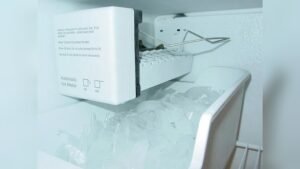
Many people rely on ice makers for cold drinks, especially during hot days or when hosting guests. These machines are found in refrigerators, standalone units, and commercial kitchens. While they make life easier, ice makers can sometimes stop working well or break down completely. Understanding common ice maker problems can help you fix small issues yourself and know when to call a professional. This article covers everything you need to know, from typical symptoms to troubleshooting tips, so you can keep your ice maker running smoothly.
How Ice Makers Work
Before diving into the common problems, it’s helpful to understand the basic process. Most household ice makers use a simple cycle:
- Water supply fills a tray or mold.
- The water freezes into ice cubes.
- A heating element briefly warms the tray, so cubes can be released.
- Ejector arms push the cubes into a storage bin.
- The cycle repeats until the bin is full.
If any part fails, your ice maker may stop producing ice, make strange noises, or deliver poor-quality cubes.
Not Making Ice
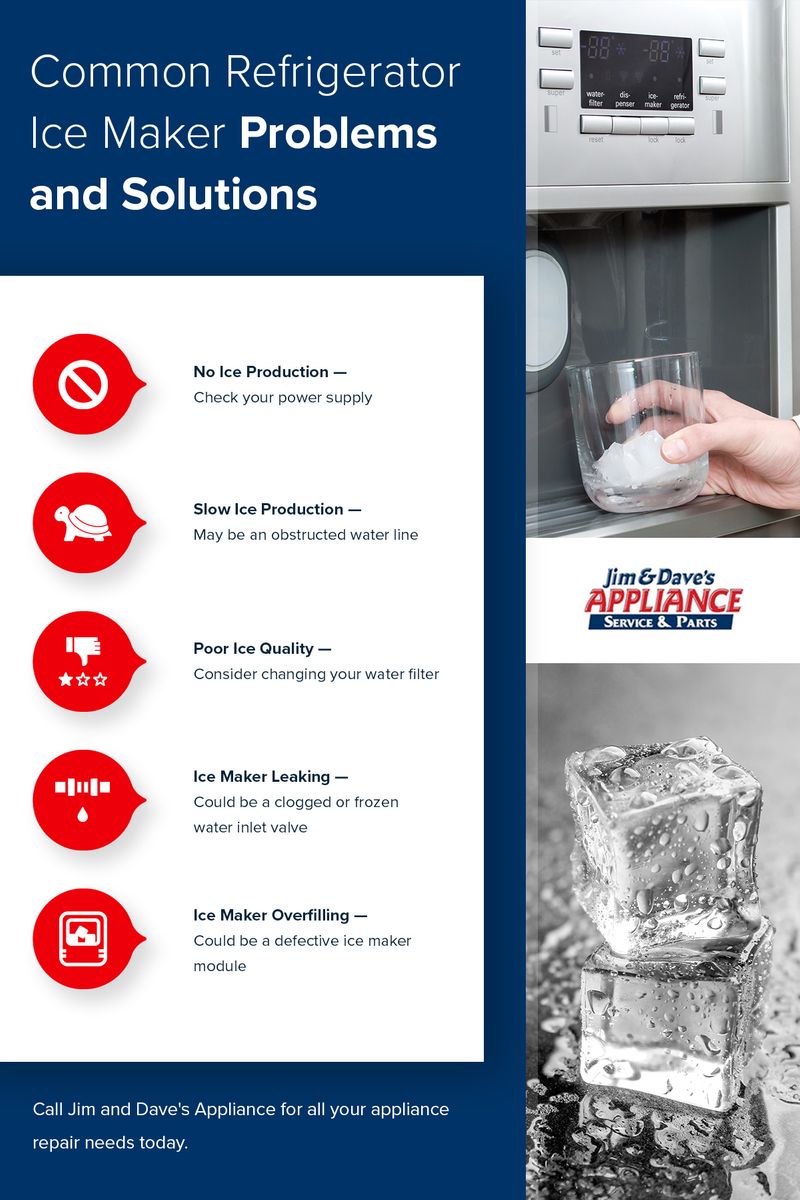
One of the most frequent complaints is when the ice maker stops producing ice completely. This can have several causes:
- The water supply line might be kinked, blocked, or frozen. If water doesn’t reach the tray, no ice is made.
- The ice maker switch may be off. Some units have a simple on/off arm or button.
- The water filter could be clogged. Over time, debris and minerals block the filter, reducing water flow.
- Faulty inlet valves or malfunctioning control boards can also stop the cycle.
Checking the water line and filter is a good first step. If these are clear, try resetting the unit by unplugging it for a few minutes.
Credit: www.fengtech.com
Low Ice Production
Sometimes your ice maker works, but produces fewer cubes than usual. This often points to:
- Clogged filters: Reduced water flow leads to small batches.
- High freezer temperature: If your freezer is set too warm, ice forms slowly or not at all. The ideal range is -18°C (0°F).
- Partial blockages: Ice can sometimes jam moving parts, especially the ejector arm or tray.
A quick tip: If your home’s water pressure is low (below 20 psi), ice production will also slow down.
Ice Cubes Are Too Small Or Misshapen
Getting tiny or odd-shaped cubes is a sign that not enough water is reaching the mold. Reasons include:
- Partially blocked water line
- Old water filter
- Incorrect water pressure (too low)
Sometimes, mineral buildup inside the line can also cause this. Flushing the line and replacing filters usually solves the problem.
Ice Tastes Or Smells Bad
Bad-tasting or smelly ice is a common complaint. Common causes:
- Dirty water filter: Old filters let impurities pass through.
- Stale ice: Ice left too long in the bin absorbs odors from food in the freezer.
- Mold or bacteria: Without regular cleaning, mold can grow inside the ice maker.
- Water quality: Hard or chlorinated water can affect taste.
To fix this, change the filter regularly and clean the storage bin every few months. If your tap water tastes odd, consider using a refrigerator with a built-in filter or an external filtration system.
Ice Maker Leaking Water
Leaks can cause puddles in your freezer or kitchen floor. This often happens when:
- The water fill tube is misaligned or cracked.
- The ice tray is damaged, causing water to spill out before freezing.
- Drain lines are blocked, so water overflows instead of draining.
Check for visible cracks and make sure all hoses are secure. Sometimes, ice can block the drain, so remove any excess buildup as well.
Ice Maker Is Noisy
Some noise is normal, like the sound of ice cubes dropping into the bin. But loud grinding, buzzing, or knocking means trouble:
- Ice jam: Cubes stuck in the ejector arm make grinding sounds.
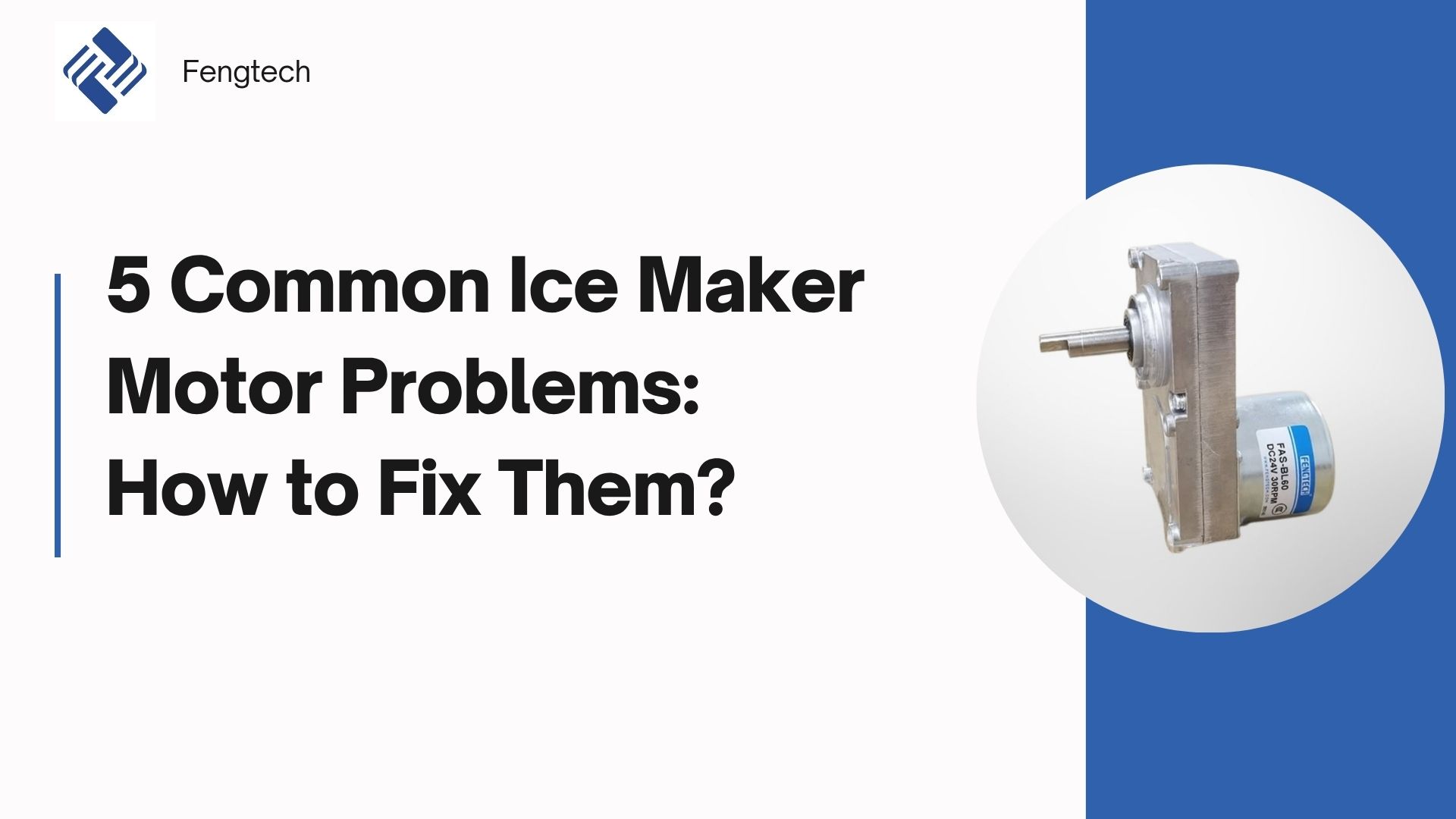
- Faulty motor or gears: Worn parts create buzzing or knocking.
- Water hammer: Sudden changes in water pressure cause pipes to bang.
It’s important to clear any jams and replace worn parts quickly, as ignoring noises can lead to bigger repairs.
Ice Stuck In The Maker
Sometimes ice cubes refuse to drop into the bin. This is usually due to:
- Frozen ejector arm: If water leaks onto the arm and freezes, it locks up.
- Faulty heating element: If the tray is not warmed, cubes stick to the mold.
- Mineral deposits: Hard water leaves residue that traps cubes.
Defrosting the freezer and cleaning the ice maker can help. If the problem continues, the heating element or ejector arm may need replacement.
Credit: www.jimanddaves.com
Frozen Water Line
When the water supply line freezes, ice production stops completely. Causes include:
- Freezer temperature too low: Below -18°C (0°F), water lines can freeze.
- Poor insulation: Exposed lines freeze faster, especially in cold environments.
- Leaking door seals: Cold air escapes and drops the temperature around the lines.
To fix this, thaw the line with a hair dryer or warm towel (never use open flames). Adjust the freezer settings to prevent future freezes.
Ice Maker Won’t Turn Off
If your ice maker keeps making ice and overflows the bin, the shutoff arm or sensor may be faulty. This arm detects when the bin is full and stops the cycle. If it gets stuck or breaks, ice production continues until you turn off the water supply.
Replace broken sensors or arms to restore normal function.

Credit: www.youtube.com
Mold Or Slime In The Ice Maker
Moist, dark environments are perfect for mold growth. If you see black spots or slimy residue:
- Clean the bin and trays regularly with warm, soapy water.
- Disinfect with diluted vinegar or bleach (rinse thoroughly).
- Dry all parts before reassembling.
Ignoring mold can affect both taste and health.
Ice Maker Freezing Up
Some ice makers develop thick frost or ice inside, blocking normal operation. This may happen if:
- Door seals are damaged, letting in moist air.
- The defrost system is not working properly.
- Warm air enters during frequent freezer openings.
Defrosting and resealing the freezer door usually solves the problem.
Ice Maker Not Dispensing Ice
If you press the lever and nothing happens, possible causes include:
- Jammed dispenser chute
- Motor failure
- Electrical faults in the control board
Clear the chute and check the motor. Power surges can also damage the control board, which may need replacing.
Common Error Codes
Modern ice makers often display error codes. Here’s a quick reference for popular brands:
| Brand | Error Code | Meaning |
|---|---|---|
| Samsung | 5E | Defrost error |
| LG | Er IF | Ice fan failure |
| Whirlpool | E2 | Ice maker lost position |
Always check your user manual for exact codes and solutions.
When To Call A Professional
While many ice maker problems are easy to fix, some need expert attention. Call a technician if:
- You hear constant loud noises
- There’s a burning smell
- The unit leaks heavily
- Electrical parts are damaged
Don’t try to repair wiring or sealed components yourself. Improper repairs can void warranties or cause further damage.
Preventive Maintenance Tips
Regular care helps avoid most ice maker problems. Here’s what you should do:
- Replace water filters every 6 months, or as recommended.
- Clean the ice bin and tray monthly.
- Check water lines for leaks or kinks.
- Inspect door seals for cracks or gaps.
- Defrost the freezer if you see excess frost.
Here’s a quick schedule for reference:
| Task | Frequency |
|---|---|
| Replace filter | 6 months |
| Clean bin/tray | Monthly |
| Check water lines | Quarterly |
| Inspect seals | Every 3 months |
Ice Maker Types And Unique Issues
Not all ice makers are the same. The type you own affects what can go wrong.
| Type | Typical Problem | Notes |
|---|---|---|
| Refrigerator ice maker | Low ice output | Often due to filter or temp issues |
| Undercounter unit | Drain clogs | Needs regular cleaning |
| Portable ice maker | Manual water filling errors | No water line needed |
| Commercial ice machine | Scale buildup | Requires descaling chemicals |
Portable ice makers, for example, may stop working if you forget to add water, while commercial machines need descaling to remove hard water deposits.
Non-obvious Insights Most People Miss
- Water quality matters more than you think. Hard water causes scale buildup, which can block lines and slow production. Using filtered or softened water extends the life of your machine.
- The location of your ice maker affects performance. Units near ovens or sunlight may struggle to keep cool, leading to smaller batches or more frequent jams.
- Resetting the ice maker can solve many issues. Sometimes, simply unplugging the unit for five minutes resets sensors and control boards, restoring normal function.
- Ignoring small noises leads to big repairs. A faint grinding sound may be a stuck cube or worn gear. Fixing minor issues early saves money later.
Frequently Asked Questions
Why Does My Ice Maker Make Hollow Ice Cubes?
Hollow cubes mean the mold didn’t fill with enough water. This is usually due to low water pressure or a partially clogged filter. Check your home’s water pressure (should be at least 20 psi) and replace the filter if needed.
How Often Should I Clean My Ice Maker?
For best results, clean the bin and tray every month. If you notice mold, slime, or bad smells, clean it right away. Regular cleaning prevents bacteria and keeps ice tasting fresh.
Is It Safe To Use Ice From A Machine With Mold?
No, mold can spread bacteria and make you sick. Always clean moldy ice makers thoroughly before using them again. Use a mild bleach solution (1 tablespoon bleach per gallon of water), rinse well, and dry all parts.
Can I Use Vinegar To Clean My Ice Maker?
Yes, white vinegar is safe and effective for removing mineral deposits and odors. Mix equal parts vinegar and water, run it through the system, then rinse thoroughly with clean water.
Where Can I Find More Information About Ice Maker Maintenance?
For official guides and troubleshooting tips, visit the manufacturer’s website or check out resources like Consumer Reports.
Keeping your ice maker in top shape means more than just enjoying cold drinks. Regular checks, cleaning, and understanding common issues can save you time, money, and frustration. If problems persist, don’t hesitate to seek professional help—sometimes, expert repair is the best solution for a lasting fix.