Skip to content
Every kitchen has knives, but not everyone uses them correctly. If you often cook at home, you probably reach for your kitchen knife many times a week. You may not realize it, but common mistakes can make your cooking harder, damage your knives, or even cause injuries.
Learning how to avoid these mistakes will save you time, keep your knives sharp, and help you cook safer. Whether you’re new to cooking or just want to improve, knowing the right way to handle and care for your kitchen knives makes a big difference.
Let’s explore the most frequent kitchen knife mistakes and how you can avoid them.
Using The Wrong Knife For The Job
Many people think one knife can do everything. In reality, each kitchen knife is made for a specific purpose. Using a bread knife to chop onions or a chef’s knife to slice bread makes your work harder and can damage the knife.
A chef’s knife is best for chopping vegetables, meat, and herbs. A paring knife is for peeling or cutting small items. A serrated knife is for bread and tomatoes. If you use the wrong knife, you risk slipping or crushing your food.
Here is a quick comparison:
| Knife Type | Best Use | Common Mistake |
|---|---|---|
| Chef’s knife | Chopping, slicing, dicing | Using for bread or peeling |
| Paring knife | Peeling, trimming | Trying to chop large foods |
| Serrated knife | Slicing bread, soft fruits | Chopping vegetables |
Tip: Learn what each knife is for. It saves time and keeps your knives in good shape.
Cutting On The Wrong Surface
The surface you cut on affects your knife and your safety. Some people cut on glass, metal, or ceramic boards. These surfaces can dull your knife quickly and make cutting dangerous because the knife can slip.
Wood and plastic cutting boards are best. They are gentle on the knife’s blade and less likely to cause accidents. Using the right board keeps your knives sharper longer and protects your fingers.
| Surface | Effect on Knife | Safety Level |
|---|---|---|
| Wood | Blade stays sharp | High |
| Plastic | Blade stays sharp | High |
| Glass | Blade gets dull | Low |
| Metal/Ceramic | Blade gets dull | Low |
Tip: Avoid cutting on plates, countertops, or hard boards. Use proper cutting boards to keep your knives in top shape.

Credit: mysekkin.com
Not Keeping Knives Sharp
A dull knife is more dangerous than a sharp one. Many people don’t sharpen their knives enough. When a knife is dull, you need more force, and the blade can slip and cause injuries. Studies show that most kitchen accidents happen with dull knives.
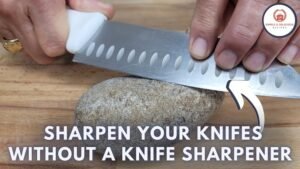
Sharpen your knives regularly. Home cooks should sharpen their main knives every 1-2 months, depending on use. Use a sharpening stone or a knife sharpener. Honing your knife with a steel helps keep the edge straight, but doesn’t sharpen it.
Non-obvious insight: Honing your knife is not the same as sharpening. Honing realigns the blade, while sharpening removes metal to create a new edge.
Improper Knife Storage
Many people store knives in drawers, mixed with other utensils. This can chip the blade, dull the edge, and cause injuries when reaching in. Proper storage is key for safety and knife longevity.
The best ways to store knives are:
- Knife block: Keeps knives organized and protected.
- Magnetic strip: Saves space and lets you see each knife.
- Knife sheath: Covers the blade, useful for drawer storage.
Never toss knives loose in a drawer. It damages the blade and is risky.
Non-obvious insight: Storing knives in a block with slots too small can cause scratches and dulling. Make sure your block fits your knives.
Cutting With The Wrong Technique
How you hold and move the knife matters. Many beginners grip the handle loosely or press down with fingers on the blade’s back. This weakens control and risks accidents.
Hold the knife firmly, with your thumb and index finger gripping the blade’s base. Keep your other fingers curled under the handle. Use a rocking motion for chopping, and keep the tip in contact with the board.
Common mistake: Using a straight up-and-down motion, which leads to uneven cuts and more effort.
Ignoring Safety Practices
Some people rush through cutting, not paying attention. They may leave knives on the counter or cut toward their body. These habits increase the risk of injury.
Follow these safety rules:
- Always cut away from your body.
- Keep your fingers tucked in, using the “claw” grip.
- Never leave knives where children can reach them.
- Wash knives immediately after use, don’t leave them in sinks.
According to the CDC, kitchen knives cause over 350,000 emergency room visits yearly in the US. Many accidents happen from careless handling.
Washing Knives Incorrectly
Dishwashers seem convenient, but they are bad for knives. The high heat and strong detergents can dull blades and damage handles. Other people soak knives in water, which rusts the blade and weakens the handle.
Wash knives by hand with warm water and mild soap. Dry them right away to prevent rust. Never leave knives wet or toss them in the dishwasher.
| Washing Method | Blade Impact | Handle Impact |
|---|---|---|
| Hand wash & dry | Stays sharp | Stays strong |
| Dishwasher | Gets dull | May crack or loosen |
| Soaking | May rust | Weakens |
Using Knives For The Wrong Tasks
Kitchen knives are for food. Don’t use them to open cans, pry lids, or cut packaging. This can bend or break the blade. If you need to open something, use the right tool.
Example: Using a chef’s knife to open a coconut or cut frozen food can chip the blade. Knives are not made for hard or non-food items.

Credit: japan-knifeshop.com
Neglecting Regular Maintenance
Some cooks don’t maintain their knives. Over time, food residue builds up, handles loosen, and blades rust. Regular care keeps knives safe and effective.
Every few weeks:
- Inspect for loose handles or cracks.
- Clean blade and handle carefully.
- Apply food-safe oil to wooden handles.
A well-maintained knife can last 10-20 years or more. Neglect leads to early replacement.
Holding The Knife Incorrectly
How you hold the knife affects your control and safety. Many beginners grip the handle at the end or hold the blade too far forward. This causes fatigue and uneven cuts.
The best grip is the pinch grip: thumb and index finger around the blade’s base, other fingers on the handle. This gives better control and reduces effort.
If you use knives for long periods, the wrong grip can cause wrist pain and slow you down.
Not Using The Right Cutting Motion
Different foods need different cutting motions. For herbs and vegetables, use a rocking motion. For meat, use slicing. For bread, use sawing.
Using the wrong motion makes cutting harder and damages the blade. Practice the right motion for each food type.
Using A Dull Knife To Cut Hard Foods
Trying to cut squash or pumpkin with a dull knife is risky. You may need too much force, and the knife can slip. Always use a sharp knife for tough foods.
If your knife struggles, sharpen it before continuing. Never use a dull blade on hard items.
Not Paying Attention While Cutting
Distractions in the kitchen lead to mistakes. Many accidents happen when people talk, look at their phone, or rush. Stay focused when using knives.
Tip: If you need to answer a call or step away, put your knife down safely.
Buying Low-quality Knives
Cheap knives seem like a good deal, but they don’t last and are often unsafe. Low-quality steel dulls fast, handles break, and blades bend.
Invest in high-quality knives. They cost more upfront but last years and make cooking easier. Look for brands with good reviews and solid construction.
According to a survey by Cook’s Illustrated, 60% of home cooks who switched to better knives noticed easier cutting and fewer accidents.
Not Learning How To Sharpen Properly
Some people use the wrong angle or technique for sharpening. This can ruin the blade. Each knife needs a specific sharpening angle, usually between 15-20 degrees.
If you’re unsure, check the manufacturer’s guide or watch trusted tutorials. Practice on old knives before sharpening your best ones.
Frequently Asked Questions
What Is The Safest Way To Hold A Kitchen Knife?
The safest way is the pinch grip. Place your thumb and index finger at the blade’s base, with the rest of your fingers around the handle. This gives better control and keeps your fingers away from the cutting edge.
How Often Should I Sharpen My Kitchen Knives?
For home cooks, sharpening every 1-2 months is ideal, depending on use. Honing can be done weekly, but sharpening restores the edge. If your knife doesn’t cut smoothly, it’s time to sharpen.
Can I Use A Kitchen Knife To Cut Frozen Food?
No. Cutting frozen food with a kitchen knife can damage or chip the blade. Use a specialized knife or let food thaw before cutting.
Is It Safe To Wash Knives In The Dishwasher?
Dishwashers can dull the blade and damage the handle. Always wash knives by hand with mild soap, then dry immediately. This keeps your knives sharp and strong.
What Is The Best Surface For Cutting With Kitchen Knives?
Wood and plastic cutting boards are safest for knives. Avoid glass, metal, or ceramic boards—they dull the blade and can cause accidents.

Credit: www.musashihamono.com
Final Thoughts
Kitchen knives are essential tools, but using them incorrectly can cause problems. Avoiding common mistakes helps you cook safer, keeps your knives sharp, and saves money in the long run. Remember to use the right knife for each task, cut on proper surfaces, store knives safely, and sharpen them regularly. Small changes in your habits can make a big difference. If you want to learn more about knife care, you can visit Wikipedia for detailed information. Stay mindful in the kitchen and enjoy cooking with confidence.