Skip to content
Many people love rice, but making it perfectly can feel tricky. When you first get a rice cooker, it seems super easy, right? Just add rice and water and push a button.
But sometimes, your rice comes out too mushy or too dry. These little problems are actually quite common for beginners. Don’t worry, though!
We’re going to show you simple ways to fix these issues. Get ready to learn how to make fluffy, perfect rice every time with your cooker.
Key Takeaways
- You will learn the most common errors people make with rice cookers.
- Discover how much water to use for different types of rice.
- Understand why rinsing rice is important and how to do it right.
- Learn about the correct way to clean your rice cooker.
- Find out how to avoid burning or sticking rice.
- Get tips for storing leftover rice safely.
Understanding Your Rice Cooker Basics
A rice cooker is a kitchen appliance designed to simplify the process of cooking rice. It uses a heating element and a thermostat to maintain a precise cooking temperature. Most modern rice cookers operate on a simple principle: they heat water to its boiling point and then maintain that temperature until the water is absorbed by the rice.
Once the water is gone, the cooker automatically switches to a “warm” setting. This automated process aims to take the guesswork out of cooking rice, which can otherwise be a finicky process depending on the type of rice and cooking method. The basic components include an inner pot where the rice and water go, an outer shell with the heating element, and a lid to trap steam.
The control panel usually has a few buttons, often just for “cook” and “warm.” This simplicity is what makes it appealing, but it also means small mistakes can have big impacts on the final dish.
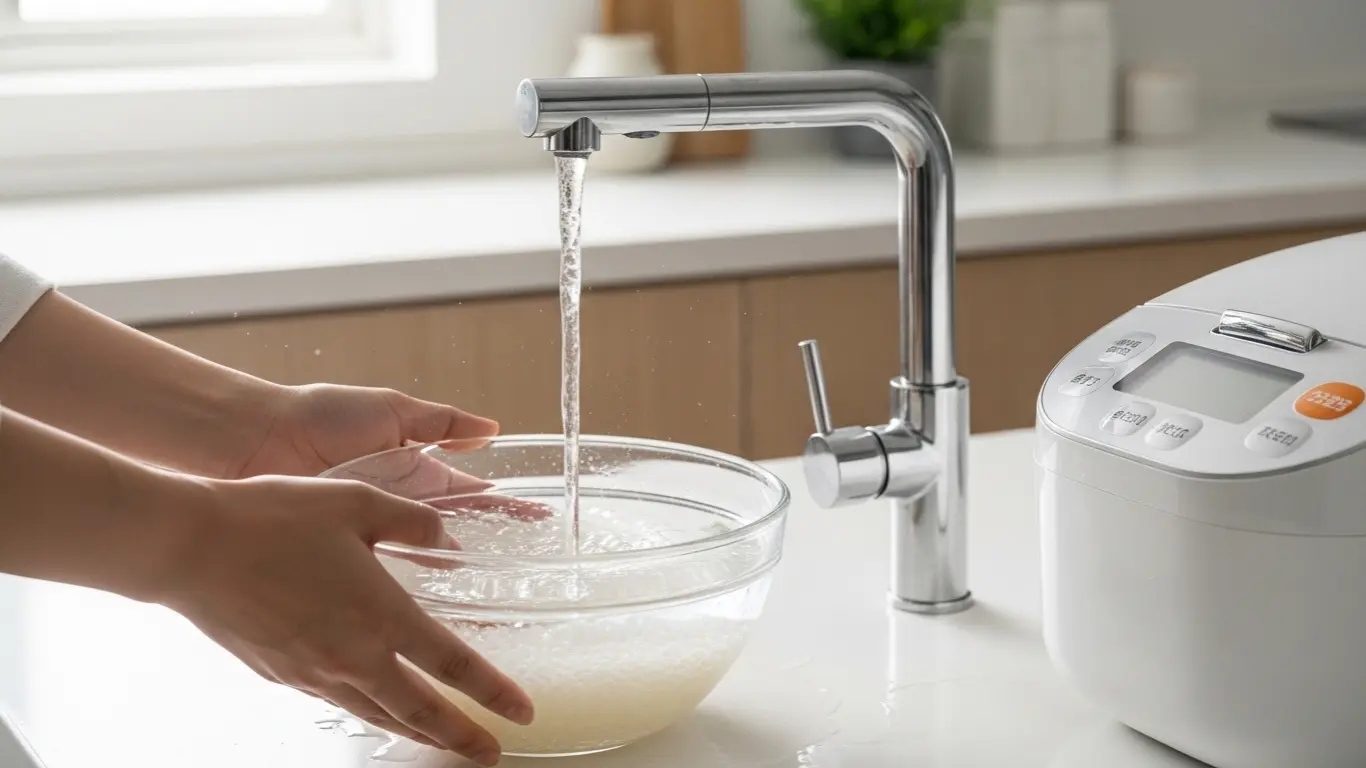
The Importance of Rinsing Rice
Many users skip rinsing rice, thinking it’s an unnecessary step. However, rinsing removes excess starch from the surface of the rice grains. This excess starch is what can make rice sticky or clumpy.
When you cook rice without rinsing, the starch dissolves into the cooking water, creating a gooey texture. Properly rinsed rice, on the other hand, results in separate, fluffy grains. The amount of rinsing needed can vary.
For example, white rice generally needs a good rinse, while brown rice may not require as much. The goal is to wash away the milky white residue until the water runs mostly clear. This simple step is one of the most crucial for achieving perfect rice texture.
- Rinsing rice removes surface starch. This prevents rice from becoming gummy or sticking together. Many people forget this step, leading to less than ideal rice.
- To rinse, place the rice in a bowl or the rice cooker’s inner pot. Cover the rice with cool water and gently swirl it with your hand. You will see the water turn cloudy and white. Drain this cloudy water. Repeat this process several times.
- Continue rinsing until the water runs clear. For most white rice, this takes about 3-5 rinses. For other types of rice, like sushi rice, you might need to rinse even more.
- This simple action makes a big difference in how fluffy and separate your rice grains will be. It’s a foundational step for any rice dish.
Measuring Rice and Water Accurately
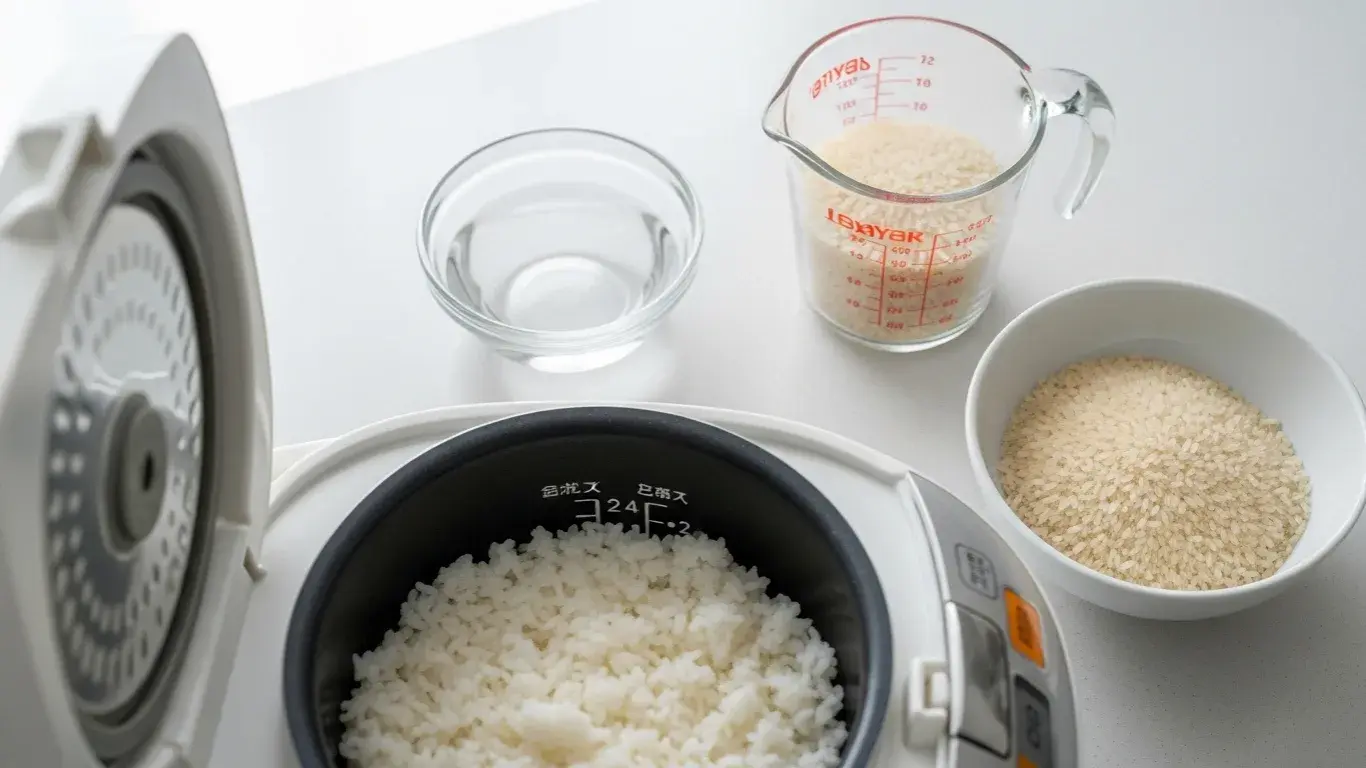
One of the most frequent mistakes with rice cookers is incorrect water-to-rice ratio. Rice cookers are designed for a specific ratio, and deviating from it causes problems. Too much water leads to mushy, overcooked rice.
Too little water results in dry, undercooked, or burnt rice. The amount of water needed can also change based on the type of rice. White rice, brown rice, and specialty rices like basmati or jasmine all have slightly different water requirements.
Always use the measuring cup that came with your rice cooker or a standard kitchen measuring cup. Never eyeball it.
- Always use the measuring cup provided with your rice cooker for both rice and water. These cups are calibrated for your specific model.
- A common ratio for white rice is 1:1.5 or 1:2 (rice to water). Brown rice often needs more water, like 1:2 or 1:2.5. Check your rice cooker’s manual for specific recommendations.
- For example, if you’re cooking 1 cup of white rice, you might need 1.5 cups of water. If you’re cooking 1 cup of brown rice, you might need 2 cups of water.
- Always measure rice before cooking and water before adding it to the pot. Get this ratio right from the start for the best results.
Choosing the Right Rice Type
Not all rice is cooked the same way. Different types of rice, such as short-grain, long-grain, brown, jasmine, or basmati, have unique starch content and absorption rates. A rice cooker can handle most types, but you need to adjust the water and cooking time.
For instance, brown rice has its bran and germ intact, making it denser and requiring more water and a longer cooking time compared to white rice. Specialty rice’s like basmati or jasmine can be more delicate and might need less water to maintain their fragrance and texture. Using the wrong settings or water ratio for a specific rice type is a very common pitfall.
- White rice (like long-grain or short-grain) is the most common and easiest to cook. It usually requires a 1:1.5 or 1:2 ratio of rice to water.
- Brown rice is heartier and takes longer to cook. It needs more water, often a 1:2 or 1:2.5 ratio, and a longer cooking cycle.
- Jasmine and basmati rices are fragrant long-grain varieties. They cook similarly to white rice but can sometimes benefit from slightly less water to keep grains separate and fluffy.
- Always read the package instructions for your specific rice. Many packages will recommend a water ratio and cooking time that you can then adapt for your rice cooker.
Common Cooking Process Errors
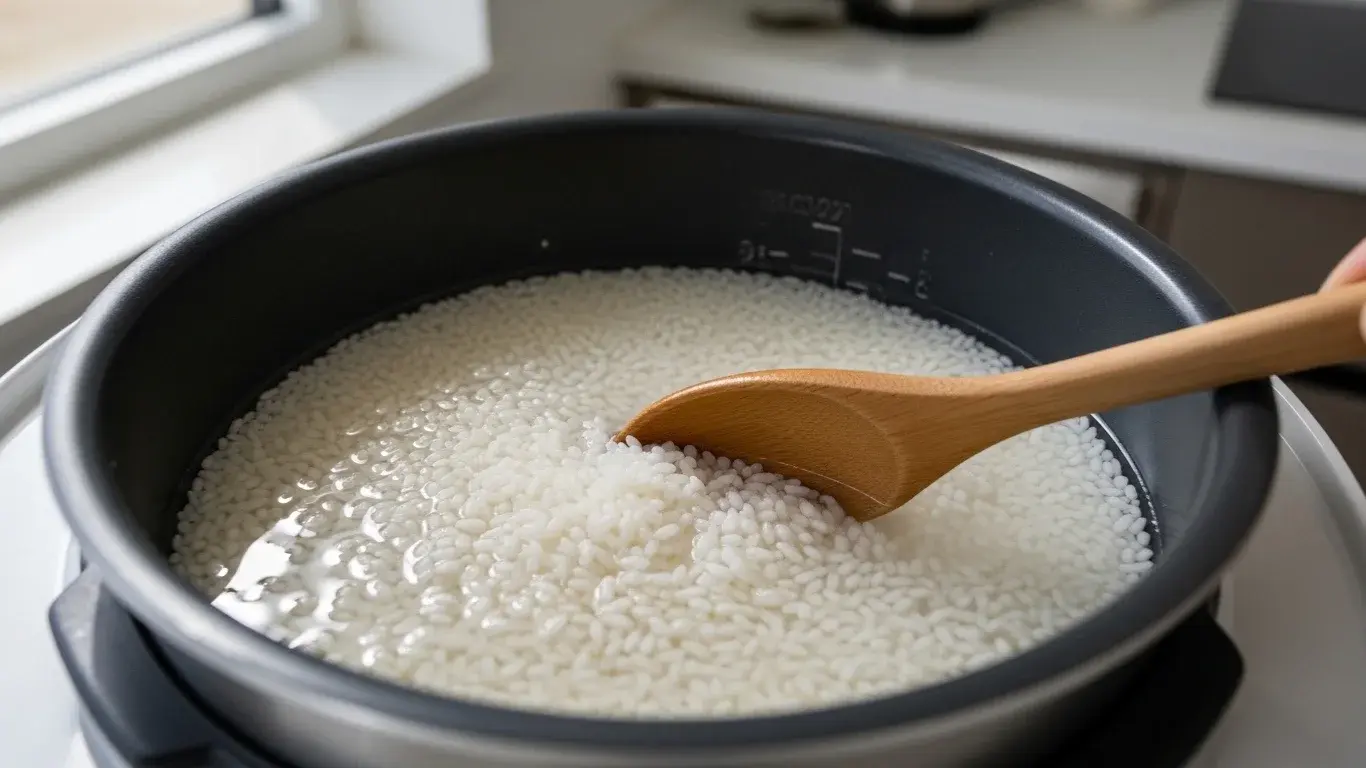
Beyond just measuring, there are other steps in the cooking process that can go wrong. One of the biggest is not properly distributing the rice and water in the pot. If rice is piled too high on one side, it won’t cook evenly.
Also, some people might open the lid too early during the cooking cycle. This releases essential steam, which is crucial for cooking the rice thoroughly and evenly. The “keep warm” function is also sometimes misunderstood.
While it keeps rice at a safe temperature, leaving rice on “warm” for too long can dry it out or affect its texture.
Uneven Rice Distribution
When you add rice and water to the inner pot, it’s important to spread them out evenly. If you just dump the rice in and pour water over it, it might clump up. This can lead to some parts of the rice being perfectly cooked while other parts remain dry or undercooked.
A simple spread of the rice with a spoon or spatula before adding the water, and then gently stirring to ensure all grains are submerged, makes a significant difference. This ensures that each grain of rice has equal access to the cooking water and heat.
- After adding the measured rice and water to the inner pot, use a spoon or spatula to spread the rice evenly across the bottom of the pot.
- Gently stir the rice and water together to ensure all rice grains are submerged. This prevents clumping and ensures even cooking.
- Avoid pressing down on the rice, as this can make it dense. Just a gentle stir to mix is all that’s needed.
- This simple distribution technique helps the rice cooker work more effectively, leading to consistently fluffy rice.
Opening the Lid During Cooking
Rice cookers are designed to trap steam and maintain a consistent temperature. Opening the lid while the cooker is actively cooking releases this valuable steam. This can significantly disrupt the cooking process, leading to rice that is undercooked, dry, or unevenly cooked.
It’s like opening your oven door every few minutes while baking a cake; it just won’t turn out right. Most rice cookers have indicator lights or sounds to show when cooking is complete. Resist the urge to peek.
Trust the machine to do its job.
- Once you start the rice cooker, do not open the lid until it has finished its cooking cycle and switched to the “warm” setting.
- Opening the lid lets out the steam needed for the rice to cook properly. This can cause undercooked rice.
- Wait for the cooker to signal that it’s done. Some cookers beep, others have indicator lights.
- This patience is key. It allows the rice to absorb all the moisture and become perfectly tender.
Overusing the “Keep Warm” Function
The “keep warm” feature is a great convenience, allowing your rice to stay hot and ready to serve for a while after cooking. However, it’s not designed for long-term storage. Leaving rice on “warm” for extended periods, especially more than a couple of hours, can cause it to dry out, become tough, and even start to harden.
It can also affect the rice’s flavor and texture. For best results, try to serve the rice soon after it’s cooked or transfer it to an airtight container and refrigerate it if you need to store it for longer.
- The “keep warm” setting is for maintaining temperature for a short period, typically 1-2 hours.
- Leaving rice on “warm” for too long can dry it out, make it tough, and affect its taste.
- If you know you won’t be eating the rice soon, it’s best to turn off the cooker and let it cool slightly before storing it in an airtight container in the refrigerator.
- Enjoy the convenience, but be mindful of the time to ensure your rice remains delicious.
Maintenance and Cleaning Pitfalls
Just like any kitchen appliance, rice cookers need proper care to function well and last long. Neglecting cleaning is a very common mistake that can lead to several problems. Food residue, especially if left uncleaned, can affect the taste of future rice batches and even become a breeding ground for bacteria.
Furthermore, improper cleaning methods can damage the non-stick coating of the inner pot or the cooker itself. Knowing how to clean effectively and regularly is as important as knowing how to cook the rice.
Ignoring the Inner Pot Cleaning
The inner pot is where the magic happens, but it’s also where residue can build up. If rice sticks to the bottom or sides and isn’t cleaned properly, it can burn onto the surface. This burnt residue is hard to remove and can affect the flavor of your next batch.
Always clean the inner pot immediately after use. Most inner pots have a non-stick coating, which requires gentle cleaning. Harsh scrubbers or abrasive cleaners can scratch this coating, leading to more sticking in the future.
- Always wash the inner pot after each use. Leftover rice or starch can burn and become difficult to remove.
- Use a soft sponge or cloth with mild dish soap. Avoid abrasive scrubbers, steel wool, or harsh chemicals.
- For stubborn bits of rice, soak the pot in warm, soapy water for a while before cleaning.
- Ensure the pot is completely dry before placing it back into the rice cooker base. Moisture can cause issues.
Forgetting to Clean the Lid and Steam Vent
The lid and the steam vent are often overlooked parts of the rice cooker. The lid traps steam, so it can get greasy or have food particles trapped around its edges. The steam vent, in particular, is crucial.
It allows excess steam to escape, preventing pressure buildup. If this vent gets clogged with rice grains or other debris, it can cause the cooker to malfunction, potentially leading to unsafe conditions or poorly cooked rice. Regular cleaning ensures these parts work as they should.
- The lid, especially the inside and the seal around it, should be wiped clean after each use.
- The steam vent is often a small cap or opening on the lid. Gently remove it if possible and clean it to ensure it is clear of any blockages.
- Clogged vents can cause too much pressure inside the cooker, affecting cooking and potentially being dangerous.
- A clean vent allows steam to escape properly, ensuring your rice cooks evenly and safely.
Improper Drying of Components
After washing the inner pot, lid, and any removable parts, it’s essential to dry them thoroughly. If you place a wet inner pot back into the rice cooker base, moisture can get trapped. This can lead to rust or corrosion over time, especially in the electrical components or the heating plate.
Similarly, a damp lid can lead to mold or mildew growth. Always ensure all parts are completely dry before reassembling or storing the rice cooker. Air drying on a rack is a good method.
- After washing, dry all parts of the rice cooker completely with a soft cloth or allow them to air dry thoroughly.
- Moisture left in the inner pot can damage the heating element or cause the cooker base to corrode.
- Damp lids can harbor mold or mildew, which is unsanitary and unpleasant.
- Proper drying is a simple step that extends the life of your appliance and ensures hygiene.
Advanced Tips and Tricks
Once you’ve mastered the basics and avoided the common pitfalls, you can explore ways to elevate your rice cooking. This might involve using different techniques for specific rice dishes, understanding how additions can affect cooking, or simply knowing how to store leftovers properly. These tips can help you become a true rice-cooking pro with your appliance.
Adding Flavors and Ingredients
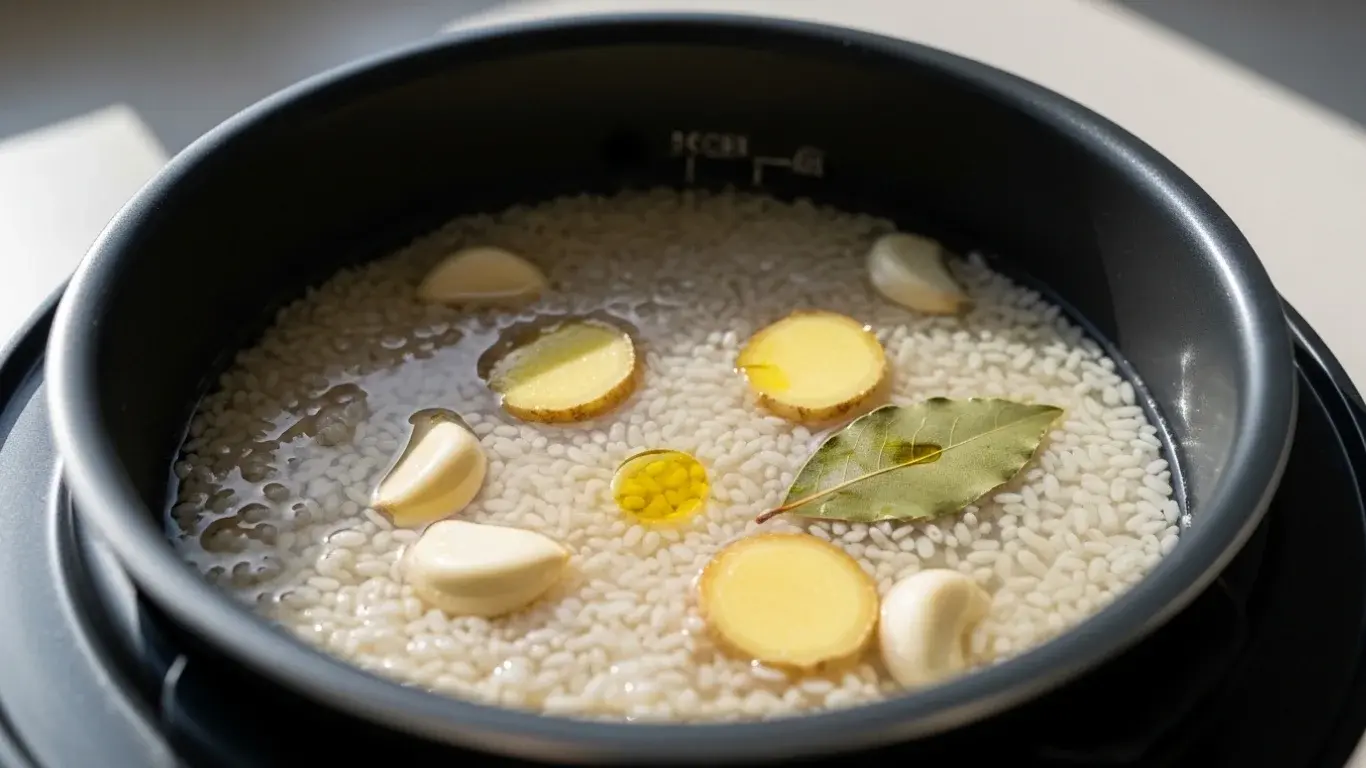
Many people think rice cookers are only for plain rice. However, you can easily cook flavored rice by adding ingredients. Broths, herbs, spices, garlic, or even small amounts of oil can be added with the water and rice.
This infuses the rice with delicious flavors as it cooks. For example, cooking rice in vegetable or chicken broth instead of water creates a savory base for many dishes. A bay leaf or a few cloves of garlic can also add subtle flavor.
When adding liquids like broth, remember they count towards the total liquid volume, so you might need to adjust the water amount slightly.
- Add aromatics like garlic cloves, ginger slices, or bay leaves to the pot before cooking.
- Small amounts of fat, like a teaspoon of butter or oil, can add richness and help keep grains separate.
- Be mindful of how added ingredients might affect the liquid absorption. For instance, oily ingredients might require slightly less liquid.
Dealing with Rice Sticking to the Pot
Even with careful cooking, rice can sometimes stick to the bottom of the inner pot, especially if it’s older or the non-stick coating is worn. The best way to prevent this is to ensure you’ve rinsed your rice well and used the correct water ratio. If rice does stick, don’t scrape it aggressively while it’s hot.
Let the pot cool slightly, then fill it with warm water and let it soak for about 30 minutes to an hour. Most of the stuck-on rice should then be easy to wipe away. For very stubborn bits, a gentle scrub with a non-abrasive sponge after soaking usually does the trick.
- Always ensure you have properly rinsed your rice to remove excess starch.
- Using the correct water-to-rice ratio is key to preventing sticking.
- If rice does stick, do not use metal utensils to scrape it out.
- Soak the inner pot in warm, soapy water for at least 30 minutes to loosen stuck-on rice before washing.
Storing Cooked Rice Safely
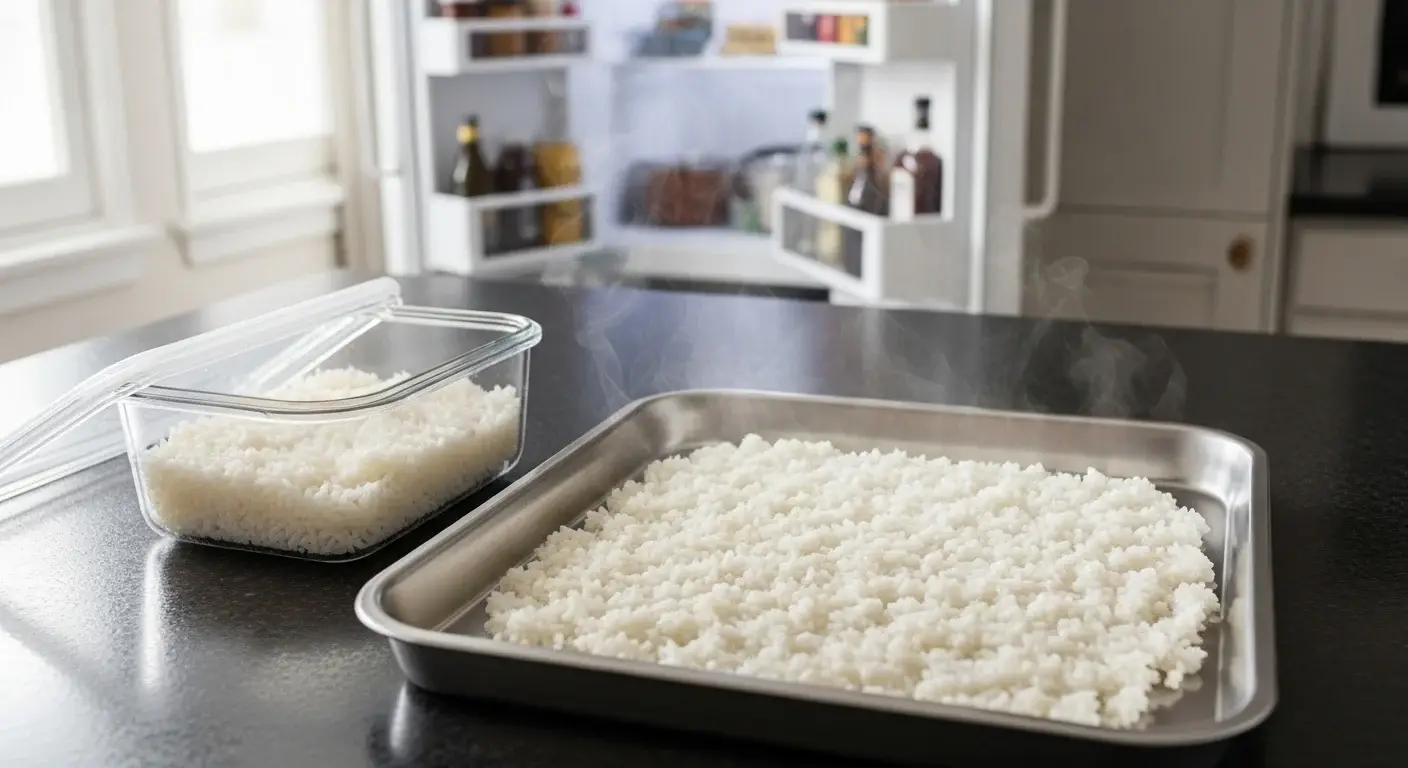
Storing leftover rice correctly is vital for food safety. Bacteria can grow in cooked rice if it’s left at room temperature for too long. The “danger zone” for bacterial growth is between 40°F (4°C) and 140°F (60°C).
It’s recommended to cool cooked rice rapidly and refrigerate it within one hour of cooking. Spread the rice out on a plate or tray to help it cool faster. Store it in an airtight container in the refrigerator.
Reheat rice thoroughly until it is steaming hot all the way through.
- Cool cooked rice quickly after cooking, ideally within one hour. Don’t let it sit out at room temperature.
- Store cooled rice in an airtight container in the refrigerator. It can typically be kept for 3-4 days.
- When reheating, ensure the rice is steaming hot throughout to kill any potential bacteria.
- Avoid reheating rice more than once.
Common Rice Cooker Mistakes To Avoid
Understanding the basic operation of your rice cooker is the first step to delicious rice. Avoiding common errors like improper rinsing, incorrect water measurements, or neglecting cleaning will make a huge difference. By following these simple guidelines, you can ensure your rice is consistently fluffy, flavorful, and perfectly cooked every time you use your appliance.
Frequently Asked Questions
Question: How much water should I use for rice in a rice cooker
Answer: The amount of water depends on the type of rice. A general guideline for white rice is 1 part rice to 1.5 or 2 parts water. Brown rice typically needs more water, around 1 part rice to 2 or 2.5 parts water.
Always check your rice cooker’s manual or the rice package for specific recommendations.
Question: Do I need to rinse rice before cooking it in a rice cooker
Answer: Yes, it’s highly recommended to rinse rice before cooking. Rinsing removes excess starch, which prevents the rice from becoming gummy or sticky. It helps create fluffier, more separate grains.
Question: Can I put other ingredients in the rice cooker with the rice
Answer: Yes, you can add other ingredients like broth, spices, herbs, or small amounts of oil to your rice cooker along with the rice and water. These will infuse the rice with extra flavor. Just be mindful of how they might affect the liquid ratio.
Question: How do I clean the inside of my rice cooker
Answer: Always wash the inner pot with a soft sponge and mild dish soap after each use. For stubborn bits, soak it in warm, soapy water. Avoid abrasive scrubbers.
Also, clean the lid and steam vent regularly.
Question: My rice is sticking to the bottom of the pot, what should I do
Answer: Sticking often happens due to insufficient rinsing or incorrect water amounts. If it happens, let the pot cool slightly, then soak it in warm, soapy water for about 30-60 minutes. Most stuck-on rice should then be easy to remove with a soft sponge.
Wrap Up
Making perfect rice with your cooker is simpler than you think. Avoiding common mistakes like skipping the rinse or misjudging water amounts guarantees better results. Keep your cooker clean, and your rice will always be tasty.
Enjoy delicious, fluffy rice without the stress by following these easy tips.

I’m Loretta Evans, and I lead the Rice Cooker and Kitchen Tools section. I test every product in real home kitchens to see how it truly performs in everyday use.
My goal is simple: to give you clear, honest advice so you can choose reliable tools that make cooking easier.