Busy families often juggle work, school, and daily chores. With all this activity, the kitchen becomes a central hub. One tool that sees constant use is the cutting board. Whether prepping lunchboxes or chopping veggies for dinner, a good cutting board makes life easier. But if not cared for, it can harbor bacteria, develop odors, and even crack. Keeping cutting boards clean and safe doesn’t need to be time-consuming or complicated. This guide offers practical maintenance tips for busy families, so your boards last longer and stay hygienic.
Choosing The Right Cutting Board For Your Family
Before diving into maintenance, it’s important to have the right board. Not all cutting boards are equal. The material, size, and durability affect how easy it is to clean and how long it will last.
| Material | Pros | Cons | Best For |
|---|---|---|---|
| Plastic | Easy to clean, dishwasher safe | Knife marks, can warp | Meat, everyday use |
| Wood | Gentle on knives, attractive | Needs oiling, not dishwasher safe | Vegetables, bread |
| Bamboo | Eco-friendly, lightweight | Can split, needs oiling | Fruit, light prep |
| Glass | Non-porous, easy to clean | Harsh on knives, slippery | Presentation only |
For most busy kitchens, plastic and wood boards are popular. Plastic is easier for fast cleaning, while wood feels sturdy and looks good. If you can, keep separate boards for meat and vegetables to reduce cross-contamination.
Quick Daily Cleaning Tips
Regular cleaning is the most important step for cutting board maintenance. It prevents bacteria growth and keeps food safe.
- Rinse Immediately: After use, rinse the board under hot water. This removes most food residue and prevents stains.
- Soap and Scrub: Use dish soap and a sponge or brush. Scrub both sides—even if you only used one side.
- Avoid Soaking: Don’t leave wooden boards in water. They can warp or crack.
- Dishwasher Use: Plastic boards can go in the dishwasher. Wood and bamboo boards should never be placed in dishwashers because heat and moisture damage them.
A common mistake is letting boards sit dirty for hours. Even five minutes can allow bacteria to multiply. Quick rinsing and scrubbing make a big difference.

Credit: food52.com
Deep Cleaning And Sanitizing
Daily cleaning is good, but families should sanitize boards regularly, especially after cutting raw meat. This step helps kill germs that soap alone may miss.
How To Sanitize Cutting Boards
- White Vinegar: Spray or wipe the board with white vinegar. Let it sit for a few minutes and rinse.
- Diluted Bleach: Mix 1 tablespoon of bleach with 1 gallon of water. Apply to the board, let sit for 2 minutes, then rinse thoroughly.
- Hydrogen Peroxide: Pour hydrogen peroxide over the board, spread evenly, then rinse after 5 minutes.
Wood boards should not be soaked in these solutions. Use a cloth or spray bottle.
| Sanitizer | Safe For | Frequency | Notes |
|---|---|---|---|
| White Vinegar | Wood, plastic | Weekly | Removes odor |
| Bleach Solution | Plastic | Monthly | Strong germ killer |
| Hydrogen Peroxide | Wood, plastic | Every 2 weeks | Disinfects |
Common Mistakes
- Using too much bleach. This can damage boards and leave residues.
- Forgetting to rinse after sanitizing. Residues can affect taste and safety.
- Only sanitizing one side. Both sides need attention.
Drying And Storing Cutting Boards
Even after cleaning, how you dry and store boards matters. Moisture can lead to mold, warping, and bad smells.
- Air Dry Upright: Stand boards vertically or on their edge so air circulates. Laying flat traps moisture.
- Avoid Stacking Wet Boards: If you have several boards, don’t stack them until fully dry.
- Store in a Ventilated Area: Avoid closed cabinets unless boards are dry.
Many families rush drying or store boards in cramped spaces. Over time, this causes wood to crack or plastic to smell. Investing in a simple rack or hanging hook saves time and extends board life.
Preventing Stains And Odors
Busy kitchens often deal with smelly boards—especially after cutting onions, garlic, or fish. Stains from beets or tomatoes are also common.
Practical Odor Removal
- Lemon Rub: Cut a lemon in half, rub it over the board, and let sit for 5 minutes. Rinse.
- Salt Scrub: Sprinkle coarse salt and scrub with a damp cloth. This removes both odors and stains.
- Baking Soda Paste: Mix baking soda with water, spread, and scrub.
These steps are fast and can be done while prepping other food. For deep stains, repeat the process. Avoid harsh chemicals, especially for wood.
Maintaining Wooden Cutting Boards
Wooden boards need extra care. They look beautiful and feel sturdy, but can dry out or crack without regular maintenance.
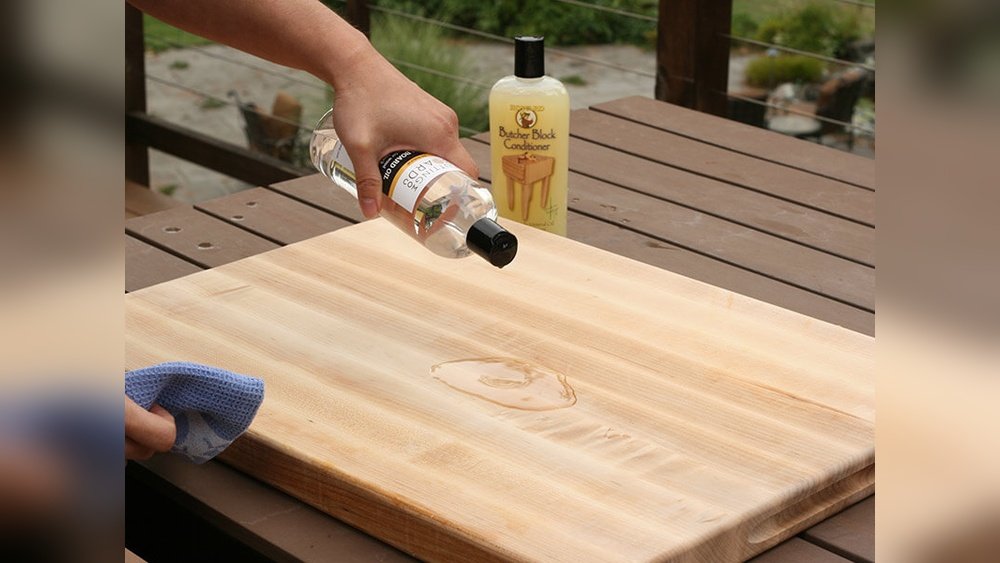
Oiling Wooden Boards
- Frequency: Oil once a month for heavy use, every 2-3 months for light use.
- Type of Oil: Use food-grade mineral oil. Avoid olive or vegetable oil—they can go rancid.
- How to Apply: Pour oil on the board, spread with a cloth, let it soak for a few hours, then wipe excess.
Oiling keeps wood flexible and prevents splitting. Many families skip this step, but it takes less than five minutes and makes boards last years longer.
Avoiding Common Issues
- Never use wood boards for raw meat unless you sanitize immediately.
- Don’t use sharp knives aggressively. Deep cuts trap bacteria.
- If your board feels rough, sand lightly with fine sandpaper and re-oil.
Most beginners miss the importance of oiling and sanding. These steps keep boards safe and smooth.
Cutting Board Safety Tips For Families
Safety is a big concern, especially with kids helping in the kitchen. A clean, well-maintained board supports food safety.
- Separate Boards: Use different boards for raw meat, vegetables, and bread.
- Color-Coded Boards: Many brands offer color-coded plastic boards. Assign colors to food types (red for meat, green for veggies).
- Inspect Regularly: Check for deep cracks or splinters. Replace boards if damaged.
According to the USDA, using separate boards for meat and produce reduces the risk of foodborne illness by 40%. This simple habit protects busy families.
Cutting Board Lifespan: When To Replace
No board lasts forever. Knowing when to replace saves time and prevents problems.
| Board Type | Average Lifespan | Signs to Replace |
|---|---|---|
| Plastic | 2-4 years | Deep cuts, stains, warping |
| Wood | 4-7 years | Cracks, splinters, odor |
| Bamboo | 3-5 years | Splitting, rough texture |
If your board smells bad even after cleaning, or has deep grooves, it’s time for a new one. Don’t risk your family’s health to save a few dollars.

Credit: smartmomsmartideas.com
Saving Time: Smart Maintenance Shortcuts
Busy families need shortcuts that don’t sacrifice safety. Here are a few proven tricks:
- Batch Cleaning: Wash all boards together right after dinner. This saves time and water.
- Quick Sanitize: Keep a spray bottle of vinegar or hydrogen peroxide nearby. Spray and wipe after use.
- Rack Storage: Use a drying rack designed for boards. Boards dry faster and stay organized.
- Weekly Inspection: Once a week, check boards for damage during regular kitchen cleaning.
One non-obvious insight: If you cook often, buy extra boards. Rotating boards helps each last longer and prevents wear.
Frequently Asked Questions
How Often Should I Sanitize Cutting Boards?
Sanitize boards after cutting raw meat, poultry, or fish. For general use, sanitize wooden boards every week and plastic boards every month. More frequent sanitizing is needed if you cook for young children or elderly family members.
Can I Put My Wooden Cutting Board In The Dishwasher?
No. Dishwashers damage wooden boards by exposing them to heat and moisture. This causes warping and cracking. Always hand wash and dry wood boards promptly.
What Oil Should I Use For Wooden Boards?
Always use food-grade mineral oil. It protects the wood without going rancid or affecting taste. Avoid using cooking oils like olive or vegetable oil.
How Do I Remove Tough Stains From My Cutting Board?
Try scrubbing with coarse salt and lemon, or a baking soda paste. For stubborn stains, repeat the process. For plastic boards, a diluted bleach solution works well.
Is It Safe To Use A Cutting Board With Deep Grooves?
No. Deep grooves can trap bacteria and are difficult to clean. If your board has deep cuts or cracks, it’s time to replace it to keep your family safe.
Caring for your cutting boards doesn’t have to be complicated. With just a few minutes each day and some smart habits, busy families can keep their boards clean, safe, and ready for every meal. If you want more detailed food safety guidelines, visit the FDA Food Safety Education page. By following these tips, your kitchen stays a healthy place for everyone.