 The typical air fryer draws between 800 and 1,800 watts, far less than a full-size oven.
You’ve heard the hype: air fryers make crispy fries and juicy chicken with a fraction of the oil. But what about the electricity bill? Does that compact countertop machine secretly pull more power than you think? The short answer is no—most air fryers use less energy than a conventional oven, and when used smartly, they can actually lower your kitchen’s electricity costs. But the real savings depend on how you cook, what you cook, and which model you choose.
In this guide, we’ll break down the exact wattage, compare costs with an oven, uncover the factors that drive up consumption, and share expert tips to squeeze every kilowatt-hour of value from your air fryer. By the end, you’ll know exactly whether your air fryer is a friend or foe to your monthly budget. You can also read our guide on common mistakes to avoid when using an air fryer.
How Air Fryers Work and Why It Matters for Energy Use
An air fryer is essentially a small, fast convection oven. A heating element at the top warms the air, and a powerful fan circulates that hot air around the food at high speed. This rapid air movement transfers heat efficiently, crisping the surface of foods while cooking the interior—all with minimal oil.
Because the cooking chamber is compact (typically 2 to 10 quarts), the air fryer heats up in 2–3 minutes, compared to 10–15 minutes for a full-size oven. That shorter preheat time alone saves a noticeable amount of electricity per use. The fan and heating element run at full power only during the initial heat-up, then cycle on and off to maintain temperature. You can also read our guide on how to clean grease from air fryer.
Key takeaway: Smaller cavity + faster preheat = less energy wasted. An air fryer is designed to cook small to medium portions quickly, which is inherently more efficient than heating a large oven cavity for a single chicken breast or a handful of fries.
Air Fryer vs. Oven: A Real Energy Comparison
Let’s put numbers on the table. The table below shows typical wattage, cooking times, and estimated hourly costs based on the U.S. national average electricity rate of $0.16 per kWh (as of early 2026). Your actual rate may vary, but the relative difference holds. You can also read our guide on what to look for when buying an air fryer.
| Appliance | Typical Wattage | Average Preheat Time | Typical Cook Time (one meal) | Estimated Cost per Hour |
|---|---|---|---|---|
| Air fryer (3–5 qt) | 1,200–1,500 W | 2–3 minutes | 15–25 minutes | $0.19 – $0.24 |
| Full-size electric oven | 3,000–5,000 W | 10–15 minutes | 30–60 minutes | $0.48 – $0.80 |
| Toaster oven | 1,200–1,800 W | 4–5 minutes | 20–30 minutes | $0.19 – $0.29 |
| Microwave | 700–1,200 W | 0 seconds | 5–10 minutes | $0.11 – $0.19 |
What the numbers say: An air fryer uses roughly half the power of an electric oven and cooks in about half the time. That means a typical 20-minute air fryer session costs around $0.08, while a 40-minute oven session costs about $0.32. Over a month of daily use, the savings add up to $7–$8—enough to buy a few bags of groceries.
The Energy Saving Trust in the UK confirms that cooking a 600 g chicken breast in an air fryer costs about £0.15, compared to £0.21 in a conventional oven. While the difference may seem small per meal, multiplied over a year it becomes significant.
Factors That Affect Air Fryer Electricity Consumption
Not all air fryer cooking is equal. Several variables can push your energy use higher than you expect:
1. Cooking Time and Temperature
Higher temperatures and longer cooking cycles naturally consume more electricity. A 400°F (200°C) setting draws the same wattage as 350°F, but the heating element runs more often at higher temps. For foods that need extended cooking (like whole chickens or dense casseroles), an air fryer may run for 40–50 minutes, reducing its efficiency advantage.
2. Air Fryer Placement
This is a surprisingly big factor. If your air fryer sits in a cramped corner, near a wall, or underneath cabinets, the fan can’t pull in fresh air efficiently. The appliance overheats, the thermostat forces the heating element to cycle more, and cooking times can stretch by 20–30%. The original article noted that poor placement could add up to £91 per year in extra costs. To avoid that, leave at least 4–6 inches of clearance on all sides.
3. Overfilling the Basket
Cramming food into the basket blocks airflow. The hot air can’t circulate, so food cooks unevenly and requires longer time. A half-full basket cooks faster and more evenly, saving electricity. Spread food in a single layer whenever possible.
4. Opening the Basket Too Often
Every time you pull out the basket, heat escapes. The air fryer has to reheat the chamber, drawing extra power. Use the “shake” function or pause only when necessary, and keep peak time short.
5. Preheating Habits
Many air fryers don’t require preheating for most foods. The manual of some models even recommends skipping preheat to save energy. If you do preheat, limit it to 2–3 minutes. Unnecessary preheating (5+ minutes) wastes about 0.05–0.10 kWh per session.
How to Calculate Your Air Fryer’s Electricity Cost
You don’t need a degree in engineering to figure out what your air fryer is costing you. Here’s a simple formula:
Cost per use = (Wattage × Cooking hours) ÷ 1,000 × Electricity rate per kWh
Example: A 1,500 W air fryer runs for 0.33 hours (20 minutes). Your electricity rate is $0.16/kWh.
(1,500 × 0.33) ÷ 1,000 = 0.495 kWh
0.495 × $0.16 = $0.079 (about 8 cents per use)
To find your electricity rate, check your latest utility bill or look up your state average. The U.S. Energy Information Administration publishes state-by-state data, but you can also use the figure on your bill.
Energy-Saving Tips for Using an Air Fryer Efficiently
With a few smart habits, you can maximize every watt your air fryer draws.
Choose the Right Size for Your Needs
A 6-quart air fryer uses more electricity than a 3-quart model because it heats a larger cavity. If you typically cook for one or two people, a smaller air fryer is more efficient. For families of four or more, a larger model may be unavoidable, but you can still reduce energy by cooking in batches rather than using a full-size oven.
Preheat Only When Necessary
Skip preheating for frozen foods, reheating leftovers, or cooking thin items like chicken tenders. For thick cuts of meat or baked goods, a quick 2-minute preheat is enough. Many modern air fryers have a “no preheat” setting—use it.
Keep the Air Fryer Clean
A dirty fan or heating element reduces airflow and efficiency. Grease buildup on the basket and interior forces the appliance to work harder. After each use, wash the basket and tray. For deep cleaning, wipe down the heating element (when cool) with a damp cloth. A clean air fryer can run 10–15% more efficiently.
Use the Right Cooking Temperature
Consult recipes or the manual for recommended temperatures. Cooking at 400°F when 350°F will do wastes energy. For foods like French fries, a lower temperature for longer can still yield crisp results with less power.
Batch Cook Strategically
If you’re making multiple items, cook them one after another without letting the air fryer cool down completely. The residual heat reduces the energy needed for the next batch. This works especially well for meal prep.
Consider an Air Fryer with an Energy-Saving Mode
Some newer models include an “eco” or “energy save” mode that reduces the fan speed or cycles the heating element less aggressively. When shopping, look for models with an Energy Star rating or a built-in energy monitor.
Common Mistakes That Waste Electricity
Even experienced users make these errors. Avoid them to keep your energy use in check:
- Cooking from frozen without adjusting time. Frozen items need longer, but many users run the air fryer at full power for the entire duration. Instead, defrost first or use a lower temperature.
- Using the air fryer for large meals. For a whole chicken or a large casserole, a conventional oven is often more efficient because the air fryer runs too long.
- Not shaking or flipping food. Uneven cooking leads to longer total time. Shake the basket halfway through to ensure even browning.
- Ignoring the manual’s recommended quantities. Overfilling wastes energy; underfilling is inefficient too. Aim for the basket’s sweet spot—usually 50–75% full.
Are Air Fryers Cost-Effective?
The short-term savings are clear: lower per-use cost compared to an oven. But what about the long-term investment?
How Much Could You Cut from Your Power Bill with an Air Fryer?
If you replace just three oven uses per week with an air fryer, you could save roughly $0.24 per switch (based on the earlier comparison). That’s $0.72 per week, $37 per year. For a household that uses the oven five times a week, the savings can exceed $60 annually. Not life-changing, but meaningful—especially when combined with the reduced cooking time and less heat in the kitchen during summer.
Is an Air Fryer a Good Investment Over Time?
A quality air fryer costs between $60 and $150. Given annual electricity savings of $30–$60, plus the convenience of faster cooking, most people recoup the purchase price within 2–3 years. And because air fryers are built to last 5–8 years with proper care, the long-term value is solid. The key is to choose a model that fits your cooking habits—not the biggest one on the shelf.
Environmental Impact of Using an Air Fryer
Beyond your wallet, air fryers have a smaller carbon footprint than ovens. Less electricity means less demand on power plants, reducing greenhouse gas emissions. The exact impact depends on your local energy mix, but every kilowatt-hour saved helps.
Air fryers also encourage home cooking, which often reduces food waste compared to takeout or pre-packaged meals. And because they use less oil, you’re buying fewer bottles of cooking oil—a small but real reduction in packaging waste.
Air Fryer Electricity FAQs: Answered by Experts
Why Are People Getting Rid of Their Air Fryers?
Some users find air fryers too bulky for their counter space, especially larger models. Others dislike the texture of certain foods or feel the cleaning effort outweighs the convenience. Non-stick coating durability is also a concern for some. However, these issues are often model-specific. A well-chosen air fryer that matches your cooking style rarely gets abandoned.
Is It Cheaper to Use an Air Fryer Than an Oven?
Yes, for most small to medium meals. An air fryer uses less wattage and cooks faster, so the per-meal cost is lower. For large meals (like a whole turkey or a big casserole), an oven may be more practical and energy-efficient because the air fryer would need to run in multiple batches.
What Draws the Most Electricity in a House?
Heating and cooling systems account for about 45% of a typical home’s energy use. Water heaters, refrigerators, and laundry appliances are next. An air fryer is a minor energy user compared to these major appliances.
How Much Does It Cost to Run an Air Fryer for 1 Hour?
At 1,500 watts and a $0.16/kWh rate, one hour costs about $0.24. Actual cost depends on your air fryer’s wattage and local electricity rate. Most recipes require 15–25 minutes, so the real cost per meal is usually under $0.10.
Do Air Fryers Consume a Lot of Electricity?
No. Air fryers are among the most energy-efficient cooking appliances for small portions. They use less electricity than ovens, toaster ovens, and stovetops for most tasks.
How Much Electricity Does an Air Fryer Use?
The average air fryer uses 1,500 watts (1.5 kW) when running. In a typical 20-minute session, it consumes about 0.5 kWh. That’s roughly the same as running a desktop computer for two hours.
Final Verdict: Should You Worry About Your Air Fryer’s Electricity Use?
For the vast majority of home cooks, the answer is a clear no. An air fryer is one of the most energy-efficient ways to cook small meals, snacks, and sides. It uses less electricity than a conventional oven, heats up faster, and requires less preheating. The savings are real—both on your bill and your carbon footprint.
That said, efficiency depends on your habits. Overfilling, poor placement, and unnecessary preheating can eat into those savings. Follow the tips in this guide to keep your air fryer running lean.
If you’re looking to further optimize your kitchen’s energy use, consider pairing your air fryer with other efficient practices. For example, using oven liners can reduce cleaning time for your oven, and choosing the right muffin pans can improve airflow in your air fryer. Explore our kitchen guides for more practical advice on making every appliance work smarter.
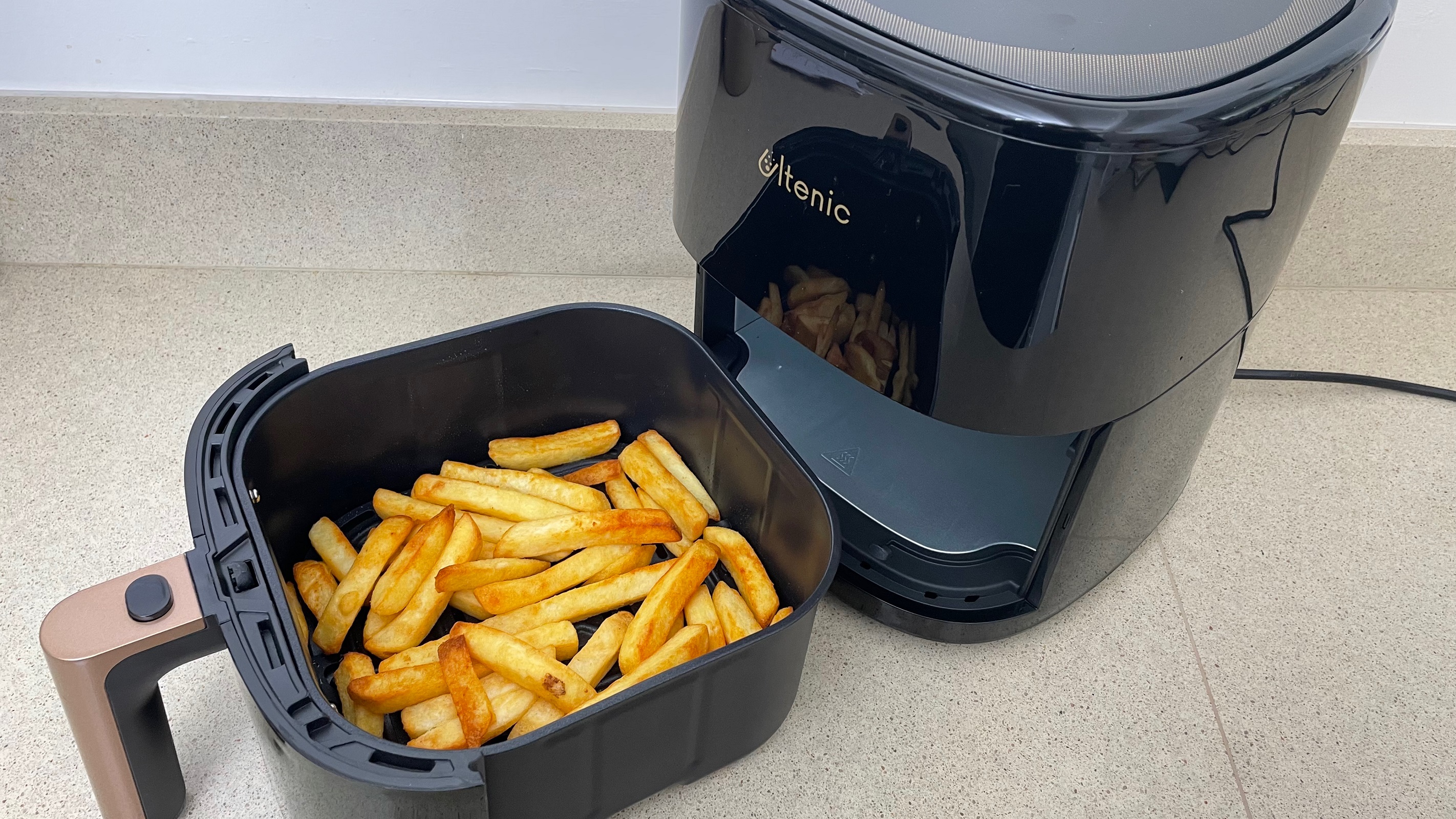 Comparative energy consumption: air fryers consistently use less power than full-size ovens for typical cooking tasks.
Bottom line: Your air fryer is not a power hog. It’s a tool that, used wisely, can save you money and time while delivering the crispy results you love. No guilt needed.