Many people wonder, do rice cookers automatically switch to warm. It’s a common question, especially when you’re new to using one. You might be worried about your rice burning or getting cold.
This guide will make it super simple. We’ll walk you through exactly what happens and how your rice cooker works. Get ready for perfectly cooked rice every time without any fuss.
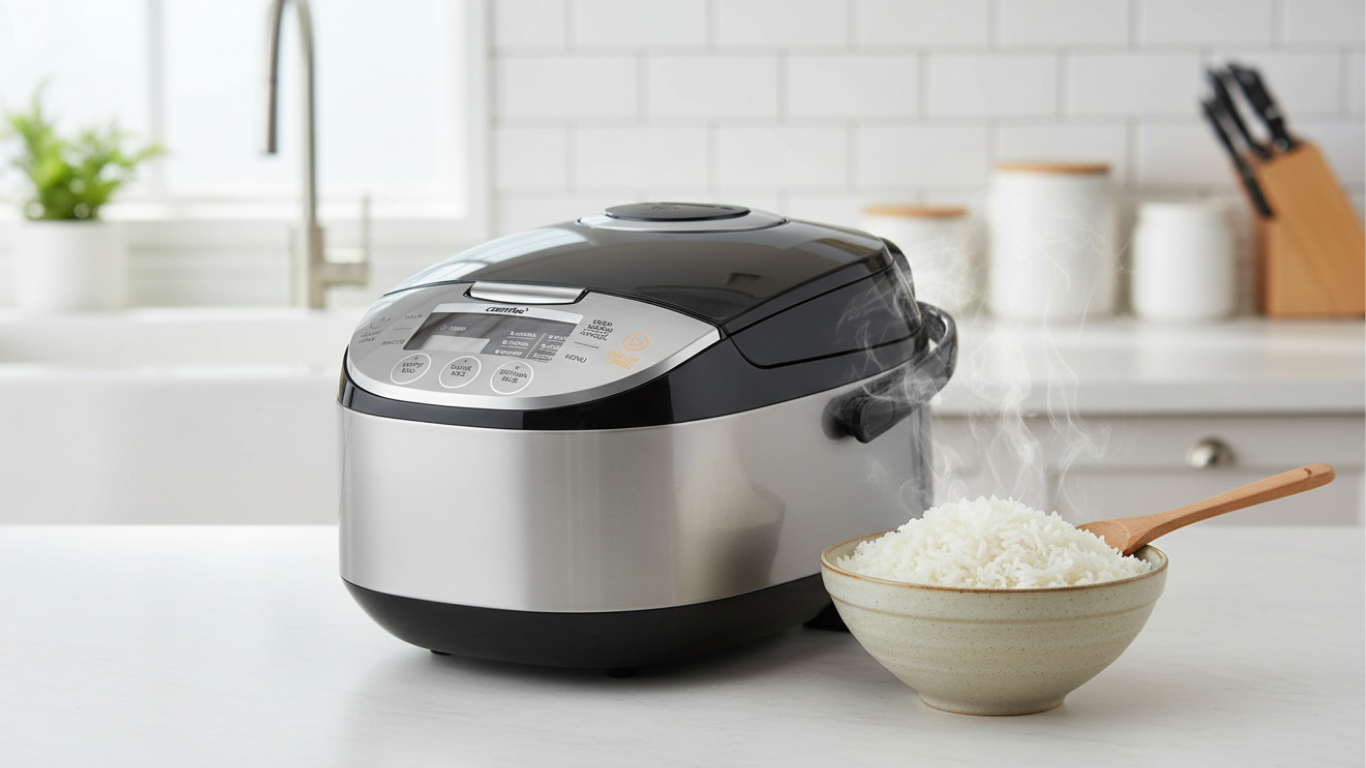
Key Takeaways
- Most modern rice cookers automatically switch to a warm setting after cooking.
- This warm setting keeps rice at an ideal serving temperature for hours.
- The mechanism involves a thermostat that senses temperature changes.
- Understanding this feature helps prevent overcooking or undercooking rice.
- Different rice cooker models may have slight variations in their warm functions.
How Rice Cookers Work Their Warm Magic
Do Rice Cookers Automatically Switch to Warm
It is a very common question for people to ask, do rice cookers automatically switch to warm. This feature is one of the main reasons many people love their rice cookers. You put in your rice and water, press a button, and walk away. You don’t have to stand there and watch it constantly. When the rice is done, you don’t have to worry about taking it out right away. It stays warm and ready for you to eat. This is a huge help for busy families or anyone who likes to have their meal ready when they are.
Many beginners might find this whole process a bit confusing at first. They might think they need to do something special to make the warm setting work. Or maybe they worry the rice cooker will just keep cooking and burn the rice. But the good news is, it’s usually built right into the machine. You don’t need to do anything extra. Your rice cooker is designed to make things easy. Let’s break down how this magic actually happens so you can feel confident using your rice cooker.
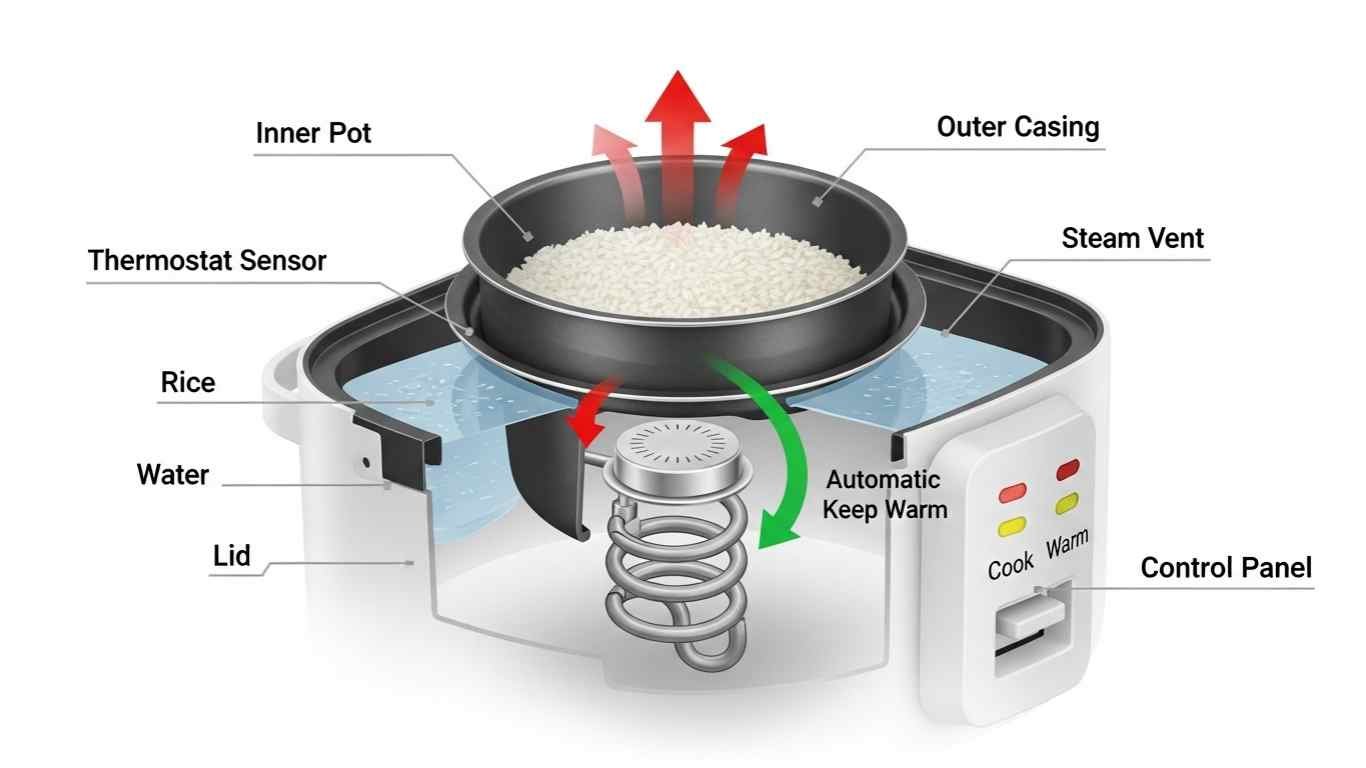
The Thermostat’s Role
At the heart of every rice cooker’s automatic warm function is a simple but clever device called a thermostat. Think of a thermostat as a little temperature sensor. In a rice cooker, this thermostat is usually located at the bottom of the inner pot, right where the heating element is.
When you start the cooking cycle, the heating element gets very hot to boil the water and cook the rice. The thermostat monitors the temperature inside the cooker. As the water boils and is absorbed by the rice, the temperature starts to rise above the boiling point of water (100 degrees Celsius or 212 degrees Fahrenheit).
Once the rice is cooked and most of the water has been absorbed, the temperature inside the cooker will naturally climb higher. The thermostat is designed to detect this rise in temperature. When it reaches a specific temperature point, which signals that the cooking is complete, it triggers a switch. This switch then changes the heating element’s power output. Instead of using a high heat to boil water, it switches to a low, gentle heat. This is the “warm” setting.
How the Warm Setting Works
The warm setting is not designed to cook the rice further. Its purpose is to maintain a safe and pleasant serving temperature for the cooked rice. This is typically around 60-70 degrees Celsius (140-160 degrees Fahrenheit). It uses just enough energy to keep the rice at this temperature without drying it out or burning it.
This low heat is delivered intermittently. The thermostat will cycle the heating element on and off as needed to keep the temperature stable. If the temperature drops slightly, the thermostat will turn the heat on for a short time. Once the desired warm temperature is reached again, it will switch off. This cycle continues for as long as the rice cooker is plugged in and set to the warm mode.
This is why you can often leave rice in the cooker for several hours, and it will still be perfectly edible. It’s a key convenience that makes rice cookers so popular.
What Happens When Cooking Finishes
The exact moment a rice cooker switches to warm can vary slightly depending on the model and the type of rice being cooked. However, the general principle is the same.
For standard white rice, the cooking process usually involves bringing the water to a boil, then letting it simmer and absorb. Once all the water is absorbed, the temperature will rise. This rise is the trigger for the switch to the warm mode.
Some advanced rice cookers might have sensors that can detect the moisture content of the rice, providing an even more accurate indication of when cooking is complete. But even simpler models rely on this temperature change.
You’ll usually notice a change in the indicator light. Many rice cookers have two lights: one for “Cook” and one for “Warm.” When the “Cook” light turns off, the “Warm” light usually turns on, signaling the transition.
Types of Rice Cookers and Their Warm Functions
While the basic principle of switching to warm is universal for most automatic rice cookers, there are some differences between types:
Basic Rice Cookers
These are the most common and affordable. They typically have a single button to start cooking. Once done, they automatically switch to a low-heat warm mode. They are excellent for plain white rice and offer reliable performance.
Multi-Function Rice Cookers
These cookers often have various settings for different types of rice (brown, sushi, quick cook) and even other dishes like porridge or steaming. They also feature an automatic switch to warm. Some might have adjustable warm settings or a timer for the warm function.
Induction Heating (IH) Rice Cookers
IH cookers use electromagnetic induction to heat the inner pot directly. This results in more even and precise heating. They also have advanced sensors and sophisticated algorithms to perfectly cook rice and maintain optimal temperature on the warm setting for extended periods. They often have “keep warm” timers that can last for 24 hours or more.
Microcomputer (Micom) Rice Cookers
These use microprocessors to control the cooking process. They offer more precise temperature control and often have multiple cooking presets. Their warm functions are usually very effective, keeping rice fresh and fluffy for longer.
Benefits of the Automatic Warm Function
The automatic warm feature offers several significant advantages:
Convenience: The most obvious benefit. You can set it and forget it, perfect for busy schedules.
Flexibility: Your rice is ready when you are. No need to rush to eat as soon as it’s cooked.
Food Safety: The warm setting maintains a temperature above the “danger zone” (40-60 degrees Celsius or 140-140 degrees Fahrenheit), which helps prevent bacterial growth.
Reduced Waste: You’re less likely to burn or overcook rice, meaning less food is wasted.
Perfect Serving Temperature: Rice is kept at an ideal temperature for serving, making every bite enjoyable.
What If My Rice Cooker Doesn’t Switch to Warm?
If you have a very old or a very basic model, it’s possible it might not have an automatic warm setting. In such cases, you would need to manually turn it off once cooking is finished. If you’re unsure about your specific model, check the user manual. If it doesn’t mention a warm function, assume it doesn’t have one to avoid potential issues.
However, for the vast majority of modern rice cookers sold today, the automatic warm switch is a standard feature.
Tips for Using the Warm Function
Don’t Overload: While the warm setting is great, leaving rice for days on end might affect its texture and taste. For best results, consume rice within 24 hours.
Rinse Your Rice: This helps remove excess starch, which can make the rice sticky and clumpy, especially on the warm setting.
Use the Right Amount of Water: Follow your rice cooker’s instructions for the correct water-to-rice ratio. Too little water can lead to dry rice on warm, while too much can make it mushy.
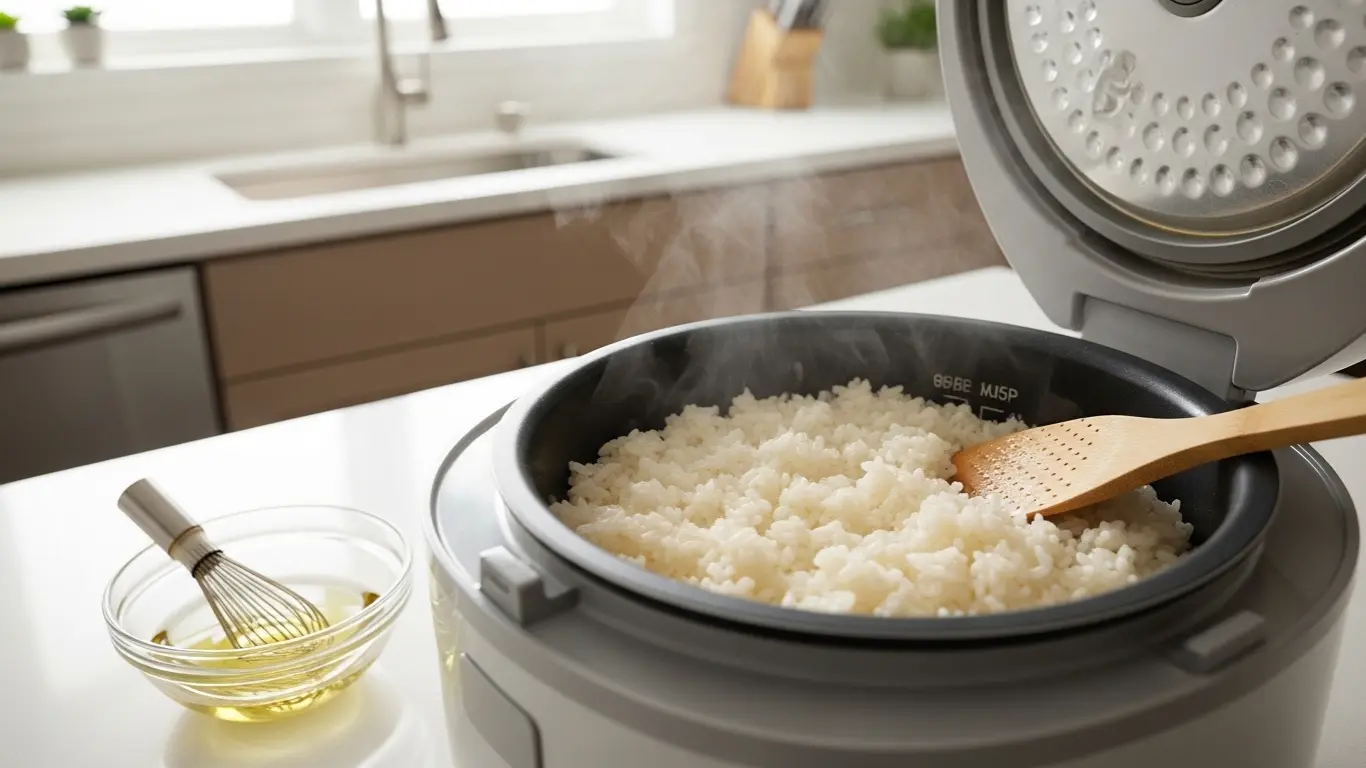
Fluff the Rice: After cooking is complete and before activating the warm setting (or after it has switched), fluff the rice with a rice paddle. This separates the grains and helps prevent sticking.
Clean Your Rice Cooker: Regularly clean the inner pot and the steam vent. This ensures optimal performance and hygiene.
Frequently Asked Questions
Question: Will my rice cooker burn the rice on the warm setting?
Answer: No, a properly functioning rice cooker will not burn the rice on the warm setting. The heat is significantly reduced and controlled by a thermostat to maintain a safe serving temperature without overcooking.
Question: How long can I leave rice on the warm setting?
Answer: Most rice cookers can keep rice warm for up to 12-24 hours. For optimal taste and texture, it’s best to consume the rice within this timeframe.
Question: Is it safe to eat rice that has been on the warm setting for a long time?
Answer: Yes, it is generally safe if the rice cooker has maintained the rice at a safe temperature (above 60°C or 140°F). However, the texture and flavor might degrade over extended periods.
Question: Can I cook other foods on the warm setting?
Answer: The warm setting is specifically designed for cooked rice. Attempting to cook other foods on this low heat might not be effective and could lead to spoilage if the temperature isn’t high enough.
Question: My rice cooker’s warm light is on, but the rice is cold. What’s wrong?
Answer: This could indicate a faulty thermostat or heating element. Ensure the cooker is plugged in and the lid is properly closed. If the issue persists, the rice cooker may need repair or replacement.
Final Thoughts
So, do rice cookers automatically switch to warm? Yes, absolutely. It’s a standard feature designed for your convenience.
This smart function uses a thermostat to sense when cooking is done, then gently keeps your rice at the perfect temperature. You can trust your rice cooker to handle this transition smoothly, giving you perfectly warm rice whenever you’re ready to eat. Enjoy the ease and delicious results this feature brings to your meals.

I’m Loretta Evans, and I lead the Rice Cooker and Kitchen Tools section. I test every product in real home kitchens to see how it truly performs in everyday use.
My goal is simple: to give you clear, honest advice so you can choose reliable tools that make cooking easier.