Roasting pans are a kitchen staple, especially for big meals like Thanksgiving turkey or Sunday roast beef. But when you walk through a store or browse online, you might notice some roasting pans have lids, while others do not. This simple detail can change how you cook, how your food turns out, and even how easy cleanup will be.
If you’re wondering, “Do roasting pans have lids? ” you’re definitely not alone. Let’s explore this question, look at real examples, and help you make the best choice for your kitchen.
What Is A Roasting Pan?
A roasting pan is a large, heavy pan used for roasting meat, poultry, or vegetables in the oven. Most are rectangular or oval and come with deep sides. The deep sides help catch juices and prevent spills. Roasting pans are often made from stainless steel, aluminum, or enameled cast iron.
Some pans include a rack. The rack lifts food above the bottom of the pan, so hot air can circulate and cook evenly. The rack also keeps the meat out of its own juices, which can help with browning.
Do Roasting Pans Come With Lids?
Many people think all roasting pans are the same, but there are important differences. Some roasting pans come with lids; others do not. Let’s see how this looks in real life.
Types Of Roasting Pans
Roasting pans fall into two main categories:
- Open roasting pans: These do not have a lid. Most classic roasting pans are open. They are used for dry roasting, which helps food get brown and crispy. For example, a golden turkey or roast beef with a crusty exterior.
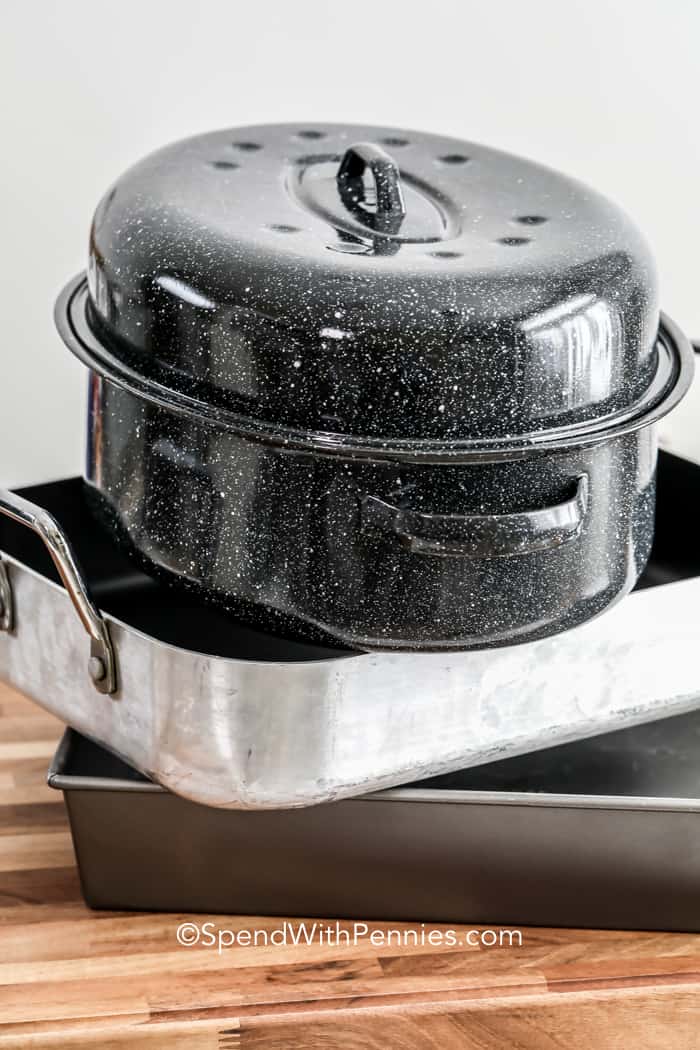
- Covered roasting pans: These include a lid. The lid traps steam and moisture, making the food softer and sometimes quicker to cook. Covered roasting pans can be used for braising, slow roasting, or recipes where you want more moisture.
Real Examples
Here is a comparison of common roasting pans:
| Pan Type | Material | Comes With Lid? | Typical Use |
|---|---|---|---|
| Classic Stainless Steel Pan | Stainless Steel | No | Dry Roasting (Turkey, Beef) |
| Graniteware Roaster | Enameled Steel | Yes | Moist Roasting (Chicken, Vegetables) |
| Cast Iron Roasting Pan | Cast Iron | Optional | Braising, Slow Roasting |
| Disposable Aluminum Pan | Aluminum | No | One-time Roasting |
Most high-end stainless steel pans do not have lids. Brands like All-Clad and Cuisinart offer open pans with racks. On the other hand, brands like Graniteware often include a domed lid. Some cast iron pans (like Lodge) have lids but not all.
Why Do Some Roasting Pans Have Lids?
The decision to include a lid is based on cooking style and food type. Here’s why a lid matters:
Moisture Retention
A lid traps steam and juices. This keeps the food moist and prevents drying out. It’s helpful for:
- Large chickens or turkeys that can dry out if roasted too long.
- Vegetables that need steaming and roasting at the same time.
- Tough cuts of meat that benefit from slow, moist cooking.
Faster Cooking
A lid can speed up cooking. Steam builds up inside, raising the temperature and softening the food. For example, a covered roasting pan can cook a pot roast faster than an open pan.
Less Browning
The downside is less browning. The steam stops the food from getting crispy. If you want a golden crust, you may need to remove the lid near the end.
Flexibility
Some pans offer both options. You can start covered, then finish uncovered for browning. This is common for braised dishes or recipes that need both moisture and crispiness.
When Should You Use A Lid?
You don’t always need a lid for roasting. It depends on your recipe and what you want to achieve.
When To Use A Lid
- Cooking with lots of liquid: Braised beef, pot roast, or chicken with sauce.
- Preventing dryness: Lean meats or poultry that can dry out.
- Steaming vegetables: When you want them tender without drying.
When To Skip The Lid
- Want crispy skin: Roasting turkey, chicken, or pork with a crust.
- Roasting potatoes: They brown best without a lid.
- Making gravy: Open pans allow you to collect browned bits for rich gravy.
Here’s a quick overview of lid use:
| Recipe | Lid Needed? | Reason |
|---|---|---|
| Roast Turkey | No | Crispy skin |
| Pot Roast | Yes | Moist, tender meat |
| Braised Short Ribs | Yes | Slow, moist cooking |
| Roast Vegetables | No | Browned, crisp edges |
Credit: www.spendwithpennies.com
Advantages And Disadvantages Of Lidded Roasting Pans
Knowing the pros and cons can help you decide which pan is right for you.
Advantages
- Keeps food moist: Helps prevent drying.
- Faster cooking: Traps heat and steam.
- Versatile: Can be used for braising, slow roasting, and steaming.
- Less mess: Lid stops splatters.
Disadvantages
- Less browning: Food may not get crispy.
- Bulky storage: Lids take up space.
- Not always needed: Some recipes work better uncovered.
Practical Insight
Many beginners miss that lids can change the flavor and texture. For example, covered pans make soft, moist meat, but may lose the rich, roasted taste from browning. If you use a lid, try removing it for the last 20-30 minutes to get some color and flavor.
Buying Guide: How To Choose A Roasting Pan With Or Without Lid
Choosing the right roasting pan depends on your cooking needs, kitchen space, and budget. Here’s what matters most:
Material
- Stainless steel: Durable, easy to clean, good for browning. Usually open, without lid.
- Enameled steel: Lightweight, often comes with a lid. Good for moist roasting.
- Cast iron: Heavy, holds heat well. Often has a lid, ideal for braising.
Size
Pick a pan that fits your oven and the food you cook most. For turkey, you need a bigger pan (16–18 inches). For chicken or vegetables, smaller pans (12–14 inches) are fine.
Lid Quality
If you want a lid, check:
- Fit: Lid should seal tightly to keep steam in.
- Material: Metal lids are durable. Glass lids let you see inside but can break.
- Shape: Domed lids are better for large poultry.
Rack
A good rack makes roasting easier. Some lidded pans do not include racks. If you want crisp skin, make sure your pan has a rack.
Budget
Roasting pans range from $10 (disposable) to $200+ (high-end brands). Lidded pans are often less expensive, but may not last as long.
| Feature | Open Pan | Lidded Pan |
|---|---|---|
| Browning | Excellent | Moderate |
| Moisture | Can dry out | Retains moisture |
| Versatility | Best for dry roasting | Good for braising |
| Storage | Easier | Bulky |
| Price Range | $15–$200 | $20–$60 |
| Rack Included | Often | Sometimes |
Common Mistakes
- Buying too small: Food needs room. Crowded pans cook unevenly.
- Ignoring rack: Without a rack, meat may sit in juices and get soggy.
- Wrong material: Thin pans can burn food. Heavy pans are better.
- Not checking lid fit: Loose lids lose steam.

Credit: www.amazon.com
Cleaning And Maintenance
Cleaning roasting pans can be tricky. Open pans often have stuck-on bits, while lidded pans collect steam and sometimes food residue.
- Stainless steel: Soak in hot water before scrubbing. Avoid metal tools that scratch.
- Enameled pans: Wash gently. Chips can ruin the finish.
- Cast iron: Dry fully after washing to avoid rust.
Pro tip: Line your pan with foil for easier cleanup, especially if you do not have a lid to keep splatters inside.
Alternatives To Lidded Roasting Pans
If you don’t have a roasting pan with a lid, you can improvise:
- Use aluminum foil: Cover the pan tightly with foil to mimic a lid.
- Use a Dutch oven: Great for braising and slow roasting.
- Use a covered casserole dish: Works for small roasts or vegetables.
These alternatives work well but may not fit large turkeys or big meals.
:max_bytes(150000):strip_icc()/__opt__aboutcom__coeus__resources__content_migration__serious_eats__seriouseats.com__images__2015__12__20151215-roasting-pan-guide-kenji-1-ed827ade1e004ac99383dbdd9baba01b.jpg)
Credit: www.seriouseats.com
Non-obvious Insights
- The shape of the lid matters. Domed lids work better for large poultry, while flat lids are fine for smaller foods. Beginners often ignore lid shape, but it affects cooking space and steam circulation.
- Lid material changes cooking. Metal lids hold heat better, while glass lids can lose heat and break. Some recipes fail because the lid cannot handle high temperatures.
- You can buy universal lids. Some brands sell separate lids that fit many pans. This is useful if your pan does not come with one.
Frequently Asked Questions
Can I Use A Roasting Pan Without A Lid For Braising?
Yes, you can use an open roasting pan, but you need to cover it with aluminum foil to trap steam. It’s not as effective as a tight-fitting lid, but works for most recipes.
What Is The Best Material For A Roasting Pan With A Lid?
Enameled steel is lightweight and often comes with a lid. Cast iron is great for slow roasting and braising but is heavy. Stainless steel pans rarely have lids but are best for dry roasting.
Can I Buy A Lid Separately For My Roasting Pan?
Yes, many stores sell universal lids or covers. Measure your pan before buying to ensure a good fit. Some brands offer replacement lids if yours is lost.
Does A Lid Affect The Flavor Of Roasted Meat?
Yes, a lid traps steam, making meat softer but less crispy. For extra flavor, remove the lid for the last 20–30 minutes to brown the meat.
Are Roasting Pans With Lids Dishwasher-safe?
Most enameled steel and stainless steel pans are dishwasher-safe. Cast iron pans with lids should be washed by hand to prevent rust. Always check the manufacturer’s instructions.
Roasting pans can be simple or complex, but understanding the role of lids makes a big difference in your cooking. Whether you choose an open pan for crispy results, or a lidded pan for tender, moist dishes, the right equipment helps you cook with confidence. For more details about roasting pan types and cooking methods, you can visit Wikipedia. Always match your pan to your recipe and enjoy making delicious meals at home.