Slow cookers are popular in many kitchens because they make meal preparation easy and hands-off. You add ingredients, set the timer, and let the device cook your food slowly over several hours. But many people wonder: do slow cookers kill bacteria and make food safe to eat? This is an important question, especially when cooking meat, poultry, or dishes that sit for a long time. Food safety is not only about taste—it’s about protecting your health.
In this article, you’ll find clear answers about slow cookers and bacteria. We’ll look at how slow cookers work, what temperatures are needed to kill harmful bacteria, and what steps you should follow to make sure your food is safe.
You’ll also see data, examples, and some common mistakes people make. By the end, you’ll know exactly how to use your slow cooker with confidence.
How Slow Cookers Work
Slow cookers, also called crock-pots, use a simple method: they heat food at a low temperature for many hours. Most slow cookers have two or three settings—low, high, and sometimes warm. The heat comes from the bottom and sides, then spreads to the food inside.
Here is a basic comparison of typical slow cooker temperature settings:
| Setting | Temperature Range (°F) | Temperature Range (°C) | Common Use |
|---|---|---|---|
| Low | 190–200 | 88–93 | Long, slow cooking (8+ hours) |
| High | 250–300 | 121–149 | Shorter cooking (4–6 hours) |
| Warm | 165–175 | 74–80 | Keeping food hot, not cooking |
The heat builds up slowly, so food cooks gently. The lid traps steam, keeping the temperature steady and moist. This method is great for tough cuts of meat, soups, and stews.
But does this gentle heat kill bacteria? The answer depends on several factors.
What Temperatures Kill Bacteria?
To make food safe, you must heat it to a temperature that kills harmful bacteria. Some common bacteria in food include Salmonella, E. coli, and Listeria. These can cause serious illness if not destroyed during cooking.
Here are the minimum safe temperatures recommended by the US Department of Agriculture (USDA):
| Food Type | Minimum Safe Temperature (°F) | Minimum Safe Temperature (°C) |
|---|---|---|
| Poultry (chicken, turkey) | 165 | 74 |
| Ground meats (beef, pork, lamb) | 160 | 71 |
| Whole cuts of beef, pork, lamb | 145 | 63 |
| Leftovers, casseroles | 165 | 74 |
Bacteria start to die off at temperatures above 140°F (60°C), but for safety, food must reach the numbers above. The food should also stay at that temperature for long enough to kill all bacteria.

Credit: freshfromthefreezer.co.uk
Do Slow Cookers Kill Bacteria?
The main question is: Will slow cookers get hot enough to kill bacteria? For most recipes, the answer is yes—if you use the device correctly.
How Slow Cookers Kill Bacteria
- Slow cookers heat food to at least 170–200°F (77–93°C) on low and up to 300°F (149°C) on high.
- These temperatures are above the danger zone for bacteria growth (40–140°F or 4–60°C).
- As the food stays at safe temperatures for several hours, most bacteria are killed.
The USDA confirms that slow cookers are safe for cooking raw meat and poultry, as long as the food reaches the proper internal temperature. For more on this, see the official USDA Slow Cooker Safety Guide.
When Slow Cookers Might Not Kill Bacteria
However, slow cookers are only safe if used properly. Problems can happen if:
- Food stays too long in the danger zone (40–140°F or 4–60°C)
- The slow cooker is not filled correctly or is opened too often
- Frozen ingredients are used without thawing
Let’s look at how to avoid these mistakes.
Common Mistakes When Using Slow Cookers
People often think slow cookers are foolproof, but certain errors can let bacteria survive or even multiply. Here are the most common mistakes:
- Adding Frozen Meat or Poultry
- Frozen meat takes longer to heat up, so it stays in the danger zone for hours.
- Always thaw meat in the fridge before putting it in the slow cooker.
- Overfilling or Underfilling
- Slow cookers should be between half and three-quarters full.
- Too full: Food may not heat evenly.
- Too empty: Food can dry out or heat too fast.
- Lifting the Lid Too Often
- Each time you open the lid, heat escapes.
- Opening the lid can drop the temperature by 10–15°F, slowing down the cooking.
- Cooking on the “Warm” Setting
- The warm setting (165–175°F) keeps food hot but doesn’t cook it safely from raw.
- Only use “warm” after food has been fully cooked.
- Starting with Cold Ingredients
- Cold broth, vegetables, or meats delay reaching safe temperatures.
- Use room-temperature or slightly warmed liquids when possible.
- Not Checking Internal Temperature
- Use a food thermometer to check that the center of the food reaches the safe level (see the table above).
- Do not guess—especially with large cuts of meat or poultry.

Credit: www.greggio.com
How To Use A Slow Cooker Safely
To make sure your slow cooker kills bacteria and your food is safe, follow these clear steps:
- Thaw Meat and Poultry First
- Thaw completely in the fridge, never on the counter.
- Cut Large Pieces Smaller
- Large pieces of meat or poultry can stay cold inside.
- Cut them into smaller chunks for even cooking.
- Layer Ingredients Properly
- Put dense foods (meat, root vegetables) at the bottom, where the heat is strongest.
- Softer or faster-cooking items go on top.
- Fill the Cooker Correctly
- Fill it between 50% and 75% full.
- Start Cooking Right Away
- Don’t leave ingredients sitting in the cooker at room temperature.
- Cook for the Right Time
- Most recipes need 6–8 hours on low or 4–6 hours on high.
- Check with a Thermometer
- Test the thickest part of the food.
- Make sure it reaches the USDA safe temperature.
- Don’t Use the “Warm” Setting for Raw Cooking
- Only use “warm” to hold food after it’s cooked.
- Store Leftovers Quickly
- Move leftovers to shallow containers and refrigerate within 2 hours.
Example: Cooking Chicken In A Slow Cooker
Suppose you want to cook chicken breasts. You thaw the chicken first, cut it into pieces, and layer with vegetables. Cook on low for 6 hours. After cooking, use a thermometer to check the thickest part. It should read at least 165°F (74°C). If so, bacteria are killed and the food is safe.
How Long Does It Take To Kill Bacteria In A Slow Cooker?
Cooking time is important. Bacteria are not killed instantly, even at high temperatures. Food must spend enough time above the danger zone.
- Most slow cookers reach the safe zone (above 140°F) within 2 hours.
- Cooking for 4–8 hours ensures bacteria are destroyed.
- Large cuts may need more time—always check with a thermometer.
Here’s a quick comparison of cooking times for common foods in a slow cooker:
| Food Item | Low Setting (hours) | High Setting (hours) | Safe Internal Temp (°F) |
|---|---|---|---|
| Chicken breasts | 6–7 | 3–4 | 165 |
| Pork roast | 8–9 | 4–5 | 145 |
| Beef stew | 7–8 | 4–5 | 145 |
| Vegetable soup | 6–8 | 3–4 | 165 |
Two Insights Many Beginners Miss
- Time at Temperature Matters: Many people focus only on peak temperature, but food safety also depends on how long food stays at the right heat. Even if a dish reaches 165°F for a few minutes, staying there for an hour or more ensures even stubborn bacteria die.
- Lid Position Is Critical: Keeping the lid closed is not just about preventing spills—it keeps the temperature high and steady. Every time you lift the lid, you risk dropping the temperature into the danger zone, letting bacteria survive or multiply. Wait until close to the end to check food.
Real-world Data And Food Poisoning Cases
Studies show that slow cookers, when used properly, rarely cause food poisoning. The Centers for Disease Control and Prevention (CDC) report that most slow cooker-related illness comes from basic mistakes, like adding frozen meat or leaving food out too long before cooking.
In 2018, a survey found that 72% of home cooks didn’t use a thermometer with their slow cooker. This is a simple tool that can prevent almost all slow cooker food safety problems.
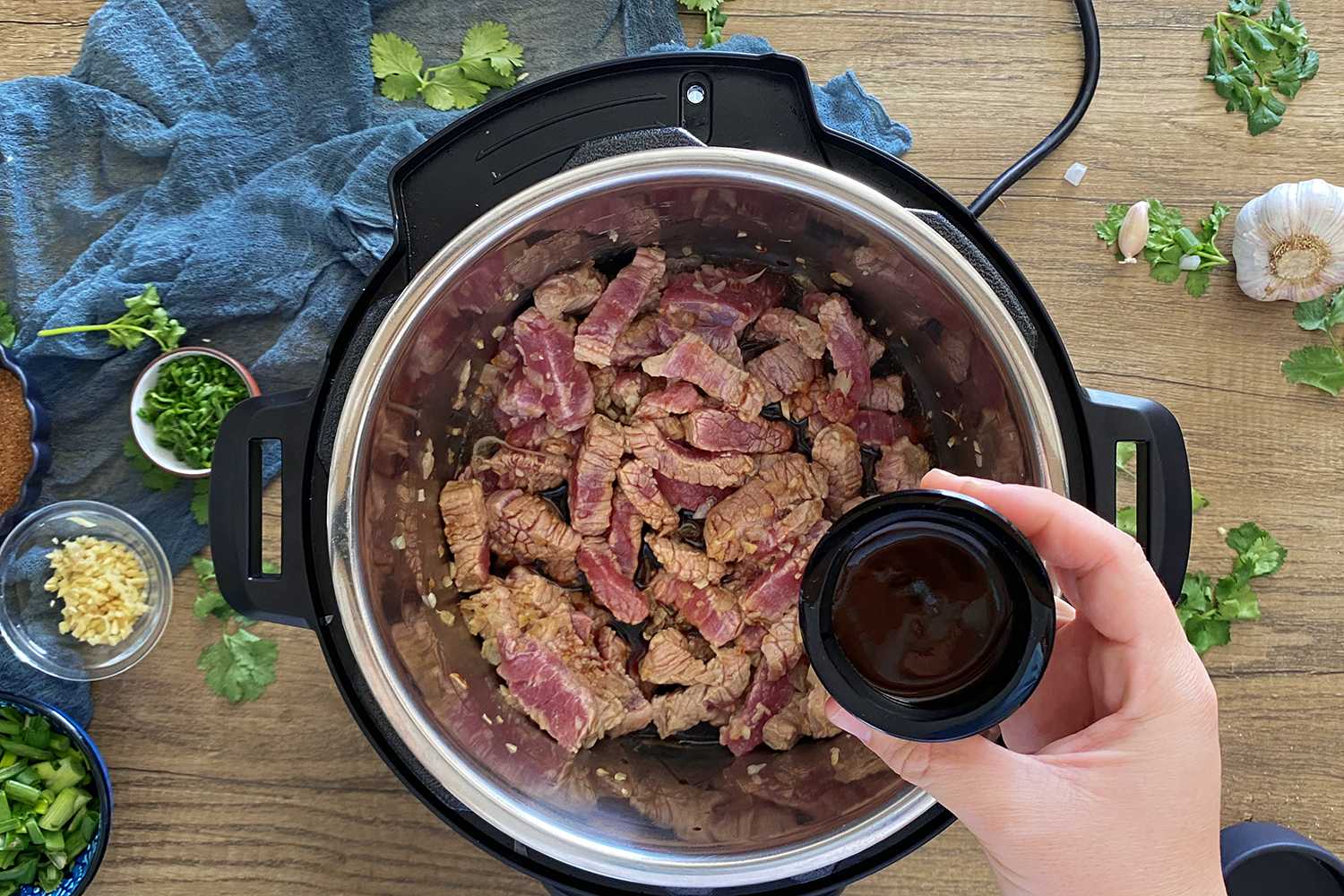
Credit: www.corriecooks.com
Comparing Slow Cookers To Other Methods
How do slow cookers stack up against ovens, stovetops, and microwaves when it comes to killing bacteria?
- Ovens and stovetops heat food quickly and reach high temperatures, killing bacteria fast.
- Slow cookers heat food slowly but hold it above the danger zone for hours, which is just as effective if used correctly.
- Microwaves can heat unevenly, leaving cold spots where bacteria survive.
When used according to instructions, slow cookers are just as safe as ovens or stovetops for destroying bacteria.
Practical Tips For Safe Slow Cooking
- Always wash your hands, tools, and slow cooker insert before cooking.
- Marinate meat in the fridge, not on the counter.
- If your power goes out during cooking, throw the food away. Do not risk eating it.
- Leftovers should be heated to 165°F (74°C) before eating.
- If you’re unsure, use a thermometer—guessing is not safe.
Frequently Asked Questions
Can You Put Raw Meat In A Slow Cooker?
Yes, you can put raw meat in a slow cooker. The device will heat it to a safe temperature if you follow cooking time and fill guidelines. Always thaw meat first and check with a thermometer to be sure the internal temperature is safe.
Is It Safe To Leave A Slow Cooker On All Day?
It is safe to leave a slow cooker on for 8–10 hours, as long as it is set up correctly and not left unattended for longer than the recipe suggests. Modern slow cookers are designed for this use.
Why Shouldn’t You Cook Frozen Meat In A Slow Cooker?
Frozen meat takes too long to heat up in a slow cooker, meaning it stays in the danger zone (where bacteria can grow) for too long. Always thaw meat in the fridge before adding to the slow cooker.
Can Bacteria Survive In A Slow Cooker?
Bacteria cannot survive if food is cooked to the proper safe temperature and held there long enough. But if you use the slow cooker incorrectly—like opening the lid too often or starting with frozen meat—bacteria can multiply.
How Do You Know If Slow-cooked Food Is Safe To Eat?
Use a food thermometer to check the thickest part of the dish. If it has reached the USDA-recommended safe temperature for your food (for example, 165°F for poultry), it is safe to eat.
Slow cookers are a safe and easy way to prepare delicious meals—when you use them the right way. By following food safety steps, checking temperatures, and avoiding common mistakes, you can enjoy your slow-cooked dishes without worry. Remember, patience and a thermometer are your best tools for keeping bacteria away and your meals safe.