Every home needs protection from invisible dangers. Smoke detectors are common in most houses and apartments, but many people wonder if these devices can also sense carbon monoxide. This confusion can lead to serious risks because carbon monoxide is a deadly gas with no smell or color. Knowing the difference between smoke detectors and carbon monoxide detectors is essential for safety.
In this article, you will learn how each device works, why they are different, and how to make sure your home is protected from both smoke and carbon monoxide.
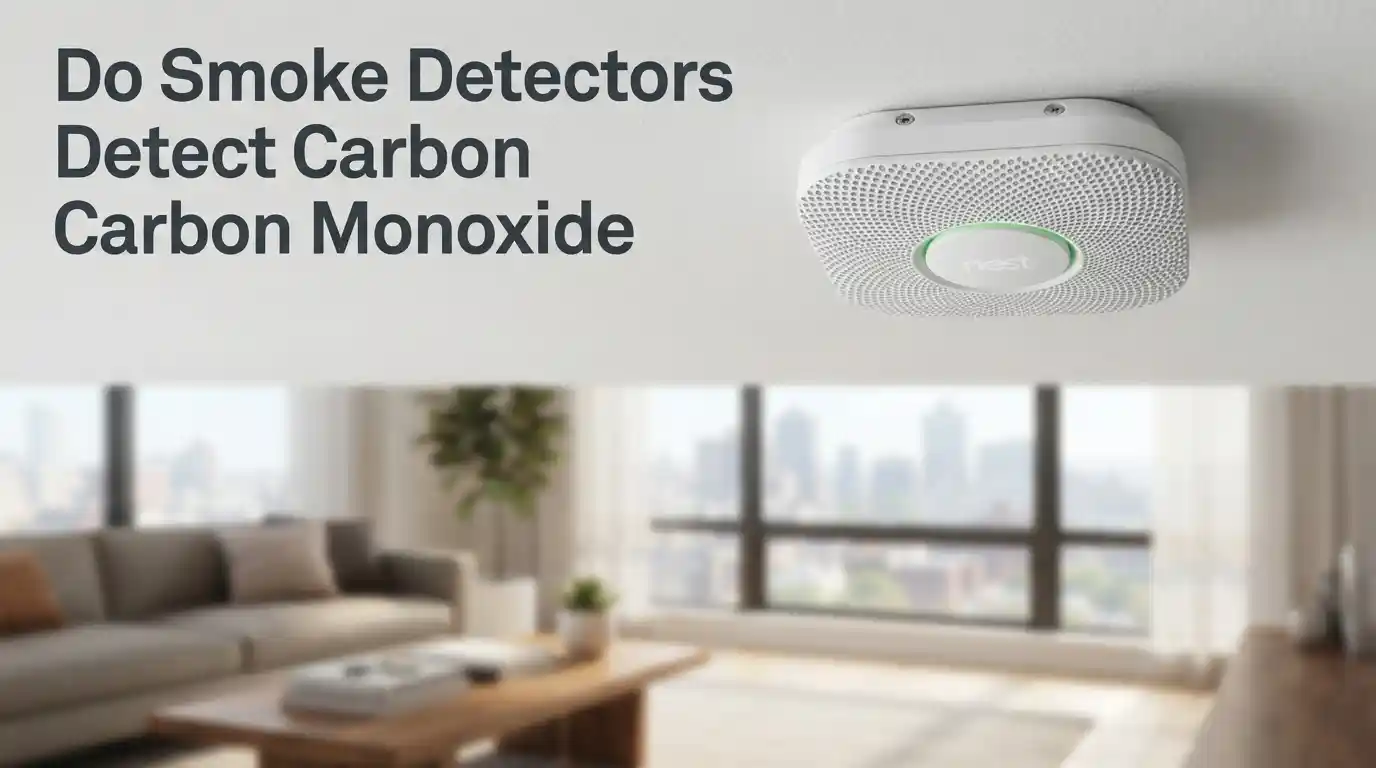
What Smoke Detectors Actually Detect
Smoke detectors are designed to sense smoke particles in the air. Most smoke detectors use one of two main technologies: ionization and photoelectric sensors. Ionization smoke detectors are best at detecting fast, flaming fires, while photoelectric detectors are more sensitive to slow, smoldering fires.
Both types work by alerting you when smoke enters the sensor chamber. The device produces a loud alarm to warn you of fire or smoke danger. Smoke detectors do not measure gases; they look for particles from burning materials.
Smoke detectors are not built to detect carbon monoxide. This is a common misunderstanding. The sensors inside smoke detectors are only sensitive to the solid particles created by combustion, not to invisible gases.
Example: Smoke Detector Failure To Detect Co
Imagine a house with a faulty gas heater leaking carbon monoxide. The heater does not produce smoke, so the smoke detector will not sound an alarm. The family inside is at risk because carbon monoxide builds up quietly.
Understanding Carbon Monoxide And Its Dangers
Carbon monoxide (CO) is a poisonous gas that comes from burning fuel. It is found in homes when appliances like gas stoves, heaters, fireplaces, or cars running in garages do not burn fuel completely. CO is often called the “silent killer” because it is invisible, has no odor, and no taste.
When someone breathes in carbon monoxide, it prevents their blood from carrying oxygen. Even a small amount can cause headaches, dizziness, nausea, confusion, and, in high levels, death. According to the Centers for Disease Control and Prevention (CDC), over 400 people die every year in the US from accidental CO poisoning, and thousands more end up in emergency rooms.
Key Facts About Co Poisoning
- Symptoms of CO poisoning are similar to the flu but without fever.
- Pets are often affected before humans.
- CO builds up in enclosed spaces quickly.
- Early warning is vital because people cannot see or smell CO.
How Carbon Monoxide Detectors Work
A carbon monoxide detector is specifically designed to sense CO gas in the air. These devices use sensors that react to the presence of carbon monoxide. The most common types are electrochemical sensors and metal oxide sensors.
Electrochemical sensors use a chemical reaction to produce an electric current when CO is present. Metal oxide sensors change electrical resistance when exposed to CO. Both technologies can detect low levels of carbon monoxide and warn you before it becomes dangerous.
When a CO detector senses unsafe levels, it sounds a loud alarm. This gives you time to leave the area and fix the problem. Unlike smoke detectors, CO detectors are not triggered by smoke or fire particles.
Example: Co Detector Saves Lives
A family’s furnace develops a leak, releasing carbon monoxide overnight. The CO detector in their hallway sounds an alarm, waking everyone up. They leave the house and call emergency services, avoiding a tragedy.
Smoke Detectors Vs Carbon Monoxide Detectors
Smoke detectors and carbon monoxide detectors are two different devices. Each one is designed for a specific danger. To help you understand, here is a comparison:
| Feature | Smoke Detector | CO Detector |
|---|---|---|
| Detects Smoke | Yes | No |
| Detects Carbon Monoxide | No | Yes |
| Main Sensor Type | Ionization, Photoelectric | Electrochemical, Metal Oxide |
| Alarm Trigger | Smoke Particles | CO Gas Levels |
| Typical Placement | Ceilings, Bedrooms | Near Fuel-burning Appliances |
| Maintenance | Test Monthly, Replace Battery | Test Monthly, Replace Battery |
Many people think smoke detectors can detect CO, but this is false. If you only have smoke detectors, you are not protected from carbon monoxide poisoning.
Combination Detectors: Are They Worth It?
There are devices called combination detectors that can sense both smoke and carbon monoxide. These are useful because they combine two safety features in one unit. However, not all combination detectors are created equal. Some cheaper models may not be as effective or reliable.
When buying a combination detector, check for UL certification or similar safety standards. This means the device has been tested and meets safety requirements. Also, make sure the detector uses separate sensors for smoke and CO, not a single sensor for both.
| Type | Detects Smoke | Detects CO | Average Price (USD) |
|---|---|---|---|
| Smoke Detector Only | Yes | No | 15–40 |
| CO Detector Only | No | Yes | 20–50 |
| Combination Detector | Yes | Yes | 35–80 |
Combination detectors are a good choice for small homes or apartments, but in larger spaces, using separate devices can help cover more areas.
Where To Place Smoke And Co Detectors
Proper placement of detectors is key to safety. Here are some practical tips:
- Smoke detectors should be placed on ceilings or high up on walls, especially near bedrooms and living areas. Smoke rises, so putting detectors high increases their effectiveness.
- CO detectors should be placed near sleeping areas and close to fuel-burning appliances, like furnaces or gas stoves. Do not place CO detectors directly above or beside appliances, as this can cause false alarms.
For multi-story homes, have detectors on every level. Do not place detectors in bathrooms or near vents, as steam or air currents can cause false readings.
Common Mistakes People Make
Many people make errors that reduce the effectiveness of their detectors:
- Assuming smoke detectors detect CO: This is the biggest mistake. Always install dedicated CO detectors.
- Placing detectors too close to windows or doors: Airflow can prevent detectors from sensing danger.
- Ignoring maintenance: Detectors need monthly testing and battery changes. Dust and debris can block sensors.
- Not replacing old detectors: Both smoke and CO detectors have a limited lifespan, usually 7–10 years.
One non-obvious insight: Some CO detectors only alarm after a certain level of CO is present for a set time. This is to prevent false alarms, but it also means low-level exposure can go unnoticed. If you have health concerns, look for detectors with digital displays that show current CO levels.
How To Choose The Right Detector
Choosing the right detector depends on your home and needs. Here are important factors:
- Certification: Look for devices certified by recognized safety labs (UL, ETL).
- Sensor type: For smoke, photoelectric is better for smoldering fires; ionization is better for fast fires. For CO, electrochemical sensors are most reliable.
- Features: Some detectors have digital displays, voice alerts, or smart connectivity. These can help with monitoring and maintenance.
- Battery vs hardwired: Battery-powered detectors are easier to install but need regular battery changes. Hardwired detectors are more reliable but require professional installation.
- Location: Consider where you need protection. In homes with many fuel-burning appliances, more CO detectors are needed.
Avoid buying cheap, uncertified detectors. They may not work when you need them most.
You might find this helpful: Best Smoke Detectors
Credit: www.productcare.org
The Importance Of Regular Maintenance
Regular maintenance is critical for safety. Here’s what you should do:
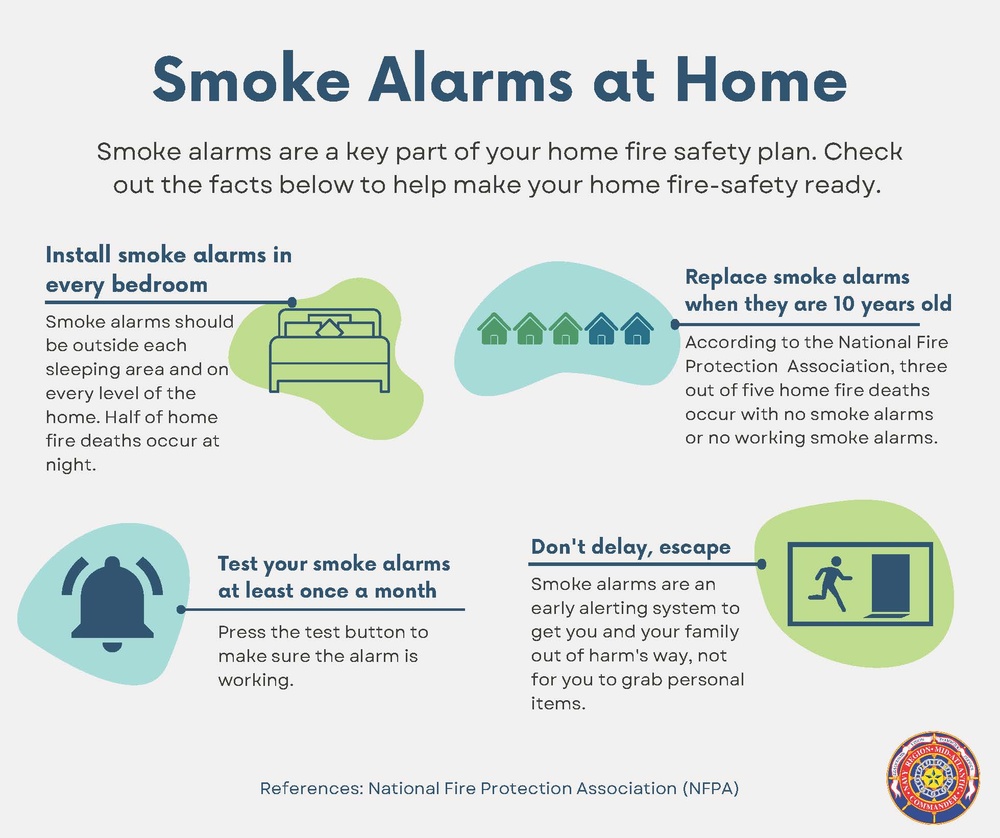
- Test detectors monthly by pressing the test button.
- Replace batteries at least once a year or when the device beeps for low battery.
- Clean detectors gently with a vacuum or soft brush to remove dust.
- Replace detectors every 7–10 years. Sensors lose accuracy over time.
- Record installation dates on the device or in a notebook.
Many people forget that even hardwired detectors have backup batteries. If the power fails, the battery keeps the detector working.
Real-life Incidents Highlighting The Risks
A family in Minnesota suffered CO poisoning because they believed their smoke detectors would alert them. Their gas furnace leaked CO, and the smoke detectors stayed silent. By the time symptoms appeared, it was almost too late.
Another case involved a student apartment where a fire started in a kitchen. The smoke detector went off, giving everyone time to escape. However, there was no CO detector, and the fire produced CO that lingered after the flames were out.
These examples show why both types of detectors are needed. Relying on just one can leave you exposed to serious harm.

Credit: www.westfargond.gov
Latest Technology Trends
Modern detectors now include smart features like Wi-Fi connectivity, mobile alerts, and integration with home automation systems. Some can send alerts to your phone even when you are away.
There are also detectors with digital displays showing real-time levels of CO or smoke. This helps you monitor conditions and act faster if problems arise.
Interconnected detectors are another trend. When one alarm goes off, all alarms in the house sound. This is useful for larger homes.
If you want the latest safety, consider devices with these features. But always make sure they are certified and tested.
Frequently Asked Questions
Do Smoke Detectors Detect Carbon Monoxide?
No, smoke detectors are not able to sense carbon monoxide. They are only designed to detect smoke particles from fires.
Can I Use One Device For Both Smoke And Carbon Monoxide?
Yes, combination detectors are available, but make sure they use separate sensors for smoke and CO. Always check for certification.
How Often Should I Test My Smoke And Co Detectors?
You should test detectors monthly by pressing the test button. Replace batteries at least once a year.
Where Should I Place Carbon Monoxide Detectors?
Put CO detectors near sleeping areas and close to fuel-burning appliances, but not right next to them. Avoid bathrooms and vents.
What Is The Lifespan Of Smoke And Co Detectors?
Most detectors last 7–10 years. Check the manufacturer’s instructions and replace old devices to stay safe.

Credit: www.dorankitchens.com
Stay Safe: Take Action Today
Smoke detectors and carbon monoxide detectors are both vital for home safety. They protect you from different dangers, and one cannot replace the other. Understanding their differences and using both types will keep your family safe from fire and CO poisoning. Check your detectors today, and if you only have smoke detectors, add CO detectors immediately. For more detailed information, visit the CDC official website. Your safety depends on the right protection and regular maintenance—don’t take chances with invisible threats.