You open the air fryer halfway through cooking, tongs in hand, and wonder: do you have to flip chicken in the air fryer, or can you just leave it alone? The honest answer is that it depends on what you’re cooking, how your basket fits it, and what your goal is. Most chicken benefits from a flip, but that advice isn’t universal.
In our research, we found that understanding how your specific model circulates heat matters more than blindly following a rule.
The USDA recommends cooking all poultry to a safe internal temperature of 165°F, per their food safety guidelines. That’s the number to aim for, but reaching it evenly is where flipping comes into play. Let’s break down the physics, the cuts, and the practical steps so you can decide confidently for your next batch.
The Real Problem With Unevenly Cooked Air Fryer Chicken
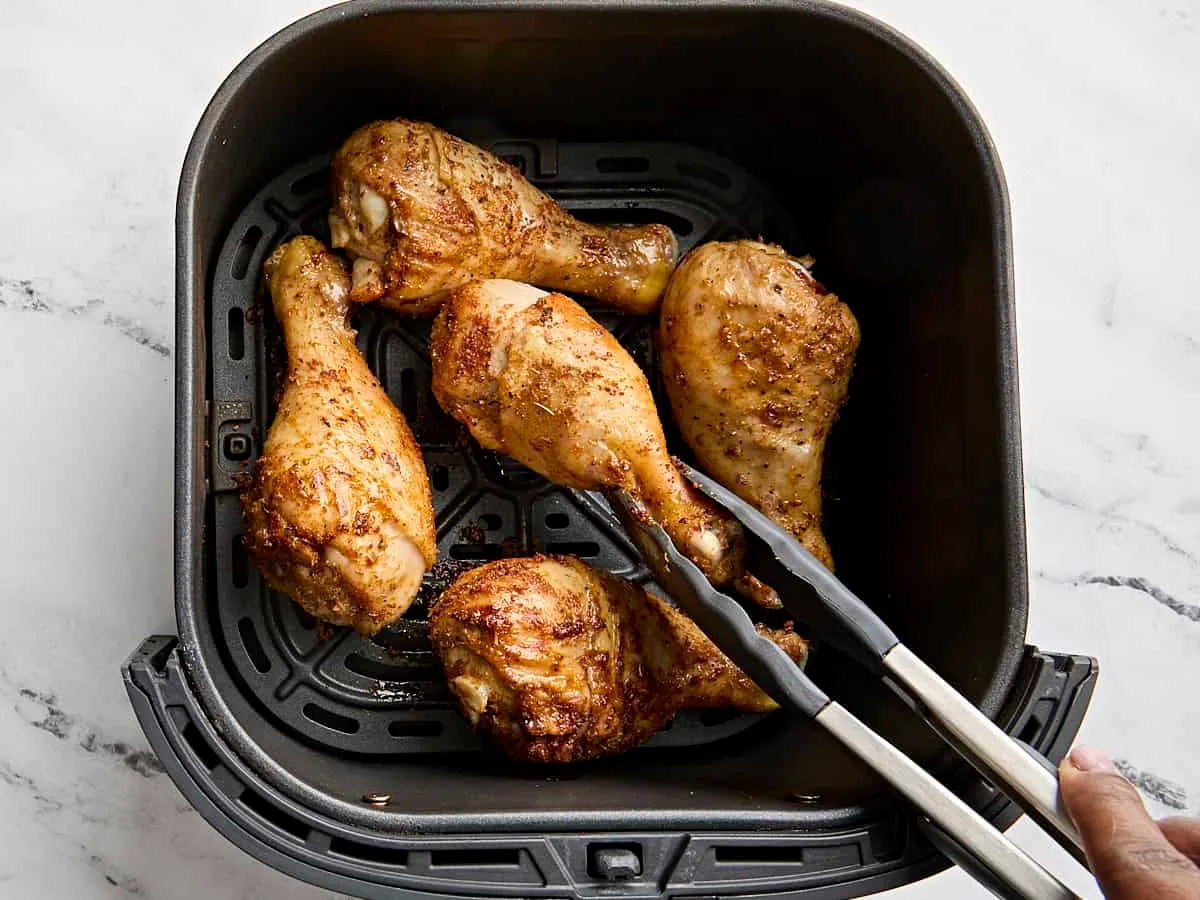
If you’ve ever pulled out a batch of chicken breasts with one side beautifully bronzed and the other pale and sad, you’ve experienced the core issue. The side facing the heating element gets direct radiant heat, while the bottom side rests against the basket, getting less airflow and more moisture. This creates a temperature imbalance that leaves you with a mixed-texture dinner.
Air fryers work by circulating hot air at high speed around the food. The fan creates convection, which cooks the surface facing up faster than the side touching the metal. Thicker cuts like chicken breasts or thighs really feel this difference.
The exposed surface dries out and browns, while the bottom half can stay pink or undercooked if the batch is too thick.
The fix is simple in theory: rotate the chicken. Flipping exposes the undercooked side to the full airflow, allowing it to catch up. But not every situation requires this.
Thin items like tenders or nuggets cook so quickly that the imbalance hardly has time to develop.
Another factor is the basket size and how much you load in. Overcrowding makes the problem worse because steam gets trapped between pieces. If you’ve ever seen an air fryer recipe that says “cook in a single layer,” it’s for this reason.
Cramped chicken steams instead of crisps, and no amount of flipping can fix that.
Quick Answer: Yes, But It Depends
The short answer: yes, flip your chicken in the air fryer, unless you’re cooking something thin or your model has true 360° airflow.
Here’s the reasoning. For bone-in cuts, thick breasts, or anything breaded, flipping midway ensures even cooking and a crisp exterior. Without it, you risk a raw center or a soggy bottom.
For chicken tenders, nuggets, or pre-cooked frozen pieces, a flip is less critical because they cook fast.
Your specific air fryer matters. Some models have a stronger fan that creates more even heat distribution, reducing the need to flip. Oven-style air fryers with a rear fan often cook more uniformly than basket-style ones with a top heating element.
Check your manual if you’re unsure.
The safest approach as of 2026: flip or shake your chicken at the halfway mark. It takes seconds and removes most of the guesswork. Forgetting to flip won’t ruin your meal, but it might leave you with a less consistent result than you hoped for.
How Air Fryer Cooking Physics Changed the Rule
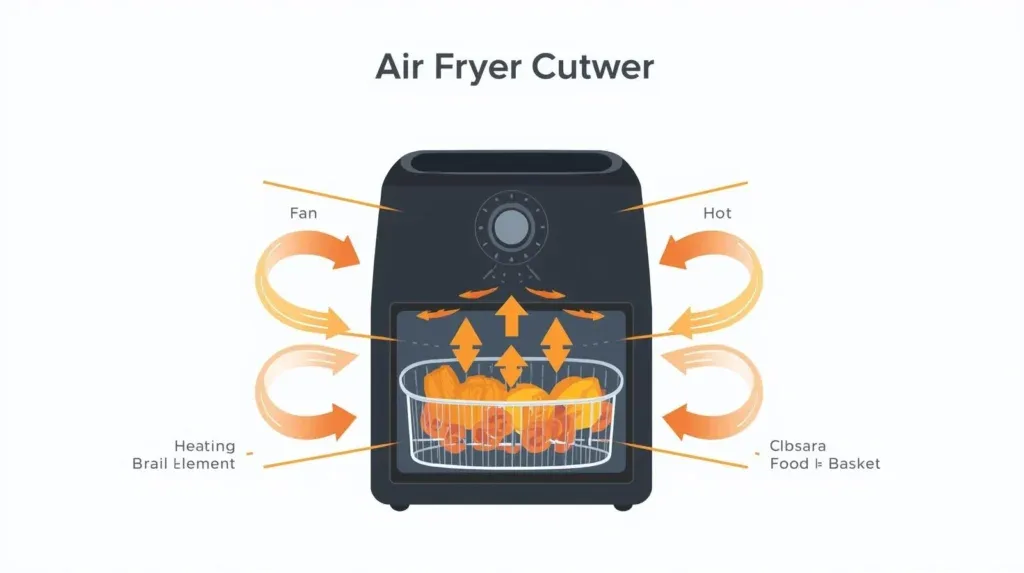
Image source: Bing (Web (fair-use with source credit))
Understanding why flipping matters starts with how an air fryer actually cooks. The heating element sits at the top, and a powerful fan pushes hot air down and around the food. This creates a convection effect that browns surfaces quickly.
The side directly facing the element gets the most heat, while the bottom of the food sits in the basket, partially shielded from the airflow.
That shielding is the problem. The basket has holes for airflow, but the food’s own weight presses against the metal, reducing air contact on the bottom surface. This is why the top of a chicken breast crisps up well while the underside stays pale.
In a traditional oven, the heat surrounds the food more evenly, but an air fryer concentrates it.
Basket-style air fryers have the heating element above the basket. Oven-style models place the fan and element at the back, which changes the airflow pattern entirely. Many oven-style owners report less need to flip because the air hits both sides more evenly.
This distinction matters more than the brand or price tag.
The wattage and fan speed also play a role. Higher wattage units run hotter and faster, which can create a more significant top-to-bottom difference. Lower wattage models might cook more gently, giving the heat more time to penetrate without charring the top.
Knowing your unit’s specs helps you adjust the flip timing.
To get a mental picture, imagine a diagram showing hot arrows hitting the top of a chicken piece, bouncing off the basket, and missing the bottom entirely. That’s why flipping is a recommendation, not just a habit. It corrects the physical limitation of the basket design.
Flip or Skip: A Decision Guide by Chicken Cut
Different cuts respond to flipping differently. Here’s what we recommend based on thickness, cooking time, and texture goals.
Boneless, skinless chicken breasts. These are the most variable cut. A thick breast can easily end up dry on top and raw in the middle without a flip. Flip them at the halfway point, around 10 minutes into a 20-minute cook.
If your breasts are thinner, under 1 inch, you might get away with skipping it, but flipping never hurts.
Bone-in chicken thighs and drumsticks. These take longer to cook, usually 25 to 30 minutes. The skin side crisps beautifully, but the underside stays soft. Flip them once about 15 minutes in.
This allows the bottom skin to crisp up too, giving you a uniformly appealing exterior.
Chicken wings. Wings are small and cook relatively fast, around 20 to 25 minutes. A flip helps, but a good shake of the basket works just as well. By tossing the wings every 8 to 10 minutes, you redistribute them, allowing different surfaces to contact the hot air.
This method is faster and less fiddly than flipping each piece individually.
Chicken tenders and nuggets. These are the hands-off winners. They cook in 8 to 12 minutes, and the short time means the top-to-bottom difference barely develops. Shaking the basket once halfway through is sufficient.
Flipping each piece individually is a waste of effort.
Whole chicken. This is a special case. Whole birds are large and dense, so they need more time and attention. You can’t flip a whole chicken easily, but you should rotate it or turn it on its side partway through cooking.
Some air fryer models come with a rotisserie attachment, which solves the problem automatically.
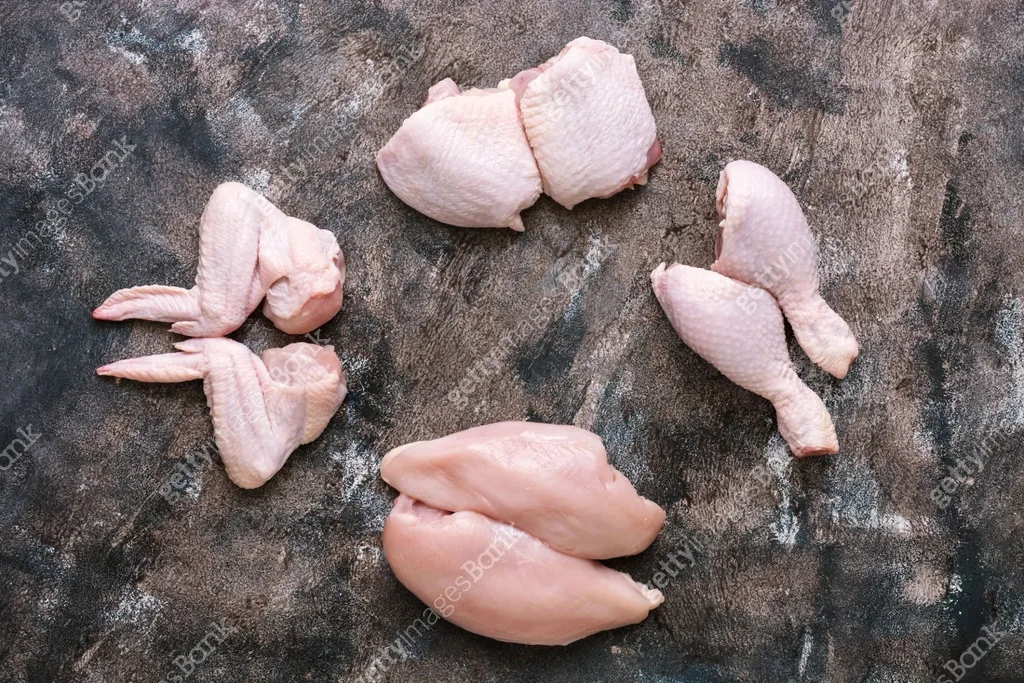
Chicken Cut Comparison Table: Flip Timing and Cook Temperatures
Here’s a quick reference table to guide your next batch. These times assume a basket-style air fryer preheated to the recommended temperature and chicken arranged in a single layer.
| Chicken Cut | Cook Time | Flip Timing | Internal Temp Target |
|---|---|---|---|
| Boneless chicken breast | 18–22 min | At 10 min | 165°F |
| Bone-in chicken thigh | 25–30 min | At 15 min | 165°F |
| Chicken drumstick | 25–30 min | At 15 min | 165°F |
| Chicken wings | 20–25 min | Shake at 10 min | 165°F |
| Chicken tenders | 8–12 min | Shake at 5 min | 165°F |
| Breaded chicken cutlets | 15–18 min | At 8 min | 165°F |
The temperature target stays the same for every cut: 165°F. Use an instant-read thermometer inserted into the thickest part, avoiding bone, to confirm doneness. This is non-negotiable per USDA guidelines, and it matters more than any visual cue.
For wings, the shake method works because the pieces are small and move easily. For larger cuts like thighs or breasts, you’ll want actual tongs. Use a pair with silicone tips to avoid scratching your non-stick basket.
If you’re cooking at a lower temperature, say 350°F instead of 400°F, the cook time extends and the flip point shifts accordingly. A good rule is to flip at the 50 to 60 percent mark of the total time. This gives the underside enough time to catch up without overcooking the top.
The Right Way to Flip (Without Messing Up Your Crisp)
Flipping isn’t just about turning the chicken over. It’s about doing it at the right moment with the right tool. Using the wrong utensil or flipping too early can ruin the crust you’ve been building.
Use tongs with silicone tips. Metal tongs can scratch the non-stick coating on your basket. Silicone-tipped tongs grip the chicken without damaging the surface. If you’re flipping wings or smaller pieces, a spatula works, but tongs give you more control.
Wait until the crust sets before flipping. If you flip too early, the chicken sticks to the basket and the coating tears. Give the chicken at least 8 to 10 minutes of cooking before the first flip. The crust needs time to form and release from the metal.
Flip at the halfway mark, not before. For a 20-minute cook time, flip at 10 minutes. For a 30-minute cook time, flip at 15 minutes. This gives the first side enough heat to develop color while leaving time for the second side to catch up.
For breaded chicken, use a gentle touch. Breaded cutlets and tenders lose their coating easily. Slide the tongs under the piece, lift it carefully, and turn it over without pressing down. Pressing squeezes out moisture and breaks the crust.
Shake instead of flip for small pieces. Wings, nuggets, and tenders respond well to a simple basket shake. Just grab the handle and give it a firm toss. This redistributes the pieces and rotates them without individual handling.
If you want a side dish with the same crispy results, try this approach with quick corn recipes that follow the same single-layer rules.
When You Can Absolutely Skip Flipping
Flipping is a best practice, but it’s not always mandatory. There are several situations where you can skip it without noticeable consequences.
Thin cuts under 1 inch thick. Chicken tenders, thin cutlets, and sliced breast meat cook so fast that the top-to-bottom temperature difference barely develops. A single shake at the 5-minute mark is plenty.
Oven-style air fryers with rear fans. These models circulate air from the back, hitting both sides of the food more evenly. Owners of toaster-oven-style air fryers often report less need to flip compared to basket-style units.
Pre-cooked frozen chicken. Items like chicken nuggets, tenders, or party wings that are already cooked just need reheating and crisping. Flipping helps for even browning, but the food is already safe to eat. Skipping the flip means a slightly less crispy bottom, not a food safety issue.
Using a raised rack insert. Some air fryers come with a multi-layer rack or a trivet that lifts the chicken off the basket floor. This allows airflow underneath the food, reducing the need for flipping. If your model includes this accessory, you’re in luck.
Very small batches. When you cook just a few pieces with plenty of space between them, the hot air circulates more freely. The chicken gets more even heat exposure from all sides, making a flip unnecessary.
Common Mistakes That Make Flipping (or Not Flipping) Go Wrong
Even with the right technique, a few common errors can sabotage your results. Here’s what to watch for.
Overcrowding the basket. This is the biggest mistake we see. When chicken pieces touch, steam gets trapped between them. The result is soggy spots and uneven cooking.
No amount of flipping can fix steaming. Cook in a single layer with space between pieces.
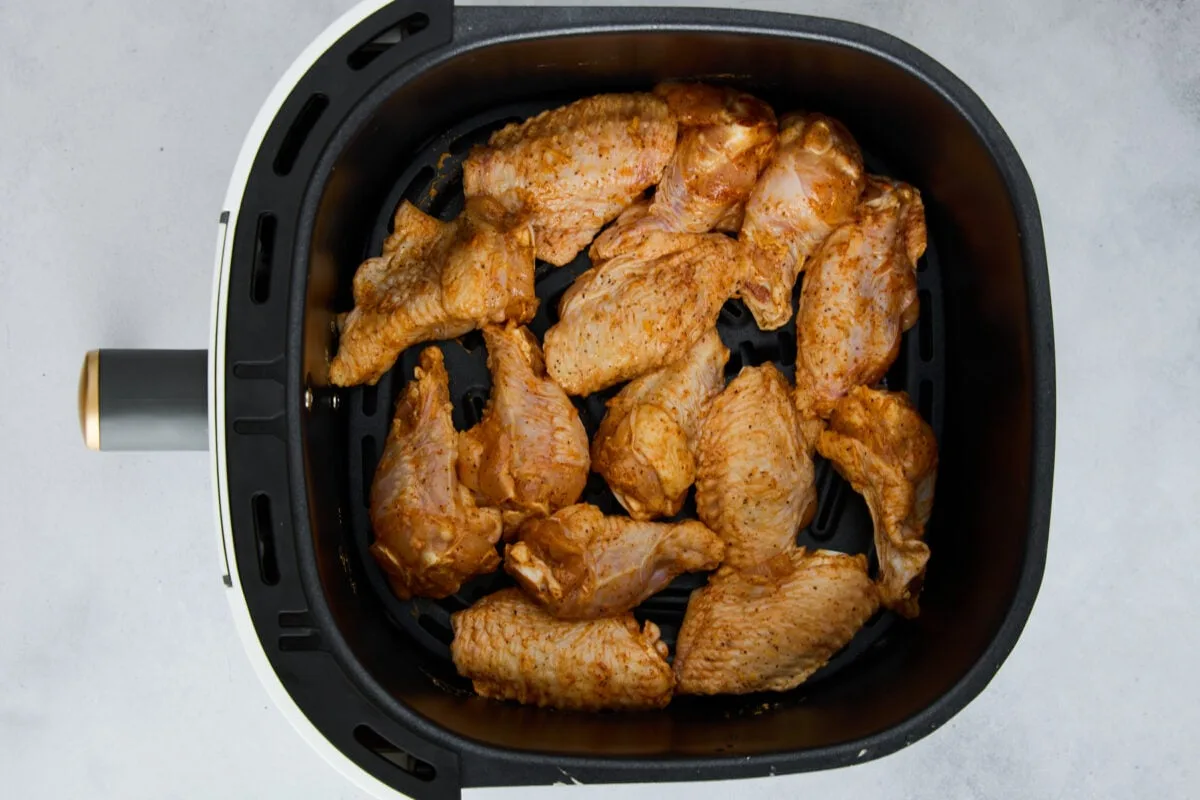
Flipping too early. If you flip chicken at the 3 or 4-minute mark, it hasn’t had time to release from the basket. The crust tears and sticks. Wait until the halfway point or just beyond it.
Forgetting to dry the chicken first. Wet chicken steams instead of crisps. Pat your chicken dry with paper towels before seasoning. This step matters more than flipping.
Using too much oil. A light spray is all you need. Excess oil creates smoke and can make the coating soggy. Remember that the air fryer’s high-speed fan needs dry surfaces to crisp properly.
Ignoring hot spots in your unit. Some air fryers have uneven heat distribution. The side near the heating element cooks faster. If you notice this, rotate the basket or reposition the chicken when you flip.
If your air fryer keeps beeping when you’re trying to cook, understanding what those signals mean can save you frustration.
Pro Tips for Perfect Air Fryer Chicken Every Time
Beyond flipping, a few small habits make a big difference in texture and flavor.
Patting dry is non-negotiable. Moisture is the enemy of crispiness. Remove the chicken from its packaging, pat it thoroughly with paper towels, then season. This single step improves browning more than any technique.
The light oil spray hack works. A thin coat of oil helps seasonings stick and promotes browning. Use a neutral oil like canola or avocado. Spray the chicken, not the basket, for more even coverage.
One quick pass is enough.
Resting time matters. Let the chicken rest for 3 to 5 minutes after cooking. This allows the juices to redistribute through the meat. Cutting too early causes the moisture to run out, leaving dry chicken.
Preheat if your model requires it. Some air fryers need a 2 to 3 minute preheat for best results. Check your manual. Cold starts extend cook times and reduce crispiness.
Work in batches when needed. Cook in a single layer, even if it means multiple batches. This is the key to consistently good results. If you need to keep the first batch warm, place it on a wire rack in a low oven.
You can also use the air fryer’s convection power to trim cooking time on other proteins using similar techniques.
Frequently Asked Questions About Flipping Chicken in the Air Fryer
Does shaking the basket replace flipping?
For small pieces like wings, nuggets, or tenders, yes. Shaking redistributes the pieces and rotates them, exposing different surfaces to the hot air. For larger cuts like breasts or thighs, shaking won’t reposition them enough.
You’ll still need tongs to flip those individual pieces.
Should I preheat my air fryer for chicken?
Check your manual. Some models benefit from a 2 to 3 minute preheat, while others heat up almost instantly. Preheating helps create a faster sear on the surface, which improves crispiness.
If your model says to preheat, don’t skip it.
Why does my chicken stick to the basket even after I flip it?
Chicken sticks when you flip too early or when the basket isn’t properly coated. Give the chicken at least 8 minutes before the first flip. Also, check that your basket has a non-stick coating and isn’t scratched.
A light oil spray on the basket helps.
Is it safe to cook frozen chicken without flipping?
Yes, it’s safe as long as the chicken reaches 165°F internally. Frozen chicken takes about 50 percent longer to cook, so adjust your times accordingly. Flipping is still recommended for even cooking, especially with larger frozen pieces.
How long should I cook chicken in the air fryer?
It depends on the cut. Boneless breasts take 18 to 22 minutes. Bone-in thighs and drumsticks take 25 to 30 minutes.
Wings take 20 to 25 minutes. Always verify doneness with a meat thermometer reading 165°F at the thickest point.
When You Can Absolutely Skip Flipping
Flipping helps, but it’s not always mandatory. Here are the situations where you can skip it without sacrificing quality.
Thin cuts under 1 inch. Chicken tenders and thin cutlets cook so fast that the temperature difference never develops. A quick shake at the 5-minute mark is plenty.
Oven-style air fryers with rear fans. These models circulate air from the back, hitting both sides of the food more evenly. Owners of toaster-oven-style units report less need to flip.
Pre-cooked frozen chicken. Items like nuggets or party wings just need reheating and crisping. Flipping helps for even browning, but the food is already safe to eat.
Using a raised rack insert. Some models come with a multi-layer rack that lifts chicken off the basket floor. This allows airflow underneath, reducing the need to flip.
Common Mistakes That Make Flipping (or Not Flipping) Go Wrong
Even with the right technique, a few common errors can sabotage your results.
Overcrowding the basket. When chicken pieces touch, steam gets trapped between them. The result is soggy spots and uneven cooking. No amount of flipping can fix steaming.
Flipping too early. Wait at least 8 minutes before the first flip. If you flip too soon, the crust tears and the chicken sticks to the basket.
Forgetting to dry the chicken. Wet chicken steams instead of crisps. Pat your chicken dry with paper towels before seasoning.
Ignoring hot spots. Some air fryers have uneven heat distribution. If you notice one side cooking faster, rotate the basket when you flip.
Pro Tips for Perfect Air Fryer Chicken Every Time
Small habits make a big difference in texture and flavor.
Patting dry is non-negotiable. Moisture is the enemy of crispiness. Remove the chicken from its packaging, pat it thoroughly, then season.
Use a light oil spray. A thin coat helps seasonings stick and promotes browning. Use a neutral oil like canola or avocado.
Rest before serving. Let the chicken rest for 3 to 5 minutes after cooking. This allows the juices to redistribute through the meat.
Work in batches. Cook in a single layer, even if it means multiple batches. This is the key to consistently good results.
For more protein options, you can apply the same single-layer technique to perfectly cooked steak with excellent results.
Frequently Asked Questions About Flipping Chicken in the Air Fryer
Does shaking the basket replace flipping?
For small pieces like wings or nuggets, yes. Shaking redistributes the pieces and rotates them. For larger cuts like breasts or thighs, you’ll still need tongs to flip them individually.
Should I preheat my air fryer for chicken?
Check your manual. Some models benefit from a 2 to 3 minute preheat. Preheating creates a faster sear on the surface, which improves crispiness.
Why does my chicken stick to the basket?
Chicken sticks when you flip too early or when the basket isn’t properly coated. Give the chicken at least 8 minutes before flipping. A light oil spray on the basket helps too.
Is it safe to cook frozen chicken without flipping?
Yes, as long as it reaches 165°F internally. Frozen chicken takes about 50 percent longer to cook. Flipping is still recommended for even cooking.
Final Verdict: Your No-Flip Decision Guide
Here’s the decision tree to follow every time you cook chicken in the air fryer.
Ask yourself three questions. Is the cut thicker than 1 inch? Is it bone-in or breaded? Does your air fryer have a top heating element?
If you answered yes to any of these, flip at the halfway mark.
When in doubt, flip. It takes seconds and guarantees more even cooking. The only time you should skip it is for thin cuts, pre-cooked frozen items, or oven-style models with rear fans.
Always verify doneness. Use an instant-read thermometer. The USDA recommends 165°F for all poultry, regardless of flipping method. This matters more than any technique you use.
Trust your instincts. After a few batches, you’ll learn how your specific air fryer behaves. Adjust the flip timing based on your results. That’s the real secret to consistent, crispy chicken.