Cooking with sous vide has become popular for home cooks and chefs. The promise of perfectly cooked food, juicy meats, and reliable results is hard to resist. But if you’re new to sous vide, you probably have questions about the equipment. One of the most common: Do you need a vacuum seal for sous vide? Let’s break down the facts, explore your options, and see what really matters for great sous vide results.
Understanding Sous Vide And Vacuum Sealing
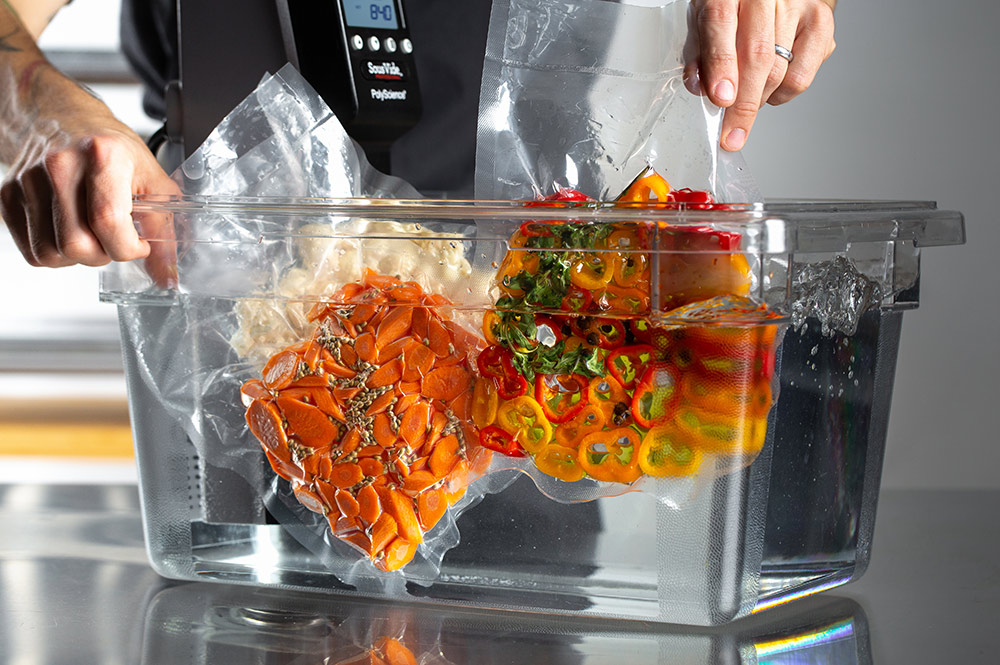
Sous vide means “under vacuum” in French. The technique involves cooking food in a water bath at a precise temperature. Traditionally, the food is placed in a vacuum-sealed bag to keep out air and water. The bag goes into the water, and the food cooks slowly and evenly.
Vacuum sealing removes air from the bag, creating a tight seal around the food. This helps in two main ways:
- It prevents water from leaking into the bag.
- It keeps air out, which means the food cooks more evenly.
But is a vacuum seal really necessary? The answer is more flexible than you might think.
Why Do People Use Vacuum Seals For Sous Vide?
There are some real advantages to using a vacuum sealer for sous vide cooking:
- Better Heat Transfer: With all the air removed, the bag hugs the food. This ensures even cooking and no air pockets to insulate parts of the food.
- No Floating: Air bubbles make bags float, which can cause uneven cooking. Vacuum-sealed bags stay submerged.
- Leak Prevention: A tight seal means water won’t get in and ruin your food.
- Longer Storage: Vacuum-sealed bags are great for storing cooked or raw food in the fridge or freezer.
However, not all home cooks own a vacuum sealer. They can be expensive, and not everyone wants another kitchen gadget. The big question is—do you absolutely need one?

Credit: chefiq.com
Can You Do Sous Vide Without A Vacuum Sealer?
The short answer is yes. You do not have to own a vacuum sealer to cook with sous vide. Many home cooks use regular zip-top bags and still get excellent results. The key is to remove as much air as possible from the bag before sealing it.
The Water Displacement Method
This simple trick works with zip-top freezer bags and a container of water. Here’s how:
- Place your food in a strong, high-quality zip-top bag (freezer bags work best).
- Seal almost all the way, leaving just an inch open.
- Slowly lower the bag into the water. The pressure of the water pushes the air out.
- Once most of the air is out, seal the bag completely.
This method is easy, cheap, and works for most foods. It’s especially popular for beginners or those who don’t sous vide often.
When Is Vacuum Sealing Better?
While zip-top bags are fine for many uses, vacuum sealing is better in some cases:
- Cooking for more than 4 hours: Over long times, zip-top seals can weaken and leak.
- Sous vide at high temperatures: Some bags may not stand up to heat as well as vacuum bags.
- Cooking fatty or juicy foods: Vacuum seals are less likely to open, even with lots of liquid inside.
Comparing Sous Vide Bag Options
Let’s look at the three main ways to bag food for sous vide: vacuum-sealed, zip-top with water displacement, and reusable silicone bags.
| Bag Type | Ease of Use | Seal Quality | Cost | Best For |
|---|---|---|---|---|
| Vacuum-sealed Bags | Medium (needs machine) | Excellent | Higher | Long cooks, storage, meat |
| Zip-top Bags | Easy | Good (with care) | Low | Quick cooks, small items |
| Silicone Reusable Bags | Medium | Good | Medium (reusable) | Eco-friendly, frequent use |
Vacuum-sealed bags win for reliability, especially for longer or more demanding cooks. Zip-top bags are best for beginners, quick meals, or when you don’t want to buy extra gear. Silicone bags are good for those who want to reduce waste, but can be harder to seal tightly.
Do You Get Better Results With A Vacuum Sealer?
You may be surprised to learn that for most home sous vide recipes, the difference is small. For chicken breasts, steak, or vegetables cooked for 1–4 hours, both vacuum-sealed and zip-top bags deliver excellent results.
But there are some cases where a vacuum sealer makes a real difference:
- Tough cuts of meat like brisket, cooked 12+ hours
- Fish fillets that are delicate and easily broken by water pressure
- Marinating food before cooking—vacuum sealing speeds up the process
If you want to batch cook and freeze meals, vacuum sealing is the safest way to store cooked food. It reduces freezer burn and keeps food fresh much longer.
Common Problems Without A Vacuum Seal
Cooking sous vide without a vacuum sealer is easy, but there are a few things to watch for:
- Bags Floating: Air trapped in the bag can make it float. Use a spoon or clip to hold the bag underwater.
- Leaky Seals: Zip-top bags can open during long cooks. Double-bagging adds extra safety.
- Bag Melting: Not all plastic bags are safe for sous vide. Use freezer bags, not thin sandwich bags.
Non-obvious tip: Never reuse zip-top bags for sous vide. They can weaken after one use and may not seal well the second time.
How To Choose Bags For Sous Vide
Choosing the right bag matters more than you might think. Here are some tips:
- Always use BPA-free bags. Most name brands are safe, but check the label.
- Go for thicker, freezer-style bags if using zip-tops. Thin bags can burst or leak.
- If you cook often, consider reusable silicone bags. They’re durable and eco-friendly, though sealing can be tricky.
For vacuum sealers, check if the bags are boil-safe and made for sous vide. Some cheap bags melt at high temperatures.
Cost And Convenience: Vacuum Sealer Vs. Alternatives
A common question is whether buying a vacuum sealer is worth it. Here’s a quick breakdown:
| Method | Initial Cost | Ongoing Costs | Convenience |
|---|---|---|---|
| Vacuum Sealer | $40–$150 for machine | $10–$25 per 100 bags | Moderate (extra step, fast sealing) |
| Zip-top Bags | $5–$10 per box | Low (re-buy as needed) | High (easy, available) |
| Silicone Bags | $15–$25 per bag | Very low (reusable) | Medium (need cleaning) |
For most home cooks, starting with zip-top bags makes sense. If you find yourself sous vide cooking weekly, or want to store food long term, a vacuum sealer becomes a smart investment.

Credit: www.amazingfoodmadeeasy.com
Safety Considerations For Sous Vide Bagging
Food safety is critical with sous vide. Here’s what you need to know:
- Temperature Control: Sous vide cooks at lower temperatures. Any air in the bag can slow heating, so remove as much as possible.
- Proper Sealing: Leaky bags can let water in, which may carry bacteria. Always check your seal before cooking.
- Plastic Safety: Not all bags are safe for sous vide. Look for “food safe” and “heat safe” on the package.
One insight many beginners miss: Never use regular plastic wrap or cheap bags in the water bath. They often contain additives not meant for heating and can break down.
For more on food safety and sous vide, see the detailed guidelines from the USDA Food Safety and Inspection Service.
Who Should Buy A Vacuum Sealer?
A vacuum sealer is best for people who:
- Sous vide often (weekly or more)
- Cook tougher cuts of meat for long periods
- Want to meal-prep and freeze portions
- Care about perfect, repeatable results
If you only cook sous vide a few times a year, or mostly make quick meals, you can skip the sealer and use zip-top bags instead.
Credit: www.toufood.com
Two Non-obvious Insights For New Sous Vide Cooks
- Marinade Power: Vacuum sealing does more than just remove air. It helps marinades penetrate meat faster and deeper. If you love flavor-packed food, a vacuum sealer can make a visible difference.
- Shape Matters: The bag’s shape affects cooking! Thick stacks (like a big steak pile) cook slower in the center. For best results, lay food in a single layer, especially in zip-top bags.
Practical Tips For Best Sous Vide Results Without A Vacuum Sealer
- Use the water displacement method for zip-top bags and squeeze out as much air as possible.
- Double-bag for long cooks (over 4 hours) to prevent leaks.
- Clip the bag to the side of the pot to keep it fully submerged.
- For delicate fish or eggs, use silicone bags or gentle sealing, as vacuum pressure can crush them.
- Always check for leaks before and during cooking.
Final Thoughts: Do You Need A Vacuum Seal For Sous Vide?
A vacuum sealer is a handy tool, but not a must-have for sous vide. For most home cooks, zip-top freezer bags with the water displacement method work very well. You’ll get tender, juicy results without buying extra equipment. If you plan to cook sous vide often, love meal prep, or want the best possible storage, a vacuum sealer is a smart upgrade. Choose the method that fits your style, budget, and cooking habits—and enjoy the delicious world of sous vide at home.
Frequently Asked Questions
What Is The Water Displacement Method In Sous Vide?
The water displacement method is a way to remove air from a zip-top bag without a vacuum sealer. You lower the bag with food into water, letting the water pressure push the air out. Then, you seal the bag just before it goes fully under.
This creates a tight seal for even sous vide cooking.
Can I Use Regular Sandwich Bags For Sous Vide?
No, regular sandwich bags are usually too thin and may break or melt in hot water. Always use freezer-grade zip-top bags or bags labeled as safe for sous vide cooking.
Does Vacuum Sealing Improve The Taste Of Sous Vide Food?
Vacuum sealing can help marinades soak in faster and prevent leaks, but taste mainly comes from your seasonings and cooking technique. For most recipes, there is little difference in taste between vacuum-sealed and zip-top bags.
How Do I Keep My Sous Vide Bag From Floating?
To stop bags from floating, remove as much air as possible before sealing. You can also use a metal spoon, binder clip, or sous vide weight to hold the bag down in the water.
Is It Safe To Reuse Sous Vide Bags?
Single-use plastic bags should not be reused for sous vide. They can develop tiny holes or weak seals. If you want to reuse, choose silicone sous vide bags made for multiple uses, and clean them carefully after each cook.