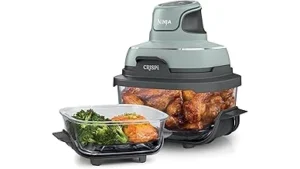
Many people wonder, do you put a pan under air fryer basket when they first start using their air fryer. It might seem like a small detail, but it can make a big difference in how clean your appliance stays. Don’t worry if you’re unsure.
It’s a common question for beginners, and the answer is simpler than you think. We’ll walk through exactly what you need to know to get the best results from your air fryer and keep it looking great, step by step.
Key Takeaways
- Using a pan under the air fryer basket can catch drips and make cleanup easier.
- Not all air fryers require a pan; check your model’s manual.
- Certain foods benefit more from using a pan than others.
- The type of pan you use matters for airflow and cooking results.
- Proper use of a pan ensures your air fryer functions efficiently.
Understanding Air Fryer Baskets and Pans
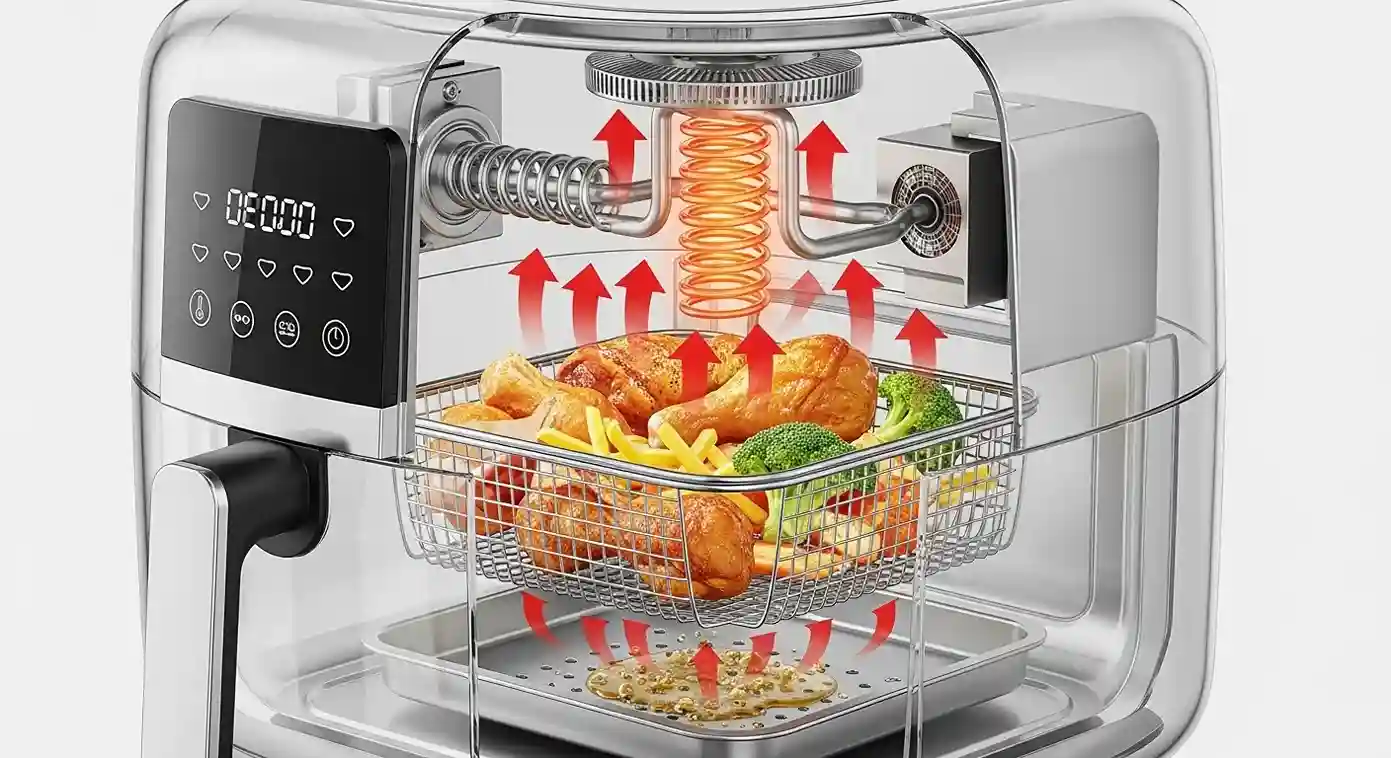
When you use an air fryer, hot air circulates very quickly around your food. This is what makes your food crispy. The basket holds your food while this happens. Sometimes, especially with fatty foods like bacon or chicken wings, grease and juices can drip down. This is where the question, do you put a pan under air fryer basket, often comes up. People want to know if adding a pan will help catch these drips.
Why the Question Arises
The main reason people ask if they should put a pan under their air fryer basket is for cleanliness. No one wants a messy air fryer that’s hard to clean. Grease can sometimes drip onto the heating element or the bottom of the appliance, which can cause smoke and be difficult to remove. A pan seems like a logical solution to prevent this mess.
How Air Fryers Work
Air fryers are designed with a fan that blows hot air at high speeds. This mimics the effect of deep frying but uses much less oil. The air needs to be able to move freely around the food in the basket to get it crispy. This is a key part of why the question, do you put a pan under air fryer basket, needs a careful answer.
Should You Put A Pan Under Your Air Fryer Basket
The answer to, do you put a pan under air fryer basket, isn’t a simple yes or no. It depends on a few things, including your specific air fryer model and the type of food you are cooking.
Check Your Air Fryer Manual First
The most important step is to look at the instructions that came with your air fryer. Some air fryer models are designed to have a drip tray or pan built into the bottom. Others expect the grease to fall directly into a collection area that is separate from the basket and removable. If your air fryer came with a specific drip tray, you should definitely use that. If it didn’t, putting your own pan might not be necessary or could even interfere with how your air fryer works.
Why the Manual Matters
Manufacturers design their appliances with specific features in mind. If they intended for you to use an extra pan, they would likely mention it or include one. Using something that wasn’t designed for your machine could block airflow, which is essential for proper cooking. This could lead to food not cooking evenly or not getting crispy.
When a Pan Might Be Helpful
If your air fryer doesn’t have a built-in drip tray, and you’re cooking something that is known to be very greasy, a pan can be a lifesaver for cleanup. Foods like bacon, sausages, or certain marinated meats can release a lot of fat. Catching this fat in a pan prevents it from making a mess inside your air fryer.
Types of Pans to Consider
If you decide to use a pan, choose wisely. You want a pan that fits well in the bottom of your air fryer without touching the basket or blocking the vents.
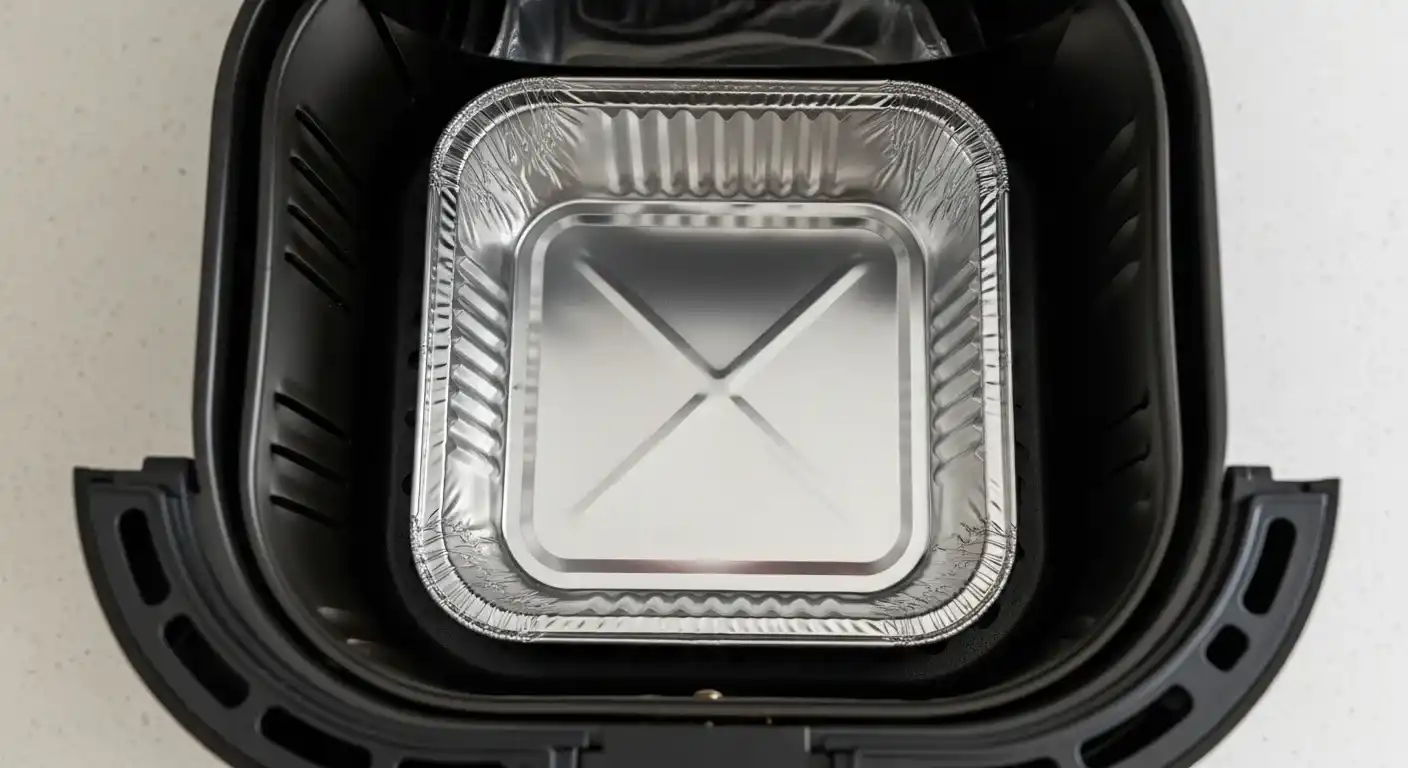
Foil Pans: Small aluminum foil pans can work. Make sure they are shallow so they don’t block air circulation.
Silicone Liners with a Rim: Some silicone liners have a raised edge. These can also catch drips. However, ensure they don’t sit too close to the heating element.
Parchment Paper (with caution): While parchment paper is great for lining the basket itself, using it as a drip catcher below the basket isn’t ideal. It’s more prone to being blown around by the fan, and if it gets too close to the heating element, it can be a fire hazard.
Important Considerations for Using a Pan
When using an external pan, always make sure there is space for air to move. The pan should not prevent the basket from sliding in and out easily. It should sit at the very bottom of the air fryer, beneath where the basket rests. Also, ensure the pan is heat-safe.
When NOT to Use a Pan
If your air fryer has a built-in drip tray, do not add another pan underneath it. This will create too much of a gap and could affect cooking performance. Also, if you’re cooking very dry foods like vegetables or bread, you probably won’t have many drips, so a pan is not necessary.
Impact on Airflow
The core function of an air fryer relies on consistent, unobstructed airflow. Adding an extra pan might reduce the space for air to circulate, leading to longer cooking times or unevenly cooked food. It’s crucial to maintain that high-speed air circulation for the best results.
Are Air Fryer Liners the Same as a Pan
Air fryer liners, often made of silicone or parchment paper, are typically placed inside the air fryer basket to prevent food from sticking and to make cleaning the basket easier. When people ask, do you put a pan under air fryer basket, they are usually referring to a separate item placed below the basket, not inside it. Liners inside the basket are a different concept and often recommended by manufacturers.
Foods That Benefit Most from a Pan
Some foods are greasier than others. For these, using a pan under the air fryer basket can be very helpful if your model doesn’t have a built-in tray.
Greasy Meats
Bacon: Bacon is notorious for spitting grease. A pan will catch most of it.
Sausages: Especially fresh sausages, which can release a lot of fat during cooking.
Chicken Wings/Thighs: The skin on these can render a lot of fat.
Fatty Cuts of Beef or Pork: If you’re air frying ribs or pork belly, expect drips.
Marinated Foods
Some marinades contain oil, which can also drip and burn on the bottom of the air fryer. A pan can help catch these excess liquids.
Foods That Likely Won’t Need A Pan
For many types of food, adding a pan is unnecessary and could even be counterproductive.
Vegetables
Most vegetables, like broccoli, carrots, or potatoes, don’t release significant amounts of grease.
Breaded Items
Breaded items, like chicken tenders or fish sticks, usually have a dry coating that doesn’t produce much grease.
Pastries and Baked Goods
While some butter might melt, it’s unlikely to cause a major mess that requires a separate pan.
Lean Proteins
Lean meats like chicken breast or fish fillets typically don’t release much fat.
How to Clean Your Air Fryer
Whether you use a pan or not, regular cleaning is key to keeping your air fryer in good working order.
Daily Cleaning
After each use, let the air fryer cool down. Remove the basket and any drip tray. Wash them with warm, soapy water. Use a soft sponge or cloth. For stubborn bits, you can soak them for a bit.
Deep Cleaning
Periodically, you’ll want to deep clean the inside of your air fryer. Unplug the appliance. Wipe down the interior with a damp cloth. If there are any burnt-on bits, you can use a mild oven cleaner (ensure it’s safe for your model) or a baking soda paste. Never submerge the main unit in water.
Cleaning the Heating Element
The heating element is usually at the top. Make sure it’s cool. You can often wipe it gently with a damp cloth or a soft brush. Avoid using abrasive cleaners on the heating element.
Troubleshooting Common Air Fryer Issues
Knowing how to properly use your air fryer helps prevent problems.
Smoking Air Fryer
If your air fryer is smoking, it’s usually because of food debris or grease that has accumulated. Cleaning it thoroughly should resolve this. If you’re cooking very fatty foods and see smoke, it might be time to consider using a pan under the basket if your model allows.
Food Not Crispy
This can happen if the air fryer is too full, the temperature is too low, or the airflow is blocked. Ensure you aren’t overcrowding the basket and that nothing is obstructing the vents. If you’ve added a pan, double-check that it’s not preventing air circulation.
Uneven Cooking
Shake the basket halfway through cooking for most foods. This helps ensure everything gets exposed to the hot air evenly.
Frequently Asked Questions
Question: What is the best thing to put under an air fryer basket
Answer: If your air fryer model allows for it and doesn’t have a built-in tray, a shallow, heat-safe aluminum foil pan or a silicone liner with a raised rim can work well. Always ensure it doesn’t block airflow or prevent the basket from closing properly.
Question: Can I use a regular baking pan in my air fryer
Answer: It’s not generally recommended to use a standard baking pan. Air fryers rely on circulating air, and a full baking pan can block this. If you use a pan, it should be shallow and specifically chosen to fit without impeding airflow or the basket’s movement.
Question: Will a pan make my food soggy
Answer: A pan placed correctly below the basket should not make your food soggy. It’s designed to catch drips. However, if the pan is too close to the food or blocks airflow significantly, it could affect crispiness.
Question: How often should I clean my air fryer
Answer: It’s best to clean the basket and drip tray after every use. A deeper clean of the interior can be done weekly or as needed, depending on how often you use your air fryer and what you cook.
Question: My air fryer smells funny what should I do
Answer: A funny smell usually means there is built-up grease or food debris. Unplug the air fryer, let it cool, and clean the basket, tray, and interior thoroughly. For persistent smells, you can try running the air fryer empty at a high temperature for a few minutes with a slice of lemon inside.
Final Thoughts
Deciding whether to put a pan under your air fryer basket comes down to your specific appliance and what you’re cooking. Always consult your manual first. If your model permits and you’re cooking greasy foods, a well-chosen pan can help keep things clean. Just ensure it doesn’t block crucial airflow. Enjoy your crispy creations!

Hi, I’m Raju Dey — a food lover with a degree in Culinary Arts from El Centro College. I’ve spent 4+ years testing air fryers, blenders, and other kitchen tools in real home kitchens. At KitchenWink.com, I share honest tips and reviews to help you cook smarter. My goal is to give you advice you can trust — based on hands-on experience, not hype.