Cooking at home is becoming more popular, and many people are investing in appliances to make meals easier and more enjoyable. One tool that stands out is the electric griddle. If you love pancakes, burgers, or grilled veggies, an electric griddle can save time and effort. But as you set up your kitchen or cooking space, you might wonder: Does an electric griddle need a hood? This question is not just about safety—it’s about convenience, food quality, and keeping your home comfortable.
Let’s explore the reasons behind hoods, how electric griddles work, and whether a hood is truly necessary for your setup. By the end, you’ll have a clear answer, plus tips and facts that most beginners miss.
What Is An Electric Griddle?
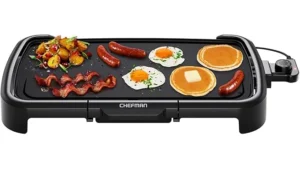
An electric griddle is a flat cooking surface powered by electricity. Unlike stovetop griddles that sit on burners, electric griddles plug into a wall outlet and heat up on their own. They are popular for breakfast foods like bacon, eggs, pancakes, and French toast, but you can cook much more on them.
Some key features:
- Large cooking surface: Lets you cook many items at once.
- Adjustable temperature: Precise control for different foods.
- Non-stick surface: Easy cleaning and less oil needed.
- Portable design: Can be moved and stored easily.
Why Do Some Appliances Need A Hood?
A range hood or vent is a device above a stove or grill. Its job is to remove smoke, steam, heat, odors, and grease. Hoods are important for:
- Keeping air clean: Removing fumes and airborne grease.
- Reducing heat: Making the kitchen more comfortable.
- Fire safety: Lowering the risk of grease fires.
- Protecting walls and ceilings: Preventing yellow stains and sticky surfaces.
Appliances like gas stoves or charcoal grills produce a lot of smoke, making a hood necessary. But do electric griddles have the same needs?
How Does An Electric Griddle Work?
Electric griddles use a built-in heating element under a metal plate. When you turn it on, electricity heats the plate. Food cooks directly on the flat surface. There is no open flame and usually less smoke than other appliances.
Key differences from gas or charcoal cooking:
- No combustion: Less carbon monoxide and fewer dangerous fumes.
- Lower smoke: Unless you cook fatty foods at very high heat.
- Less heat released: Most heat stays on the cooking surface.
Do You Need A Hood For An Electric Griddle?
The short answer: Not always. Most home electric griddles can be used without a hood, especially in well-ventilated areas. But there are exceptions. Let’s break down when a hood might be needed or helpful.
When A Hood Is Not Needed
- Small, low-power griddles: Most home models (under 1500 watts) create minimal smoke.
- Cooking simple foods: Eggs, pancakes, and veggies produce little grease or fumes.
- Good room ventilation: Open windows, fans, or air purifiers can remove light odors.
- Short cooking times: Quick meals mean less build-up of steam or smells.
When A Hood Is Useful Or Required
- High-heat cooking: Searing steaks or frying bacon makes more smoke and grease.
- Large, commercial griddles: Professional kitchens have stricter codes for ventilation.
- Tiny or enclosed kitchens: Less air flow can trap steam and odors.
- Multi-use spaces: Cooking in a living room or studio apartment can spread smells.
What Building Codes Say
Most building codes do not require a hood for portable electric appliances. However, commercial spaces or built-in griddles may have different rules. Always check local codes if you are installing a griddle in a permanent location.

Credit: www.walmart.com
Comparing Electric Griddles To Other Appliances
To understand the need for a hood, it helps to compare electric griddles with other cooking tools.
| Appliance | Smoke/Odor Production | Typical Need for Hood |
|---|---|---|
| Electric Griddle | Low to Medium | Rarely |
| Gas Stove | Medium to High | Usually |
| Charcoal Grill | High | Always |
| Induction Cooktop | Low | Rarely |
As you can see, electric griddles are among the lowest in smoke and odor, making a hood optional in most homes.
Pros And Cons Of Using A Hood With An Electric Griddle
There are real benefits and some downsides to using a hood.
| Pros | Cons |
|---|---|
| Removes extra smoke and odors | Added cost and installation |
| Makes kitchen more comfortable | Uses extra energy |
| Keeps walls and ceiling cleaner | May not be needed for small griddles |
| Helpful for cooking fatty foods | Can be noisy |
Practical Scenarios: Should You Use A Hood?
Let’s look at a few real-life examples.
Scenario 1: Cooking Breakfast In A Small Apartment
You want to make pancakes and eggs on your electric griddle. There are no greasy foods, and your kitchen has a window.
- Do you need a hood? Not really. Opening the window or using a small fan is enough.
Scenario 2: Grilling Bacon And Burgers For A Party
You’re using a large electric griddle to cook bacon, burgers, and sausages for several guests. The kitchen is enclosed.
- Do you need a hood? It’s helpful. Grease and smoke will build up, so a hood or good ventilation is smart.
Scenario 3: Installing A Built-in Griddle In A Home Kitchen
You’re remodeling and want a built-in electric griddle.
- Do you need a hood? Check local codes. Many areas require hoods for built-in appliances, regardless of fuel type.
Non-obvious Tips Most Beginners Miss
- Check your griddle’s wattage: High-wattage models (over 1800 watts) can make more smoke, especially at max heat. Choose lower wattage if you want less odor.
- Grease management matters: Some griddles have a poor grease tray design. If grease spills over, it smokes more. Always clean the tray after each use.
- Preheat in a ventilated area: Preheating can sometimes cause the most smoke, especially on old non-stick surfaces.
- Use the right oils: Oils with high smoke points (like avocado or canola oil) reduce smoke compared to butter or olive oil.
- Regular cleaning: Burnt-on food and old grease create more smoke over time. Clean your griddle after every session.
How To Improve Ventilation Without A Hood
If you decide not to use a hood, there are still ways to keep your air fresh and your kitchen comfortable.
- Open windows: The simplest method for most homes.
- Use a portable fan: Place a fan near a window to push air out.
- Try an air purifier: Units with HEPA filters can remove odors and particles.
- Cook at lower heat: Less smoke is produced at moderate temperatures.
- Cook in batches: Avoid crowding the griddle, which can trap steam and create more smoke.
Safety Considerations
Even though electric griddles are safer than open flames, safety is still important.
- Don’t leave the griddle unattended.
- Keep cords away from water and hot surfaces.
- Use the griddle on a stable, heat-resistant surface.
- Allow it to cool before cleaning.
- Empty the grease tray regularly.
If you notice a lot of smoke or your smoke alarm goes off, stop cooking and ventilate the room immediately.

Credit: www.walmart.com
What Experts And Regulations Say
According to the National Fire Protection Association and most US building codes, portable electric appliances do not require a range hood in residential kitchens. However, they recommend good ventilation for any indoor cooking to prevent grease buildup and reduce odors. For commercial or built-in griddles, codes are stricter. Always check your local rules to be sure. For further reading, the official NFPA guidelines are a reliable resource.
Frequently Asked Questions
Is It Safe To Use An Electric Griddle Indoors Without A Hood?
Yes, for most home models, it is safe as long as you have some ventilation, like an open window or a fan. Just avoid cooking very greasy foods in closed spaces for long periods.
Will Cooking On An Electric Griddle Make My House Smell?
Cooking foods like bacon or fish can leave odors, especially in small spaces. Use ventilation or cook less-smelly foods to minimize lingering smells.
Can I Use An Electric Griddle In A Dorm Or Office?
Many dorms and offices allow small electric appliances, but always check the rules. Avoid using them in tight spaces without windows or ventilation.
Do Electric Griddles Produce Carbon Monoxide?
No, electric griddles do not burn fuel, so they don’t make carbon monoxide. This makes them safer than gas appliances in this regard.
What Size Electric Griddle Is Best For Home Use?
For 1-2 people, a 10×18 inch surface works well. For families or parties, choose larger models, but remember that bigger griddles create more steam and may need better ventilation.
Choosing whether to use a hood with your electric griddle depends on what, how, and where you cook. For most home cooks making simple meals, a hood is not required. If you love high-heat, greasy foods or have a large, built-in griddle, a hood or good ventilation is a smart investment. Always clean your griddle, use the right oils, and keep your space ventilated for the best cooking experience. With these tips, your kitchen will stay comfortable and safe, and your meals will taste great every time.

Credit: blackstoneproducts.com