Many people wonder if Drano is the right choice for a clogged kitchen sink. It’s a common question for anyone dealing with a slow drain or a complete blockage. Sometimes, the thought of tackling a messy sink drain can feel a bit confusing, especially if you’re new to home plumbing fixes.
But don’t worry, we’ll walk through this simply. This guide will help you figure out exactly what you need to know so you can get your kitchen sink flowing freely again.
Understanding Kitchen Sink Clogs
Kitchen sink clogs happen for a few main reasons. Food scraps are a big culprit. Things like grease, coffee grounds, eggshells, and rice can build up over time.
Even small bits can stick together and form a stubborn blockage. This is especially true when grease cools and hardens in the pipes. Over time, this gunk narrows the drain pipe, making it harder for water to pass through.
Eventually, it can stop water from draining at all.
Other things can cause sink clogs too. Small objects like bottle caps or jewelry can accidentally fall down the drain and get stuck. Hair, although more common in bathrooms, can also find its way into kitchen drains.
Soap scum can also contribute to blockages. When these things combine, they create a tough mess to clear.
How Drano Works on Kitchen Sinks
Drano is a brand of chemical drain cleaner. These cleaners are designed to dissolve common clog materials. The main active ingredients in Drano products are usually alkaline chemicals, like sodium hydroxide (lye) or bleach.
These chemicals create a powerful reaction when they come into contact with organic matter like grease, hair, and food particles.
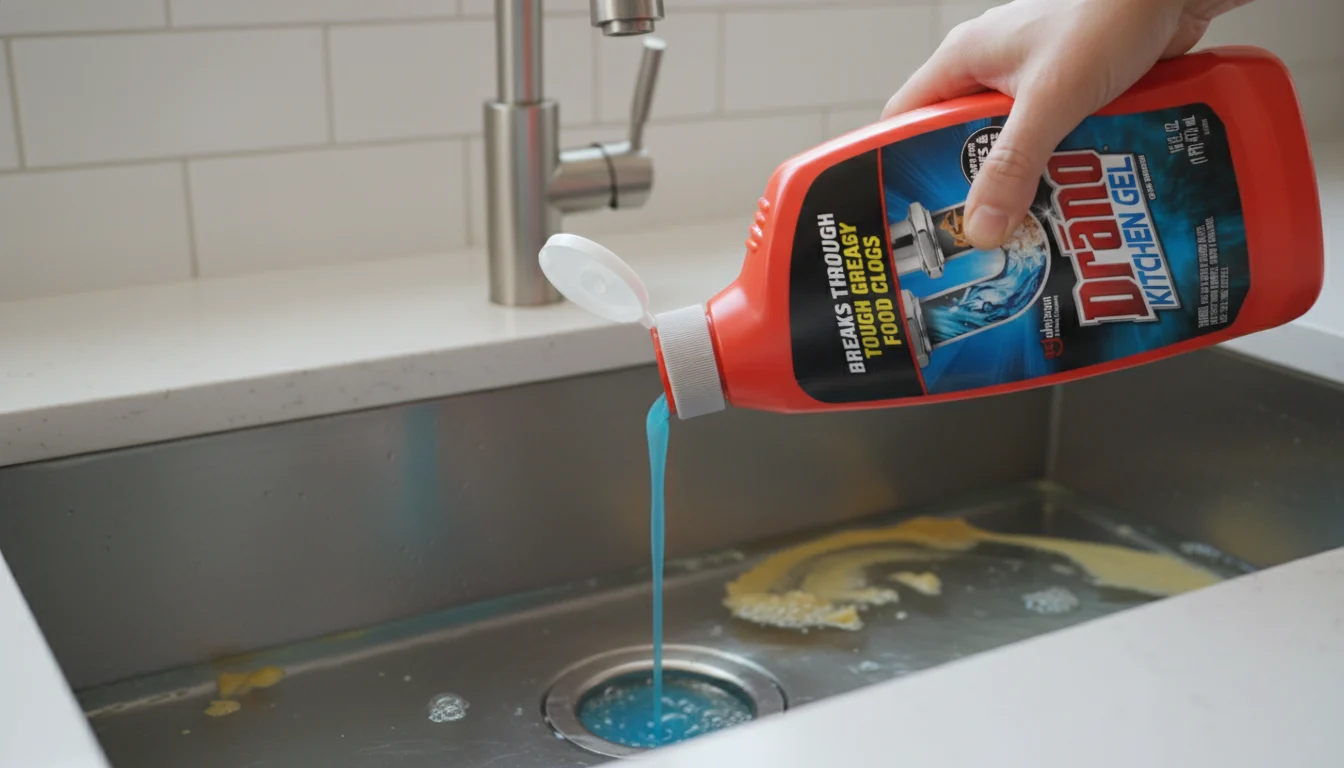
When you pour Drano down the drain, the chemicals start to break down the clog. They work by either heating up and melting grease or by reacting chemically with the clog material to break it into smaller, more soluble pieces. This process can take some time, usually from 15 minutes to several hours, depending on the severity of the clog and the specific Drano product used.
After the Drano has had time to work, you flush the drain with hot water. The hot water helps to wash away the dissolved clog remnants and any remaining Drano. If the clog is not completely removed, a second application might be needed.
However, it’s important to follow the product instructions carefully to avoid damage.
When Drano is a Good Option
Drano can be a good option for certain types of kitchen sink clogs. It works best on clogs caused by grease, soap scum, and minor food debris. These are the most common culprits for slow-draining kitchen sinks.
If your sink is draining slowly but not completely blocked, Drano might be able to clear it.
It’s also a quick and easy solution for minor clogs. You don’t need any special tools or plumbing knowledge to use it. For a beginner, this convenience is a big plus.
It can save you time and effort compared to more manual methods.
The different Drano products offer varying strengths. For instance, Drano Max Gel Clog Remover is designed to work on tougher clogs. It’s thicker, so it coats the pipes and the clog more effectively.
Always choose a product suited for kitchen sinks and read the label carefully for its intended use.
When to Be Cautious with Drano
While Drano can be effective, there are situations where using it might not be the best idea, or where caution is absolutely necessary. One major concern is the potential for pipe damage. Drano is a strong chemical.
If your pipes are old or made of certain materials like aluminum or plastic that is not rated for chemical cleaners, the chemicals can corrode or weaken them over time. This can lead to leaks or even burst pipes.
Another important consideration is safety. Drano fumes can be harmful if inhaled in poorly ventilated areas. The chemicals can also cause severe burns on skin and eyes.
Always wear rubber gloves and eye protection when handling Drano. Never mix Drano with other cleaning products, especially ammonia or other drain cleaners, as this can create dangerous toxic gases.
Drano is also not effective on all types of clogs. If the clog is caused by a solid object lodged in the pipe, like a piece of cutlery or a stubborn bit of food waste that has hardened, Drano chemicals might not be able to break it down. In these cases, using Drano might just sit on top of the clog without doing anything.
It could even make the problem worse by adding liquid to an already blocked pipe.
Frequent use of Drano can also be problematic. Over time, the chemicals can build up residue in your pipes, which can contribute to future clogs. It’s generally recommended to use Drano only when necessary and to consider alternative methods for regular maintenance.
Alternative Solutions for Kitchen Sink Clogs
If you’re hesitant to use chemical drain cleaners or if Drano doesn’t seem like the right fit, there are several effective alternatives. These methods are often safer for your pipes and the environment.
Plunger Power
A good old-fashioned plunger is a fantastic tool for kitchen sink clogs.
- Fill the sink with a few inches of hot water.
- Make sure the plunger cup completely covers the drain opening.
- Create a tight seal.
- Pump the plunger up and down vigorously for about 20 seconds.
- Remove the plunger quickly to break the seal.
- Repeat if necessary.
The suction and pressure created by the plunger can dislodge many common clogs.
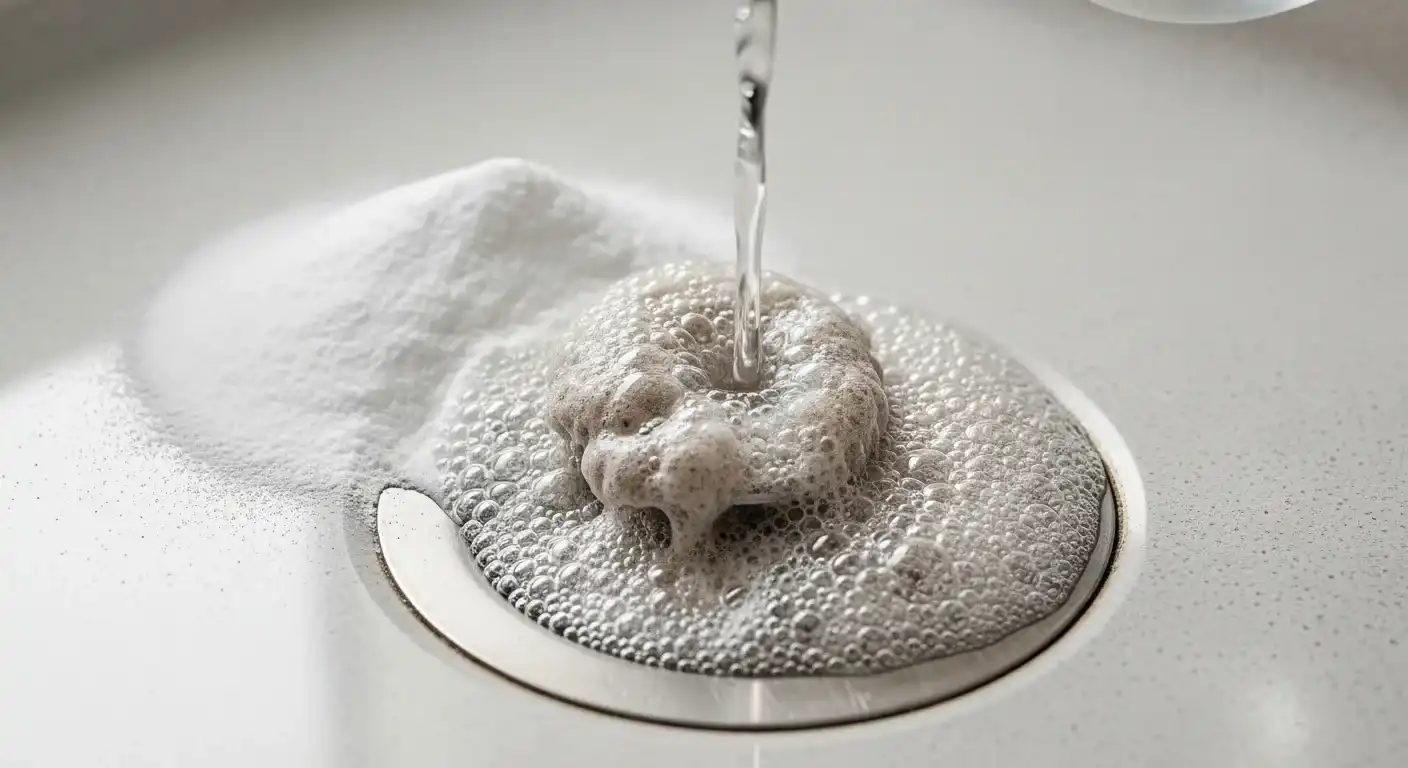
The Baking Soda and Vinegar Trick
This is a classic DIY method that is gentle and effective for minor clogs.
- Pour about half a cup of baking soda down the drain.
- Follow it with about a cup of white vinegar.
- The mixture will fizz and bubble.
- Let it sit for about 15-30 minutes.
- Flush the drain with hot water.
The reaction helps to break down grease and grime.
Hot Water Flush
For clogs caused by grease, a simple flush of very hot water can sometimes do the trick.
- Boil a pot of water.
- Carefully pour the hot water slowly down the drain.
- Let it sit for a few minutes, then run the tap water to see if it drains better.
Be cautious if you have PVC pipes, as excessively hot water can sometimes affect them. However, for most typical kitchen sink plumbing, this is safe and effective for greasy blockages.
The Drain Snake or Auger
For tougher clogs, a drain snake (also called a plumber’s auger) is a mechanical tool that can reach deeper into the pipes.
- Insert the snake into the drain opening.
- Feed the cable into the pipe until you feel resistance, indicating the clog.
- Turn the handle of the snake to either break up the clog or hook onto it so you can pull it out.
This is a more hands-on approach but is very effective for removing solid obstructions.
Using Drano Safely and Effectively
If you decide that Drano is the best option for your kitchen sink, following these steps will help ensure safety and effectiveness.
Read the Label
This is the most crucial step. Every Drano product is different. The label will tell you exactly what type of clogs it is designed for, how much to use, how long to let it sit, and specific safety precautions.
Do not skip this.
Ventilation is Key
Always use Drano in a well-ventilated area. Open windows and turn on exhaust fans. This helps to prevent the buildup of fumes.
Protective Gear
Wear rubber gloves and eye protection. These chemicals can irritate or burn your skin and eyes. Long sleeves and pants are also a good idea.
Measure Carefully
Use the amount of Drano recommended on the label. Using too much does not necessarily make it work faster or better, but it can increase the risk of pipe damage and safety hazards.
Pour Slowly and Carefully
Pour the Drano slowly into the drain opening. Avoid splashing it on yourself or surrounding surfaces.
Wait the Recommended Time
Let the Drano sit in the pipe for the duration specified on the product label. Rushing this step might mean the clog isn’t fully broken down.
Flush Thoroughly
After the waiting period, flush the drain with plenty of hot water. This washes away the dissolved clog and any remaining cleaner.
Never Mix
As mentioned before, never mix Drano with other drain cleaners or household chemicals. This is extremely dangerous. If Drano didn’t work, do not pour another chemical cleaner down the drain.
It’s better to try a mechanical method or call a plumber.
When to Call a Professional
There are times when DIY solutions, including Drano, are not enough. If you’ve tried Drano and other methods without success, it’s time to call a plumber. Persistent clogs, or clogs that return frequently, could indicate a larger problem further down the drainpipe or in your home’s main sewer line.
Also, if you are unsure about the cause of the clog, or if you have older plumbing that you’re worried about damaging, it’s always best to seek professional help. A plumber has the tools and expertise to diagnose and fix the problem without risking further damage.
Frequently Asked Questions
Question: Can I use Drano in a garbage disposal?
Answer: It’s generally not recommended to use Drano in a garbage disposal. The chemicals can damage the disposal’s components and blades. It’s better to use mechanical methods like plunging or a snake for disposal clogs.
Question: How often can I use Drano for maintenance?
Answer: Drano is designed for clogs, not regular maintenance. Using it too often can harm your pipes. For maintenance, try hot water flushes, baking soda and vinegar, or mechanical cleaning.
Question: What if Drano doesn’t work on my kitchen sink?
Answer: If Drano doesn’t work, do not use another chemical product. Try a plunger, drain snake, or call a plumber. The clog might be too severe or caused by something Drano can’t dissolve.
Question: Is Drano safe for all pipe types?
Answer: Drano is not safe for all pipe types. It can damage old metal pipes, aluminum, and some plastics. Always check your pipe material and the Drano product label for compatibility.
Question: How long should I wait before repeating a Drano treatment?
Answer: If the first application doesn’t fully clear the clog, wait at least 24 hours before attempting a second treatment. This gives your pipes time to recover and reduces the risk of damage from repeated chemical exposure.
Final Thoughts
Drano can work on common kitchen sink clogs caused by grease and food. It’s a convenient option for beginners facing minor blockages. Always follow product instructions closely for safety and effectiveness.
If the clog persists or you have concerns about your pipes, consider safer alternatives or call a professional plumber.

I’m Loretta Evans, and I lead the Rice Cooker and Kitchen Tools section. I test every product in real home kitchens to see how it truly performs in everyday use.
My goal is simple: to give you clear, honest advice so you can choose reliable tools that make cooking easier.