Wondering if your kitchen sink needs a vent is a common question, especially for folks who are new to plumbing or home improvement. It can seem a little tricky to figure out, but don’t worry. This post breaks it all down super simply.
We’ll go step-by-step so you can easily see if your kitchen sink needs a vent and why it’s important. Get ready for clear answers and an easy guide!
Why Your Kitchen Sink Needs A Vent
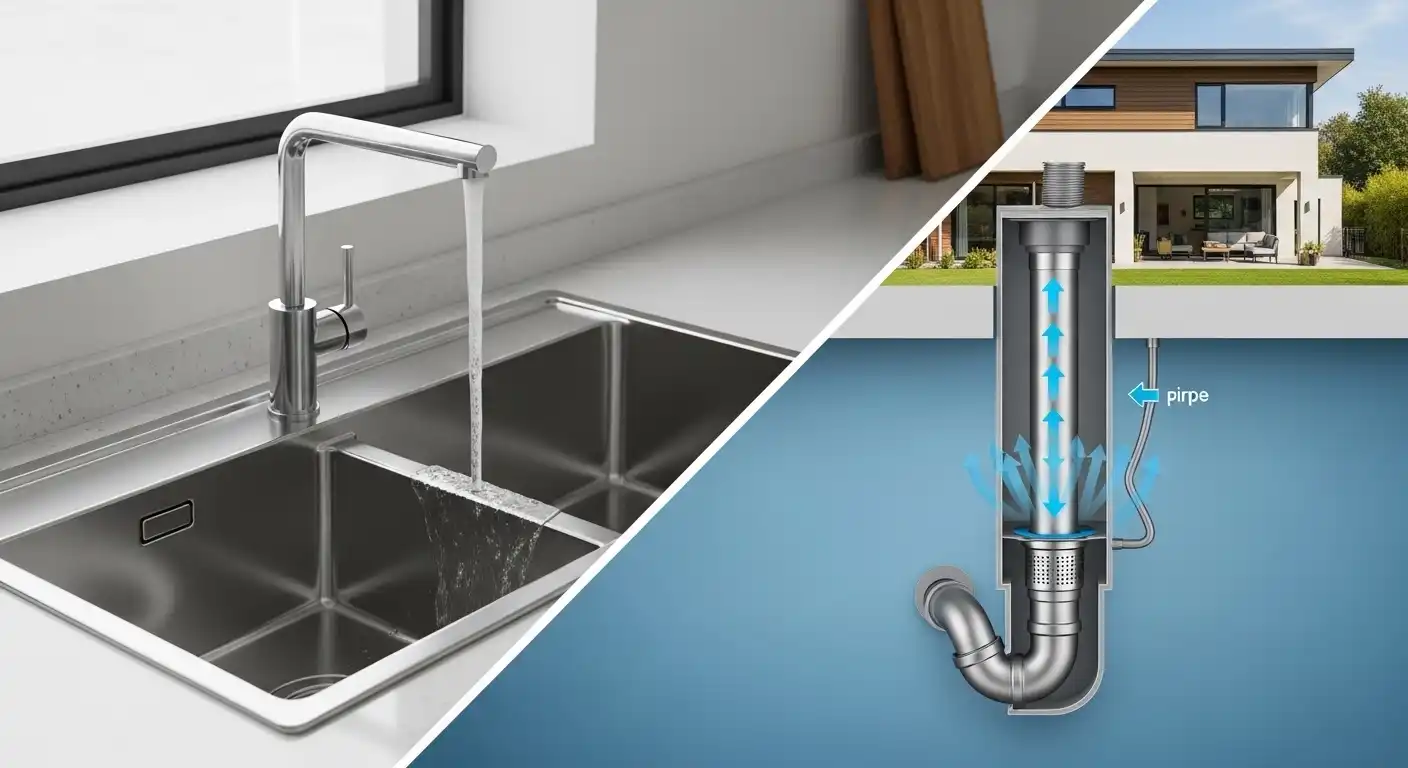
A vent pipe in your plumbing system is like a breath of fresh air for your drains. Without it, things can get messy and smelly. When water goes down your drain, it pushes air out of the pipes.
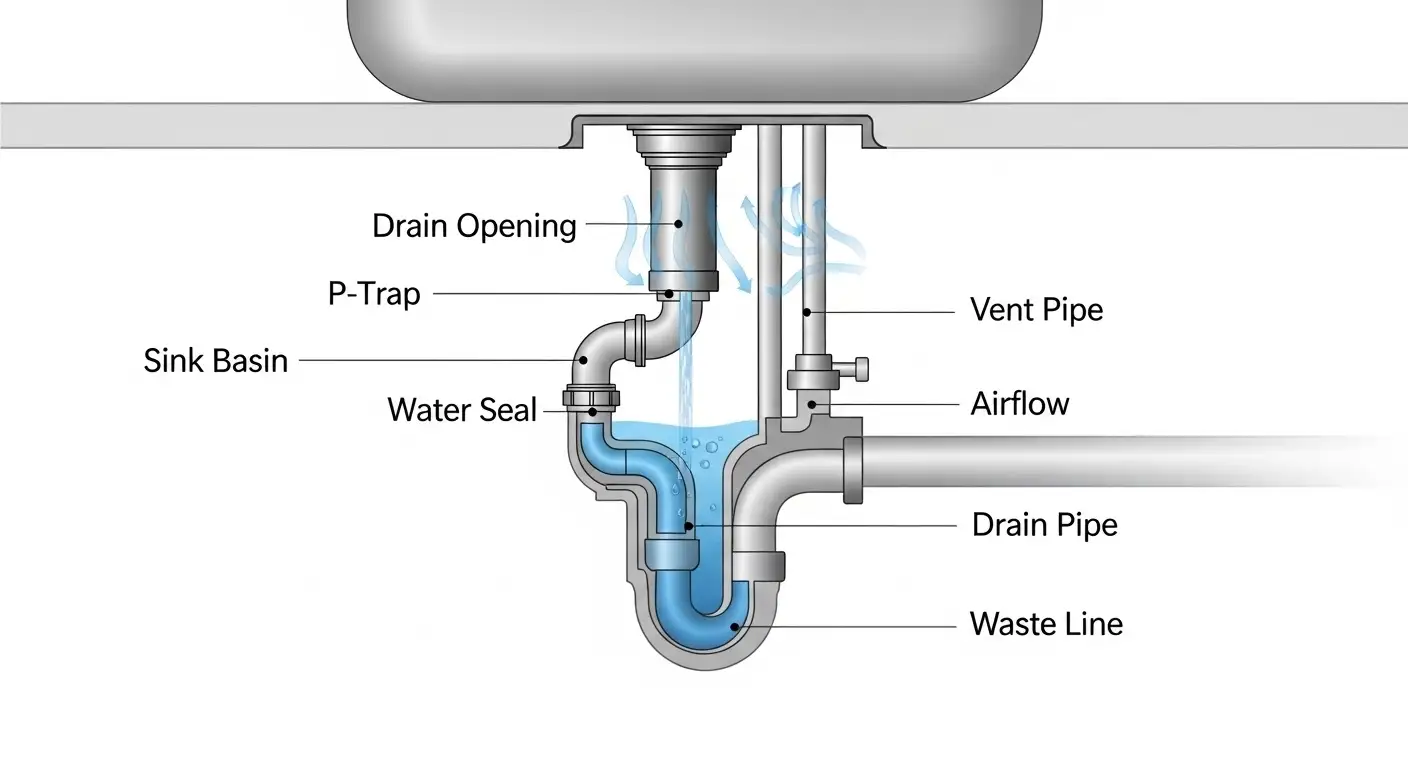
If there’s no vent, this can create a vacuum. This vacuum can suck the water right out of the P-trap under your sink. The P-trap holds water to block sewer gases from coming into your home.
When that water is gone, those yucky smells can get into your kitchen.
Does Kitchen Sink Need A Vent, then? Yes, in most cases, it absolutely does. It’s not just about preventing smells; it helps your drains work properly.
When air can get into the pipes, water flows down smoothly. It prevents gurgling noises and slow drains. Think of it as an important part of keeping your kitchen healthy and clean.
How Plumbing Vents Work
Plumbing vents are a clever part of your home’s drainage system. They are pipes that connect to your drain pipes and run up to the outside of your house, usually through the roof. Their main job is to let air into the drain system.
This is important for two big reasons.
1. Preventing Siphonage
When you pour a lot of water down the drain, it rushes through the pipes. This fast-moving water can create a low-pressure area, or a vacuum, behind it. If this vacuum is strong enough, it can actually suck the water out of the P-trap.
The P-trap is the U-shaped pipe under your sink that holds water. This water is like a seal, stopping bad smells from your sewer or septic tank from coming up into your home. If the P-trap dries out, those foul odors will enter your kitchen.
A vent pipe provides a way for air to enter the drainpipe and break this vacuum. When the water flows, air can come in through the vent. This keeps the pressure balanced.
So, the water in your P-trap stays put, keeping those sewer gases out of your house.
2. Allowing Air Out
When water is draining, it needs air to be able to escape. Imagine trying to pour liquid out of a bottle with no way for air to get in. It glugs and dribbles.
Your drains work a bit like that. The vent pipe allows air that is being pushed out by the water to escape easily. This helps the water flow down the drain quickly and without making weird gurgling noises.
If your drains are gurgling, it’s often a sign that they aren’t venting properly. The air can’t get out fast enough, so it tries to escape through the water in the P-trap, causing those bubbles and sounds.
Signs Your Kitchen Sink Might Need A Vent
Sometimes, your plumbing will tell you it’s not happy. Pay attention to what your drains are doing. Here are some signs that your kitchen sink might not have a proper vent or the vent might be blocked:
- Slow Drains: If water takes a long time to drain from your sink, it could be a venting issue.
- Gurgling Sounds: When you use your sink, toilet, or shower, and you hear gurgling from another drain, it’s a classic sign of a venting problem.
- Foul Odors: If you notice sewer smells coming from your sink drain, especially after water has run, the P-trap might be siphoning dry because of a lack of ventilation.
- Water Not Draining Completely: You might notice standing water in the sink that doesn’t go away quickly.
Different Types of Plumbing Vents
Plumbing vents are not all the same. They work together to keep your whole house’s drainage system functioning well. The most common types you might encounter are:
1. Main Vents
These are the primary vents that connect to your main soil stack (the large vertical pipe that carries waste from toilets and sinks). They run up through the roof and are the most critical for the overall health of your plumbing.
2. Individual Vents
These vents serve specific fixtures, like your kitchen sink. They connect to the drain pipe of that fixture and then tie into the main vent system. An individual vent for your kitchen sink ensures that fixture has its own air supply, preventing issues even if other parts of the system are under load.
3. Vent Stacks
This is essentially another term for the main vent pipe that goes through the roof. It’s a stack of pipes dedicated to venting.
4. Air Admittance Valves (AAVs) or Studor Vents
These are mechanical vents that allow air into the drain system but prevent sewer gases from escaping. They are often used in places where it’s difficult to run a traditional vent pipe through the roof. An AAV can sometimes be installed under a sink to provide local venting.
They are designed to open when negative pressure occurs in the drain and close when pressure is normal. While convenient, they are mechanical and can fail over time.
Does My Kitchen Sink NEED A Vent?
Yes, in almost all standard plumbing setups, your kitchen sink needs a vent. Here’s why:
- Code Requirements: Building codes require proper venting for all plumbing fixtures to ensure safe and sanitary operation.
- Proper Drainage: As discussed, venting allows water to flow freely down the drain without gurgling or backing up.
- Preventing Sewer Gas: The P-trap is your first line of defense against sewer gases. A vent ensures the P-trap’s water seal remains intact.
- Preventing Siphonage: Without a vent, the P-trap can be emptied, allowing gases into your home.
The only situations where a single sink might not technically need a separate vent are in very unusual or temporary setups, or where a modern air admittance valve is properly installed to serve that specific fixture. However, for a typical residential kitchen sink connected to a standard plumbing system, venting is essential.
What Happens If My Kitchen Sink Isn’t Vented?
If your kitchen sink is not vented correctly, you’re likely to experience the problems we’ve talked about. These can include:
- Persistent Odors: You’ll keep smelling sewer gases, especially when you run the water or after a toilet has flushed elsewhere in the house.
- Slow Draining: Water will sit in the sink for longer than it should.
- Gurgling Sounds: You’ll hear those unpleasant noises coming from the drain.
- Plumbing System Stress: Over time, lack of proper venting can put stress on your entire plumbing system, potentially leading to more serious issues.
Think of the vent as the lungs of your plumbing. Without them, it can’t breathe properly!
Common Plumbing Vent Locations and How They Work
Plumbing vents are cleverly hidden, but they are crucial. They are part of your home’s drainage system. Here’s a look at where you might find them and what they do:
The Roof Vent
The most visible part of the vent system is the pipe that sticks up through your roof. This is often called a vent stack or main vent. It’s connected to your main drain lines and allows air to enter the system and sewer gases to escape to the outside.
You might see one or more of these pipes on your roof, depending on your home’s layout.
Venting Under the Sink
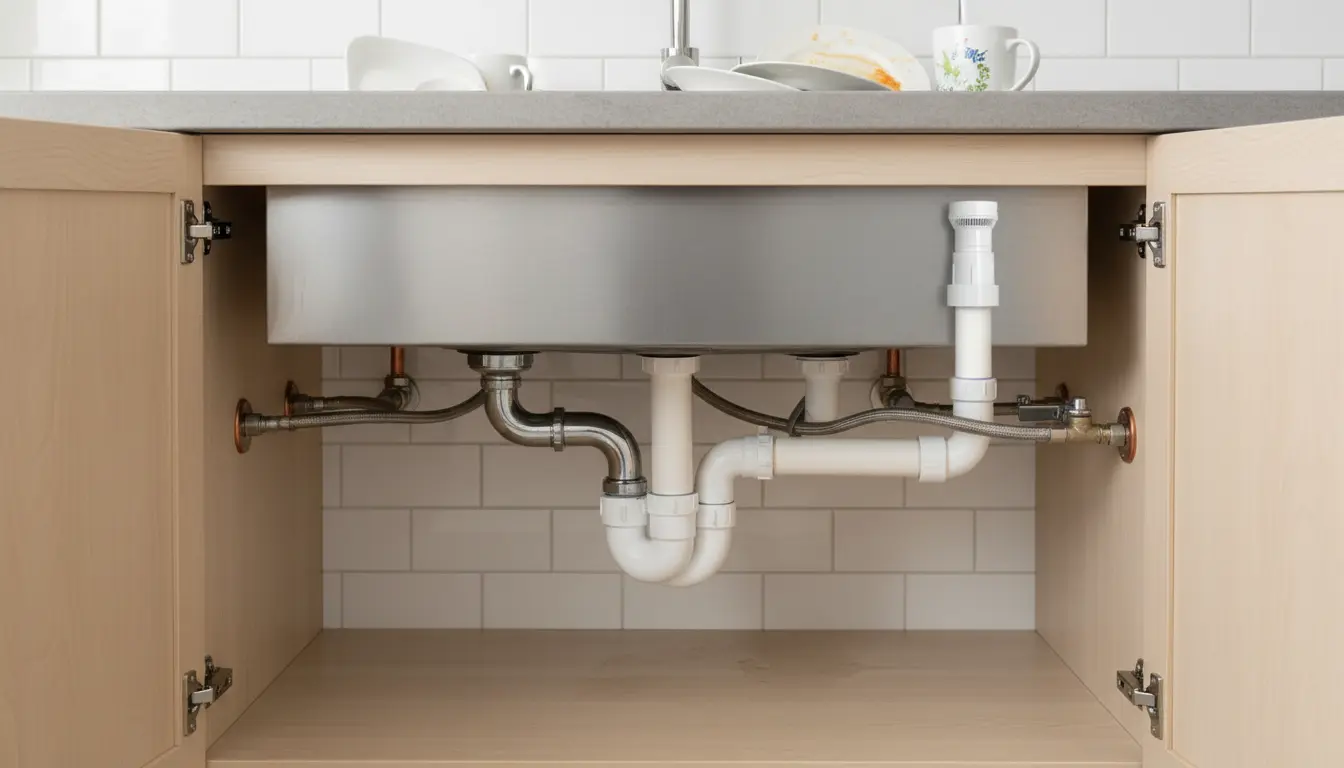
Sometimes, the vent pipe for a specific fixture like your kitchen sink might not run all the way to the roof individually. Instead, it connects to the main vent system. In older homes, you might find vent pipes running up the wall behind your sink.
In more modern construction, or when adding a new fixture, an Air Admittance Valve (AAV) might be installed under the sink. This valve acts as a one-way door for air, letting it in but not out, and is a smart way to vent without running a pipe through the roof.
The P-Trap’s Role
While not a vent itself, the P-trap works hand-in-hand with the vent. The U-shape of the P-trap is designed to hold a small amount of water. This water creates a barrier, preventing sewer gases from traveling up the drainpipe into your home.
The vent ensures that when water flows down the drain, the P-trap doesn’t get siphoned dry. This keeps the water seal in place, and the vent lets air in to balance the pressure.
Branch Vents
These are smaller vent pipes that connect to individual fixture drains and then join up with the main vent system. For instance, your kitchen sink might have a branch vent that connects to its drainpipe. This branch vent then connects to a larger vent pipe, which eventually leads up to the roof.
Common Issues with Kitchen Sink Vents
Even the best plumbing systems can have problems. Vent pipes, especially those that run through the roof, can sometimes get blocked or damaged. Here are some common issues:
- Leaves and Debris: Birds often build nests in roof vents, and leaves, twigs, and other debris can get blown in. This blockage prevents air from entering or leaving the system.
- Ice Dams: In colder climates, ice can form around the vent opening on the roof, blocking airflow.
- Damage: Vent pipes can be damaged by storms, falling branches, or even walked on if they aren’t properly protected.
- Pipe Leaks: Sometimes, the pipes themselves can develop small leaks, especially at joints.
- AAV Failure: If you have an air admittance valve, it can wear out over time and stop functioning correctly.
If you suspect a blockage, you might notice multiple drains in your home acting up, not just your kitchen sink. This suggests a problem with a main vent pipe.
Checking Your Kitchen Sink Vent System
It’s not always easy to check your vent pipes, especially the ones on the roof. However, you can do some basic checks:
- Look for Blockages: If you can safely access your roof, check the vent pipes for any obvious blockages like nests or debris. Use a flashlight to look down into the pipe.
- Listen for Gurgling: Run water in your sink and listen carefully. If you hear gurgling, it’s a strong indicator that the vent isn’t working properly.
- Smell for Odors: If you notice sewer smells, especially after using the sink or flushing a toilet, the P-trap might be siphoning.
- Check AAVs: If you have an air admittance valve under your sink, inspect it for visible damage or listen for clicking sounds (which can indicate it’s opening and closing). Some AAVs have a lifespan and might need replacement.
If you’re not comfortable working on your roof or suspect a significant plumbing issue, it’s always best to call a qualified plumber. They have the tools and expertise to diagnose and fix vent problems safely.
When to Call a Professional
While some plumbing issues can be DIY friendly, vent problems can be a bit trickier. You should definitely call a plumber if:
- You can’t safely access your roof vents.
- You suspect a blockage deep within the vent pipe.
- You have persistent sewer odors that you can’t get rid of.
- Multiple drains in your house are experiencing problems.
- You see signs of water damage or leaks around your pipes.
- You have an air admittance valve that you believe has failed.
A plumber can use specialized equipment, like drain cameras, to find blockages or diagnose issues within your vent system. They can also ensure that any repairs or installations meet local building codes.
Frequently Asked Questions
Question: Do all sinks need a vent?
Answer: In most residential plumbing systems, yes, all sinks need a vent to function correctly. This is to prevent siphonage of the P-trap and allow for smooth drainage.
Question: What happens if my kitchen sink vent is blocked?
Answer: A blocked vent can lead to slow drains, gurgling sounds, and foul sewer odors entering your kitchen because the P-trap’s water seal can be siphoned away.
Question: Can I just install an air admittance valve instead of a roof vent?
Answer: An air admittance valve (AAV) can be used to vent individual fixtures, including a kitchen sink, especially when running a traditional vent pipe to the roof is difficult. However, it’s important that it’s installed correctly and is a code-approved solution for your area.
Question: How often should plumbing vents be checked?
Answer: There’s no strict schedule, but it’s a good idea to visually inspect your roof vents periodically for obvious blockages like nests or debris, especially after severe weather. If you notice plumbing issues, check the vents.
Question: What are the signs of a bad vent pipe?
Answer: Signs include slow draining, gurgling noises from drains, and persistent sewer smells, particularly when water is used in the sink or elsewhere in the house.
Final Thoughts
So, does your kitchen sink need a vent? For virtually all homes, the answer is a resounding yes. Proper venting is a quiet hero in your plumbing system.
It keeps sewer gases out, water flowing smoothly, and prevents those annoying gurgles and smells. Without it, your drains won’t work right, and your kitchen can become unpleasant. Always check for signs like slow drains or odors, and if in doubt, a plumber can help ensure your system is venting like it should.
Keeping your drains healthy means a healthier, happier home.