Many people wonder about their kitchen sink plumbing. A common question is: does kitchen sink need P trap? This might seem a little tricky if you are new to home repairs.
But do not worry! We will make it very easy to understand. We will show you why it is important and what it does.
Get ready for clear steps and simple ideas.
Why Your Kitchen Sink Needs A P Trap
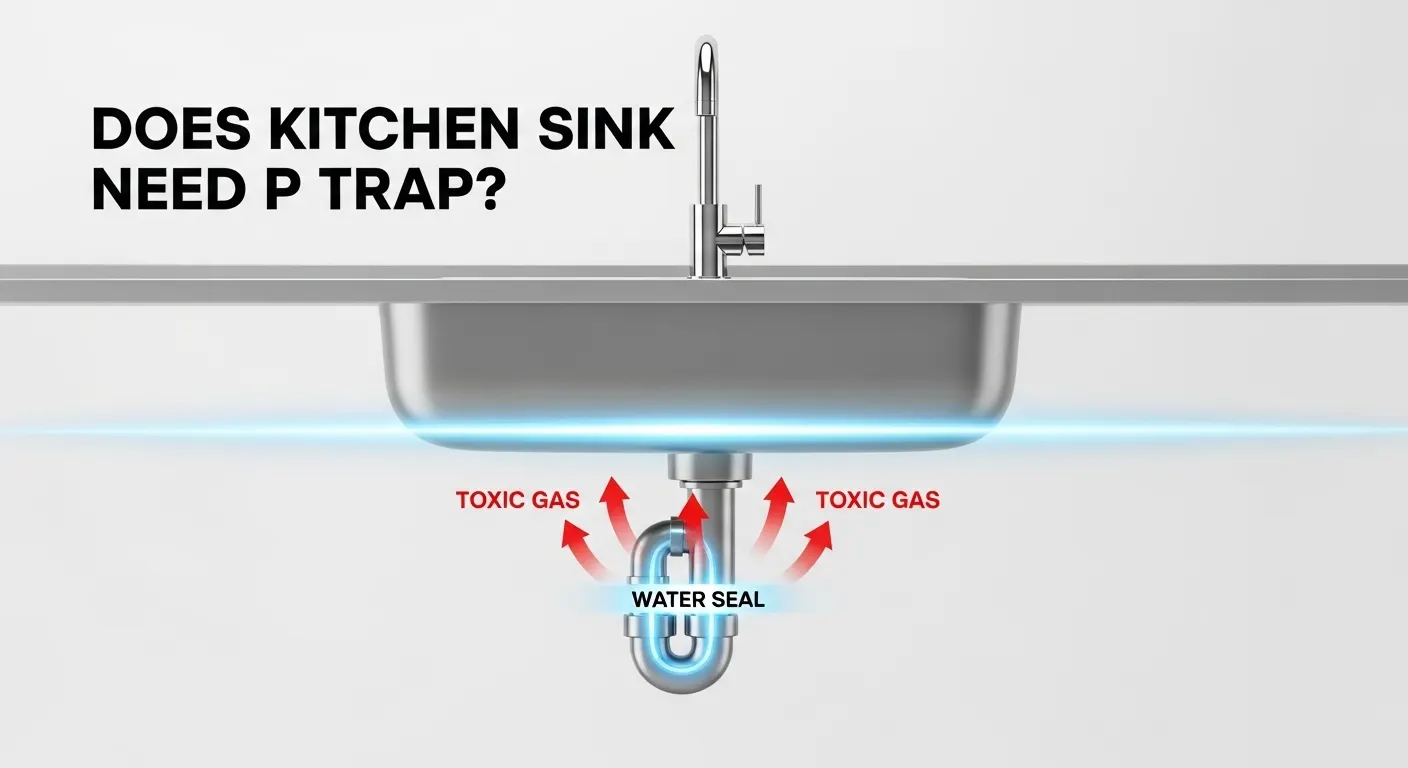
So, does kitchen sink need p trap? The short answer is yes, absolutely. A P trap is a very important part of your sink’s plumbing system.
It looks like a curved pipe, sort of like the letter ‘P’ turned sideways. This shape is not just for looks. It serves a really big purpose in keeping your home healthy and smelling good.
Think about what happens when you use your sink. Water goes down the drain, right? But along with that water, there can be other things.
Food scraps, grease, soap scum, and all sorts of gunk can go down there. Without a P trap, all of that stuff could just go straight into your pipes and then out into your sewer system. That sounds okay, but there is a problem.
The problem is sewer gases. These are the natural gases produced by waste in the sewer system. They can be smelly and even harmful.
If there is no barrier in your pipes, these gases can travel back up through your drain and into your kitchen. That is why you often smell bad odors coming from a sink that does not have a proper trap.
How A P Trap Works Its Magic
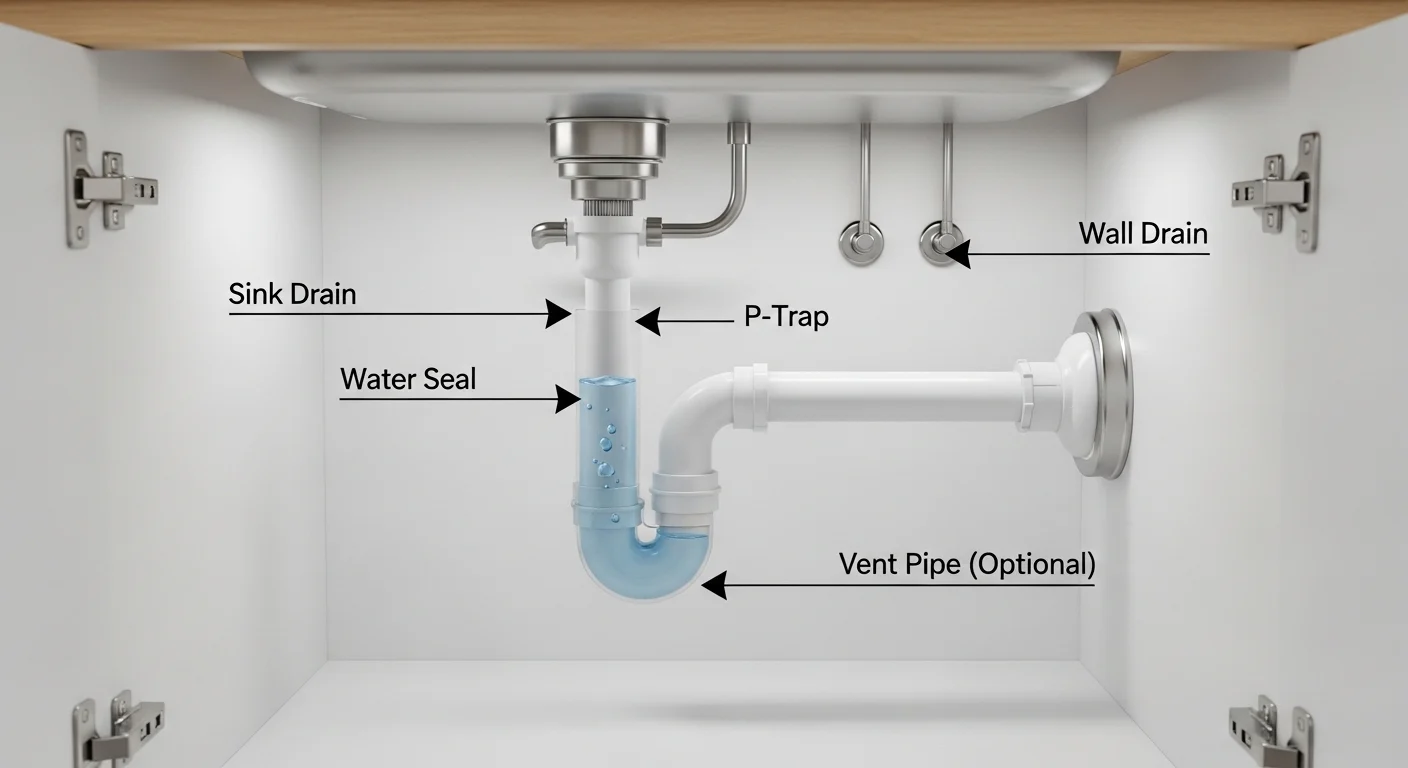
The P trap works by holding a small amount of water in its curve. This water acts as a seal. When you run water in your sink, the trap fills up.
When the water level is right, it blocks the path for those nasty sewer gases. The gases cannot pass through the water. So, they stay in the sewer pipes where they belong.
This water seal is a simple but brilliant idea. It is a physical barrier that stops smells and also stops pests like insects from coming up through your drains. Imagine a tiny mosquito trying to fly up your sink drain.
The water in the P trap stops it. This is a key reason why does kitchen sink need p trap is a question with a clear ‘yes’ answer for hygiene and comfort.
When you use your sink, the fresh water you run washes away old water and any debris that might have been stuck. This keeps the trap clean and working well. If you do not use a sink for a long time, the water in the trap can evaporate.
This can lead to those sewer smells returning. That is why it is a good idea to run water in sinks that are not used often, especially ones in guest bathrooms or basements.
Common Sink Drain Components
When you look under your kitchen sink, you will see several parts connected to your drain. Understanding these parts helps you see where the P trap fits in and why it is there.
- Drain Flange: This is the part you see in the sink basin. It is usually a metal ring with holes.
- Tailpiece: This is a straight pipe that connects the drain flange to the P trap.
- P Trap: This is the curved section of pipe that holds water.
- Trap Arm: This is the horizontal pipe that connects the P trap to the main drain line.
- Shut-off Valves: These are usually found near the sink and control the water supply to the faucet.
The P trap is always located between the tailpiece and the trap arm. Its specific shape is crucial for its function. Different types of traps exist, but the basic principle of holding water remains the same.
This is fundamental to why does kitchen sink need p trap and other fixtures.
Types Of P Traps
Most kitchen sinks use a standard P trap. However, there are a few variations you might encounter:
- Plastic P Traps: These are very common, affordable, and easy to install. They are made of PVC or ABS plastic.
- Metal P Traps: These are typically made of brass or stainless steel. They are more durable and can look more aesthetically pleasing in some setups.
- Deep Seal P Traps: These hold a bit more water than standard traps. They are useful in areas where sinks might not be used frequently, as they are less likely to dry out.
No matter the material or specific design, the core job of the P trap is to create that water seal. This directly answers the question: does kitchen sink need p trap? Yes, and the type of trap used can sometimes depend on local building codes or personal preference for durability and appearance.
The Plumbing Code And P Traps
Plumbing codes are set of rules that ensure plumbing systems are safe, healthy, and work correctly. These codes are developed by experts and are usually adopted by local governments. The question of “does kitchen sink need p trap” is covered by these codes for good reason.
Building codes universally require a P trap for all fixtures that connect to the sewer system, including kitchen sinks, bathroom sinks, showers, and toilets. The main reason for this requirement is to prevent sewer gases from entering your home. These gases are not just unpleasant; they can contain harmful bacteria and can even be explosive in high concentrations.
Codes also specify the proper design and installation of P traps. For example, they dictate the minimum and maximum depth of the water seal. They also outline how the trap should be connected to the drainage system to ensure proper flow and prevent blockages.
Using the wrong type of trap or installing it incorrectly could lead to issues that violate plumbing codes.
When you are doing any plumbing work, it is always a good idea to be aware of your local building codes. While this article explains why does kitchen sink need p trap, a professional plumber can ensure your installation meets all requirements. This way, you avoid potential problems down the line, like failing inspections or having to redo the work.
What Happens Without A P Trap
If a kitchen sink is installed without a P trap, several problems can arise:
- Unpleasant Odors: This is the most immediate and noticeable issue. Sewer gases will flow freely up the drainpipe into your kitchen, causing a constant bad smell.
- Pest Infestations: Without the water seal, insects and even small rodents can travel up the drainpipe and into your home.
- Health Concerns: Sewer gases can contain harmful compounds like methane and hydrogen sulfide. Prolonged exposure can lead to headaches, nausea, and other health problems.
- Drainage Issues: While less common, a lack of a properly designed trap can sometimes affect the way water drains, although the primary role is gas prevention.
The P trap is a simple device, but its role is vital. It is a fundamental piece of a safe and functional plumbing system. This is why the question of does kitchen sink need p trap always results in a definitive yes.
DIY Installation Or Professional Help
For many homeowners, the question of “does kitchen sink need p trap” leads to thinking about installation. If you are replacing an old trap or installing a new sink, you might consider doing it yourself.
Installing or replacing a P trap is generally considered a manageable DIY project for someone with basic plumbing skills. The parts are readily available at hardware stores, and they often come with simple instructions. You will typically need a few basic tools like a pipe wrench or channel locks.
When you are working with a new installation, ensure the pipe lengths and angles are correct. You want the trap to sit level and connect securely to both the sink’s tailpiece and the main drain line. Making sure all connections are tight is key to preventing leaks.
However, if you are unsure about any part of the process, or if you are dealing with older or unusual plumbing, it is always best to call a professional plumber. They have the expertise to ensure the job is done correctly and up to code. This peace of mind is invaluable, especially when dealing with a critical component like the P trap, which directly impacts your home’s safety and comfort.
Remember, a properly installed P trap is crucial. It is the barrier against unpleasant smells and potential health hazards. So, if you ever question “does kitchen sink need p trap,” know that it is an essential part of your home’s plumbing.
Getting it right means a healthier, happier home.
Frequently Asked Questions
Question: How often should I clean my kitchen sink’s P trap
Answer: You do not need to clean the P trap itself regularly. Running hot water and dish soap down your sink usually helps keep it clear. If you notice slow draining or bad smells, there might be a clog further down the line, or the trap might need a deeper clean.
Question: What if my sink smells bad and I have a P trap
Answer: If you have a P trap and still smell odors, the water seal might have evaporated from disuse. Try running hot water for a minute or two. If the smell persists, there might be a crack in the trap, a loose connection, or a blockage in the vent pipe.
Question: Can I use a straight pipe instead of a P trap
Answer: No, you cannot. A straight pipe will not hold water and will allow sewer gases to enter your home. This is why the question of “does kitchen sink need p trap” is so important; it is a code requirement for safety and hygiene.
Question: How do I know if my P trap is leaking
Answer: Leaks typically appear as drips or puddles under the sink. Check all the connections. Sometimes, a loose nut or a worn-out washer can cause a leak.
Tightening the connections or replacing worn parts usually fixes the problem.
Question: What is the main job of a P trap
Answer: The main job of a P trap is to hold a small amount of water to create a seal. This seal blocks sewer gases from coming up through the drain and into your kitchen, keeping your home free of unpleasant odors and potential health hazards.
Final Thoughts
The question of does kitchen sink need p trap has a clear and strong answer. Yes, it is an essential plumbing component. The P trap’s curved design holds water, creating a seal that stops harmful and smelly sewer gases from entering your home.
It is a simple but very effective barrier for your health and comfort.

I’m Loretta Evans, and I lead the Rice Cooker and Kitchen Tools section. I test every product in real home kitchens to see how it truly performs in everyday use.
My goal is simple: to give you clear, honest advice so you can choose reliable tools that make cooking easier.