Many people wonder if their rice cooker can help them eat healthier by removing starch. This is a common question, especially for those new to cooking rice or trying to watch their carbohydrate intake. It can seem a bit tricky to figure out.
But don’t worry! We’ll show you a simple way to understand how rice cookers work with starch, and what you can expect. Let’s find out if your rice cooker helps with the starch question.
Key Takeaways
- Rice cookers can reduce the starch content in cooked rice.
- The amount of starch removed depends on the type of rice cooker and its functions.
- Washing rice before cooking also helps remove surface starch.
- Some specialized rice cookers have specific modes for lower starch.
- You can further reduce starch by using a rinse cycle or separate steaming.
Understanding Starch in Rice
Rice is a staple food for many around the world. It’s a good source of energy because it’s rich in carbohydrates, and a big part of that carbohydrate is starch. Starch is what makes rice sticky and gives it its texture.
When you cook rice, some of this starch dissolves into the cooking water.
For people watching their carb intake or who have specific dietary needs, reducing starch is important. This is why the question of whether a rice cooker can help remove starch comes up so often. It’s a natural thought for someone who uses a rice cooker regularly.
The simple answer is yes, rice cookers can help reduce the starch in your rice, but not all rice cookers do it to the same extent, and it’s not their primary function.
How Rice Cookers Handle Starch
Most standard rice cookers work by boiling water with the rice. As the rice cooks, it absorbs water and releases starch. This starch then mixes with the water in the bottom of the pot.
When the cooking cycle is finished, the rice is served, and the starchy water is left behind.
This process inherently removes some starch from the rice. Think of it like rinsing something – the water carries away what you’re trying to remove. So, even a basic rice cooker offers a bit of starch reduction compared to cooking rice in a pot where all the starchy water might be absorbed or reabsorbed.
Specialized Rice Cookers for Lower Starch
There’s a growing demand for healthier cooking options, and this has led to the development of special rice cookers designed to lower starch content even further. These are often marketed as “low-carb” or “healthy” rice cookers.
These advanced rice cookers usually have unique features. One common feature is a separate steaming basket or a double-layered pot system. The rice cooks in the bottom, but the steam rises to cook the rice above.
The starch that is released from the rice drips down into the bottom chamber, away from the rice being cooked. This means less starch is absorbed back into the grains.
Another function found in some of these specialized cookers is a “rinse” or “starch removal” cycle. This cycle uses extra water to wash away loose starch before the main cooking begins. It’s like giving the rice a pre-wash, similar to how you might rinse rice by hand.
The Role of Washing Rice
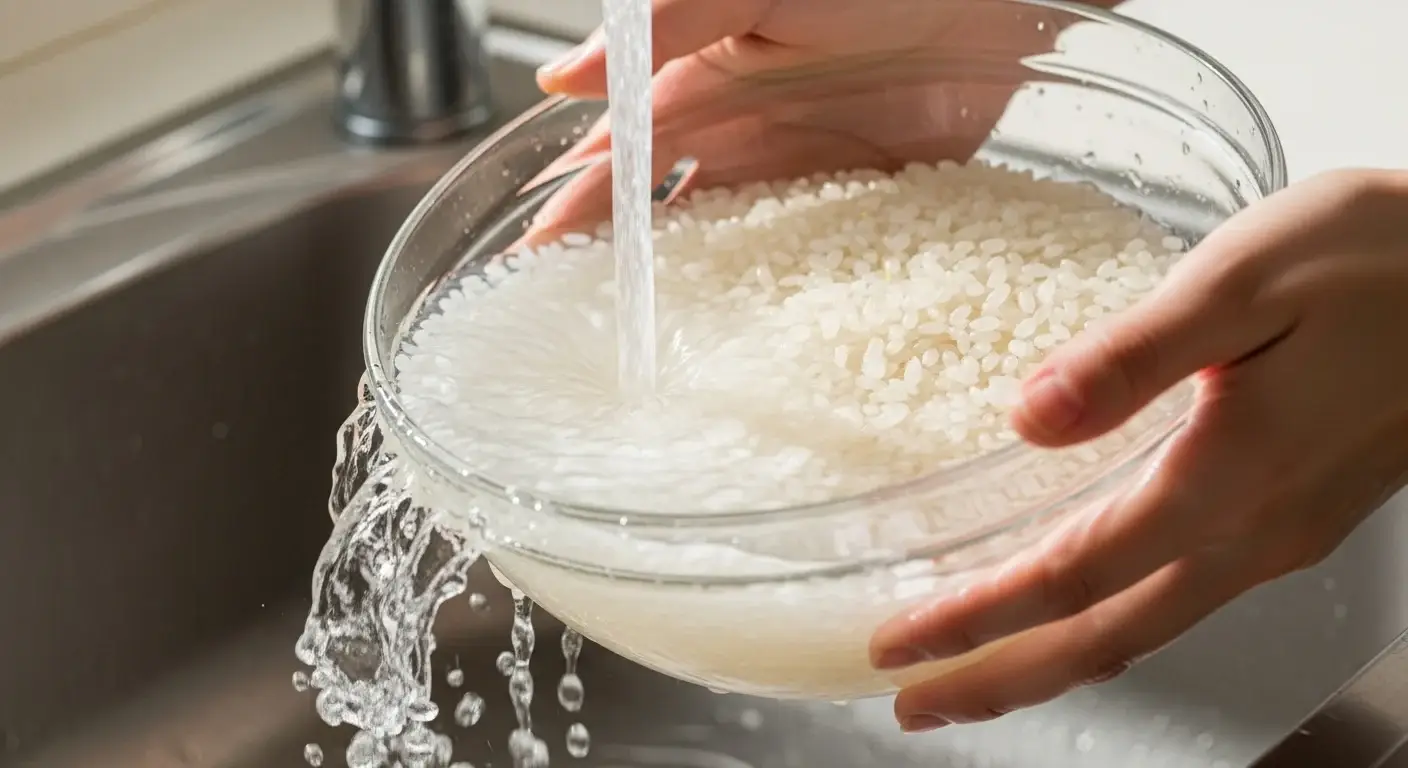
Before we even talk about rice cookers, it’s important to know that washing rice yourself can also significantly reduce its starch content. Most people don’t wash their rice, but it’s a simple step that makes a difference.
When you rinse rice under cold water, you are washing away the surface starch that gives rice its stickiness. You’ll see the water turn cloudy as the starch washes off. Continue rinsing until the water runs mostly clear.
This step, done before putting the rice in the cooker, can remove a good amount of starch.
So, even if you have a basic rice cooker, combining it with thorough rice washing can give you a healthier bowl of rice.
Comparing Starch Removal Methods
Let’s look at how different methods stack up:
| Method | Starch Reduction | Ease of Use | Notes |
|---|---|---|---|
| Basic Rice Cooker | Moderate | Very Easy | Removes starch that is released into cooking water. |
| Washing Rice Thoroughly | Significant | Easy | Removes surface starch before cooking. |
| Specialized Low-Starch Rice Cooker | High | Easy | Uses advanced designs like steaming baskets or rinse cycles. |
| Washing Rice + Basic Rice Cooker | High | Easy | Combines manual rinsing with the cooker’s natural starch removal. |
| Washing Rice + Specialized Rice Cooker | Very High | Easy | The most effective way to minimize starch content. |
As you can see, the combination of washing rice by hand and using a rice cooker, especially a specialized one, offers the best results for reducing starch.
Factors Affecting Starch Removal
Several things can influence how much starch your rice cooker removes:
- Type of Rice Cooker: As discussed, specialized low-starch models are designed for better removal.
- Amount of Water Used: Using slightly more water than usual in a basic cooker might help more starch dissolve into the water.
- Rice Grain Type: Different types of rice (like brown rice vs. white rice) have varying starch content and structures, which can affect how much starch is released.
- Rinsing Method: How thoroughly you rinse the rice before cooking matters.
It’s also worth noting that some starch is necessary for rice’s texture and digestibility. The goal is usually reduction, not complete elimination.
How Specialized Rice Cookers Work
Let’s explore the mechanics of low-starch rice cookers in more detail. These appliances are clever in their design.
Steaming Basket Technology
Many low-starch rice cookers feature an inner pot and a separate steaming basket. The rice is placed in the steaming basket, and water is added to the inner pot. When heated, the water boils and creates steam.
This steam rises through the holes in the steaming basket, cooking the rice. The starch that is released from the rice grains drips through the holes in the basket and collects in the water at the bottom, separate from the rice itself.
This method is very effective because the rice is essentially steamed, and the excess starchy water is kept away from the cooking grains. It’s similar to how you might steam vegetables, but adapted for rice.
Rinse and Cook Cycles
Some advanced models have a built-in “rinse” function. This cycle uses a small amount of water to agitate and wash the rice within the cooker itself. After this rinse cycle, the starchy water is often drained (some models have an automatic drain feature, or require manual draining), and then the main cooking process begins with fresh water.
This pre-wash step mimics the manual rinsing process that many people do before cooking, but it’s automated for convenience and consistency.
Double Pot Systems
Another design involves a double pot. The inner pot holds the rice and a specific amount of water for cooking. Below this inner pot is a lower reservoir.
As the rice cooks, starch is released and can drip down into this lower reservoir. The amount of water in the inner cooking pot is carefully controlled to ensure the rice is cooked properly while also allowing for starch separation.
These systems are designed to maximize starch removal without compromising the taste and texture of the cooked rice.
Is it Worth Investing in a Low-Starch Rice Cooker?
Whether you need a specialized low-starch rice cooker depends on your personal needs and priorities.
If you are closely monitoring your carbohydrate intake due to health reasons, such as diabetes management, or if you simply want to reduce starch for general health, then a low-starch rice cooker can be a worthwhile investment. It offers a convenient and consistent way to achieve lower starch levels in your rice.
However, if you are looking for a moderate reduction in starch, a standard rice cooker combined with the simple step of thoroughly washing your rice before cooking can be quite effective. The cost of a specialized cooker is also higher than a basic model. For many people, the benefits of a basic rice cooker plus good rinsing practices are sufficient.
Tips for Reducing Starch in Your Rice
Here are some practical tips to help you reduce starch content in your rice, whether you have a basic or specialized cooker:
- Rinse Your Rice: Always rinse white rice under cold running water until the water runs clear. For brown rice, rinsing is less critical but can still help remove some surface starch.
- Use the Right Amount of Water: Follow the water-to-rice ratio recommended for your rice type and cooker. For a basic cooker, you might experiment with slightly more water to encourage starch to dissolve.
- Consider a Steaming Basket: If your cooker has a steaming function, use it with a separate basket if possible, as this can help separate the rice from the starchy water.
- Empty Starchy Water: If you’re using a standard pot or a cooker where the starchy water is accessible, try to drain off as much of the cloudy water as you can before serving, if feasible without drying out the rice.
- Choose a Specialized Cooker: If starch reduction is a major health goal, invest in a low-starch rice cooker.
The Science Behind Starch Reduction
The starch in rice is primarily amylose and amylopectin. When rice is heated in water, these starches gelatinize, absorbing water and becoming soft. Some of these starch molecules break down and become soluble in water, forming a starchy liquid.
The key to starch reduction is separating the cooked rice from this starchy liquid.
A standard rice cooker does this passively. The starch dissolves in the cooking water, and when the cooking is done, the rice sits above the remaining starchy water. Specialized cookers actively facilitate this separation through steaming or pre-rinsing cycles.
The effectiveness can be measured by the amylose content in the cooked rice. Studies show that methods like steaming or using specific starch-reducing cookers can significantly lower the amylose content, which is directly linked to the starchiness and glycemic impact of the rice.
Frequently Asked Questions
Question: Does washing rice actually remove starch?
Answer: Yes, washing rice thoroughly under cold water helps to remove the surface starch, making the rice less sticky and reducing its overall starch content.
Question: Will any rice cooker reduce starch?
Answer: Yes, all rice cookers will reduce starch to some extent because the starch dissolves into the cooking water, which is then left behind. However, specialized cookers are designed for much greater reduction.
Question: How much starch can a low-starch rice cooker remove?
Answer: Low-starch rice cookers can remove a significant amount of starch, often reducing it by 30-40% or more compared to conventional cooking methods.
Question: Can I use brown rice in a low-starch rice cooker?
Answer: Yes, you can use brown rice. While brown rice has a different starch composition and is generally less starchy than white rice, low-starch cookers can still help reduce its starch content further.
Question: Is it necessary to wash rice for a low-starch rice cooker?
Answer: It is highly recommended to wash rice even when using a low-starch rice cooker. This initial rinse removes surface starch, which complements the cooker’s starch-reducing functions for the best results.
Final Thoughts
Your rice cooker can indeed help reduce the starch in your rice. Basic models do this by leaving starchy water behind. For more starch removal, washing your rice before cooking is a simple yet effective step.
Specialized low-starch rice cookers offer advanced features like steaming baskets and rinse cycles for maximum starch reduction. Combining a good rinsing technique with any rice cooker is a practical way to enjoy healthier rice.

I’m Loretta Evans, and I lead the Rice Cooker and Kitchen Tools section. I test every product in real home kitchens to see how it truly performs in everyday use.
My goal is simple: to give you clear, honest advice so you can choose reliable tools that make cooking easier.