Electric griddles have changed how people cook at home. If you are new to using an electric griddle, the idea might seem simple—just plug in and cook. But to get great results, there are many small details that matter. From choosing the right oil to cleaning tips, this guide will help beginners feel confident every step of the way.
You will also learn a few tricks that most first-timers miss. Cooking should be fun, not stressful, and with these tips, you’ll enjoy using your electric griddle for breakfast, lunch, or dinner.
Understanding Your Electric Griddle
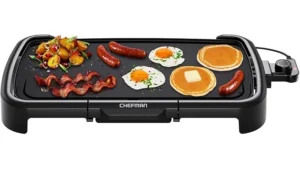
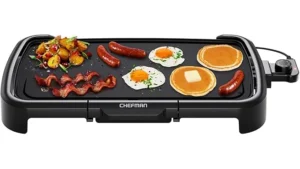
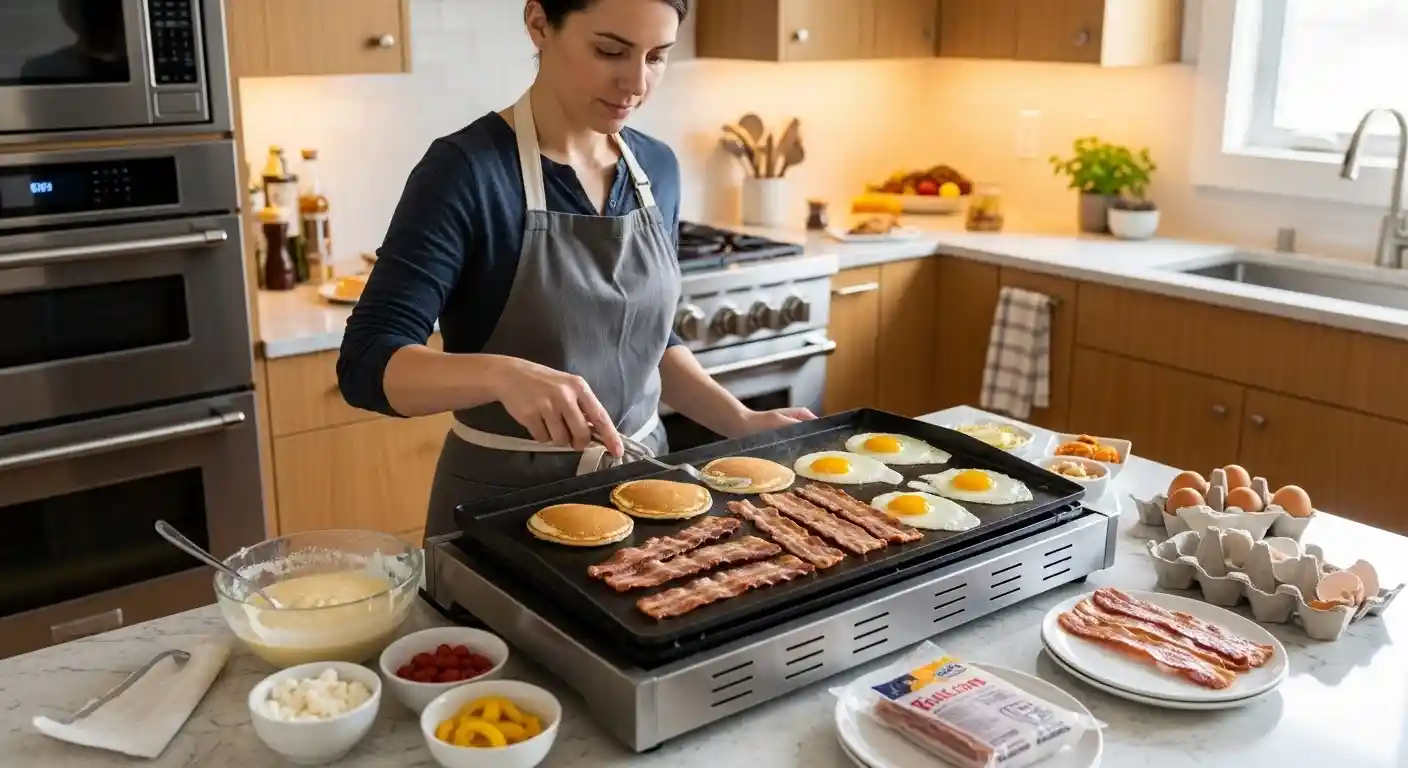
Before you start, it’s important to know how your electric griddle works. An electric griddle is a flat cooking surface that heats up when plugged in. Most griddles allow you to control the temperature, which is very useful for different foods. The large surface is good for cooking many items at once—like pancakes, eggs, bacon, or grilled sandwiches.
Some models have a non-stick coating, while others are made of stainless steel or cast iron. Non-stick is easier to clean, but can scratch easily if you use metal tools. Stainless steel and cast iron last longer, but need more oil and care.
Always read your griddle’s manual before the first use.
Getting Ready: Setting Up For Success
Good preparation makes a big difference with griddle cooking. Here’s what you should do before you cook:
- Place the griddle on a stable, heatproof surface.
- Check that the drip tray is in place to catch extra oil or liquids.
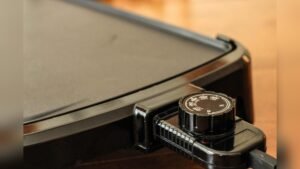
- Plug in the griddle and set it to the right temperature. Let it preheat for 5-10 minutes.
- Gather all your ingredients and tools before you start. It is hard to fetch things once food is cooking.
Many beginners forget to preheat properly. If the griddle is not hot enough, food can stick and cook unevenly.
Temperature Control: The Key To Great Cooking
Different foods need different heat. Here’s a quick guide:
| Food | Recommended Temperature (°F) | Cooking Time (Approx.) |
|---|---|---|
| Pancakes | 350 | 2-3 min per side |
| Bacon | 325 | 4-5 min per side |
| Eggs | 300 | 2-3 min |
| Steak | 400 | 3-5 min per side |
| Grilled Cheese | 325 | 3-4 min per side |
Always wait until the griddle is fully preheated. Some griddles have a light that turns on or off when ready. If yours does not, sprinkle a few drops of water on the surface. If they dance and sizzle, you’re ready.
Choosing The Right Cooking Oil
Oil keeps food from sticking and helps browning. But not all oils are equal. Use oils with a high smoke point. This means the oil can get hot without burning.
Best oils for griddles:
- Canola oil
- Vegetable oil
- Grapeseed oil
- Avocado oil
Butter gives good flavor but can burn fast. For pancakes or eggs, use a little butter with oil to get both taste and better cooking. Avoid extra virgin olive oil for high heat—it can smoke and leave a bitter taste.
Cooking Techniques For Beginners
Spreading Oil Evenly
Pour a small amount of oil on the griddle and use a paper towel or heat-safe brush to spread it. Do not pour too much—just a thin layer is enough. Too much oil can make food greasy and cause splattering.
Avoid Overcrowding
Give each food item enough space. If you put too much on the griddle, the temperature drops, and food cooks unevenly. Leave at least 1 inch between pieces.
Flipping At The Right Time
Do not flip food too early. For pancakes, wait until bubbles form on the surface before flipping. For meat, let a crust form before turning.
Using The Right Tools
Use plastic or silicone spatulas for non-stick griddles. Metal tools can scratch the coating. For stainless steel or cast iron, metal spatulas are fine.
Cleaning Your Electric Griddle
Proper cleaning keeps your griddle working well for years. Always unplug and let it cool before cleaning. Here’s a step-by-step process:
- Wipe off extra oil with a paper towel while the griddle is still warm (not hot).
- Wash the surface with warm, soapy water and a soft sponge.
- For stuck-on bits, pour a little water on the warm griddle and scrape gently with a plastic spatula.
- Rinse and dry completely to prevent rust (especially for steel or cast iron).
- Do not immerse the whole griddle in water if it is electric—just clean the surface.
Many people forget to clean the drip tray. Wash it after every use to avoid bad smells and grease buildup.

Credit: www.gopresto.com
Common Mistakes To Avoid
Beginners often make these errors:
- Not preheating enough: Food sticks and does not brown well.
- Using metal tools on non-stick: Scratches can ruin the surface.
- Skipping the drip tray: Grease can overflow and make a mess.
- Cooking at too high heat: Food burns outside but stays raw inside.
- Cleaning when hot: Risk of burns and warping the non-stick layer.
A less obvious mistake is not drying the griddle fully after washing. Water left on metal can cause rust, which is hard to fix.
Foods That Shine On A Griddle
Electric griddles are not just for breakfast. Here are popular foods you can cook:
- Pancakes and French toast: The big surface fits many at once.
- Eggs: Scrambled, fried, or sunny side up.
- Bacon and sausage: Less splatter than a frying pan.
- Grilled cheese and sandwiches: Crispy bread, melted cheese.
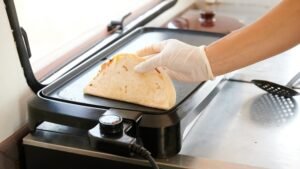
- Quesadillas and tortillas: Even browning, easy to flip.
- Burgers and hot dogs: Good for parties or family dinners.
- Vegetables: Slices of zucchini, peppers, onions—quick and tasty.
Try cooking smashed potatoes or even stir-fry noodles. The flat surface gives a unique flavor.
Comparing Electric Griddles: What Features Matter?
Choosing a good griddle can make cooking easier. Here’s a comparison of common features:
| Feature | Why It Matters | Beginner Tip |
|---|---|---|
| Non-stick Surface | Easy to clean, less oil needed | Great for pancakes and eggs |
| Temperature Control | More control for different foods | Look for adjustable dial |
| Removable Drip Tray | Catches grease, easy to clean | Always empty after cooking |
| Size | Cook more food at once | Pick a size that fits your counter |
| Removable Plate | Makes deep cleaning easier | Good if you cook often |
A non-obvious detail: Some griddles have a “warming tray” under the cooking surface. This is handy for keeping pancakes or bacon warm while you finish the rest.
Advanced Tips Most Beginners Miss
Even after learning the basics, a few advanced tips can improve your results:
- Use a thermometer. Griddle dials are not always accurate. An infrared thermometer or a small oven thermometer can tell you the real surface temperature.
- Let meat rest after cooking. This keeps juices inside and gives better flavor.
- Try covering food. For eggs or melting cheese, cover with a lid or metal bowl for a minute. This traps heat and cooks the top without flipping.
- Season your griddle. For cast iron or steel, rub a thin layer of oil after cleaning. This prevents rust and makes food less likely to stick.
Most people do not realize that griddles can bake. You can place a small pan or baking sheet on the griddle to make cookies or warm rolls. It’s not as quick as an oven, but it works in a pinch.
Safety And Maintenance
Never leave an electric griddle plugged in when not in use. Keep cords away from water and hot surfaces. Check for damaged wires or plugs, and stop using the griddle if you see any.
Store your griddle in a dry place. For non-stick models, do not stack heavy pans on top—they can damage the surface.
Electric Griddle Vs. Stovetop Skillet
You might wonder if an electric griddle is better than a regular skillet. Here’s a quick comparison:
| Aspect | Electric Griddle | Stovetop Skillet |
|---|---|---|
| Cooking Surface | Large, flat, more space | Smaller, curved sides |
| Heat Control | Adjustable dial, even heat | Depends on stove, hot spots |
| Cleaning | Easier (non-stick), removable trays | Sometimes harder (especially cast iron) |
| Portability | Needs outlet, but can use anywhere | Needs stove, less portable |
| Types of Food | Pancakes, bacon, sandwiches | Soups, stews, stir-fry |
Electric griddles are best for foods that need a flat, even surface and are cooked in batches. Skillets are more flexible for sauces or foods with a lot of liquid.

Credit: www.ebay.com
Frequently Asked Questions
How Do I Know When The Griddle Is Ready To Use?
Preheat your griddle for at least 5-10 minutes. Some models have a light that shows when it’s ready. If not, sprinkle a few drops of water on the surface. If they sizzle and “dance,” the griddle is hot enough to use.
Can I Use My Electric Griddle Outdoors?
Yes, you can use an electric griddle outdoors if you have a safe, dry power source. Never use it in wet conditions, and keep the cord away from water. Outdoor use is great for family breakfasts or cookouts.
What Foods Should I Avoid Cooking On A Griddle?
Avoid foods with a lot of liquid (like soup or stew) or foods that need deep frying. Also, do not cook thick cuts of meat unless you finish them in the oven. Thin cuts, pancakes, eggs, and sandwiches are best.
Is It Safe To Use Cooking Spray On Non-stick Griddles?
It is better to use a small amount of oil or butter. Cooking sprays can leave a sticky residue that is hard to clean and may damage the non-stick surface over time.
How Can I Stop Food From Sticking?
Always preheat your griddle and use enough oil. For non-stick surfaces, avoid metal tools and do not cook at very high heat. If food still sticks, your griddle may need seasoning or deeper cleaning.
For more information about cooking techniques and griddle care, you can visit the Wikipedia Griddle Guide.
Electric griddles make cooking simple and enjoyable, whether you are making breakfast for your family or quick dinners. With these tips and a little practice, you will get better results and enjoy your time in the kitchen. Remember, the key is to pay attention to temperature, use the right tools, and keep your griddle clean.
Happy cooking!