Choosing the right blender can be confusing, especially when it comes to deciding between a glass blender jar and a plastic blender jar. Both have their strong and weak points. The jar you choose can affect everything from your cooking experience to the taste of your smoothies. Let’s break down the details, compare the two, and help you pick the right one for your kitchen.
What Makes Blender Jars Different?
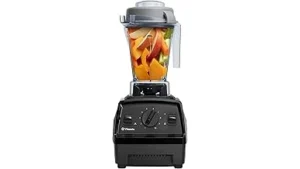
The jar is the main container that holds your ingredients. It faces sharp blades, strong motors, and sometimes hot liquids. Some jars are made from thick glass, others from high-quality plastic like Tritan or polycarbonate. People often argue about which is better, but the answer depends on your needs and habits.
Advantages Of Glass Blender Jars
Glass jars have been used in blenders for many years. Here’s why many people still love them:
- No Stains or Odors: Glass does not absorb smells or colors from foods. Blend tomatoes, turmeric, or garlic, and the jar won’t keep the smell or stain.
- Scratch Resistance: Glass is hard and does not scratch easily. This keeps it looking new for a long time.
- No Chemical Leaching: Glass is non-reactive. It won’t release chemicals, even when blending hot soups or acidic foods.
- Clear Appearance: Glass is naturally clear and stays that way. You can see your food inside easily.
- Easy to Clean: You can wash glass jars in a dishwasher without worry. Stains and leftover food come off easily.
- Heat Resistance: Most glass jars can handle hot liquids, making them perfect for soups and sauces.
Example
If you often make carrot soup or spicy salsa, a glass jar will not take on the orange color or spicy smell. You can blend, wash, and use it again for a smoothie without any flavor mixing.

Credit: www.youtube.com
Disadvantages Of Glass Blender Jars
Still, glass is not perfect. Here are some points to keep in mind:
- Heavier: Glass jars can be two or three times heavier than plastic. This can make them harder to lift and pour, especially for children or older adults.
- Breakable: Drop a glass jar, and it can shatter. Even a small crack can make the jar unsafe to use.
- Cost: Blenders with glass jars are often more expensive. The material and shipping weight add to the price.
- Limited Size: Large glass jars are rare because they would be too heavy to handle. Most are around 1.5 to 1.8 liters.
- Not Always Safe with Ice: Some glass jars, if not made with strong borosilicate glass, can crack with hard ice or frozen fruit.
Non-obvious Insight
Many beginners think all glass is heatproof. But soda-lime glass (used in cheaper jars) can break if you put in boiling liquids. Always check the type of glass before blending hot foods.
Advantages Of Plastic Blender Jars
Plastic jars are found in most modern blenders, especially in high-speed or large-capacity models. Here’s why people like them:
- Lightweight: Even large plastic jars are easy to lift, fill, and pour. This is helpful for daily use.
- Impact Resistant: Plastic doesn’t shatter if you drop it. This makes it safer in kitchens with kids or busy cooks.
- Cheaper: Plastic jars usually cost less. You get a bigger blender for your money.
- Larger Sizes: Plastic makes it possible to offer jars of 2 liters or more, great for big families or batch cooking.
- Modern Features: Many plastic jars now use BPA-free materials like Tritan, which are strong and clear.
Example
If you love making frozen drinks or crushing ice, a thick plastic jar is usually safer. It won’t crack from sudden temperature changes or sharp ice cubes.
Disadvantages Of Plastic Blender Jars
Plastic has some drawbacks that are important to know:
- Scratches Easily: Hard foods, ice, or even frequent washing can scratch plastic. These scratches make the jar look cloudy and can trap bacteria.
- Absorbs Stains and Odors: Plastic can take on the color or smell of strong foods, like curry or garlic.
- Possible Chemical Leaching: Some plastics can release chemicals like BPA when used with hot foods. Even BPA-free plastics may leach other chemicals.
- Less Clear Over Time: After months of use, plastic often becomes dull or cloudy.
- Can Warp with Heat: If you pour very hot liquids into thin plastic, the jar can bend or lose its shape.
Non-obvious Insight
Many people think “BPA-free” means completely safe. But some BPA-free plastics use other chemicals that are not well studied. If you blend a lot of hot food, glass might still be the safer option.
Comparing Glass And Plastic Blender Jars Side By Side
It helps to look at the key features in a simple comparison. Here’s a quick side-by-side view:
| Feature | Glass Jar | Plastic Jar |
|---|---|---|
| Weight | Heavy | Light |
| Breakability | Can shatter | Shock-resistant |
| Stain/Odor Resistance | Excellent | Poor to average |
| Heat Handling | Good (if borosilicate) | Fair to poor |
| Cost | Higher | Lower |
| Size Options | Limited | Wide range |
| Clarity Over Time | Stays clear | Becomes cloudy |
Durability In Daily Use
When you use a blender often, the jar faces a lot of stress. Let’s look at how each type handles real-life kitchen tasks:
Glass Jar Durability
- Lasts for years if not dropped or hit.
- Strong against scratches, even from nuts or seeds.
- Can break if you tap it against the sink or countertop.
- Safe in dishwashers and with boiling liquids (if made from heat-resistant glass).
Plastic Jar Durability
- Survives falls or bumps.
- Scratches from ice or hard items make it look old sooner.
- May develop cracks from repeated use, especially with thick smoothies.
- Some plastics can warp if put in the dishwasher’s hot cycle.
Quick Durability Comparison
| Test | Glass | Plastic |
|---|---|---|
| Drop from 3 feet | Likely to shatter | Usually survives |
| Scratch with ice | No effect | Surface scratches |
| Boiling soup inside | Safe (if heatproof) | Possible warping |
Safety: Which Jar Is Healthier?
Health is a top concern for many users. Here’s what you need to know:
- Glass is non-porous and chemically stable. It doesn’t react with food or leach substances, even with heat.
- Plastic may release chemicals, especially if it’s not BPA-free or used with hot food. Even BPA-free jars can use other chemicals that aren’t fully researched.
- Both types should be washed well, but glass is easier to sterilize.
For those with allergies or chemical sensitivities, glass is usually the safer bet.
Cleaning And Maintenance
Keeping your blender jar clean is important for taste and health.
Glass Jars
- Dishwasher safe and easy to scrub.
- No stains from turmeric, berries, or tomato.
- Resists smells.
- Needs careful handling to avoid breaking during washing.
Plastic Jars
- Handwashing is safer to avoid scratches.
- Can hold onto smells (like onion or garlic) and colors (like carrot).
- Should be dried well to prevent bacteria in scratches.
- Over time, may need replacing if stains or odors build up.
Cost And Value
Let’s look at how much you pay and what you get.
- Glass jars make a blender more expensive, but last longer if handled carefully.
- Plastic jars are cheaper, but may need replacement every 2-3 years, depending on use.
For most home cooks, the price difference is $20–$50 between similar models.
Credit: jesseatsandtravels.com
Which Jar Is Better For Different Uses?
Your kitchen needs will guide your choice. Here’s a handy guide:
| Blending Task | Best Jar Type | Why |
|---|---|---|
| Hot Soup | Glass (borosilicate) | Handles heat, no leaching |
| Green Smoothies | Plastic | Lightweight, less risk if dropped |
| Baby Food | Glass | No chemical risk, easy to sterilize |
| Frozen Drinks | Plastic (thick) | Won’t crack with ice |
| Nut Butters | Glass | Resists stains, easy cleaning |
Environmental Impact
Eco-friendliness is important for many buyers.
- Glass jars are fully recyclable and can last decades if not broken.
- Plastic jars can be recycled in some areas, but many end up as waste. Making plastic also uses more chemicals and energy.
- If you want the greenest option, glass is better. However, if you replace glass jars often due to breakage, the benefits are lost.
Common Mistakes When Choosing
- Ignoring blender weight: Some glass-jar blenders are heavy and awkward for small kitchens or weak wrists.
- Assuming all glass is heatproof: Not all glass jars are safe for boiling liquids.
- Choosing plastic for hot blending: Regular plastic can warp or release chemicals with heat.
- Not checking dishwasher safety: Some plastic jars warp in dishwashers.
- Thinking all plastics are equal: Tritan plastic is much stronger than basic polycarbonate.
Many beginners overlook the importance of checking the actual material type. It’s worth reading the blender’s specs carefully.
Expert Recommendations
- If you mainly blend cold drinks, smoothies, or shakes, a plastic jar is easier to use and less risky for accidents.
- If you cook a lot, make hot soups, or care about chemical safety, a glass jar is best.
- For families with young kids, plastic can prevent dangerous breaks.
- If you want the jar to look clean and new for years, glass stays clearer.
For a deep dive into material safety, you can read more at the Wikipedia page on blenders.
Final Thoughts
There’s no one-size-fits-all answer to the glass vs plastic blender jar debate. The best choice depends on your kitchen habits, safety needs, and budget. Glass jars feel solid, look beautiful, and are great for hot foods and easy cleaning. Plastic jars are lighter, safer if dropped, and cost less—but may stain or look old faster.
Think about what you blend most often and who will use the blender. If safety and long-term clarity matter, glass is hard to beat. If convenience and durability are key, plastic has the edge. With the right choice, your blender will become one of your favorite kitchen helpers.
Frequently Asked Questions
Is A Glass Blender Jar Better Than Plastic For Health?
Glass is non-reactive and does not leach chemicals, making it safer for hot foods and baby food. Plastic, especially BPA-free types, is generally safe for cold foods but may release chemicals when heated.
Can I Blend Ice In A Glass Jar?
You can blend ice in a glass jar if it is made from strong, heat-resistant glass like borosilicate. Regular glass may crack, so check your blender’s manual first.
Why Do Plastic Blender Jars Become Cloudy?
Plastic jars scratch easily from ice, nuts, and cleaning pads. These tiny scratches collect food particles and make the jar look cloudy over time.
Are All Glass Blender Jars Dishwasher Safe?
Most glass jars are safe in the dishwasher. However, always check the manufacturer’s instructions to avoid breaking or damaging the jar.
How Often Should I Replace A Plastic Blender Jar?
A plastic blender jar usually lasts 2–3 years with regular use. If it becomes very scratched, stained, or smells bad, it’s time to replace it for safety and taste reasons.

Credit: lifeboostcoffee.com