Have you ever craved a cup of coffee, only to realize you don’t have a coffee maker? Maybe you’re camping, your machine broke, or you simply want to try something new. Good news: you don’t need fancy equipment to make delicious coffee. With a few common items and the right method, you can brew a satisfying cup almost anywhere.
This guide shows you several ways to make coffee without a coffee maker, from traditional methods to creative solutions, all explained in clear steps. You’ll also find tips to improve flavor, avoid common mistakes, and even compare different approaches so you can choose the best one for your situation.
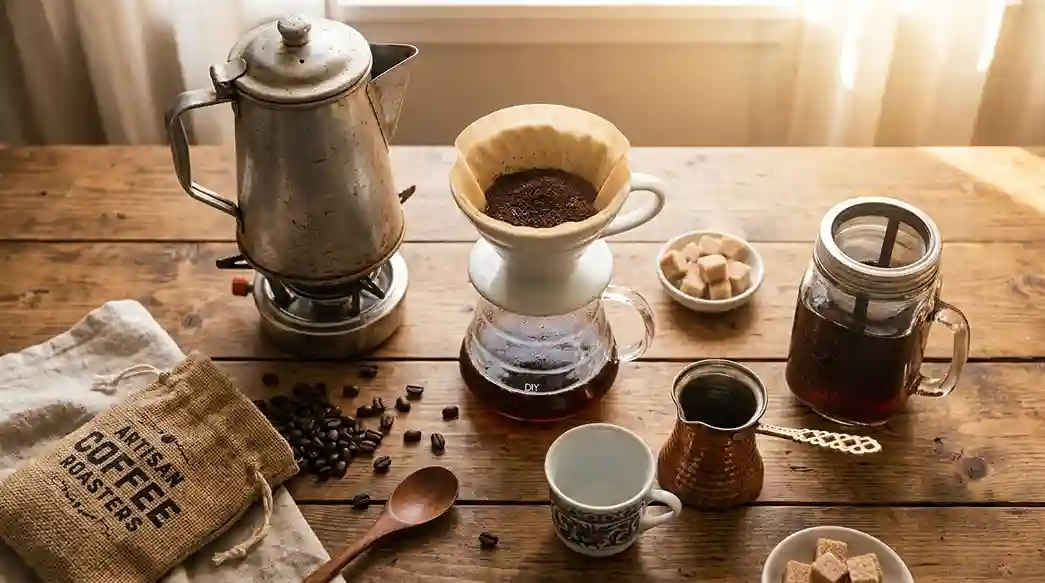
Why Make Coffee Without A Coffee Maker?
Coffee makers are convenient, but not everyone owns one or can use one all the time. Here are some reasons you might want to brew coffee without a machine:
- Traveling or camping: No electricity or bulky equipment.
- Broken coffee maker: Need a backup plan.
- Cost: Not ready to invest in a machine.
- Preference: Some methods produce unique flavors.
Surprisingly, many people in the world brew coffee without machines every day. In places like Ethiopia and Turkey, traditional coffee methods are part of the culture. Learning these techniques can help you enjoy coffee anywhere and expand your taste experience.
Essential Ingredients And Tools
Before you start, gather these basics:
- Ground coffee: Medium or coarse grind works best for most manual methods.
- Hot water: Freshly boiled, ideally just off the boil (about 200°F/93°C).
- Container: Mug, bowl, pot, or jar.
- Stirring tool: Spoon or stick.
- Straining tool: Paper towel, cloth, fine sieve, or even a French press filter if available.
You don’t need expensive beans. Good water and fresh coffee make the biggest difference. If you use filtered water, your coffee will taste cleaner.
The Most Popular Methods Explained
Let’s break down the main ways to make coffee without a coffee maker. Each method has its own flavor and difficulty level.
1. The Cowboy Method
This is the simplest method, often used outdoors.
Steps:
- Add 2 tablespoons of coffee grounds to a pot or pan.
- Pour in 1 cup (240 ml) of cold water.
- Heat gently until it boils. Remove from heat.
- Let sit for 2–3 minutes so grounds settle.
- Slowly pour coffee into your mug, leaving grounds behind.
Tip: If you want fewer grounds in your cup, pour through a cloth or paper towel.
2. The Turkish Coffee Approach
Turkish coffee is famous for its strong flavor and thick texture.
Steps:
- Mix 1 heaping teaspoon of finely ground coffee and 1 teaspoon sugar (optional) in a small saucepan or cezve.
- Add 1 cup cold water.
- Stir and heat slowly. Do not stir after heating starts.
- When foam rises, remove from heat (do not let it boil over).
- Pour into a cup, grounds and all. Wait a minute before sipping.
Insight: Turkish coffee is always unfiltered, so expect grounds in your cup.
3. The Pour-over Diy
You can make a simple pour-over setup with everyday items.
Steps:
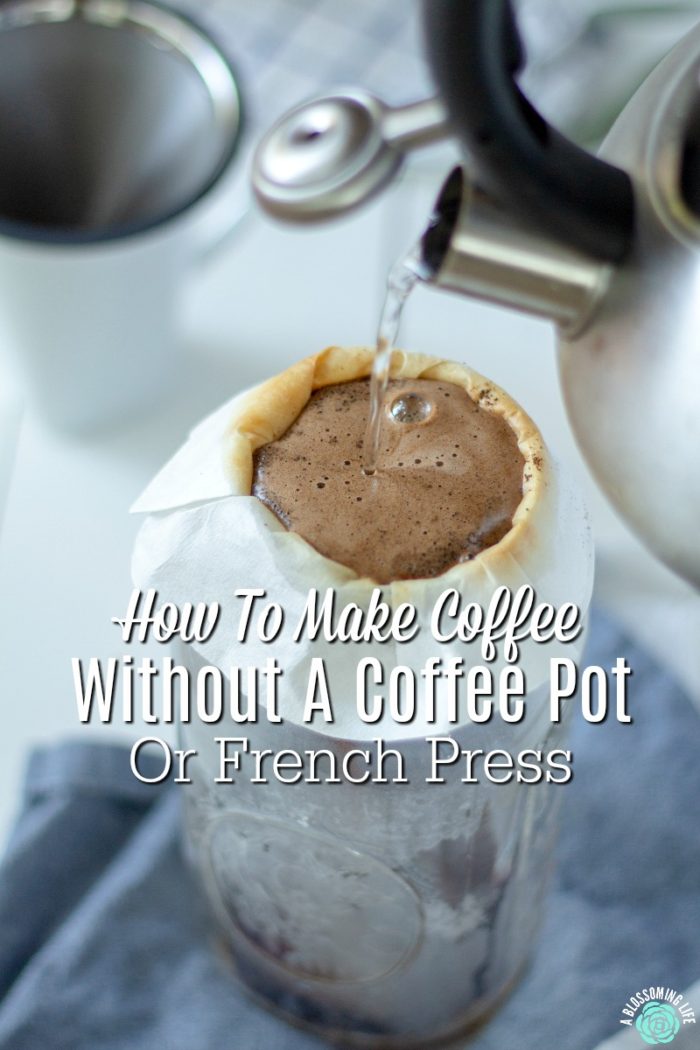
- Place a paper towel or clean cloth over a mug.
- Secure with a rubber band or hold carefully.
- Add 2 tablespoons ground coffee.
- Slowly pour hot water over grounds, letting it drip through.
- Remove filter and enjoy.
Note: This method creates a clean, bright flavor.
4. French Press Alternative
If you don’t have a French press, use a jar or pitcher.
Steps:
- Add 2 tablespoons coarse coffee to jar.
- Pour in 1 cup hot water.
- Stir and let steep for 4–5 minutes.
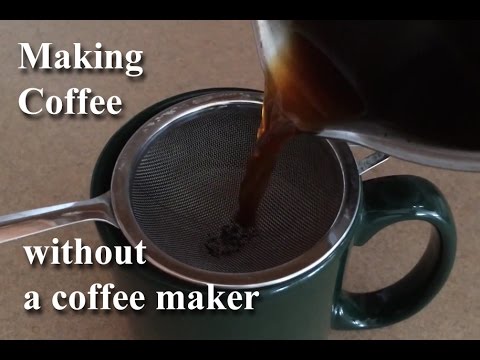
- Press grounds down with spoon, or pour through a sieve.
5. Cold Brew Without Equipment
Cold brew is easy and works well without machines.
Steps:
- Combine 1/2 cup ground coffee and 2 cups cold water in a jar.
- Stir and cover.
- Refrigerate for 12–18 hours.
- Strain through a cloth or sieve.
Result: Smooth, less acidic coffee.
6. Using A Coffee Bag
If you have a tea bag or empty filter bag:
Steps:
- Fill bag with 2 tablespoons ground coffee.
- Place in mug.
- Pour hot water over it.
- Steep for 4–5 minutes.
- Remove bag.
Tip: DIY coffee bags are great for travel.
Comparing Coffee-making Methods
The following tables help you see differences between methods, including flavor, difficulty, and time.
| Method | Flavor Profile | Prep Time | Skill Level |
|---|---|---|---|
| Cowboy | Strong, rustic | 5 min | Beginner |
| Turkish | Bold, thick | 5 min | Intermediate |
| Pour-Over DIY | Clean, bright | 7 min | Beginner |
| French Press Alternative | Rich, balanced | 8 min | Beginner |
| Cold Brew | Smooth, mild | 12+ hrs | Beginner |
| Coffee Bag | Mellow, clean | 6 min | Beginner |
How Water And Coffee Ratio Changes Flavor
Getting the right balance of coffee and water is key for good taste. Too much coffee makes it bitter; too little is weak.
| Ratio (Coffee : Water) | Strength | Flavor Notes |
|---|---|---|
| 1:12 | Mild | Light, less bitterness |
| 1:10 | Medium | Balanced, full-bodied |
| 1:8 | Strong | Bold, more bitter |
Tip: Start with a 1:10 ratio (about 2 tablespoons coffee per cup). Adjust to your taste.
Common Mistakes And How To Fix Them
If your coffee doesn’t taste right, it’s often due to these errors:
- Water too hot or cold: Water just off the boil (200°F/93°C) works best. If it’s boiling, it can burn the coffee; too cool, and it’s weak.
- Too fine grind: Fine coffee grounds can cause bitter or muddy coffee, especially in cowboy or pour-over methods.
- Wrong ratio: Using too much or too little coffee changes flavor.
- Not letting grounds settle: If you pour too quickly, you get muddy coffee.
- Dirty equipment: Always rinse your tools, even if you use a jar or mug.
Credit: ablossominglife.com
Non-obvious Tips For Better Coffee
Many beginners skip these steps, but they make a big difference:
- Pre-wet your filter: If you use cloth or paper, pour hot water through first. This removes paper taste and warms your mug.
- Stir twice: Stir once after adding coffee and water, and again after steeping. This makes extraction even.
- Let coffee bloom: When pouring water, pause for 30 seconds after first pour. This helps release flavor.
These steps are used by professionals and can improve taste, even with basic equipment.
Flavor Enhancements And Variations
You can personalize your coffee with simple additions:
- Spices: Add cinnamon, cardamom, or nutmeg to grounds before brewing.
- Sweeteners: Sugar, honey, or condensed milk.
- Milk or cream: For smoother texture.
- Vanilla extract: A drop adds depth.
If you want a stronger drink, try the Turkish method. For a milder cup, cold brew is best.
Cleaning And Safety
Even without a machine, clean your tools after each use. Coffee oils can build up and cause bad flavors. Rinse jars, mugs, and cloths thoroughly. If you use a paper towel or cloth, make sure it’s food-safe and odorless.
When To Use Each Method
Choosing the right method depends on your situation:
- Outdoors or camping: Cowboy method is reliable.
- Home, no coffee maker: DIY pour-over or French press alternative.
- Want strong coffee: Turkish approach.
- Need cold drink or less acidity: Cold brew.
- Traveling: Coffee bag is light and easy.
If you’re unsure, start with the pour-over DIY. It’s easy, quick, and produces clean coffee.
Credit: www.youtube.com
Cost And Time Comparison
Here’s a quick look at cost and time for each method:
| Method | Estimated Cost | Total Time |
|---|---|---|
| Cowboy | $0.10 per cup | 5 min |
| Turkish | $0.15 per cup | 5 min |
| Pour-Over DIY | $0.12 per cup | 7 min |
| French Press Alternative | $0.13 per cup | 8 min |
| Cold Brew | $0.20 per cup | 12+ hrs |
| Coffee Bag | $0.18 per cup | 6 min |
As you can see, all these methods are cheap and easy to do.
Frequently Asked Questions
Can You Make Coffee With Just Hot Water And Grounds?
Yes. You can mix coffee grounds and hot water in a mug, let them settle, and drink. This is the cowboy method. For cleaner coffee, pour through a filter or sieve.
Is It Safe To Use Paper Towels As Coffee Filters?
Most paper towels are safe for filtering coffee, but use unscented, food-grade towels. Avoid printed or colored paper. Rinse the towel before using to remove any residue.
What Grind Size Works Best For Manual Coffee Methods?
For most methods, use medium to coarse grind. Fine grind works for Turkish coffee. If your coffee tastes bitter or gritty, try a coarser grind.
How Long Should You Steep Coffee Without A Maker?
Steep for 4–5 minutes for most hot methods. Cold brew needs 12–18 hours in the fridge. If you steep too long, coffee can taste bitter.
Can You Make Coffee Concentrate Without A Coffee Maker?
Yes. Use a higher coffee-to-water ratio (like 1:6) and steep longer. Strain well, then dilute with water or milk to taste.
Making coffee without a coffee maker is easy and rewarding. With basic tools, you can enjoy fresh, flavorful coffee anywhere. Try different methods to find your favorite. Remember, the best coffee is the one you enjoy most.
If you want to learn more about brewing techniques, visit National Coffee Association for expert tips and scientific guides.