Every day, we throw away trash without thinking much about the process. But technology is changing even simple tasks like taking out the garbage. One invention making life cleaner and easier is the automatic trash can. These smart bins open their lids on their own, seal odors, and sometimes even sort waste.
If you’ve ever wondered how these devices work, or if you’re thinking about buying one, this article will explain everything in clear, simple language. We’ll look at the technology inside, how to use them, their benefits, and common questions.
What Is An Automatic Trash Can?
An automatic trash can is a waste bin that opens and closes its lid without you needing to touch it. Instead of pressing a pedal or lifting a lid, you just wave your hand or move close to the can, and the lid opens by itself. This contactless system is more hygienic and convenient, especially in kitchens, offices, and hospitals.
Most automatic trash cans are powered by batteries or sometimes by plugging into a wall. They are made in different sizes and styles, from small bathroom bins to large kitchen models. The price can range from about $30 to over $200, depending on features and materials.
Core Technology Behind Automatic Trash Cans
Automatic trash cans look simple, but inside, there’s clever technology. Let’s break down the main parts and how they work together.
Motion Sensors
The motion sensor is the most important feature. Most use infrared (IR) sensors. These sensors send out an invisible light beam. When your hand, foot, or an object passes in front of the sensor, it reflects the beam back to the sensor, which triggers the lid to open. The sensor is usually placed on the front or top of the can for easy activation.
Some premium models use ultrasonic sensors. These measure the distance to objects and can be more precise, reducing false triggers from pets or moving air.
Motor And Lid Mechanism
When the sensor is triggered, it sends a signal to a small electric motor inside the lid. The motor turns gears or levers to lift the lid smoothly. After a few seconds (usually between 3 to 5), the motor lowers the lid again automatically.
The motion is controlled to be gentle and quiet. Some models even have a soft-closing function to reduce noise.
Power Source
Most automatic trash cans run on AA or D batteries. Battery life can range from 6 months to over a year, depending on usage and sensor type. Some larger or more advanced models offer AC adapters for plug-in power.
Low battery indicators are common. When power is low, the lid may open slower or not at all.
Odor Control And Filters
Odor is a big problem with trash bins. Many automatic cans include a carbon filter or deodorizer compartment. These absorb smells and keep the area fresh. Some high-end models have a built-in fan or air purifier to further fight odors.
Extra Features In Some Models
- Touchscreen controls for settings like lid open time
- Voice activation (say “Open can” to lift the lid)
- Bag storage compartments inside the can
- Sealing mechanism to tie or seal full trash bags automatically
- Waste sorting: Dual compartments for recycling and regular trash

Credit: www.amazon.com
How Does The Sensor System Actually Work?
Let’s look closer at the sensor system that makes these cans “smart.”
Infrared Sensors
Most automatic trash cans use passive infrared (PIR) sensors. Here’s how they work:
- The sensor emits an IR beam.
- It waits for a reflection from an object (like your hand).
- When the beam bounces back, the sensor detects it and sends an electric signal.
- The signal tells the motor to open the lid.
The system is designed so that only movement close to the sensor (usually 6–12 inches) triggers the can. This helps prevent the lid from opening every time someone walks by.
Ultrasonic Sensors
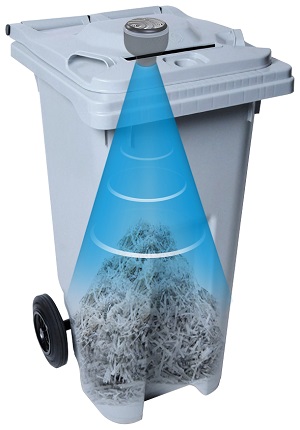
Some newer models use ultrasonic sensors. These send out sound waves and measure how long it takes for the echo to return. If something is close, the echo returns faster, and the lid opens.
Ultrasonic sensors are less likely to be triggered by light changes, pets, or small movements, making them more reliable in busy areas.
Sensitivity Settings
Many automatic trash cans let you adjust sensor sensitivity. This controls how close you must be for the lid to open. Lower sensitivity is good for busy spaces, while higher sensitivity is better if you want the lid to open sooner.
Step-by-step: What Happens When You Use An Automatic Trash Can
Understanding the sequence of actions can help you use these devices better:
- Approach the can: Move your hand, foot, or an object near the sensor area.
- Sensor detects motion: The sensor sends a signal to the control board.
- Motor activates: The electric motor starts, using gears or levers to lift the lid.
- Lid opens: The lid rises smoothly, usually within 1 second.
- Wait for timer: The can remains open for a set time (usually 3–5 seconds).
- Lid closes: The timer ends, the motor reverses, and the lid closes gently.
Some models have a “stay open” mode. You can activate this by holding your hand over the sensor for longer, or by pressing a button, keeping the lid open for as long as needed.
Main Benefits Of Automatic Trash Cans
Why do people choose automatic trash cans over regular ones? Here are some key benefits:
1. Improved Hygiene
Because you don’t touch the lid, there’s less chance of spreading germs and bacteria. This is especially helpful in kitchens and bathrooms.
2. Convenience
Automatic opening is quick and easy, especially when your hands are full or dirty. You don’t need to balance on one foot to press a pedal or put down what you’re carrying.
3. Odor Control
Many automatic bins have better odor blocking because their lids are sealed tightly and only open when needed. The carbon filters or deodorizers inside help reduce bad smells.
4. Accessibility
People with disabilities, arthritis, or limited strength find automatic cans much easier to use.
5. Less Mess
Because the lid opens automatically, spills and drips are less likely. This keeps the area around the bin cleaner.
Limitations And Common Problems
Automatic trash cans are not perfect. Here’s what you need to know before buying:
1. Battery Life
If you use the can a lot, batteries may need replacing every few months. Forgetting to change them means the can will stop working.
2. False Triggers
Sometimes, pets or people walking nearby can trigger the sensor, opening the lid when you don’t want it to. Sensitivity settings help, but not all models are perfect.
3. Sensor Malfunction
Sensors can get blocked by dirt or grease, especially in the kitchen. If the sensor is dirty, the can may not open.
4. Lid Or Motor Failure
The motor is a moving part that can wear out. If the lid stops opening or closing smoothly, you may need to repair or replace the can.
5. Cost
Automatic cans are usually more expensive than regular pedal or swing-top bins. Prices can be high for models with extra features.
Credit: www.ecubelabs.com
Comparing Automatic Trash Cans To Manual Models
To help you see the differences, here’s a simple comparison:
| Feature | Automatic Trash Can | Manual Trash Can |
|---|---|---|
| Opening Method | Sensor-activated, no touch | Pedal, push, or lift by hand |
| Hygiene | High (no contact) | Lower (hand or foot contact) |
| Odor Control | Better (sealed lids, filters) | Basic (loose lids) |
| Price Range | $30–$200+ | $10–$80 |
| Maintenance | Batteries, sensors, motor | Simple cleaning |
| Accessibility | Very easy | May be difficult for some |
Choosing The Right Automatic Trash Can
If you’re considering buying an automatic trash can, pay attention to these factors:
Capacity
Size matters. Small cans (8–13 gallons) work well for bathrooms or bedrooms. Medium to large cans (13–21 gallons) suit kitchens and busy areas. Choose a size based on your household’s waste habits.
Sensor Type
Infrared sensors are standard and affordable. Ultrasonic sensors cost more but offer fewer false triggers. If you have pets or a busy home, ultrasonic is a better option.
Power Source
Decide if you prefer batteries (more flexible placement) or AC plug-in (no battery changes but needs a nearby outlet).
Odor Control
Look for bins with carbon filters or deodorizer options if smells are a concern. Some models have a special compartment or built-in fan.
Material And Build
Stainless steel is durable, easy to clean, and looks modern. Plastic is cheaper and lighter, but can stain or crack more easily.
Extra Features
- Soft-close lids reduce noise
- Stay-open mode for longer tasks
- Bag storage or easy bag changing systems
- Dual compartments for sorting recyclables
Budget
Prices vary a lot. Set a budget, but remember that the cheapest models may not last as long or have as many features.
Care And Maintenance Tips
To keep your automatic trash can working well, follow these tips:
- Clean the sensor regularly with a soft cloth to remove dust, grease, or fingerprints.
- Change the batteries as soon as the lid slows down or the low battery light comes on.
- Empty the can before it’s overfilled to avoid blocking the lid.
- Replace carbon filters every 2–3 months for best odor control.
- Wipe the exterior with mild soap and water to keep it looking new.
- Check the lid mechanism every few months for dirt or damage.
Pro tip: If the lid gets stuck, remove the batteries and reset the can. This often solves minor problems.
You can also read: How to Reset an Automatic Trash Can
Environmental Impact And Waste Sorting
Some automatic trash cans help you sort waste. Dual compartment cans make recycling easier. By separating plastics, paper, and food waste at the source, you help reduce landfill trash and support recycling programs.
A study by the US Environmental Protection Agency (EPA) found that proper waste sorting in homes can reduce landfill contributions by up to 30%. Automatic cans with sorting features make this process easier, even for children or guests.

Credit: www.youtube.com
Interesting Examples And Innovations
Some brands push the technology further:
- Simplehuman makes cans with voice and motion control, and liners that fit perfectly.
- Townew offers a can that seals and changes its own bag automatically.
- ITouchless features carbon odor filters and antimicrobial coatings.
Smart bins are also appearing in public spaces. Some city trash cans use sensors to report when they’re full, helping city workers collect waste more efficiently. In hospitals, automatic bins reduce infection risk by limiting contact with used medical supplies.
Real-world Performance: What Users Say
User reviews highlight a few important, less obvious points:
- Some people notice pets can trigger the lid, especially with sensitive sensors.
- Kids love the novelty and may open the lid more often, using more battery.
- Battery quality matters: Cheap batteries may leak or die quickly, so it’s worth using good brands.
- In humid kitchens, condensation can sometimes confuse the sensor, so keeping the area dry helps.
How Long Do Automatic Trash Cans Last?
The lifespan of an automatic trash can depends on usage and quality. On average, a good model lasts 3–5 years with regular maintenance. Motors and sensors are the most common parts to fail, but many brands sell replacement lids or parts.
If you want to extend the life of your bin:
- Don’t overload it; heavy lids wear out motors faster.
- Keep liquids out of the sensor area.
- Don’t use harsh cleaners on sensors or moving parts.
Quick Comparison: Popular Automatic Trash Can Brands
Here’s a side-by-side look at some leading options:
| Brand | Sensor Type | Capacity | Special Features | Price Range |
|---|---|---|---|---|
| Simplehuman | Infrared/Voice | 8–15 gallons | Voice control, custom liners | $100–$200+ |
| iTouchless | Infrared | 13–23 gallons | Carbon filter, pet guard | $60–$150 |
| Townew | Infrared | 4–13 gallons | Self-sealing, self-changing bags | $80–$130 |
| Nine Stars | Infrared | 13–21 gallons | Fingerprint-proof, dual compartment | $50–$100 |
Two Surprising Insights Most Beginners Miss
- Sensor Placement Matters: Many users think all bins are the same, but where the sensor is placed makes a big difference. If it’s too low, pets or small children will trigger it by accident. If it’s too high, you may have to wave your hand awkwardly.
- Bag Fit Affects Odor and Operation: Using bags that are too small or too large can block the lid or leave gaps for odors to escape. Some brands make custom-fit liners for a better seal, but standard bags can work well if you check the size.
Final Thoughts
Automatic trash cans combine simple design with smart technology to make a basic task cleaner and more convenient. They are not perfect, but for many homes and offices, the benefits—especially better hygiene and less odor—are worth the extra cost. Taking the time to choose the right model, maintain it, and use it correctly will help you get the most from your investment.
And as technology improves, these cans are likely to get even smarter and more useful.
For more about sensor technology in household devices, you can check this resource: Infrared Sensor – Wikipedia.
Frequently Asked Questions
How Long Do Automatic Trash Can Batteries Last?
Most batteries last 6 months to 1 year, depending on use. If you open the lid many times a day, or if children or pets trigger it often, you may need to change batteries every 3–6 months. Using high-quality batteries helps extend life.
Can Automatic Trash Cans Be Used Outdoors?
Most are designed for indoor use only. Rain, humidity, and dirt can damage the sensor and motor. Some brands offer weather-resistant models, but always check the manufacturer’s instructions before using outside.
Are Automatic Trash Cans Safe Around Pets And Children?
Yes, but sensitivity settings help prevent unwanted opening. Some cans have “pet guard” features to stop the lid from opening if a pet walks by. Be aware that curious children may play with the lid, using more battery.
What Should I Do If The Lid Stops Opening?
First, check the batteries. If they are fresh, clean the sensor area with a soft cloth. Dirt or grease can block the sensor. If problems continue, reset the can by removing and replacing the batteries. For motor problems, check if the lid or gears are jammed.
Do Automatic Trash Cans Really Control Odors Better?
Usually, yes. Sealed lids and carbon filters reduce smells more effectively than open bins or loose lids. However, emptying the can regularly and using the right bag size are also important for odor control.