Skip to content
The cordless electric kettle is one of the most useful kitchen appliances for modern homes and offices. It combines speed, safety, and convenience to make boiling water simple. But how does a cordless electric kettle actually work? Many people use these kettles every day but do not understand their mechanism.
Knowing the inner workings can help you use the kettle more efficiently, avoid mistakes, and even choose a better model next time. Let’s explore the science, design, and features behind cordless electric kettles.
What Makes A Kettle “cordless”?
A cordless electric kettle is not truly wireless. The kettle itself has no power cord attached. Instead, the cord is connected to a base unit. The base sits on your countertop, and you place the kettle onto it to boil water. When you lift the kettle, there is no cord dangling, making it safer and easier to pour. This design has become the standard for most electric kettles sold today.
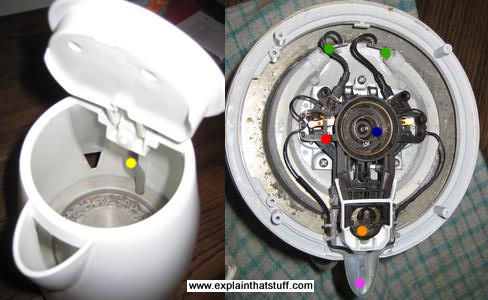
The base contains the electrical connection and sometimes extra features like temperature control. The kettle connects to the base using a set of metal contacts—usually a circular arrangement underneath. These contacts allow electricity to flow from the base to the kettle’s heating element.
How The Heating Element Works
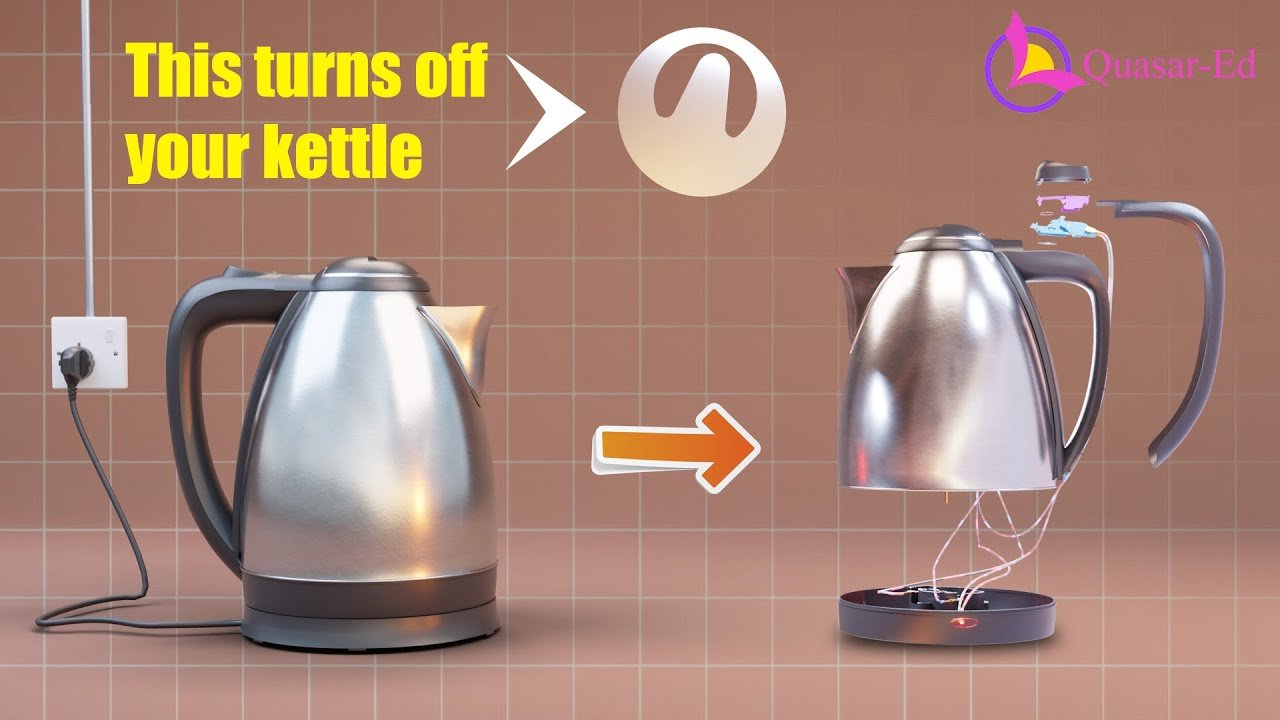
The heart of any electric kettle is the heating element. This is a metal coil, usually made from stainless steel or nickel-chromium alloy, located at the bottom of the kettle. When you switch on the kettle, electricity flows from the base through the contacts and into the heating element.
The heating element converts electrical energy into heat, which is transferred directly to the water. This is much faster than heating water on a stove because the coil is in direct contact with the water, reducing energy loss.
Types Of Heating Elements
There are two main designs:
- Exposed coil: The coil is visible inside the kettle. It heats up quickly but is harder to clean.
- Concealed plate: The coil is hidden under a metal plate. This makes cleaning easier and safer.
Most modern cordless kettles use the concealed plate design.
Credit: www.youtube.com
The Automatic Shut-off Feature
Safety is a major concern with any device that heats water. Cordless kettles include an automatic shut-off mechanism to prevent overheating and accidents.
Inside the kettle, there is a thermostat—usually a bimetallic strip or electronic sensor. As the water temperature rises, the thermostat detects when it reaches boiling point (212°F or 100°C at sea level). When this happens, the thermostat triggers a switch that cuts off the power to the heating element.
Some kettles also have boil-dry protection. If you turn on the kettle with no water inside, it will shut off automatically to prevent damage or fire. This is important because the heating element can get extremely hot without water to absorb the heat.
Step-by-step: How A Cordless Electric Kettle Boils Water
Let’s walk through the process:
- Fill the kettle with cold water. Place it on the base unit.
- Switch on the kettle. Electricity flows from the base into the kettle’s heating element.
- Heating element warms up, transferring heat to the water.
- Water temperature rises quickly due to efficient heat transfer.
- Thermostat detects boiling and shuts off the power automatically.
- Lift the kettle off the base. There is no cord, so you can pour safely.
This simple process is what makes cordless electric kettles so user-friendly.
Key Components Inside A Cordless Electric Kettle
Each cordless electric kettle has several important parts. Here’s a summary:
| Component | Function | Common Materials |
|---|---|---|
| Heating Element | Heats water | Stainless steel, nickel-chromium |
| Thermostat | Detects temperature, shuts off | Bimetallic strip, electronics |
| Base Unit | Supplies power | Plastic, metal |
| Contacts | Connect kettle to base | Metal |
| Body | Holds water | Plastic, glass, stainless steel |
Comparing Cordless Electric Kettles And Stove-top Kettles
Many people wonder whether a cordless electric kettle is better than a traditional stove-top kettle. Here’s a quick comparison:
| Feature | Cordless Electric Kettle | Stove-Top Kettle |
|---|---|---|
| Boiling Time | 3–5 minutes | 6–10 minutes |
| Energy Efficiency | High (direct heat transfer) | Lower (heat loss) |
| Safety | Automatic shut-off | No shut-off |
| Ease of Use | Simple, no cord | Must monitor |
| Portability | Can move kettle easily | Attached to stove |
As you can see, cordless electric kettles offer speed, safety, and convenience. Stove-top kettles, however, may be preferred for their classic style or for use where electricity is unavailable.
How Cordless Bases Work
The cordless base is a clever part of the design. It has a circular set of metal contacts that match the kettle’s bottom. This allows you to place the kettle in any direction—no need to align it perfectly. The base connects to a power socket, and when you set the kettle on it, the contacts complete the circuit. Electricity flows up to the heating element, and the kettle starts working.
Some bases offer extra features, such as:
- 360-degree rotation: You can place the kettle from any angle.
- Temperature control: Lets you set the desired water temperature.
- Keep-warm mode: Maintains water temperature after boiling.
Common Mistakes And How To Avoid Them
Even though cordless electric kettles are easy to use, beginners make some mistakes:
- Overfilling: If you fill above the maximum level, boiling water can spill out, causing burns or damage.
- Underfilling: Too little water may cause the kettle to shut off before the water is hot enough.
- Ignoring the filter: Most kettles have a removable filter near the spout. If you don’t clean it, limescale can build up and affect taste.
- Boiling repeatedly: Boiling water several times can make it taste flat due to loss of dissolved gases.
- Using damaged bases: If the base or contacts are damaged, the kettle may not heat properly or could be unsafe.
Always check water levels and clean your kettle regularly.

Credit: www.explainthatstuff.com
Energy Efficiency: Why Cordless Kettles Are Better
Cordless electric kettles are more energy efficient than boiling water on a stove or microwave. According to studies, electric kettles convert about 80–90% of electrical energy into heat for water, while stoves can lose up to 40% through air and the kettle body. This means you save time and money, and reduce your carbon footprint.
For example, boiling 1 liter of water in a cordless kettle takes about 0. 1 kWh of electricity. In comparison, a stove may use 0. 15–0. 2 kWh for the same task. This difference is significant over months of daily use.
The Role Of Materials In Performance
The material of the kettle affects heat transfer, durability, and taste. Here’s a comparison:
| Material | Heat Transfer | Durability | Impact on Taste |
|---|---|---|---|
| Stainless steel | Fast | High | No effect |
| Glass | Medium | Medium | No effect |
| Plastic | Slow | Low–Medium | Possible taste change |
Stainless steel is the most popular choice for durability and taste neutrality. Glass kettles allow you to see the water level but may break if dropped. Plastic kettles are affordable but can affect taste, especially if used for hot water often.
Credit: www.explainthatstuff.com
Advanced Features In Modern Cordless Kettles
Today’s cordless kettles come with many features:
- Variable temperature settings: Useful for coffee or tea that require specific temperatures.
- LED indicators: Show when the water is boiling or ready.
- Double-wall insulation: Keeps water hot longer and makes the kettle cooler to touch.
- Quiet boil: Reduces noise during heating.
Some premium models even include smart controls, letting you set the kettle from your phone.
Real-world Example: Cordless Kettle In Action
Imagine you need hot water for tea in the office. You fill the cordless kettle, place it on the base, and press the button. Within 3–4 minutes, the kettle clicks off. You lift it, pour the water, and return the kettle to the base.
No cords get in your way, and you do not risk burning yourself. The kettle’s thermostat ensures you don’t waste energy or overheat the water.
This convenience is why cordless kettles are popular in homes, offices, and hotels worldwide.
How To Choose The Right Cordless Electric Kettle
When buying a cordless electric kettle, consider these key factors:
- Capacity: Typical sizes range from 1 to 2 liters. Choose based on your needs.
- Material: Stainless steel is best for durability; glass is good for visibility.
- Power rating: Higher wattage (1500–1800W) boils water faster.
- Safety features: Look for automatic shut-off and boil-dry protection.
- Extra features: Consider temperature control, keep-warm, and easy cleaning.
Avoid buying kettles with poor-quality plastic or unreliable thermostats. Read reviews and compare brands before making a choice.
For more technical details, visit the Wikipedia page on electric kettles.
Frequently Asked Questions
What Happens If I Boil Water With No Water Inside?
Most cordless electric kettles have boil-dry protection. If there is no water, the kettle will shut off automatically to prevent damage or fire. Always check the water level before turning it on.
How Long Does It Take To Boil Water In A Cordless Kettle?
Typically, it takes 3 to 5 minutes to boil one liter of water, depending on the kettle’s power rating and initial water temperature.
Can I Use A Cordless Kettle For Drinks Other Than Water?
Yes, you can use it to heat water for tea, coffee, instant noodles, or soup. Do not put milk or other liquids inside, as they may burn or damage the kettle.
Is A Cordless Kettle Safe For Children To Use?
Cordless kettles are safer than corded ones, but boiling water is always dangerous. Children should be supervised. Look for kettles with cool-touch features and secure lids.
How Often Should I Clean My Cordless Electric Kettle?
Clean your kettle every 1–2 weeks to prevent limescale buildup, especially if you use hard water. Use vinegar or a descaling solution for best results.
Cordless electric kettles are a smart, safe, and efficient way to boil water. Understanding how they work helps you use them better and choose the right model. With proper care, your kettle will last for years and make hot drinks fast and easy.