Many new air fryer owners wonder about the right spot for their appliance. It’s a common question, especially when you’re just getting started. You want to use your air fryer safely and efficiently, but you might not know the exact rules.
Don’t worry, it’s simpler than you think! We’ll walk you through exactly how far from wall should air fryer be with easy steps. This will help you find the perfect, safe place for your air fryer so you can start cooking delicious meals.
Key Takeaways
- Air fryers need space around them to work well and safely.
- Hot air needs to escape, so clearance is important for preventing overheating.
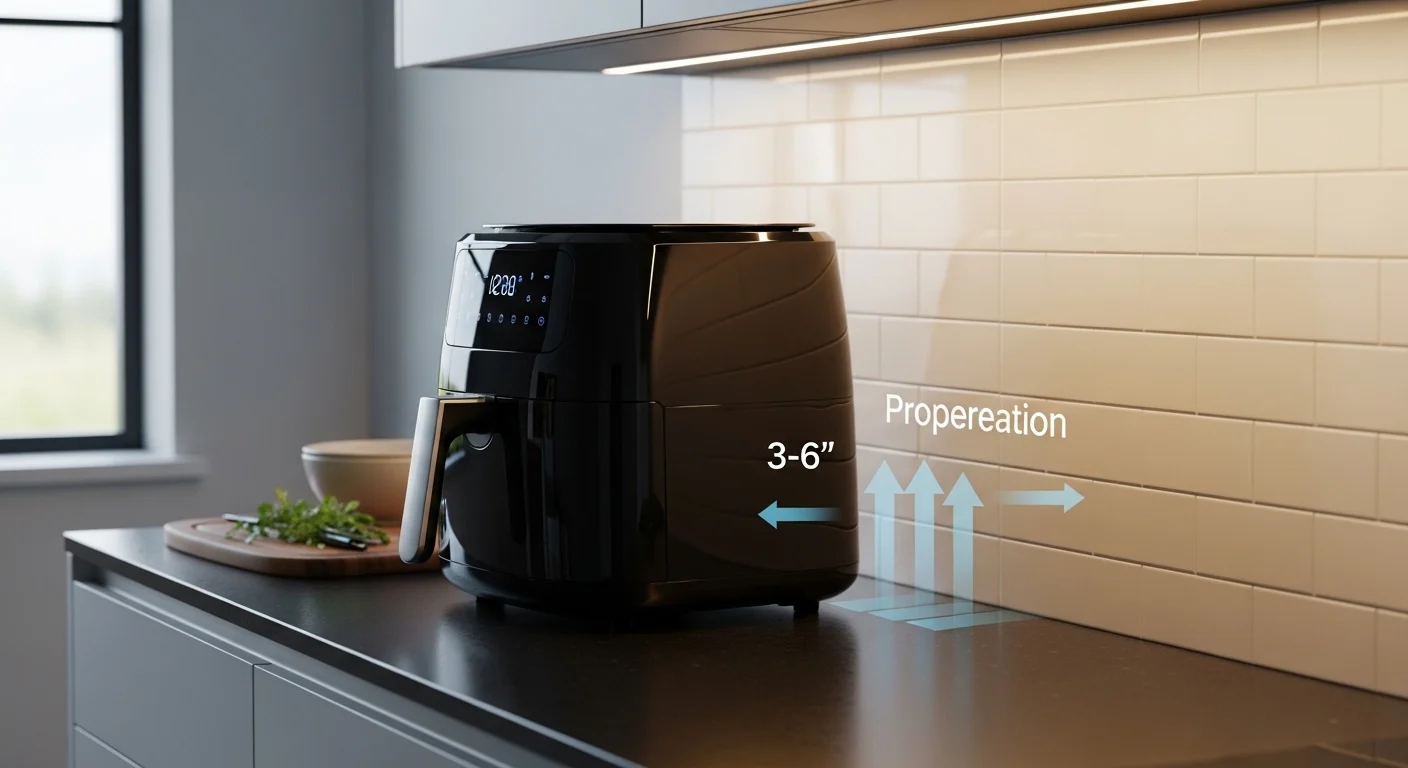
- Most air fryers need at least 3 to 6 inches of space on all sides.
- Check your air fryer’s manual for specific distance recommendations.
- Placing an air fryer too close to walls can cause damage or fire hazards.
- Proper placement ensures your air fryer lasts longer and cooks food evenly.
Understanding Air Fryer Clearance
How Far From Wall Should Air Fryer Be
When you get a new air fryer, one of the first things you might think about is where to put it. It’s not just about finding counter space; it’s about safety and making sure your appliance works its best. Many people aren’t sure about the specific distances needed, and that’s perfectly normal.
Air fryers get hot, and they release steam and heat as they cook. If this heat has nowhere to go, it can cause problems.
Think of it like a car engine. It needs airflow to stay cool. Your air fryer is similar.
It uses hot air to cook your food quickly and evenly. This hot air needs to circulate. If you put it too close to a wall or cabinets, that hot air gets trapped.
This trapped heat can damage your cabinets, your wall paint, or even the air fryer itself. It can also make the air fryer less efficient, meaning your food might not cook as well.
So, the question of how far from wall should air fryer be is really about allowing that hot air to escape freely. This ventilation is key to the appliance’s function and your kitchen’s safety. We’ll break down the general guidelines and what to look for to make sure you’re setting up your air fryer the right way.
Why Clearance Matters
Heat Dissipation
Air fryers work by circulating very hot air at high speeds. This process generates a significant amount of heat, not just inside the cooking basket but also around the appliance’s exterior. Most air fryers have vents designed to release this excess heat.
If these vents are blocked, the heat builds up. This can lead to the appliance overheating, which is a safety concern.
Preventing Damage to Your Kitchen
The heat that an air fryer produces can affect surfaces it’s placed too close to. Wooden cabinets can warp or discolor. Paint on walls can bubble, peel, or change color due to prolonged exposure to high temperatures.
Even the countertop material can be affected over time. Giving your air fryer enough space protects your kitchen investment.
Ensuring Optimal Performance
When an air fryer can properly vent, it operates more efficiently. Good airflow helps maintain the correct cooking temperature inside the basket and allows the appliance to cool down faster after use. If it’s constantly battling trapped heat, it might take longer to reach cooking temperature, and the cooking results might be uneven.
Safety First
The most important reason for proper clearance is safety. Overheating an appliance can increase the risk of fire. Ensuring adequate space prevents the air fryer from getting too hot and potentially igniting nearby flammable materials, like curtains or paper towels.
Always prioritize safety when using any kitchen appliance.
General Guidelines for Air Fryer Placement
Side Clearance
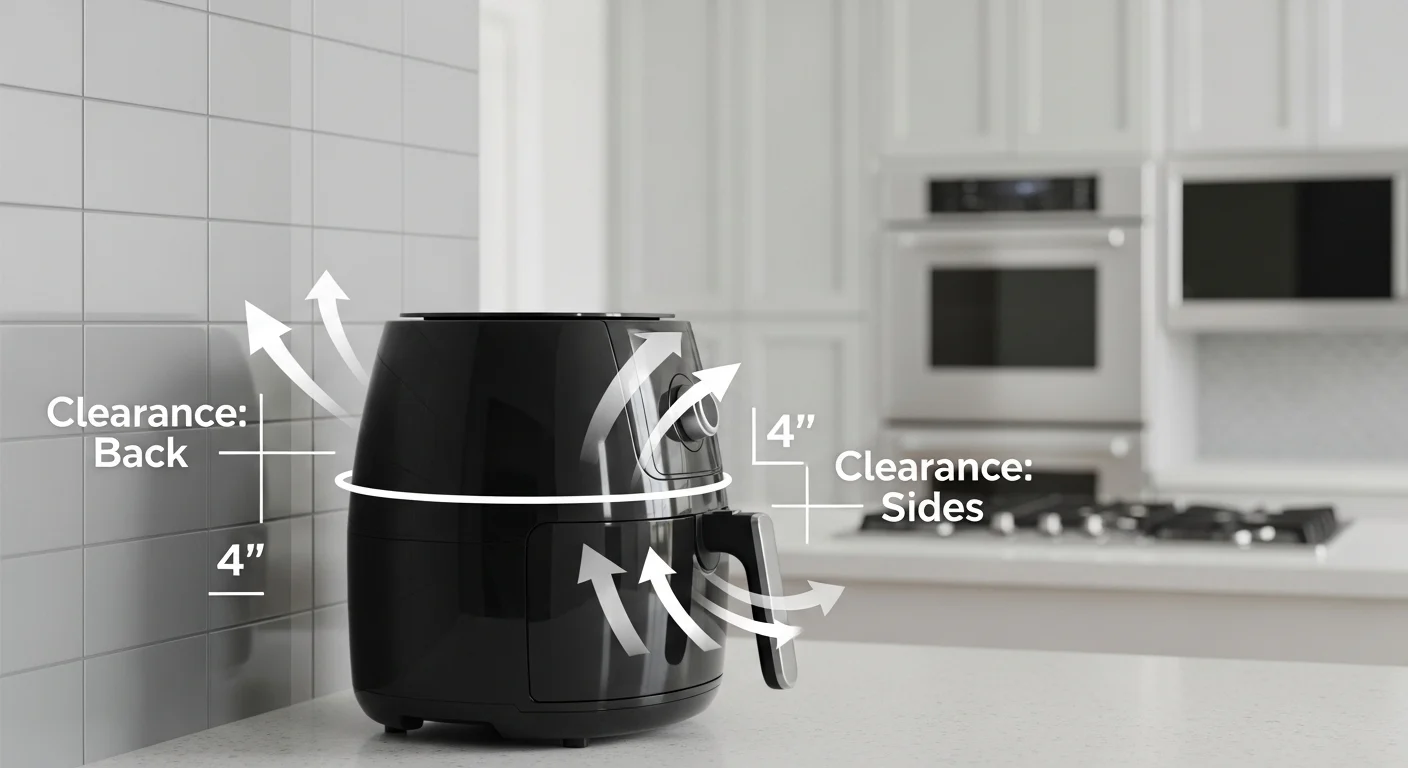
Most air fryer manufacturers recommend a minimum of 3 to 6 inches of space around the sides of the appliance. This allows for proper ventilation and heat escape. Some larger air fryer ovens might require even more space, so it’s always best to check the specific model’s instructions.
Back Clearance
The back of the air fryer often contains important vents. It’s crucial to keep this area clear. A minimum of 3 to 6 inches is usually recommended for the back as well.
This ensures that the heat escaping from the rear vents doesn’t get trapped against the wall.
Top Clearance
Don’t forget the top! If you have cabinets or shelves above your air fryer, make sure there is enough space for heat to rise and dissipate. A clearance of at least 6 to 12 inches is often suggested for the top.
This prevents heat from damaging the underside of cabinets or shelves and allows for easier access to the top vents.
Front Clearance
While less critical than the sides and back for heat escape, you still need enough space at the front to safely open the air fryer drawer or basket. Ensure you can pull out the basket or open the door fully without hitting anything. This also allows you to safely add or remove food.
Checking Your Air Fryer Manual
Every air fryer is a little different. While there are general guidelines, the absolute best source of information is your appliance’s user manual. Manufacturers design their air fryers with specific ventilation needs in mind.
Your manual will tell you the exact clearance required for your particular model.
Look for a section on placement, setup, or safety instructions. This is where you’ll find the precise distances recommended by the people who made your air fryer. Following these instructions is the most reliable way to ensure safe and efficient operation.
If you’ve lost your manual, most manufacturers have them available for download on their websites.
Common Mistakes to Avoid
Placing Directly Against the Wall
This is the most common mistake people make. Putting an air fryer right up against a wall, especially a kitchen cabinet, completely blocks ventilation. This traps heat and can quickly lead to issues like damaged cabinets or the appliance overheating.
Using it Under Low Cabinets Too Often
While you need some top clearance, if the cabinets are very low, it can still impede airflow. If you find yourself constantly cooking with the air fryer right under a low cabinet, consider if there’s another spot. The rising heat needs room to escape freely.
Ignoring Unusual Noises or Smells
If you notice your air fryer making louder-than-usual noises, or if you smell a burning odor, it could be a sign of poor ventilation. Turn off the appliance immediately and check its placement. Ensure there’s enough space around it for air to flow.
Blocking Vents with Other Items
Don’t place other kitchen items, like spice racks or small appliances, directly next to or on top of your air fryer. These items can block the vents and prevent proper heat dissipation, leading to the same problems as placing it too close to a wall.
Placement on Different Surfaces
Countertops
Most air fryers are designed for countertop use. Standard kitchen countertops are usually heat-resistant enough, provided you maintain the recommended clearance. Avoid placing your air fryer on surfaces that could be damaged by heat, like thin laminate or unfinished wood, unless you use a protective mat.
Specialized Mats or Heat Shields
If you have concerns about your countertop material or want extra protection, consider using a heat-resistant mat or a dedicated air fryer tray. These can be placed under the air fryer to shield the countertop from residual heat. Ensure the mat itself doesn’t block the air fryer’s vents.
Other Appliances
Avoid placing your air fryer directly next to or on top of other heat-generating appliances, such as a toaster oven or microwave, unless the manuals for both appliances specifically state it’s safe. The combined heat can be too much.
Air Fryer Types and Their Needs
Basket Style Air Fryers
These are the most common type. They typically have vents on the sides and back. They are often more compact, making it tempting to place them in tight spots.
Remember that even small appliances need breathing room. Aim for at least 3 inches on the sides and back.
Air Fryer Ovens
These look more like mini ovens and often have a door on the front. They usually have vents on the back and sides, and sometimes on the top. Because they are larger, they generally require more clearance.
Check the manual carefully for specific recommendations, which might be 6 inches or more on all sides.
Multi-Function Air Fryers
Some air fryers combine functions like toasting or convection baking. These can sometimes generate more heat. Always refer to the manual for these advanced models, as their clearance needs might be greater than simpler models.
Frequently Asked Questions
Question: What is the minimum space needed around an air fryer?
Answer: Generally, aim for at least 3 to 6 inches of space on the sides and back, and 6 to 12 inches on top. Always check your manual for exact requirements.
Question: Can I put my air fryer directly on my wooden countertop?
Answer: It’s best to avoid this unless your countertop is specifically heat-treated for such use. A heat-resistant mat can provide protection.
Question: What happens if I don’t give my air fryer enough space?
Answer: The air fryer can overheat, potentially damaging itself, your cabinets, or walls. It can also reduce cooking efficiency and pose a fire risk.
Question: Does the brand of air fryer affect how far it should be from the wall?
Answer: Yes, different brands and models have different ventilation needs. Your air fryer’s specific manual is the best guide.
Question: Can I place my air fryer near other appliances?
Answer: It’s generally not recommended to place an air fryer right next to other heat-generating appliances. Check both appliance manuals to be sure.
Final Thoughts
Getting the placement right for your air fryer is simple. You need to give it space to breathe. This means keeping walls, cabinets, and other items a safe distance away.
Most air fryers need about 3 to 6 inches of clearance on the sides and back, and more on top. Always check your appliance’s manual for its specific needs. Doing this keeps your air fryer working well, protects your kitchen, and makes sure you can cook safely every time.

Hi, I’m Raju Dey — a food lover with a degree in Culinary Arts from El Centro College. I’ve spent 4+ years testing air fryers, blenders, and other kitchen tools in real home kitchens. At KitchenWink.com, I share honest tips and reviews to help you cook smarter. My goal is to give you advice you can trust — based on hands-on experience, not hype.