Waiting for a fresh batch of ice can sometimes feel slow, especially when you really need it for a drink or party. Whether you own a portable ice maker, a refrigerator with a built-in unit, or a commercial machine, understanding how long it takes to make ice can help you plan better and avoid surprises.
In this guide, you’ll learn the average ice-making times for different types of machines, what affects the speed, practical tips to get ice faster, and answers to common questions. By the end, you’ll know exactly what to expect from your ice maker—and how to get the best results.
How Ice Makers Work
Ice makers are clever devices that freeze water and shape it into cubes or nuggets. Most home units use a freezer tray or an evaporator plate cooled by a compressor. Water flows over this cold surface, freezes, and then is released into a bin. The process seems simple, but several factors affect how quickly ice forms.
Types Of Ice Makers
- Portable Ice Makers: Compact machines you can use anywhere. They don’t need plumbing—just pour in water.
- Refrigerator Ice Makers: Built into your fridge. Usually connected to your home water supply.
- Commercial Ice Makers: Designed for restaurants and hotels. Make large amounts of ice quickly.
Each type has a different speed and capacity, so let’s explore their timing.
Average Ice Making Times
The time it takes to make ice depends on the type of machine, the size of the cubes, and the room temperature. Here’s a look at typical times for each kind:
| Ice Maker Type | Average Cycle Time | Ice Per Cycle |
|---|---|---|
| Portable Ice Maker | 7-15 minutes | 9-12 cubes |
| Refrigerator Ice Maker | 90-120 minutes | 8-12 cubes |
| Commercial Ice Maker | 10-20 minutes | 30-50 cubes |
Portable Ice Makers
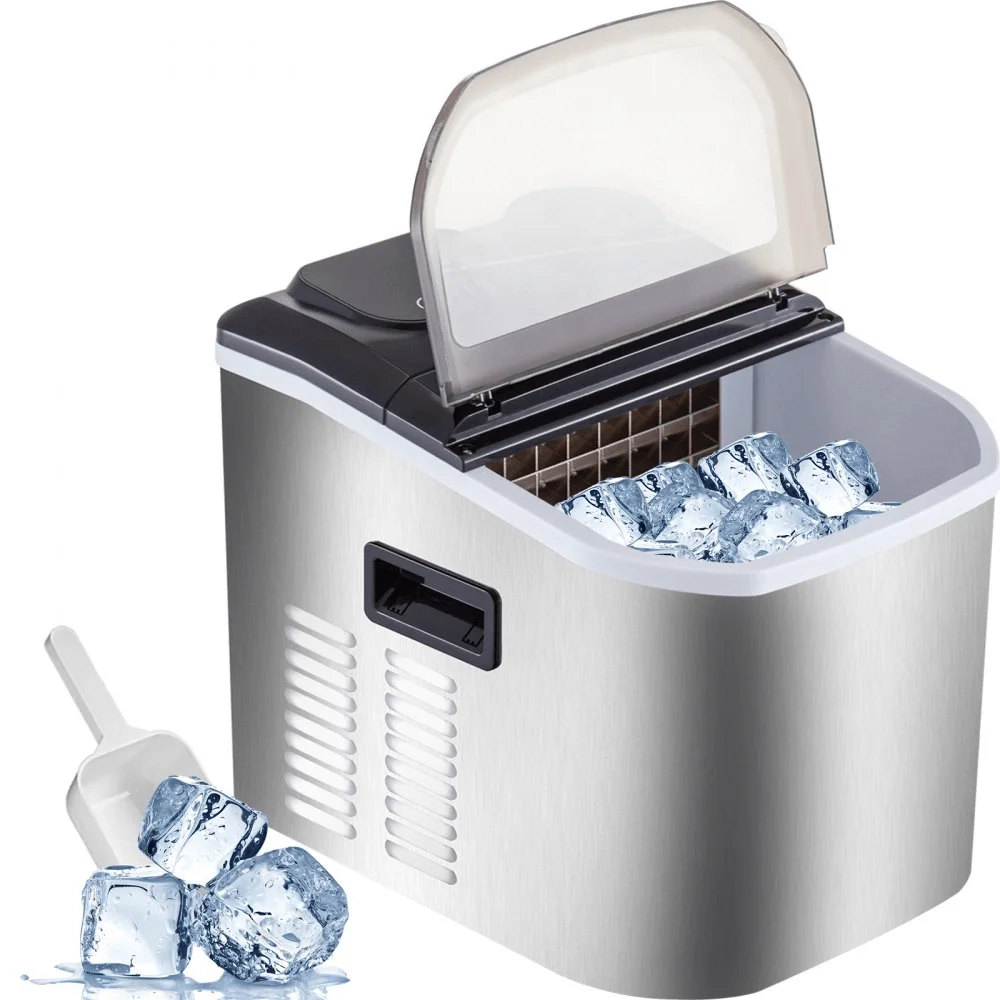
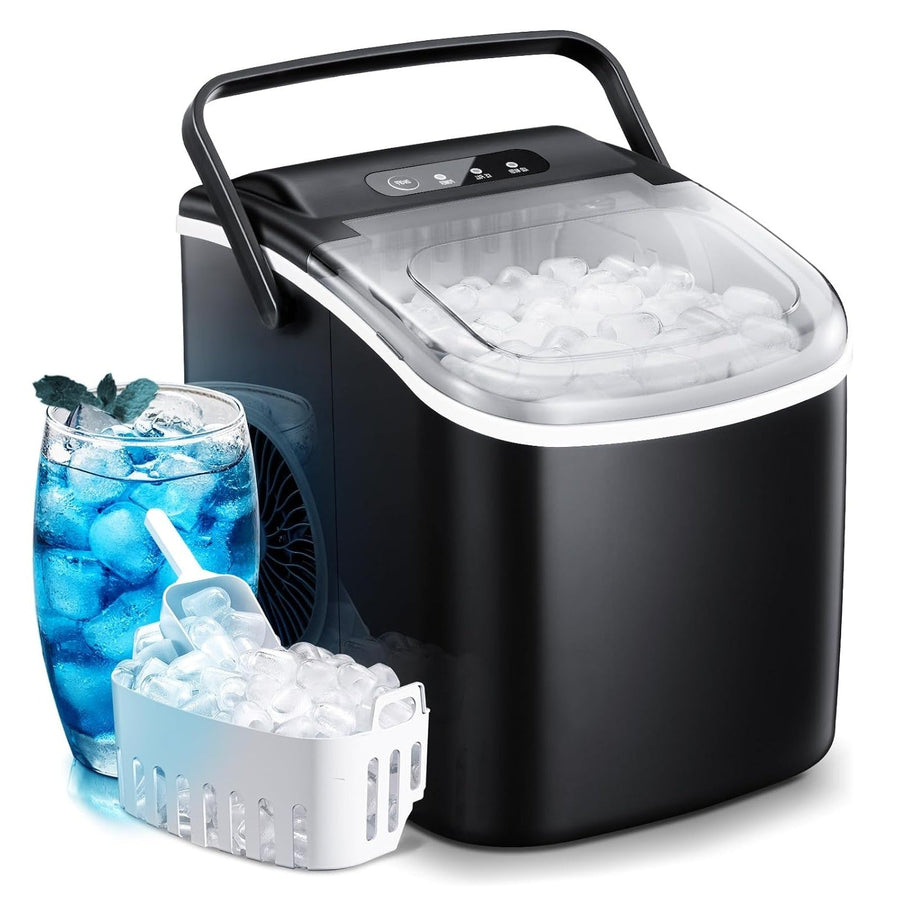
These machines are fast. Most can produce the first batch in 8-12 minutes. However, the cubes are smaller and melt faster. Over 24 hours, a good portable unit can make 20-35 pounds of ice.
Refrigerator Ice Makers
Refrigerator units are slower. After you first turn them on, they often take 2-3 hours to freeze the tray and push out the first cubes. After that, each cycle is about 90 minutes. These ice makers keep filling the bin until it’s full.
Commercial Ice Makers
Commercial machines focus on speed and quantity. They can produce a batch in 10-20 minutes and can make 100 pounds or more in a day. The cubes are larger and last longer.

Credit: kismile.com
What Affects Ice Making Speed?
Several factors can slow down or speed up your ice maker. Some of these are obvious, but a few are often missed by beginners.
Water Temperature
Cold water freezes faster. If you pour room temperature water into a portable unit, it will take longer than using chilled water. In refrigerator models, the water comes from the supply, so the temperature is fixed.
Room Temperature
Ice makers work best in cool rooms. High ambient temperatures make the compressor work harder. For example, a portable ice maker in a hot kitchen might take twice as long as in a cool basement.
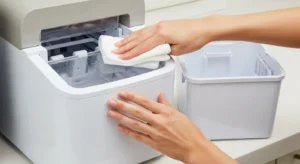
Ice Maker Cleanliness
If your machine is dirty or has mineral buildup, the freezing plate won’t cool efficiently. Regular cleaning keeps it running at peak speed.
Cube Size Setting
Some machines let you pick the cube size. Large cubes take longer to freeze than small cubes. If you need ice fast, use the small cube option.
Water Quality
Hard water can slow ice formation and cause buildup. Using filtered water helps prevent this and can improve speed.
Voltage And Power Supply
Low voltage can make the compressor weaker. Always plug your ice maker directly into a wall outlet, not an extension cord.
How Much Ice Can You Expect?
If you’re preparing for a party or event, you’ll want to know how much ice your machine can deliver in a set time. Here’s a comparison of different ice makers based on daily output:
| Ice Maker Type | Max Daily Output | Best For |
|---|---|---|
| Portable Ice Maker | 20-35 lbs | Small gatherings, camping |
| Refrigerator Ice Maker | 4-12 lbs | Family use |
| Commercial Ice Maker | 100-400 lbs | Restaurants, events |
If you need more ice than your unit can make, start early or consider buying a bag from the store.
Practical Ways To Make Ice Faster
Sometimes you need ice quickly. Here are proven tricks to help your ice maker work faster:
- Start with cold water: If your ice maker lets you add water, chill it in the fridge first.
- Keep the machine clean: Remove mineral buildup and dust from vents.
- Lower room temperature: Place the machine in a cooler space if possible.
- Choose smaller cubes: If your unit has a size option, use the smallest setting.
- Check voltage: Plug directly into a wall outlet. Avoid power strips.
- Don’t open the lid often: Every time you open the ice bin, warm air enters and slows freezing.
- Use filtered water: Reduces mineral buildup and improves freezing speed.
- Don’t overload the water reservoir: Fill only to the recommended level.
Non-obvious Insight
Many people don’t realize that overfilling the water reservoir can actually make ice slower. The machine has to cool more water, which takes longer.
Another tip: Portable ice makers do not store ice as cold as your freezer. Ice melts and cycles back into the water. If you want to keep ice solid, transfer it to your freezer right away.
Ice Maker Cycle Explained
Understanding the cycle helps you know when to expect your next batch. Most machines follow these steps:
- Fill tray or plate: Water is poured or flows into the freezing area.
- Freezing starts: Compressor cools the tray to below zero.
- Ice forms: Water freezes into cubes.
- Harvesting: Machine heats the tray slightly to release cubes.
- Ejection: Cubes drop into the bin.
- Repeat: Cycle starts again if bin isn’t full.
The cycle time varies by machine and cube size, but knowing these steps helps you estimate when to check for fresh ice.
Ice Maker Maintenance And Its Impact
A well-maintained ice maker is much faster and more reliable. Here are key maintenance steps:
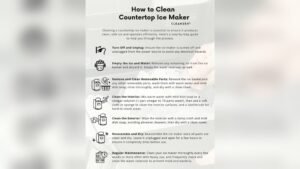
- Clean the machine monthly: Use vinegar or a special cleaner.
- Check for clogs: Make sure water can flow freely.
- Inspect for leaks: Leaks waste water and slow the cycle.
- Descale regularly: Hard water leaves deposits—remove them to keep the freezing plate efficient.
Neglecting maintenance is one of the main reasons ice makers slow down over time.
Comparing Ice Maker Models
If you’re choosing a new ice maker, speed is important—but so are other factors. Here’s a quick comparison of common models:
| Model | Cycle Time | Cube Size Options | Special Features |
|---|---|---|---|
| Igloo ICEB26 | 7-10 min | Small, large | Portable, clear lid |
| Frigidaire EFIC108 | 8-12 min | Small, large | Compact, easy clean |
| GE Refrigerator Ice Maker | 90 min | Standard | Auto refill, filtered water |
| Manitowoc Commercial | 12-15 min | Multiple | Large bin, fast cycles |
If speed is your priority, portable models are best for quick batches. For large amounts, commercial machines are worth the investment.
Credit: www.vevor.com
Common Mistakes That Slow Ice Production
Many people unknowingly cause their ice maker to work slower. Watch out for these mistakes:
- Not cleaning regularly: Buildup reduces efficiency.
- Placing in hot rooms: Heat makes freezing harder.
- Using unfiltered water: Minerals slow freezing and cause clogs.
- Opening the bin too often: Warm air melts ice and slows the cycle.
- Ignoring maintenance alerts: Some machines have warning lights—don’t ignore them.
Avoid these mistakes to keep your machine running smoothly and quickly.
When To Call For Service
If your ice maker is much slower than usual, even after cleaning, you may need professional help. Signs to watch for:
- No ice at all: Could be a broken compressor or water valve.
- Ice is too small or thin: Might be a temperature issue or clog.
- Strange noises: Indicates mechanical trouble.
A technician can fix these problems and get your ice maker back to normal speed.
Credit: kismile.com
Real-world Data And Studies
Research shows that ice makers’ cycle times can vary by up to 50% depending on water and air temperature. For example, a portable unit tested at 21°C (70°F) made ice in 8 minutes, while at 32°C (90°F) the time increased to 16 minutes. Commercial machines are more consistent, but still affected by ambient temperature.
You can find more technical details and data on ice makers at Wikipedia.
Frequently Asked Questions
How Long Does It Take For A Refrigerator Ice Maker To Make Ice?
Most refrigerator ice makers take 2-3 hours for the first batch after being turned on. After that, each cycle is about 90 minutes. If the bin is empty, allow extra time for it to refill.
Can I Make Ice Faster By Using Cold Water?
Yes. Using cold water speeds up the freezing process, especially in portable ice makers. It won’t make a huge difference in built-in refrigerator models since they use water from the supply line.
Why Does My Ice Maker Take Longer In Summer?
High room temperature makes the compressor work harder. If your kitchen is hot, ice takes longer to freeze. Try moving your portable unit to a cooler spot.
How Do I Know If My Ice Maker Needs Cleaning?
If ice is slow to form, cubes are thin, or there’s a strange taste, cleaning is needed. Mineral buildup or mold can affect speed and quality. Most machines work best after a monthly clean.
What’s The Best Way To Store Ice After Making It?
Move ice to your freezer if you want it to stay solid. Portable ice makers don’t keep ice frozen for long—it melts and recycles. Use an airtight bag or container for storage.
Waiting for ice doesn’t have to be frustrating. With the right knowledge and a few smart steps, you can speed up your ice maker and avoid running out. Whether you’re planning a party or just want cold drinks every day, understanding the timing and care of your ice maker gives you control.
Remember, maintenance and small adjustments make a big difference. Enjoy your next cold drink, knowing exactly how long it took for those cubes to form.