Skip to content
Bread makers have made fresh, homemade bread a daily treat for many kitchens. But after the wonderful smell fades and the loaf cools, a common question comes up: how long does bread maker bread last? Unlike the loaves from the store, homemade bread doesn’t have added preservatives. This means it can spoil faster, but there are smart ways to keep it fresh. Let’s look at what affects the shelf life of bread maker bread, how to store it right, and how to know when it’s time to say goodbye to a loaf.
What Affects The Shelf Life Of Bread Maker Bread?
Several factors decide how long your homemade bread will stay good. Understanding these helps you get the most from every loaf.
Ingredients Matter
Store-bought bread often contains preservatives like calcium propionate or sorbic acid. These chemicals slow mold growth and keep bread soft longer. Most home recipes use basic ingredients: flour, water, yeast, salt, and sometimes sugar or oil. Because of this, bread maker bread usually lasts 2–4 days at room temperature.
If you use ingredients like milk, eggs, or butter, your bread may spoil even faster. Rich doughs, such as those for brioche or challah, provide more food for bacteria and mold, shortening shelf life.
The Baking Process
Bread machines bake loaves in a sealed chamber. This creates a thick crust, which helps keep moisture inside. However, the lack of preservatives still means homemade bread is more likely to go stale or moldy quickly.
Humidity And Temperature
Warm, humid environments encourage mold. If you live in a hot or damp place, your bread might last just a couple of days at room temperature. In cooler, drier climates, it can stay fresh a bit longer.
Handling And Slicing
Every time you slice bread, you expose more surface to air and moisture. Slicing the whole loaf at once leads to faster spoilage. Touching bread with wet or dirty hands also transfers bacteria, speeding up mold growth.
How Long Does Bread Maker Bread Last? (typical Timelines)
The shelf life of bread maker bread can vary based on storage method and recipe. Here’s a general guide:
| Storage Method | Typical Shelf Life | Best For |
|---|---|---|
| Room temperature (bread box or bag) | 2–4 days | Quick use, daily slices |
| Refrigerator | 5–7 days (but may go stale) | Slowing mold, not for best texture |
| Freezer | Up to 3 months | Long-term storage, meal prep |
A loaf made with just flour, water, yeast, and salt will last longer than one with milk or eggs. Always check your specific recipe for recommendations.
Signs Your Bread Maker Bread Has Gone Bad
Homemade bread may look and smell wonderful at first, but it doesn’t take long for problems to show. Here are clear signs to watch for:
- Mold spots: Any green, black, white, or blue fuzzy patches mean the bread should be thrown out immediately.
- Off smell: A sour or musty odor is a warning that bacteria or mold are present.
- Sticky or overly moist texture: Bread should feel dry to the touch. A sticky surface can signal spoilage.
- Hard, dry crumb: Staleness isn’t dangerous, but rock-hard bread is unpleasant to eat.
Tip: If you see mold on any part of a loaf, toss the whole thing. Mold spreads below the surface, even if you can’t see it.
Best Ways To Store Bread Maker Bread
Keeping bread fresh is all about proper storage. Here are the best methods, along with common mistakes to avoid.
At Room Temperature
This is the simplest method for bread you’ll eat in 2–3 days.
- Use a bread box: A good bread box balances air flow and moisture, preventing the bread from drying out or getting soggy.
- Paper or cloth bag: Both let bread “breathe,” which helps keep the crust crisp and slows mold. Plastic bags keep bread soft but can trap moisture and speed up mold in humid places.
- Keep out of sunlight: Sunlight heats up bread, encouraging mold.
Mistake to avoid: Don’t leave bread on the counter uncovered. It will go stale and attract pests.
In The Refrigerator
While the fridge can slow mold, it also makes bread go stale faster due to starch retrogradation (starch molecules harden in the cold). Only refrigerate if you live in a humid climate or need bread to last over a week.
- Wrap bread in plastic or foil to prevent it from drying out.
- For best results, toast or warm refrigerated slices before eating.
Freezing For Long-term Storage
Freezing is the best way to keep homemade bread for weeks or months.
- Slice before freezing: This lets you take out only what you need, reducing waste.
- Wrap tightly: Use plastic wrap, then a freezer bag or foil. Double wrapping prevents freezer burn.
- Label and date: Homemade bread can look similar after a month in the freezer.
When you want to eat, thaw at room temperature or toast straight from the freezer.
Bread Storage Comparison
Let’s compare the most common storage methods for homemade bread:
| Storage Type | Pros | Cons |
|---|---|---|
| Bread box | Keeps crust crisp, slows mold | Only suitable for a few days |
| Plastic bag | Keeps crumb soft, easy to use | Can trap moisture, faster mold |
| Refrigerator | Slows mold growth | Makes bread stale quickly |
| Freezer | Preserves bread for months | Needs extra wrapping, planning ahead |

Credit: saladinajar.com
Making Bread Maker Bread Last Longer
You can extend the life of your homemade bread with a few smart choices.
Add Natural Preservatives
Certain ingredients can help keep bread fresh:
- Honey: Natural anti-bacterial properties slow mold.
- Vinegar or lemon juice: A small amount (1–2 teaspoons) can lower pH and slow spoilage.
- Fats: Butter or oil keeps bread moist, but doesn’t prevent mold. Use them for texture, not preservation.
Adjust The Recipe
Some bread machines allow you to tweak recipes. A little extra salt or sugar can change how quickly bread goes bad. However, too much can affect taste and texture.
Better Slicing Habits
Slice bread only as needed. The more often you cut it, the more quickly it dries out and spoils. Use a clean, dry knife every time.
Cleanliness Matters
Wash your bread machine pan, utensils, and hands before baking. Old crumbs or moisture in the pan can introduce bacteria that spoil new loaves faster.
Storing Different Types Of Bread Maker Bread
Some breads last longer than others. Here’s how a few popular types compare:
| Bread Type | Main Ingredients | Average Shelf Life (Room Temp) |
|---|---|---|
| Basic white | Flour, water, yeast, salt | 3–4 days |
| Whole wheat | Whole wheat flour, water, yeast, salt | 2–3 days |
| Brioche/challah | Flour, eggs, milk, sugar, butter | 1–2 days |
| Sourdough | Flour, water, salt, sourdough starter | 4–5 days |
Sourdough bread often lasts longer because the acids made by natural fermentation slow mold. However, it’s still best to store it well and eat it soon.
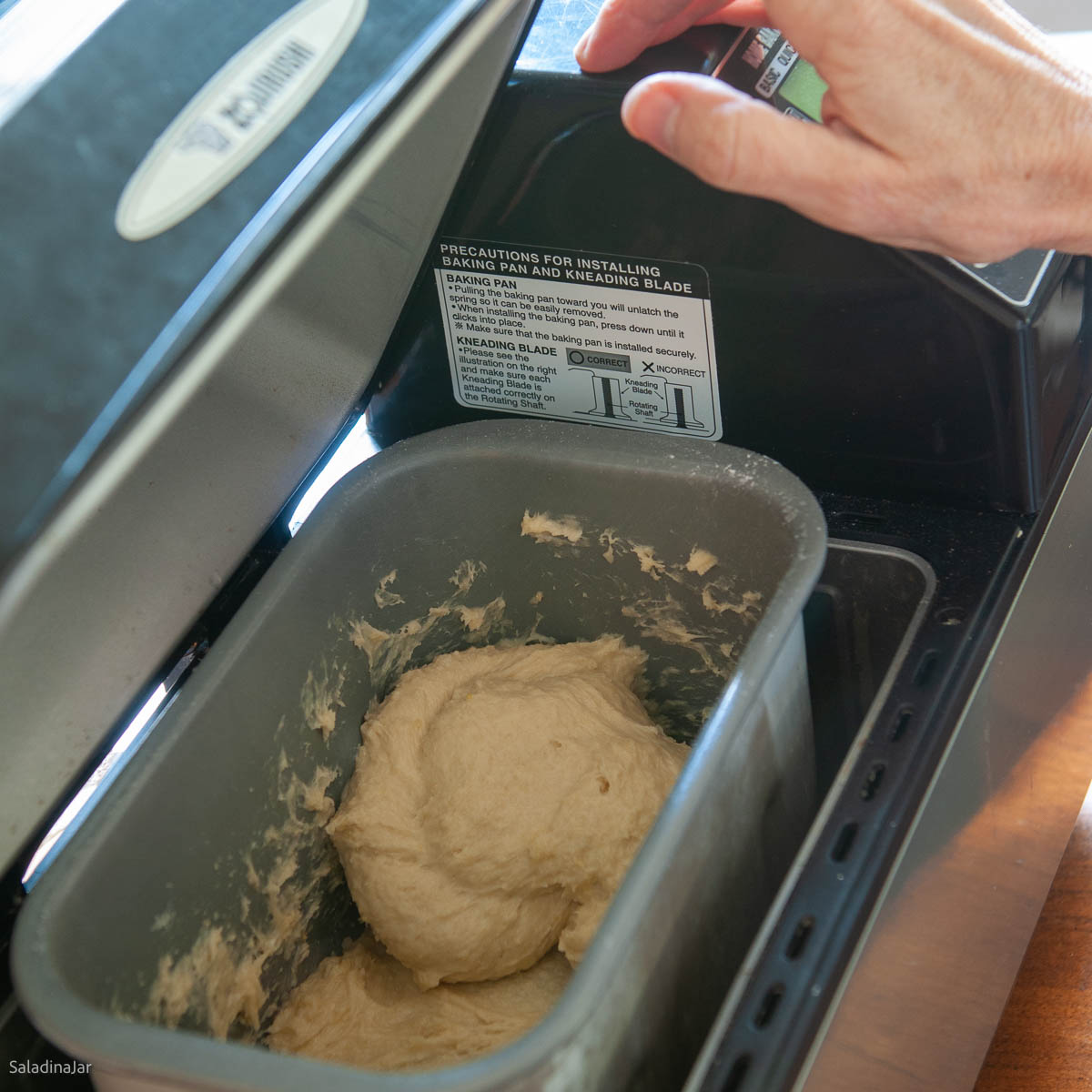
Credit: saladinajar.com
Common Mistakes That Shorten Bread’s Shelf Life
Even with the right storage, a few easy-to-miss mistakes can ruin your bread faster:
- Storing bread while still warm: Trapped steam leads to soggy bread and fast mold. Always let bread cool fully before packaging.
- Cutting with a wet or dirty knife: This introduces bacteria.
- Storing bread near fruit: Many fruits give off ethylene gas, which can speed up spoilage.
- Ignoring the “use by” timeline: Homemade bread simply won’t last as long as store-bought. Plan to eat or freeze within a few days.
How To Use Up Bread Before It Spoils
If you see your bread won’t be finished in time, don’t let it go to waste. There are many tasty ways to use up old bread:
- Make croutons: Cube and toast in the oven for salads and soups.
- French toast: Stale bread soaks up egg mixture perfectly.
- Bread pudding: A classic dessert that uses old bread.
- Breadcrumbs: Pulse in a food processor and freeze for future recipes.
Old bread is a great chance to get creative in the kitchen!
Myths And Lesser-known Facts
Many people believe refrigerating bread is always best, but as we’ve seen, this often makes the texture worse. Another myth is that all mold is visible. In reality, mold roots can spread deep into bread, so don’t risk cutting off a small spot.
A lesser-known fact is that sourdough bread often resists mold better than yeast breads because of its lactic acid bacteria. Also, bread made with whole wheat flour can spoil faster due to the oils in the bran, which can go rancid.
When To Bake And How Much
To keep your bread as fresh as possible, try to bake only what you’ll eat in 2–3 days. If your bread machine is programmable, set it to finish baking in the evening so you have fresh bread for the next day.
For large families, a full loaf may disappear fast. For singles or couples, consider baking smaller loaves or slicing and freezing half right away.
Final Thoughts
Bread maker bread is a simple pleasure, but it comes with a shorter shelf life than supermarket loaves. With smart storage and a little planning, you can enjoy fresh slices for days and avoid waste. Remember, the key is to handle bread carefully, store it in the right environment, and know the signs of spoilage. If you want more on the science of bread storage, check out this guide from King Arthur Baking.
Frequently Asked Questions
How Do I Know If Bread Maker Bread Is Safe To Eat?
Check for mold, sour smells, or a sticky surface. If any are present, throw the bread away. If the bread is just stale but not moldy, it is still safe—just not as tasty.
Can I Store Homemade Bread In Plastic Bags?
Yes, but plastic traps moisture and can speed up mold, especially in warm climates. If you use plastic, eat the bread quickly and keep an eye out for condensation.
What Is The Best Way To Freeze Bread Maker Bread?
Slice it first, wrap tightly in plastic wrap and then in foil or a freezer bag. Label with the date. To thaw, leave slices at room temperature for 15–30 minutes or toast straight from frozen.
Why Does My Bread Get Moldy So Fast?
Homemade bread lacks preservatives and is often exposed to more moisture and air. Warm, humid kitchens make mold appear faster. Always let bread cool before storing and consider freezing what you won’t eat soon.
Is It Safe To Eat Bread With A Small Spot Of Mold?
No. Mold spreads below the surface, even if only one spot is visible. Eating moldy bread can cause illness, so it’s best to discard the whole loaf.

Credit: cultured.guru